The assumption that professional audio engineering strictly requires vintage microphones costing tens of thousands of dollars is a persistent myth within the music production industry. While legendary studio staples such as the AKG C12, Neumann U 47, and Telefunken ELA M 251 occupy a revered place in recording history, top-tier producers and engineers routinely bypass these ultra-expensive classics in favor of budget-friendly alternatives. This utilitarian approach to gear selection highlights a fundamental truth of modern acoustic production: matching the specific tool to the sonic requirements of a song yields superior results compared to blindly relying on high-end prestige equipment.
The economic and technical reality of modern recording environments has driven a massive shift in how studios approach microphone acquisition. Budget-conscious production models, combined with rapid advancements in manufacturing precision, mean that entry-level and mid-tier transducers frequently punch well above their weight class. By examining the technical specifications, historical adoption, and real-world studio applications of several ultra-affordable microphones, engineers can better understand how these accessible tools deliver professional results on commercial releases.
The Audio-Technica AT2020: A Home Studio Staple
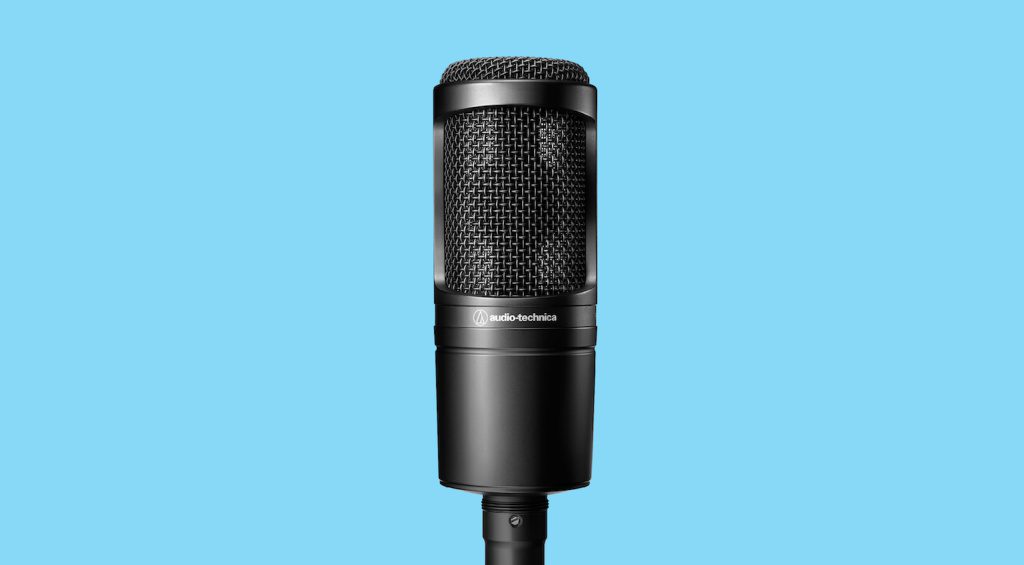
Priced at approximately one hundred dollars, the Audio-Technica AT2020 has established itself as an industry benchmark for entry-level and budget-conscious recording setups. Introduced as a versatile, side-address cardioid condenser, the AT2020 employs a medium-diaphragm capsule measuring 16 millimeters. This specific design choice grants the microphone a faster transient response and a significantly reduced proximity effect compared to standard one-inch large-diaphragm condensers. Consequently, the microphone handles close-miking applications without muddying the low-end frequency spectrum.
From a frequency response perspective, the AT2020 features a gentle presence boost ranging from 5 kHz to 15 kHz. This characteristic makes it exceptionally well-suited for capturing detailed vocal performances, acoustic guitars, and high-SPL (Sound Pressure Level) sources such as guitar amplifier cabinets and brass instruments. Its robust build quality and direct compatibility with standard audio interfaces have made it a preferred choice for notable independent artists and producers.
Industry figures such as Finneas O’Connell and Mac DeMarco have openly utilized the AT2020 in professional workflows. Most notably, Finneas deployed the affordable condenser to record the lead vocal tracks for Billie Eilish’s breakout 2015 single "Ocean Eyes," proving that commercial success is entirely decoupled from hardware expenditure. However, audio engineers note that the AT2020’s natural high-end lift can occasionally necessitate targeted equalization when tracking inherently bright instruments or full-bodied vocal timbres.
The RODE PodMic: Broadcast-Quality Dynamics on a Budget
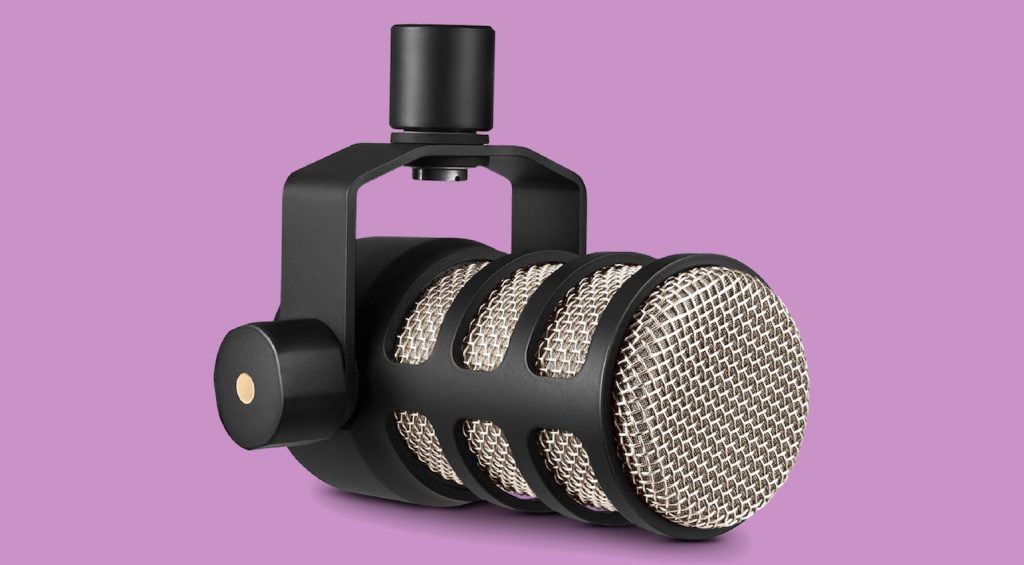
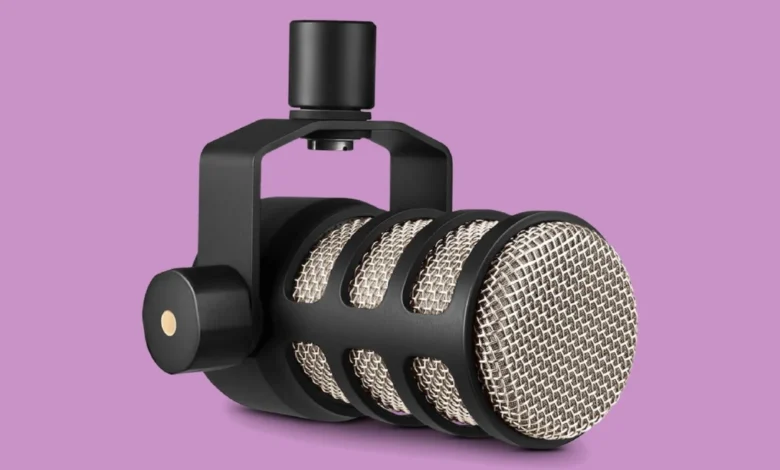
Broadcasters, podcasters, and music producers seeking the rich, thick tonal characteristics of classic dynamic microphones like the Shure SM57 or Electro-Voice RE20 frequently turn to the RODE PodMic. Designed specifically for spoken-word applications and vocal tracking, this end-address dynamic microphone utilizes a high-output neodymium capsule paired with an internal pop filter and shock-mounting system.
The PodMic exhibits a pronounced frequency boost between 5 kHz and 10 kHz, coupled with a tight, punchy low-end response. The midrange is pushed forward significantly, which helps vocals cut through dense mixes, though it can occasionally introduce an aggressive character depending on the source. Because of its dynamic design, the proximity effect is considerably more pronounced than in condenser alternatives, requiring talent to maintain consistent microphone technique or utilize off-axis positioning to manage plosives.
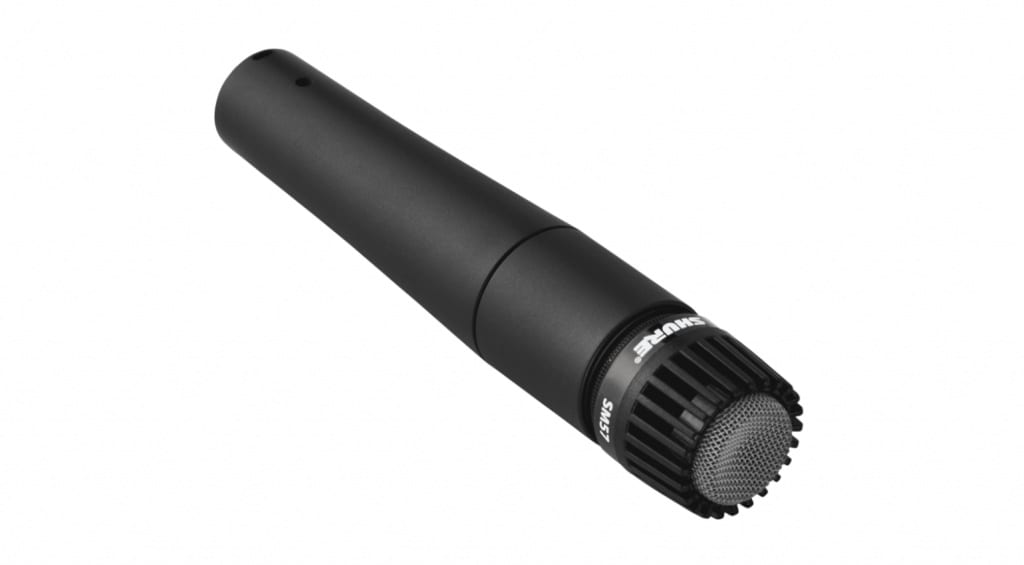
Unlike the Shure SM7B, which is notoriously gain-hungry and requires specialized inline preamps like a Cloudlifter, the RODE PodMic operates effectively with the stock preamps found in standard USB audio interfaces. While primarily engineered for broadcast speech, producers frequently deploy the PodMic on aggressive sources such as kick drums and heavy electric guitar cabinets, provided attention is paid to placement to control low-frequency buildup.
The Shure SM57: The Indispensable Studio Workhorse

Few pieces of audio equipment match the ubiquity and historical significance of the Shure SM57. Released in 1965 as a direct evolution of Shure’s Model 545 Unidyne III—a design rooted in mid-century engineering—the SM57 remains a foundational tool in virtually every professional recording studio globally. Its pneumatic shock-mount capsule design effectively minimizes handling noise while allowing the microphone to withstand exceptionally high sound pressure levels without distortion.
The commercial impact of the SM57 is documented across decades of recorded music. It was instrumental in capturing foundational tracks on landmark albums, including Boston’s self-titled 1976 debut, Fleetwood Mac’s Rumours (1977), Red Hot Chili Peppers’ Blood Sugar Sex Magik (1991), and Daft Punk’s Grammy-winning Random Access Memories (2013). Engineers rely on the SM57 for a diverse array of sources, ranging from snare drums and guitar cabs to lead and backing vocals.
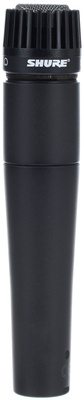
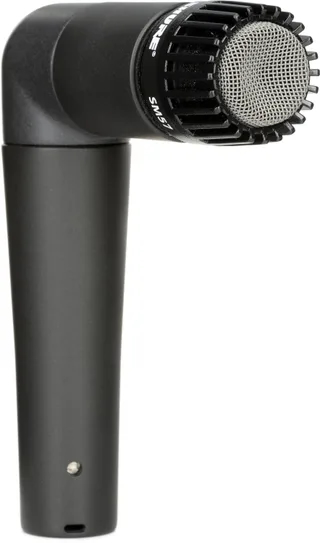
The microphone’s legendary status rests on its durability and adaptability. It can be wedged inches away from a hammering drummer’s snare or pivoted toward a delicate fingerstyle acoustic guitar with equal competence. Modern innovations, such as aftermarket accessories from companies like Granelli Audio Labs (e.g., the G5790 right-angle adapter), continue to expand the physical versatility of the SM57, ensuring its continued relevance in contemporary studio environments.
The Behringer C-2: Accessible Stereo Imaging
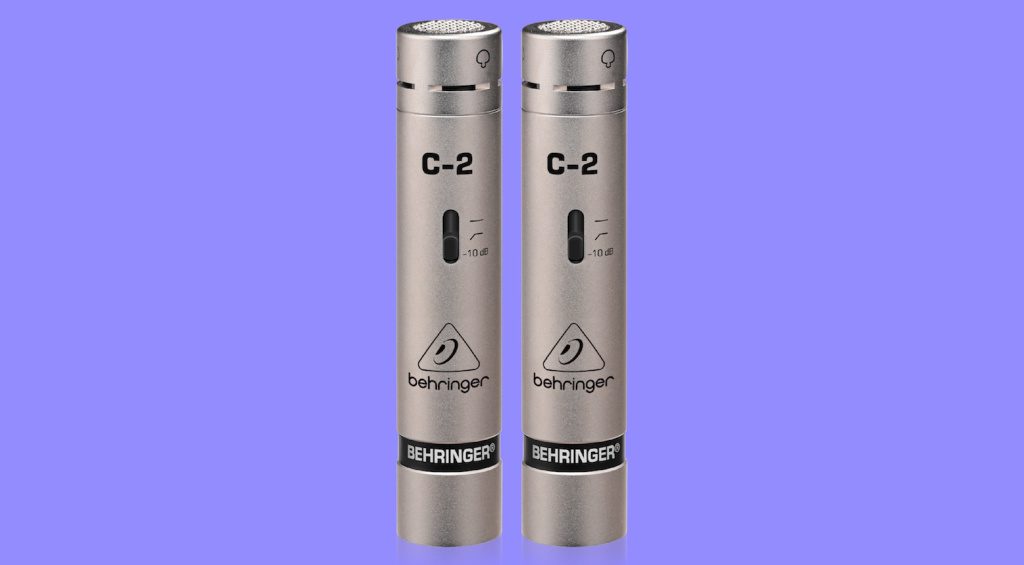
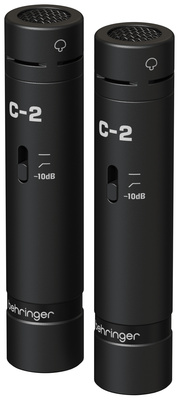
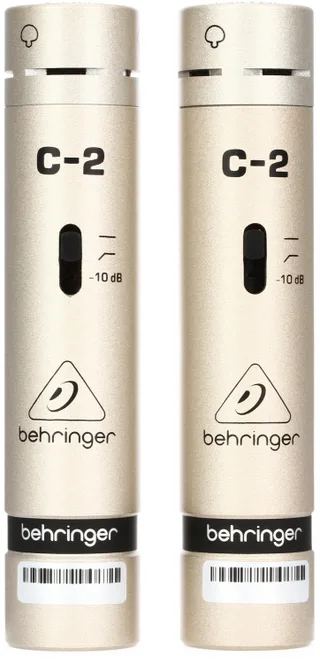
For stereo recording applications involving acoustic instruments, overhead drum kits, or ensemble performances, small-diaphragm condensers (SDCs) are generally the preferred transducer type. However, high-end matched pairs from brands like Neumann or Schoeps represent a substantial financial investment. The Behringer C-2 offers an ultra-budget alternative, providing a factory-matched pair of small-diaphragm condensers for a fraction of the cost.
Equipped with a transformerless FET (Field-Effect Transistor) output circuit and a cardioid pickup pattern, the Behringer C-2 is designed to capture rapid transients with clarity. The microphone features a pronounced 4 dB boost in the 1 kHz to 8 kHz range. While this adds air and definition to acoustic sources, the rapid transient response combined with the frequency lift can occasionally result in an aggressive top-end representation if not carefully managed during the tracking and mixing stages.
While budget SDCs cannot replicate the ultra-low self-noise and nuanced off-axis linear response of high-end laboratory-grade microphones, the Behringer C-2 provides project studio owners with an effective entry point into stereo miking techniques. Proper gain staging and careful acoustic management in the tracking room are essential to mitigate any inherent limitations of the hardware.
Avantone Pro CV-12: Tube Mic Warmth Without the Vintage Price Tag

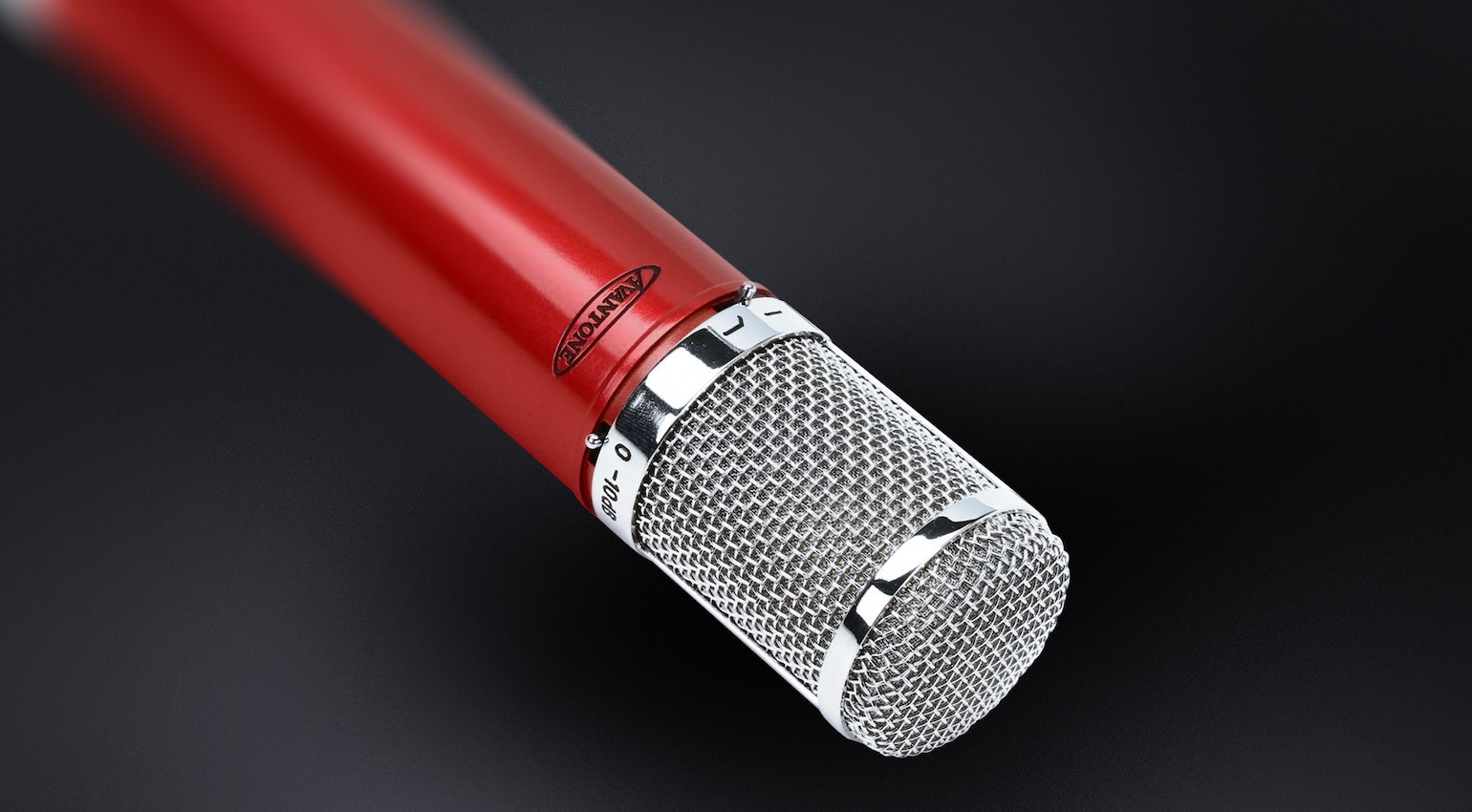
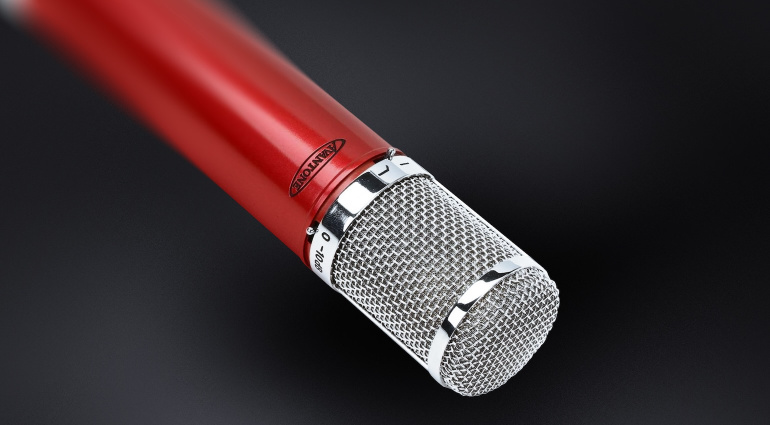
Vacuum tube condensers represent the pinnacle of traditional microphone design, prized for their harmonic distortion characteristics, rich lower-midrange warmth, and airy high-frequency detail. Authentic vintage German and Austrian tube microphones often command exorbitant prices on the secondary market. Avantone Pro developed the CV-12 specifically to bridge the performance gap between modern budgets and classic tube aesthetics.
The CV-12 features a K67-style capsule design coupled with a Russian 6072A vacuum tube. Powered by an external dedicated power supply unit, the microphone offers continuously variable polar patterns ranging from cardioid and omni to figure-eight. Its sonic profile delivers a detailed, polished top-end paired with a substantial lower-midrange body, making it a popular choice for modern pop and commercial vocal tracking. Pop superstar Taylor Swift has notably utilized the CV-12 in professional recording contexts.
The accessibility of the CV-12 has also made it a favorite platform for audio hardware modification. Engineers frequently upgrade the stock capsule and vacuum tube components to emulate the specific sonic signature of the vintage AKG C12. Recognizing this demand, manufacturer collaborations—such as Avantone’s partnership with Black Lion Audio—have introduced factory-upgraded variants featuring enhanced circuitry and premium component selections, offering an intermediate tier between budget stock models and elite vintage gear.
Broader Implications for Audio Engineering and Production
The continued reliance on affordable microphones by elite professionals underscores a broader philosophical shift in audio engineering. The democratization of recording technology over the past two decades has shifted the focus from hardware accumulation to acoustic execution, performance quality, and arrangement.
While high-end vintage microphones retain distinct historical value and specific sonic signatures, the performance threshold of budget transducers has risen substantially. By understanding the specific frequency responses, polar pattern behaviors, and physical limitations of affordable microphones, modern producers can achieve commercial-grade results regardless of budget constraints. Ultimately, the success of a recording is determined by the synergy between the performer, the source, and the engineer’s application of the tools at hand—proving that financial investment does not dictate artistic merit.