Paul McCartney on the power of the bass and the surreal 1965 encounter with Elvis Presley at his Bel Air mansion

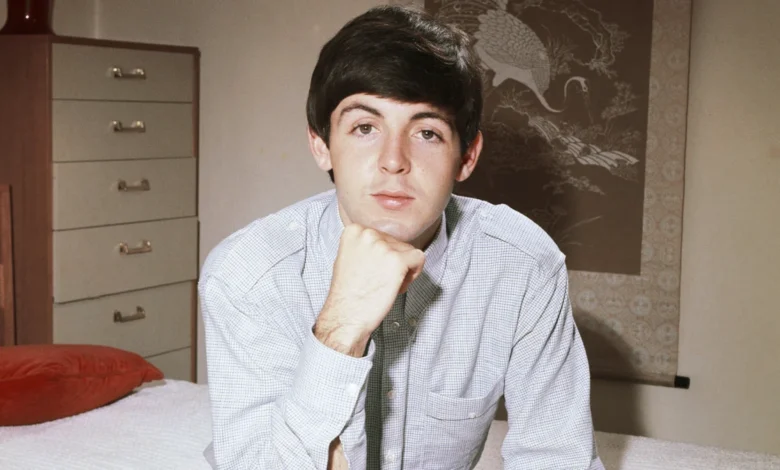
The evolution of a musician is rarely a linear path, and for Sir Paul McCartney, the transition from reluctant bassist to the rhythmic anchor of the most influential band in history serves as a profound case study in artistic adaptation. Long before the global superstardom that defined the mid-1960s, McCartney’s relationship with the bass guitar was one of necessity rather than preference. However, as revealed in a deep-dive archival interview conducted by Tony Bacon for The Bass Book, this reluctant assignment eventually blossomed into a sophisticated understanding of musical architecture and the inherent power dynamics within a rock ensemble.
The Evolution of a Rhythm Section Icon
In the early days of The Beatles, McCartney did not set out to be the group’s bassist. Following the departure of Stuart Sutcliffe in 1961, the responsibility fell to McCartney by default. In the 1994 interview, he admitted that he was initially "lumbered" with the instrument, a sentiment shared by many young musicians who find themselves diverted from their preferred role—in his case, the guitar—to serve the needs of the collective.
Yet, this perceived setback became a turning point in his career. McCartney realized that the bass player holds a unique position of control. By dictating the low-end frequency and the foundational pulse of the song, the bassist effectively dictates where the band can go. This realization transformed his approach, moving from resentment to a genuine pride in his craft. By mastering the instrument, McCartney gained the ability to "steer" his bandmates, a realization he described with characteristic wit: "Once you realized the control you had over the band, you were in control. They can’t go anywhere, man."
Historical Context: The 1965 Meeting at Bel Air
The narrative of McCartney’s growth as a musician often intersects with the pivotal moments of his career, none more surreal than the meeting between The Beatles and Elvis Presley in August 1965. By this time, The Beatles were at the absolute zenith of their fame, having already conquered the American charts and shifted the global cultural landscape. Presley, meanwhile, had shifted his focus toward film and was navigating the challenges of maintaining his relevance as the "British Invasion" dominated the airwaves.
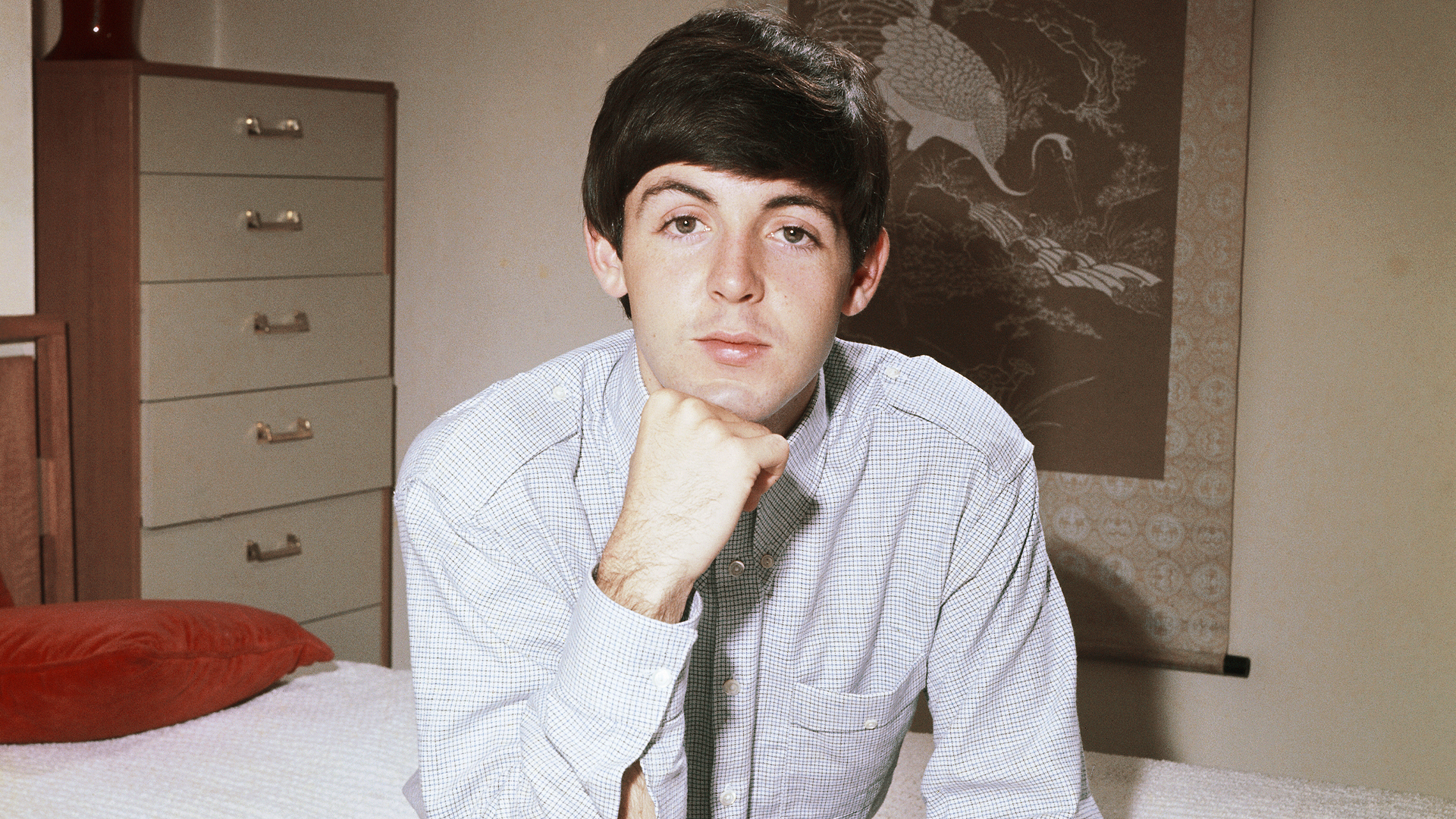
The meeting took place at Presley’s mansion in Bel Air, Los Angeles. Orchestrated by Colonel Tom Parker, the event was intended to be a summit of musical royalty. Despite the anticipation, the atmosphere was reportedly awkward at first. The Beatles, used to a certain level of frenetic energy, found the quiet, expansive nature of Presley’s home to be a stark contrast to their own chaotic lives on the road.
A Shared Language: The Bass Guitar
Amidst the initial tension of the meeting, it was the shared technical language of music that bridged the gap between the two icons. As McCartney recounted, he discovered that Presley was actively trying to learn the bass guitar. For McCartney, this provided an unexpected bridge to connect with his idol.
"I then started to identify with other bass players, to talk bass with the guys in the band," McCartney recalled. "In fact, when we met Elvis, he was trying to learn bass, so I was like, ‘You’re trying to learn bass, are you… son? Sit down, let me show you a few things.’"
This interaction shifted the dynamic from "fan meeting idol" to "musician sharing knowledge with a peer." It was a moment of vulnerability for Presley, who, despite his immense stature, was grappling with the changing tides of popular music. McCartney’s willingness to treat Presley as a fellow student of the craft allowed for a more humanizing interaction than the formal event might have otherwise permitted.
The Cultural Implications of the Beatles-Presley Encounter
The meeting between these titans of music serves as a symbolic marker in the history of 20th-century entertainment. It represented the moment when the "old guard" of rock and roll—represented by Presley—met the new wave that was fundamentally altering the music industry’s structure.
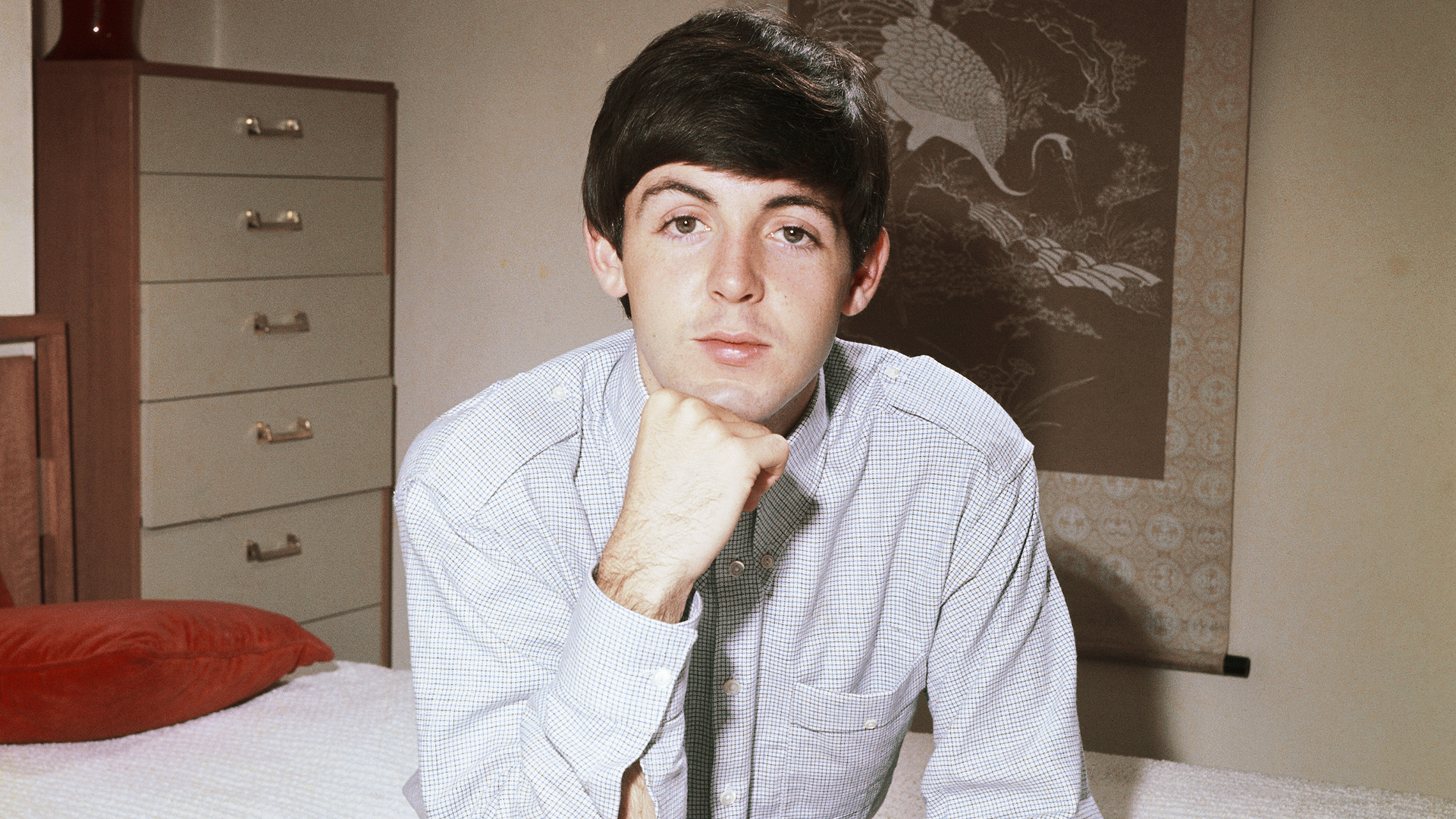
Data from the era illustrates the scale of this shift. By the summer of 1965, The Beatles had already scored multiple number-one hits in both the UK and the US, while Presley’s film soundtracks were beginning to see diminishing returns in terms of critical acclaim and cultural dominance. The meeting was, in many ways, an acknowledgment of the shifting power structure.
John Lennon, who was notoriously critical of the encounter, described it as a "damp squib," likely due to the disparity between the myth of Elvis and the reality of the quiet, slightly shy man they encountered. However, for McCartney, the meeting was a profound personal milestone. He later noted in The Beatles Anthology that he was struck by Presley’s humanity. He observed that while Presley may have felt threatened by the rapid rise of the Liverpool group, there was no overt antagonism. The Beatles, for their part, felt a deep sense of respect for the man who had laid the groundwork for their own success.
Technical Mastery and Artistic Legacy
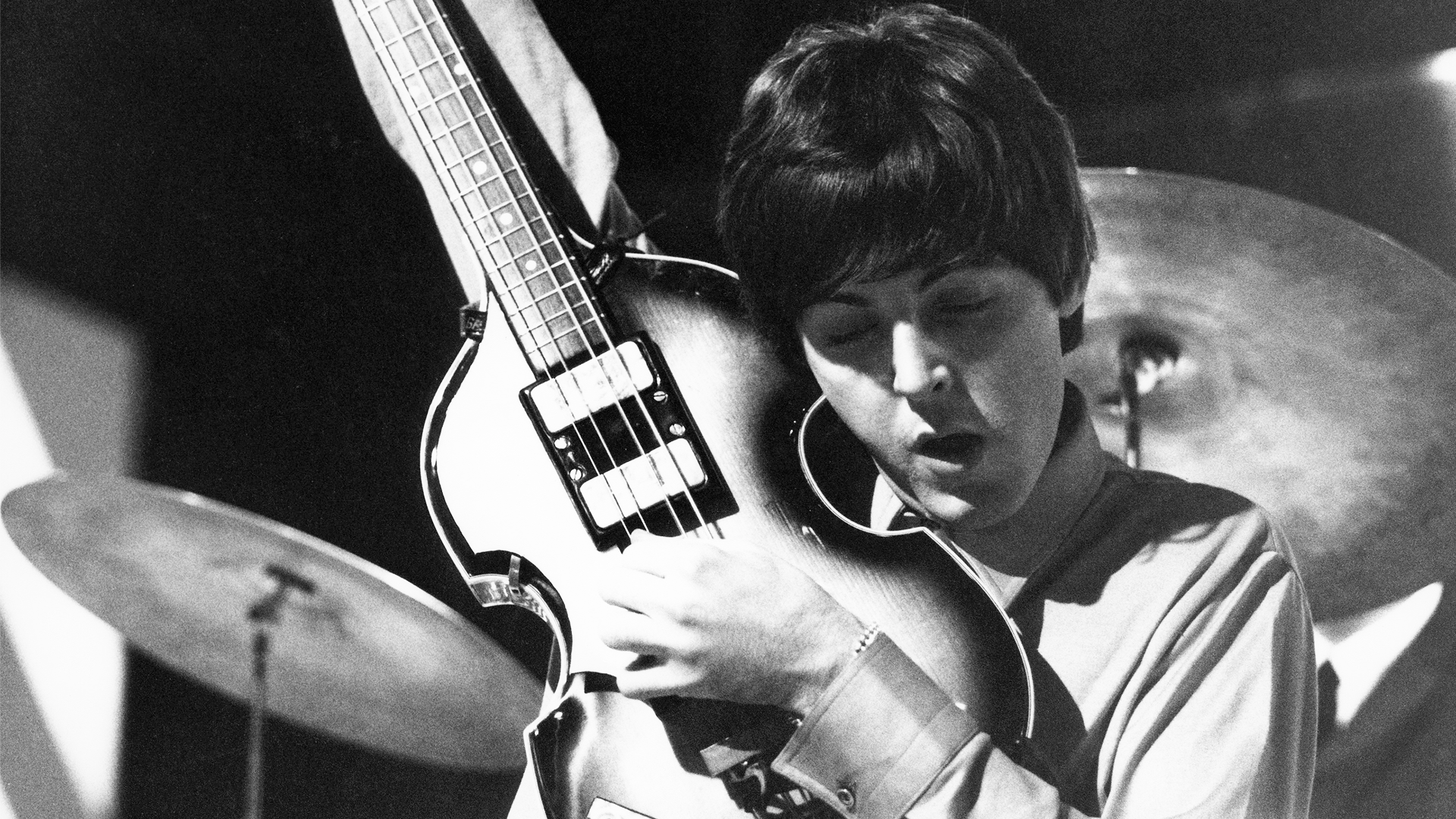
The technical evolution of McCartney’s bass playing—from the early, simple lines found in tracks like Love Me Do to the complex, melodic counterpoints in Sgt. Pepper’s Lonely Hearts Club Band—mirrors his personal growth. His use of the Höfner 500/1 violin bass became an iconic part of his visual identity, but it was his innovation in studio recording techniques that solidified his legacy.
McCartney frequently recorded his bass parts after the other instruments were laid down, allowing him to weave intricate, independent melodic lines that acted as a secondary lead guitar rather than a mere rhythmic foundation. This approach, often referred to as "melodic bass playing," changed the way bass was utilized in popular music. It turned a supportive instrument into a lead feature, influencing generations of musicians ranging from progressive rock players to modern pop producers.
The Broader Impact on Music History
The 1994 archival discussion reminds us that even for figures as legendary as Paul McCartney, the foundation of their art lies in the same basic struggles as any beginner: learning the fretboard, understanding one’s role in a band, and overcoming the initial frustration of being "lumbered" with a secondary instrument.
The significance of the 1965 meeting continues to be analyzed by historians as the definitive intersection of two eras. It was not just a meeting of individuals, but a passing of the torch. While The Beatles’ career would only last a few more years, the influence of their interaction with Presley helped bridge a gap between the rock and roll of the 1950s and the experimental pop of the late 1960s.
Chronology of Key Events
- 1961: Paul McCartney takes over bass duties for The Beatles following the departure of Stuart Sutcliffe.
- 1963-1964: The Beatles achieve global dominance; McCartney begins refining his melodic approach to the bass.
- August 1965: The Beatles meet Elvis Presley at his Bel Air residence. McCartney and Presley discuss bass techniques during an informal jam session.
- 1967: The release of Sgt. Pepper’s Lonely Hearts Club Band highlights the peak of McCartney’s innovation as a bassist.
- 1994: Tony Bacon interviews Paul McCartney for The Bass Book, providing a retrospective look at his evolution as a musician.
- 2023: The archival interview is republished, sparking renewed interest in McCartney’s early technical development.
Analysis of the "Power" Dynamic
McCartney’s insistence on the "power" of the bass player is more than just a retrospective boast; it is a fundamental truth of ensemble music. A bassist controls the frequency spectrum. By choosing when to play a note and how to articulate it, the bassist creates the "pocket" in which the rest of the band must sit.
In the context of The Beatles, this allowed McCartney to be the glue between Lennon’s rhythmic drive and Harrison’s textural lead work. By the time of the 1965 meeting with Presley, McCartney had already internalized these lessons. His confidence in explaining the bass to Presley was a testament to how far he had come from the young man who was initially reluctant to take up the instrument.
Final Reflection
The legacy of Paul McCartney is not merely built on his vocal harmonies or his songwriting prowess, but on his ability to redefine the role of the bassist. From the initial struggle of the early 60s to the quiet, dignified jam session with his idol, his journey illustrates a career defined by continuous learning. The 1994 interview remains a vital document because it strips away the myth of the superstar, revealing the working musician underneath who, through dedication and a bit of "power-mad" ambition, changed the sound of music forever.
Whether one is a fan of the early pop hits or the experimental studio work of his later years, the core of McCartney’s genius remains his commitment to the craft. As he proved in that Bel Air mansion, the most powerful position in any band is the one that anchors the others—a lesson he not only learned for himself but, in a fleeting, surreal moment, shared with the King of Rock and Roll.