Ronnie Wood and His Ammo Band bring the Fearless Tour to Amsterdam for a career-defining celebration

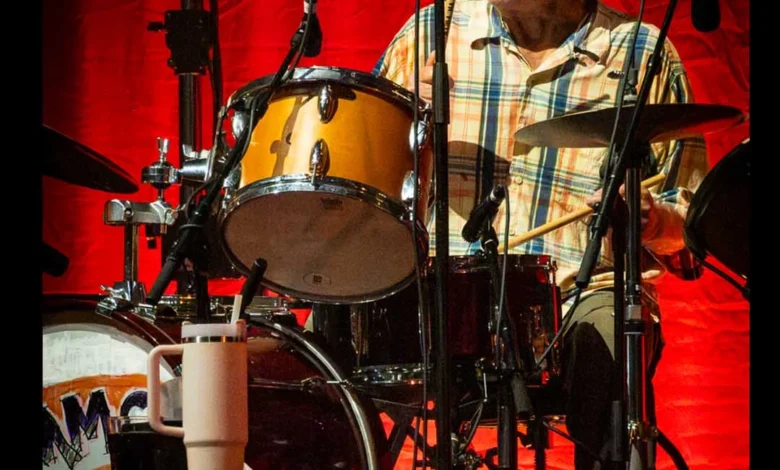
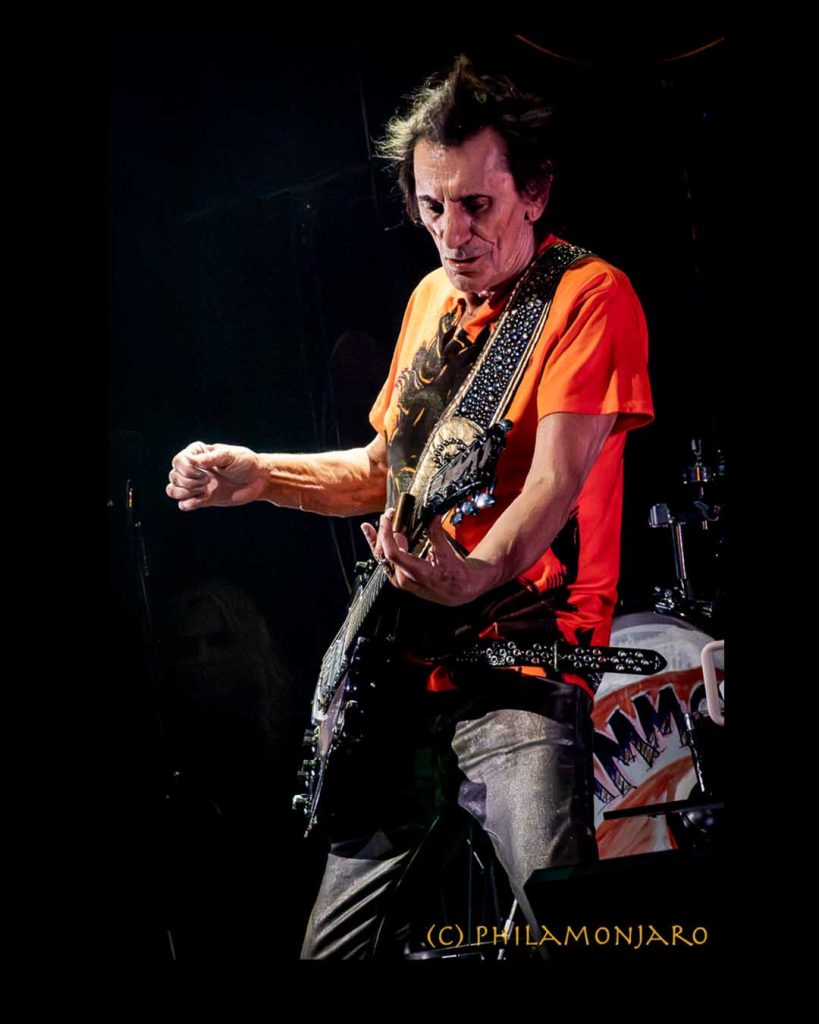
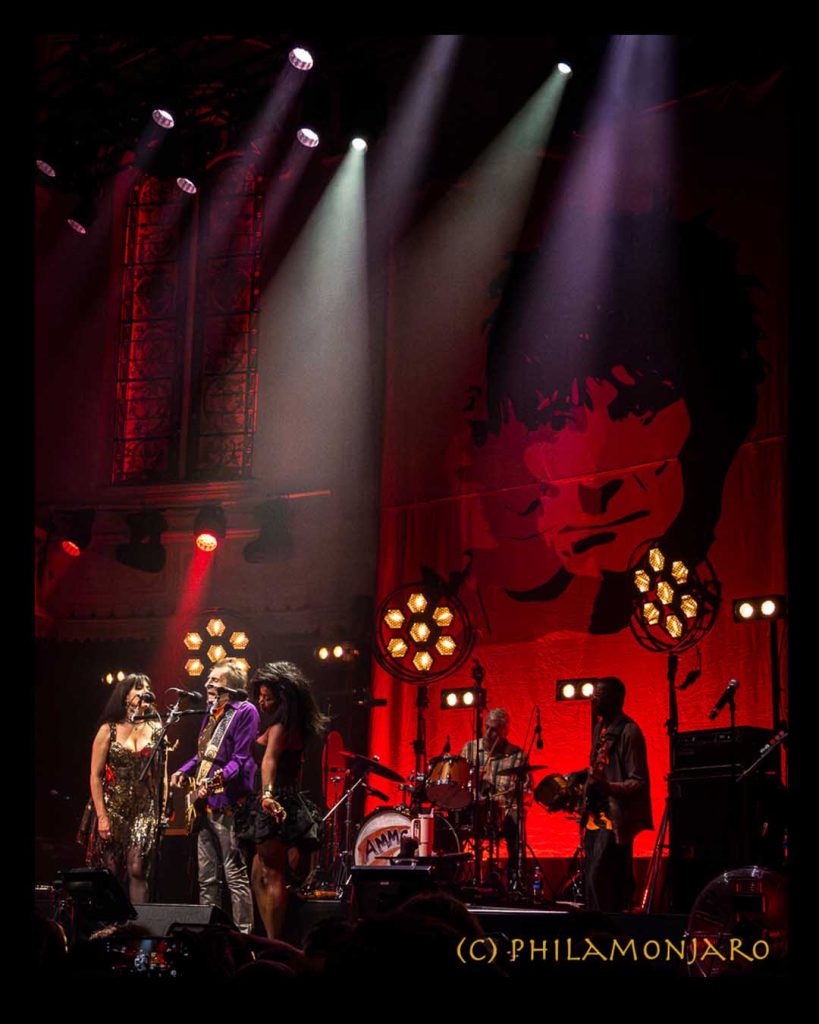
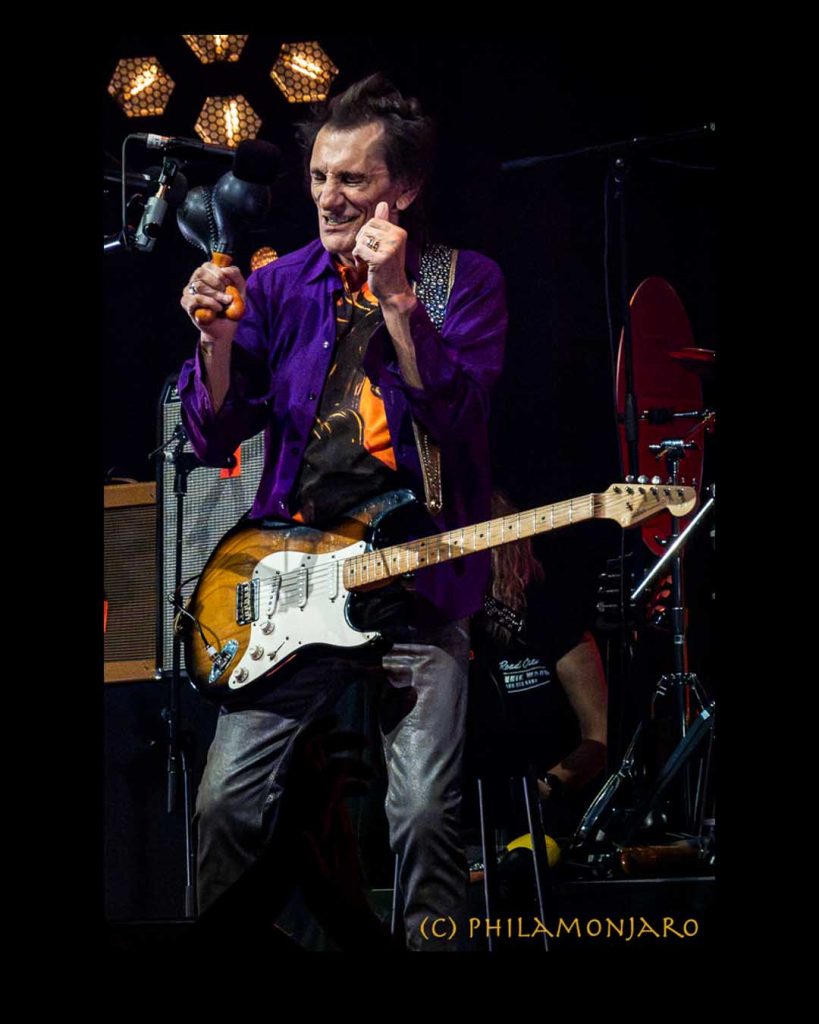
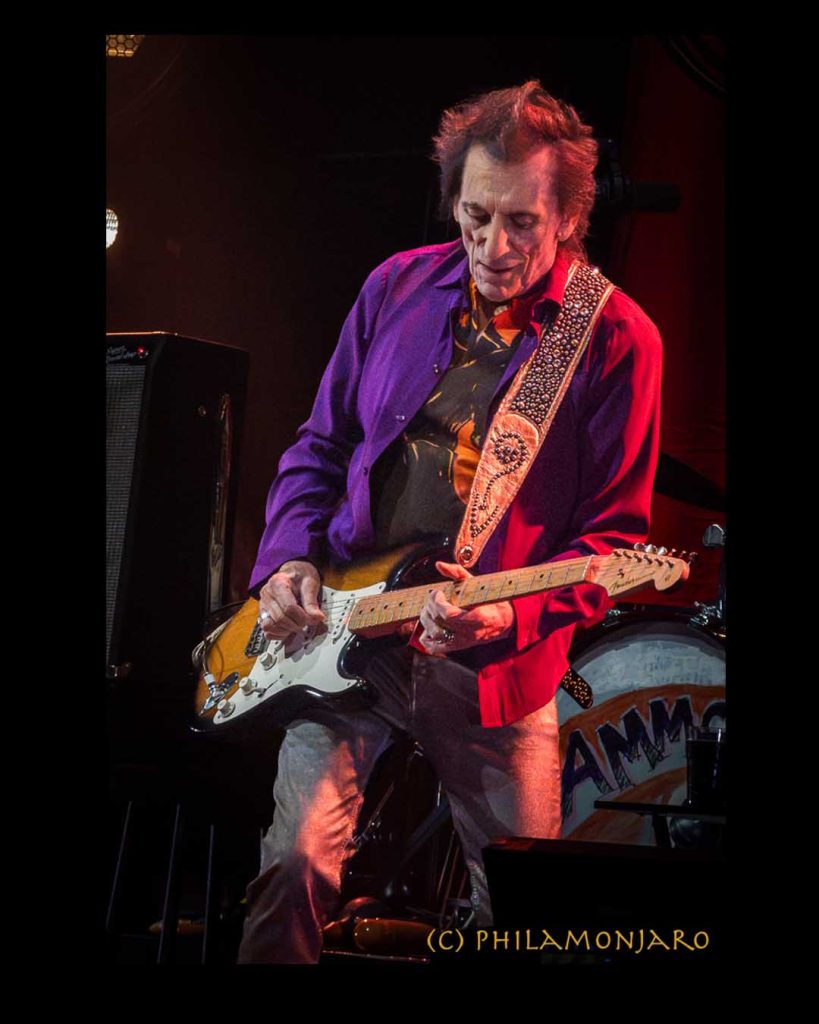
The European leg of Ronnie Wood’s "Fearless" tour arrived in Amsterdam for a two-night residency, transforming the venue into an intimate yet high-energy celebration of a career that spans over six decades. Accompanied by his formidable Ammo Band, the 79-year-old rock icon delivered a masterclass in musical versatility, drawing heavily from his 2025 Anthology—a retrospective collection that serves as the thematic backbone of this tour. The performances did more than merely revisit old hits; they traced the lineage of rock and roll history through the hands of one of its most essential architects.
A Career Spanning Six Decades of Rock History
Ronnie Wood’s influence on the landscape of modern rock is arguably unparalleled. From his early days in The Jeff Beck Group and the Faces to his decades-long tenure with The Rolling Stones, Wood has consistently occupied the role of the ultimate musical collaborator. The Amsterdam shows served as a live chronology of these contributions.
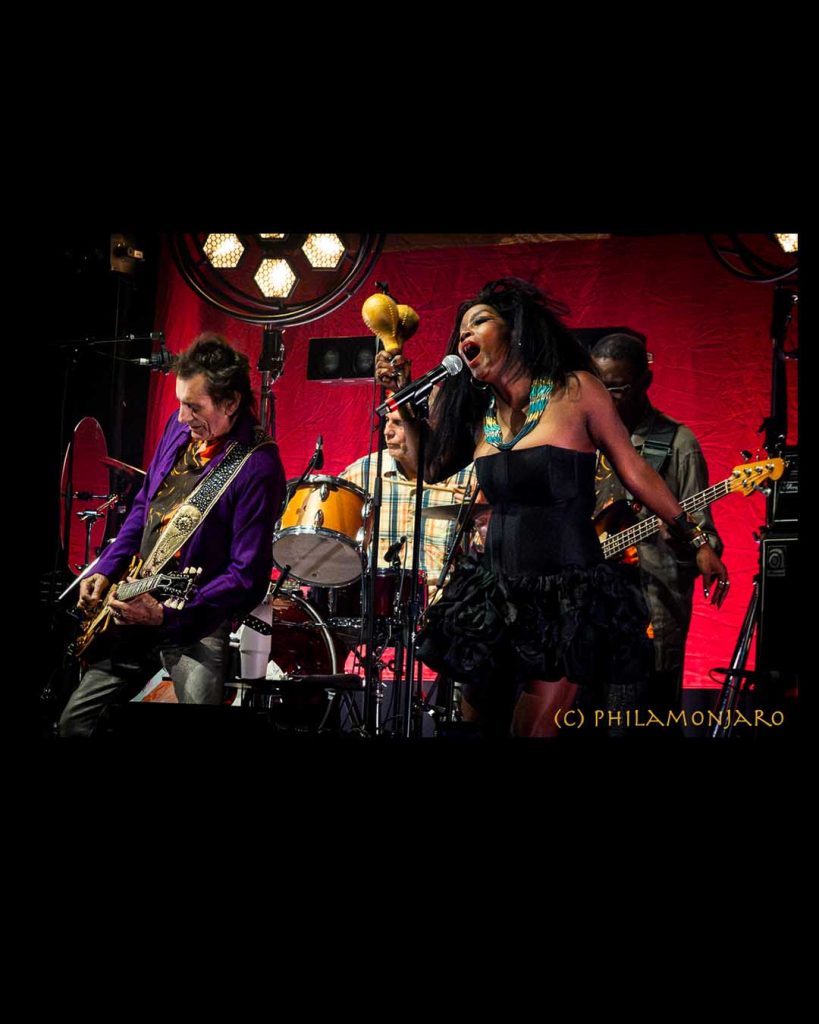
By opening with the unmistakable opening chords of "It’s Only Rock and Roll (but I like it)," Wood immediately established a sense of continuity, bridging his work with the Stones with his solo endeavors. The choice of setlist was deliberate, weaving through the blues-infused roots of the Faces era—highlighted by renditions of "Flying," "Ooh La La," "Plynth," and the seminal "Gasoline Alley"—while maintaining a steady flow of his own solo material, including "Am I Grooving You" and "Seven Days."
The Anatomy of the Ammo Band
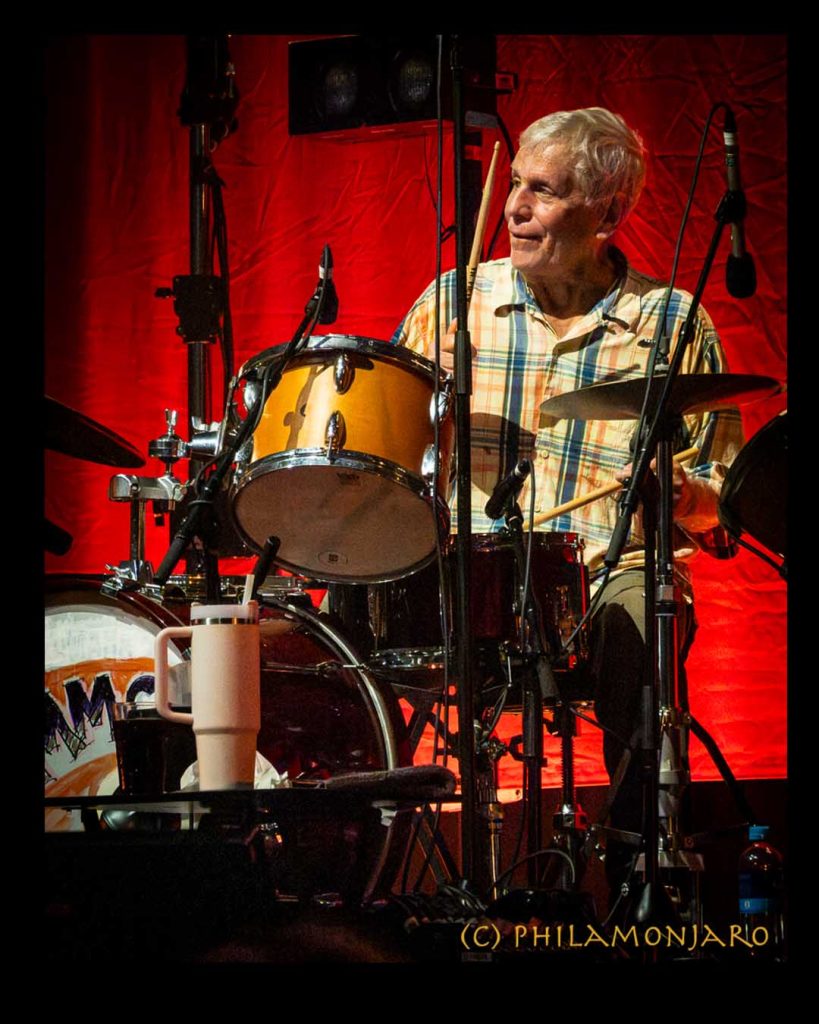
The sonic depth of these performances was anchored by the Ammo Band, a group whose collective resume reads like a who’s who of rock and blues history. The rhythm section, featuring bassist Willie Weeks and drummer Andy Newmark, provided a taut, nuanced foundation. Notably, Weeks and Newmark are the same musicians who backed Wood on his debut 1974 solo album, I’ve Got My Own Album to Do. This continuity provided a seamless, intuitive dynamic that allowed for spontaneous improvisation.
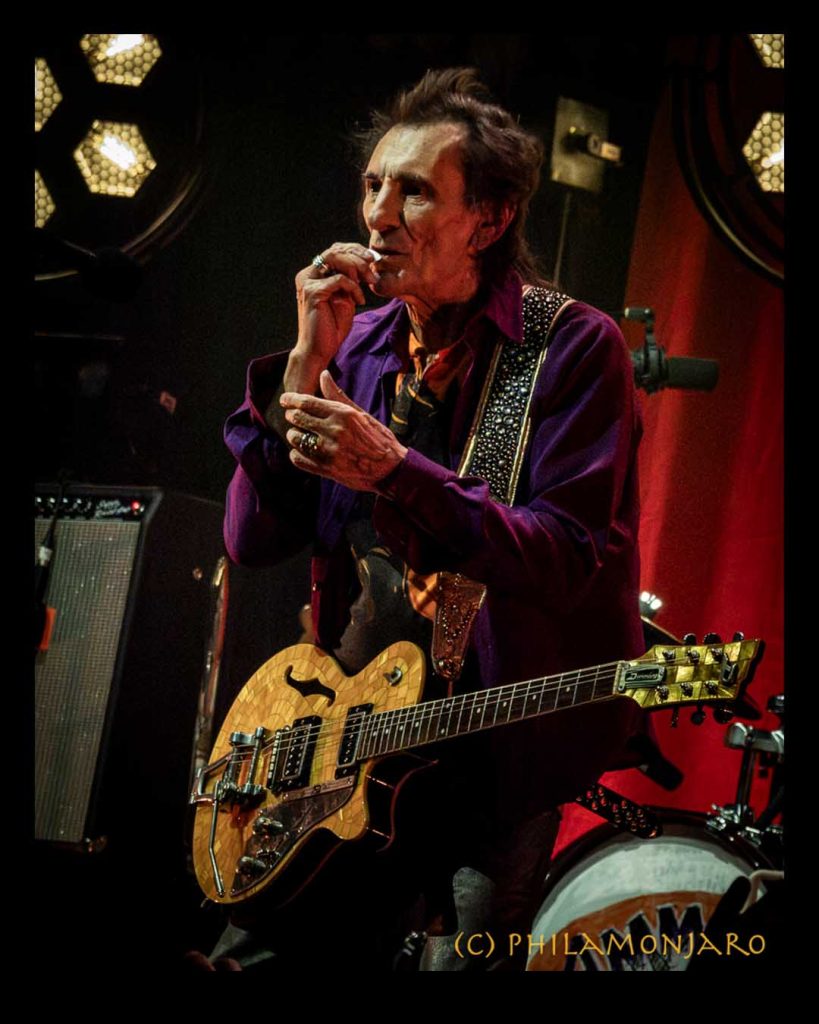
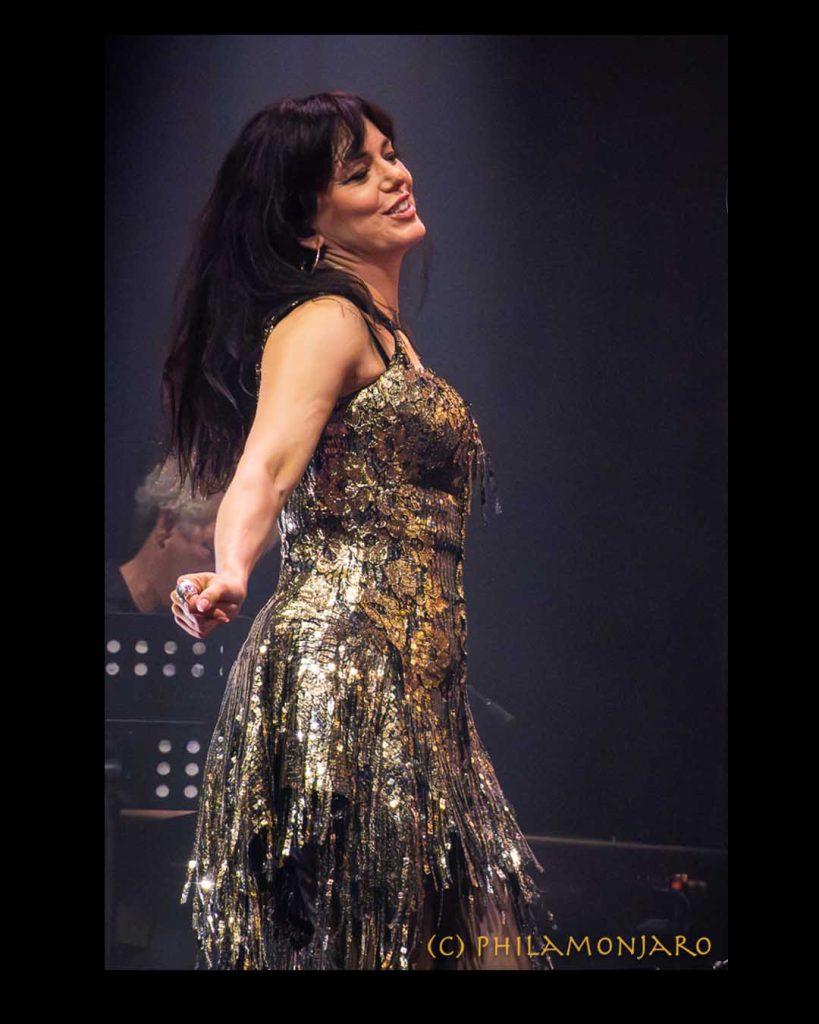
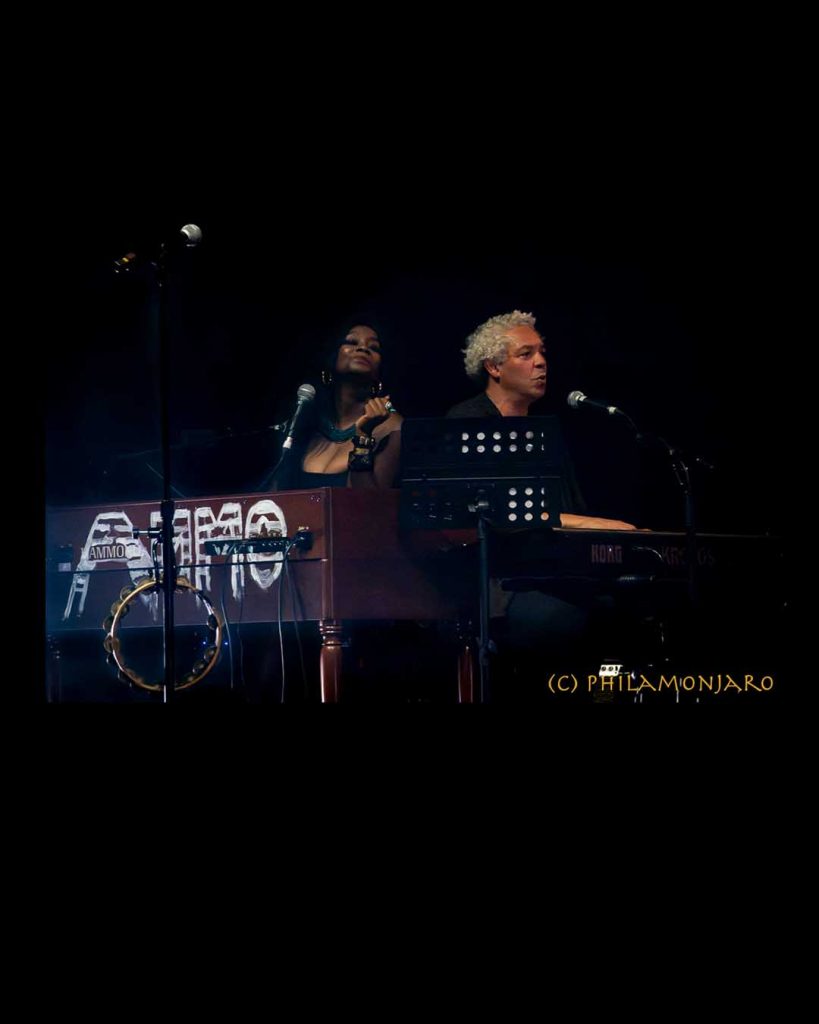
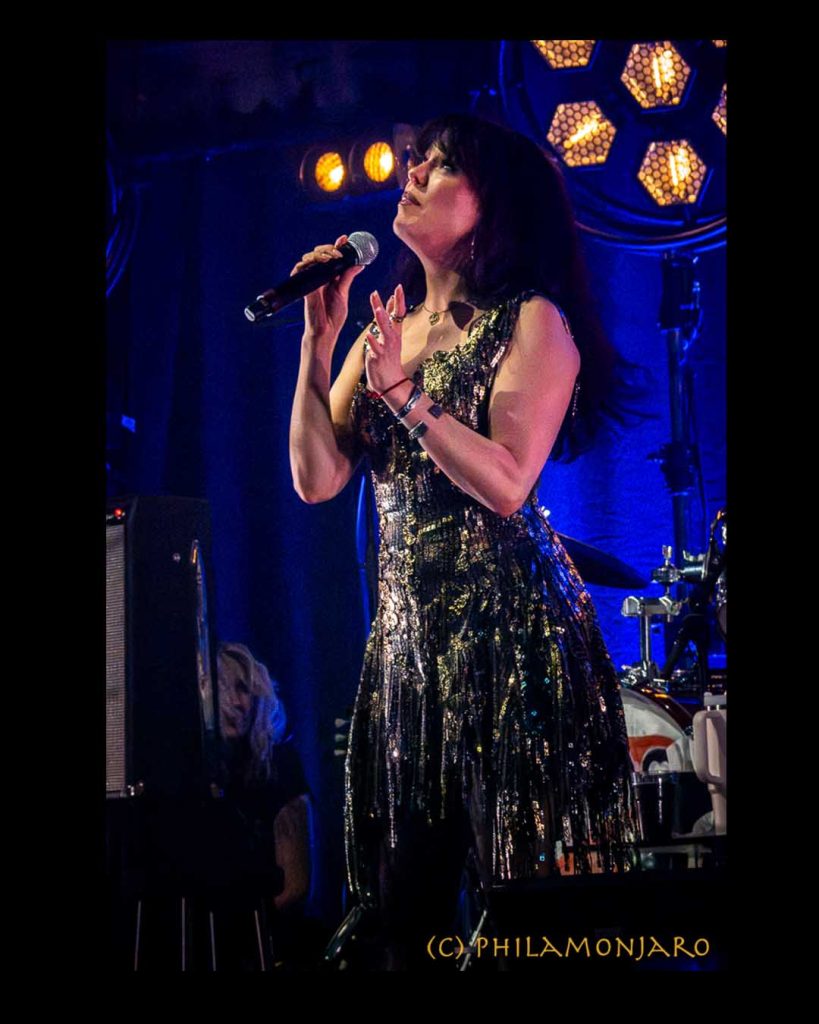
Supporting them were guitarist Johnny Lee Schell, long associated with Taj Mahal, and keyboardist Andy Wallace, a producer renowned for his technical precision. The inclusion of vocalists Imelda May and Chanel Haynes injected a contemporary, powerful energy into the set. Their vocal range added a modern texture to classic tracks, ensuring that while the music remained rooted in tradition, it did not feel stagnant or purely nostalgic.
A Multifaceted Performance: Beyond the Six-String
While Wood is primarily recognized as one of rock’s most distinct guitarists, the Amsterdam residency highlighted his multi-instrumental prowess. His occasional switch to the harmonica during "Am I Grooving You" and "Baby What You Want Me to Do" offered fans a rare, raw glimpse into his blues influences. Perhaps the most technically impressive segment of the evening was his mastery of the slide guitar during "Dust My Broom," a performance that reinforced his status as a technical virtuoso who remains as nimble at 79 as he was during the peak of the 1970s rock explosion.

The audience interaction, particularly during the communal a cappella singing of the "Gasoline Alley" chorus, underscored the emotional connection between Wood and his long-time supporters. It was a moment of collective catharsis, marking the transition from a standard concert to a shared historical event.
Chronology and Contextual Impact
The Fearless tour functions as a companion piece to the 2025 Anthology release. The project is designed to catalog the breadth of Wood’s work, much of which has often been overshadowed by his high-profile roles in stadium-filling bands.
- 1960s-1970s: Development of Wood’s signature open-tuning style and early work with The Jeff Beck Group.
- 1974: Release of his debut solo album, establishing the partnership with musicians like Willie Weeks and Andy Newmark.
- 1975: Official induction into The Rolling Stones, defining the "guitar muscle" era of the band.
- 2025: Release of the Anthology and the commencement of the "Fearless" tour, marking a focus on his individual legacy.
By highlighting deep cuts like "Black Limousine" and "Hey Negrita," Wood is actively reclaiming the narrative of his solo work, ensuring that his legacy is viewed not just through the lens of his band affiliations, but as a standalone creative force.
Broader Implications for the Music Industry
The success of these Amsterdam dates, which saw a packed house of devoted fans, indicates a sustained demand for legacy acts who are willing to reinvent their performance structures. Rather than relying on a "greatest hits" jukebox approach, Wood has curated a setlist that rewards the deep-cut enthusiast. This approach provides a blueprint for aging rock legends to remain relevant and creatively vital.
Furthermore, the integration of diverse guest vocalists and a revolving cast of seasoned musicians suggests a shift in how legacy touring is being approached in the mid-2020s. By centering the performance on the Anthology—an educational and retrospective document—Wood is treating his own discography with the same scholarly care usually reserved for archival releases, effectively preserving the technical nuances of his sound for a new generation of listeners.
Looking Ahead
As the tour prepares to move into South American territories later this fall, the lack of North American dates remains a point of speculation among his fan base. However, the momentum built in Europe suggests that the Fearless tour could expand.

The primary takeaway from the Amsterdam residency is that Ronnie Wood is not merely resting on his laurels. He is actively engaging with his own history, refining his craft, and demonstrating that the "guitar muscle" of rock and roll is still as formidable as ever. For those who attended, the experience was a testament to the longevity of the rock genre when handled with passion, precision, and an unyielding commitment to the blues roots that built the foundation of the modern musical era.
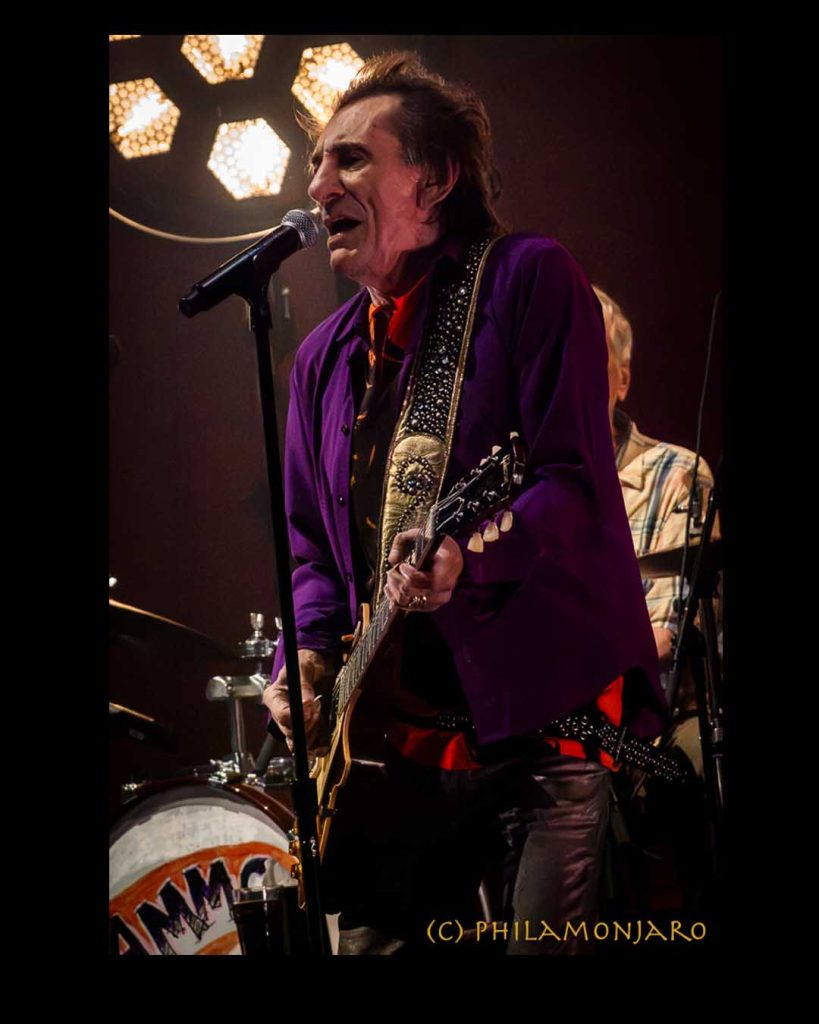
With the Fearless Anthology continuing to reach new audiences, the tour serves as a live exhibition of Wood’s contributions to the genre. Whether it is through the delicate interplay of his slide guitar or the communal energy of an arena-wide chorus, the tour reinforces a central truth: Ronnie Wood is not just a participant in rock history, he is its custodian. The Amsterdam shows were a definitive reminder that while the music may be decades old, the spirit of the performance remains, in every sense of the word, fearless.