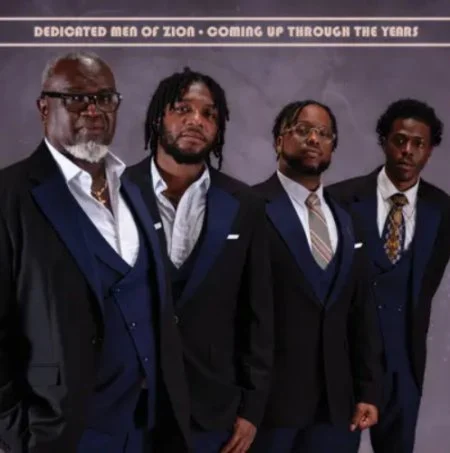
The Dedicated Men of Zion—comprising Anthony Daniels, Antwan Daniels, Tyjon Harris, and Marcus Suggs—bring a unique level of chemistry to the recording, a bond forged through their shared history as relatives by blood or marriage. This biological and domestic intimacy translates into a seamless vocal blend that is rarely achieved by groups formed through professional auditions. On this latest effort, the group continues their collaboration with the Music Maker Foundation, an organization dedicated to preserving the musical traditions of the American South by supporting the artists who embody them.
The Evolution of the Sacred Soul Tradition
To understand the impact of Coming Up Through The Years, it is necessary to examine the "Sacred Soul" movement centered in eastern North Carolina. Unlike traditional gospel, which often adheres to strict liturgical structures, Sacred Soul incorporates the driving rhythms, electric guitars, and funk-infused basslines of secular rhythm and blues. This subgenre flourished in the 1960s and 70s but remained largely localized within church communities until producers like Bruce Watson began documenting the sound for a global audience.
The Dedicated Men of Zion have become the flagship ambassadors of this sound. Their debut, Can’t Turn Me Around, established their ability to modernize traditional spirituals, while their follow-up, The Devil Don’t Like It, showcased a heavier, more blues-laden approach. Coming Up Through The Years represents the third chapter in this trilogy, refining their sound into a concise, potent delivery of message and melody. The choice to keep the album under thirty minutes reflects a modern sensibility toward "all-killer, no-filler" sequencing, ensuring that the listener’s attention never wavers from the group’s vocal prowess.
Production and Collaborative Synergy
The production credits for the album highlight a sophisticated blend of veteran talent. Jimbo Mathus, known for his work with the Squirrel Nut Zippers and his deep roots in Mississippi blues, provided nine of the songs specifically tailored for the group’s vocal ranges. Mathus also contributed extensively to the instrumental tracks, playing guitar, keyboards, and drums. Co-producer Bruce Watson, the founder of Bible & Tire Recording Co., brought his signature "Memphis sound" to the project, ensuring the recordings felt both vintage and vibrantly alive.
The backing band features a tight-knit group of session veterans who understand the nuances of the Sacred Soul aesthetic. Kirk Russell contributed drums and guitar, Scott "Paco" Goolsby provided additional guitar work, and John Kveen anchored the tracks on bass. This ensemble created a rhythmic foundation that allows the vocalists to shift effortlessly from the funky, syncopated title track to the more contemplative, atmospheric ballads.
A Track-by-Track Analysis of Coming Up Through The Years
The album opens with the title track, "Coming Up Through The Years," which sets the tone for the record. The song is a narrative of endurance, detailing the struggle to overcome life’s inevitable hardships through faith. Musically, it is driven by a funky wah-wah guitar riff that would not be out of place on a 1970s Stax Records release. The chorus is a joyous explosion of harmony, demonstrating the group’s ability to turn a testimony of struggle into a celebration of survival.

Following the opening track is "I Don’t Know Why," a soulful mid-tempo piece that explores the origins of faith. The song recounts a child’s early awareness of Jesus, delivered through a lead vocal performance that balances vulnerability with conviction. The arrangement here leans heavily into the influence of The Temptations, with the backing vocals providing a lush, velvet-like texture behind the lead.
The third track, "Jesus Is Waiting," is a classic soul ballad. The lyrical focus is on the accessibility of divine help, emphasizing that spiritual support is "standing right there for you to make up your mind." The slow-burn intensity of the track showcases the group’s control and dynamic range, proving they are as effective in quiet moments of reflection as they are in high-energy anthems.
In "Nobody’s Fault," the group pays homage to the legendary Blind Willie Johnson by adapting his "Nobody’s Fault But Mine." However, the Dedicated Men of Zion transform the haunting acoustic blues of the original into a rocking, electrified storm. Featuring swirling organ and driving guitar work, the track highlights the "bluesmen" influence mentioned in early reviews, drawing a direct line between the group and the raw power of John Lee Hooker.
"No Ways Tired" slows the pace back down with gentle guitar chords and what many critics consider the standout vocal performance of the album. The four-part harmony is exceptionally tight, with a deeply soulful lead that conveys a sense of weary but unwavering determination. This track serves as the emotional core of the album, bridging the gap between the personal and the universal.
The second half of the record introduces a shift in style with "Victory." The rhythm track here is a direct nod to the "boogie" style of John Lee Hooker, characterized by a relentless, foot-stomping beat. The lyrics—"We shall overcome one day. Keep on fighting, O Lord, we shall gain the victory"—repurpose Civil Rights-era motifs into a spiritual battle cry.
"Something Within Me" brings the listener back into the pews of a Southern church. The gospel harmonies are front and center, stripped of secular artifice to focus on the raw spiritual message. This is followed by "What You Gonna Do," where the group takes an unexpected but timely environmental and apocalyptic stance. The lyrics ask, "What you gonna do when the world is on fire? Where you gonna run? Nowhere, no place to hide." The track is an urgent call to awareness, blending social commentary with spiritual warning.
The penultimate track, "Tone Them Bells," adapts another familiar gospel motif, using the imagery of bells to signify a transition between life and the afterlife. The album then concludes with a short, acapella reprise of "No Ways Tired." This closing moment strips away the instruments entirely, leaving only the four voices of the Dedicated Men of Zion. It is a poignant reminder that, at its heart, Sacred Soul is a vocal tradition rooted in the human breath and spirit.

Broader Implications for the Music Industry
The release of Coming Up Through The Years comes at a time when the music industry is seeing a resurgence of interest in authentic, roots-based recordings. The Music Maker Foundation’s role in this cannot be overstated. By providing a platform for artists who are often overlooked by major labels, the foundation ensures that regional styles like the North Carolina Sacred Soul sound are preserved and allowed to evolve.
From a commercial perspective, the album’s brevity—just under 30 minutes—aligns with the "EP-plus" trend in the streaming era, where shorter, high-impact releases often perform better than bloated, 15-track albums. However, the quality of the production suggests that this was an artistic choice rather than a commercial one. By focusing on ten strong tracks, the group and their producers have created a cohesive listening experience that demands to be heard in a single sitting.
The crossover appeal of the Dedicated Men of Zion is also a significant factor in their success. While the lyrical content is explicitly Christian, the musical execution draws so heavily from the traditions of blues, funk, and soul that the album appeals to a broad demographic. Music critics have noted that one does not need to be an active Christian to appreciate the technical skill and emotional depth on display. Like the great gospel-to-soul crossovers of the 1960s—such as Sam Cooke or Aretha Franklin—the Dedicated Men of Zion utilize the language of faith to communicate universal human experiences of joy, suffering, and hope.
Chronology and Band Legacy
The Dedicated Men of Zion first gained national attention in 2020 with their debut release. Over the subsequent six years, they have toured extensively, bringing their "Sacred Soul" revivals to festivals and concert halls across the United States and Europe. Coming Up Through The Years represents the culmination of this period of growth.
The group’s trajectory is a testament to the enduring power of family-based musical ensembles. In the history of American music, family groups—from the Carter Family to the Staple Singers—have often been the custodians of tradition. The Daniels, Harris, and Suggs families continue this legacy, ensuring that the specific vocal techniques and rhythmic sensibilities of their North Carolina home are not lost to time.
Conclusion
Dedicated Men Of Zion Coming Up Through The Years is more than just a gospel album; it is a meticulously crafted piece of Americana. Through the expert production of Jimbo Mathus and Bruce Watson, and the unwavering support of the Music Maker Foundation, the group has delivered a record that is both a historical document and a vibrant, contemporary work of art. As the group continues to bridge the gap between the sacred and the secular, their third album stands as a definitive statement of their talent and their mission. Whether through the funky grooves of the title track or the stark beauty of the closing acapella, the Dedicated Men of Zion have once again proven that the soul of the South is alive, well, and moving forward.