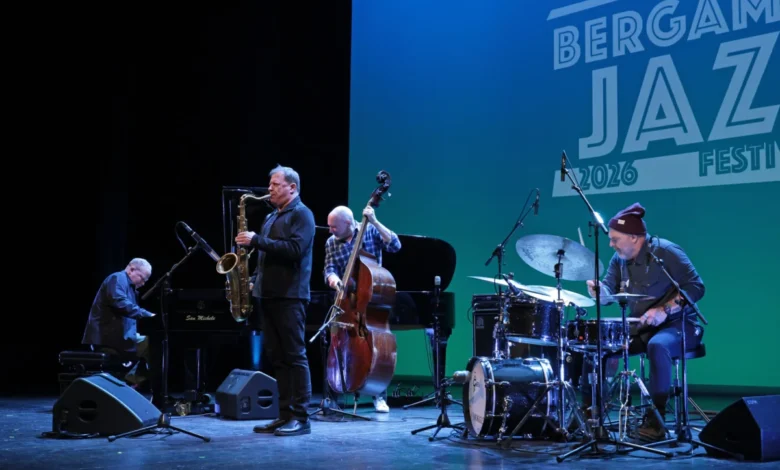
The Bergamo Jazz Festival recently concluded its 47th edition, further solidifying its reputation as a cornerstone of the European musical calendar. Held annually in the historic Lombard city, the event has long been a beacon for experimental sounds and traditional homages alike. This year’s iteration was particularly significant, as it sought to bridge the gap between the revolutionary legacies of Miles Davis and John Coltrane and the contemporary avant-garde movements that continue to redefine the genre. Under the artistic direction of world-renowned saxophonist Joe Lovano, the festival transformed the city of Bergamo into a living laboratory of improvisational music, drawing thousands of enthusiasts from across the continent to witness a program that was as intellectually rigorous as it was emotionally resonant.
The 47th edition served not only as a showcase for international stars but also as a profound reflection on the evolution of jazz in the 21st century. By centering the program around the thematic pillars of "Miles, Trane, and Beyond," the festival organizers provided a narrative thread that connected the hard-bop and modal revolutions of the 1950s and 60s to the globalized, genre-fluid sounds of today. This strategic focus allowed the audience to experience the historical weight of the jazz tradition while simultaneously exploring the "beyond"—the experimental fringes where jazz intersects with electronic, classical, and folk traditions.
A Legacy Rooted in 1969: The Chronology of Bergamo Jazz
To understand the prestige of the Bergamo Jazz Festival, one must look back to its inception in 1969. While the festival has not been held every single year due to various economic and logistical shifts over the decades, its longevity remains an anomaly in the Italian cultural landscape. It emerged during a period of intense social and artistic upheaval in Italy, a time when jazz was seen not just as entertainment but as a radical form of expression.
The festival’s timeline is a map of the genre’s own history. In the early 1970s, it became a primary destination for American legends touring Europe, hosting giants who sought an audience that appreciated the "New Thing" or avant-garde jazz. Following a brief hiatus in the 1980s, the festival was revitalized with a renewed focus on high-quality production and a more structured organizational framework. By the late 1990s and early 2000s, Bergamo Jazz had established a rotating artistic directorship model, inviting figures like Uri Caine, Paolo Fresu, and Enrico Rava to curate the lineups. This approach ensured that the festival never became stagnant, as each director brought a unique aesthetic philosophy to the Teatro Donizetti and other local venues.
The transition to Joe Lovano’s leadership marked a return to a more "unrestricted" view of the music. Lovano, whose own career has been defined by a deep respect for the masters and a restless urge to innovate, curated the 47th edition with a specific eye toward ensemble chemistry and the intersection of different cultural backgrounds. His tenure has been characterized by a move away from "star power" for its own sake, focusing instead on the conceptual integrity of the performances.
The Artistic Vision: Celebrating Miles and Trane
The decision to honor Miles Davis and John Coltrane in the 2024 program was more than a nostalgic exercise. These two figures represent the binary stars around which much of modern jazz orbits. The festival sought to explore how their respective approaches—Miles’s mastery of space, silence, and constant reinvention, and Coltrane’s relentless pursuit of spiritual and technical transcendence—continue to inform the work of modern practitioners.
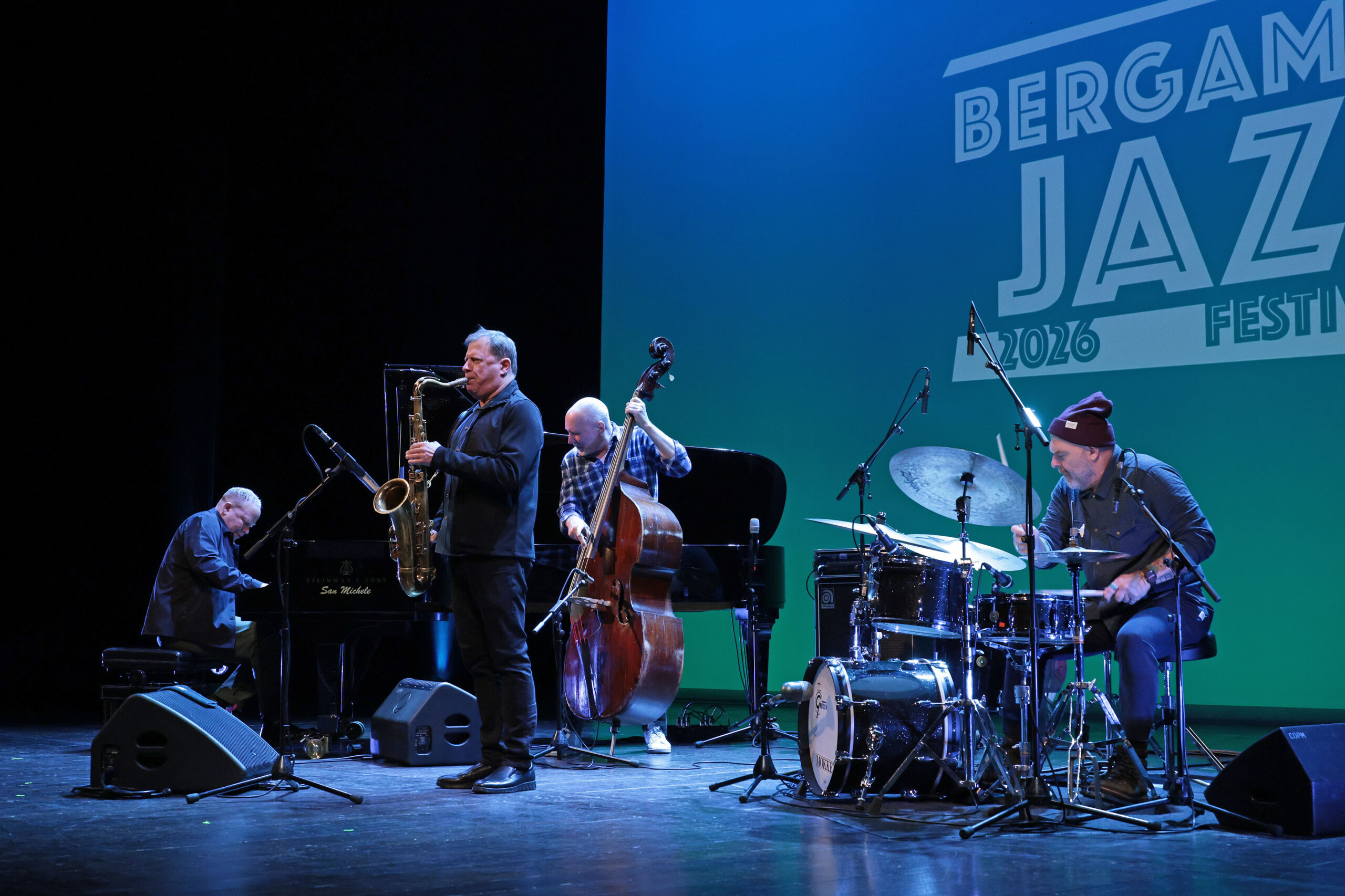
Throughout the festival, various ensembles took on the challenge of interpreting these legacies. Some chose direct tributes, reimagining the modal structures of Kind of Blue or the fiery energy of A Love Supreme. However, the most successful performances were those that captured the "spirit" of these icons without mimicking their notes. The "Beyond" portion of the theme was represented by artists who utilize the freedoms pioneered by Davis and Coltrane to forge entirely new paths. This included several world premieres and specially commissioned projects that utilized the unique acoustics of Bergamo’s historic theaters to create immersive sonic environments.
The Venues: Architecture and Sound
One of the defining characteristics of the Bergamo Jazz Festival is its integration into the city’s architectural fabric. The primary venue, the Teatro Donizetti, provides a majestic setting that elevates the music to a formal art status. Named after the famed opera composer Gaetano Donizetti, the theater’s plush interiors and traditional Italian tiers create an intimate yet grand atmosphere. For many performers, playing on this stage is a career milestone, as the acoustics demand a high level of dynamic control and nuance.
In contrast to the grandeur of the Donizetti, the festival also utilizes the Teatro Sociale, located in the "Città Alta" (Upper Town). This older part of the city, surrounded by Venetian walls, offers a medieval and Renaissance backdrop that contrasts sharply with the modernism of the jazz being performed. The walk between venues—moving from the bustling "Città Bassa" to the historic heights via the city’s funicular—is an integral part of the festival experience, allowing attendees to reflect on the music while navigating centuries of history.
Additionally, the festival expanded into non-traditional spaces, including local clubs, art galleries, and public squares. This "Jazz on the Road" initiative ensured that the music was not confined to those who could afford theater tickets, effectively democratizing the experience and fostering a sense of community engagement that is often missing from high-profile arts festivals.
Supporting Data: Impact and Attendance
The success of the 47th edition can be measured through both qualitative and quantitative lenses. Preliminary reports from the Fondazione Teatro Donizetti indicate a significant increase in international ticket sales compared to the previous five years. This surge is attributed to a targeted marketing campaign focused on the European market and the high profile of Joe Lovano.
Key statistics from the 47th edition include:
- Total Attendance: Over 10,000 visitors across four days of programming.
- Economic Influx: An estimated €1.5 million contributed to the local economy through hospitality, dining, and tourism.
- Artist Diversity: 60% of the performers were of non-Italian origin, representing 12 different countries, highlighting the festival’s global reach.
- Educational Outreach: Over 500 students participated in masterclasses and workshops led by festival performers, ensuring the legacy of the music is passed to the next generation.
These figures underscore the festival’s role as a vital economic and cultural engine for the Lombardy region. In an era where arts funding is often precarious, the consistent support from both municipal authorities and private sponsors like UBI Banca demonstrates a collective recognition of the festival’s value.

Official Responses and Critical Reception
The reaction from the jazz community and local officials has been overwhelmingly positive. In a statement released following the closing ceremony, a spokesperson for the Bergamo City Council remarked, "The 47th edition of Bergamo Jazz has once again proven that our city is a world capital for music. By welcoming artists who push the boundaries of their craft, we are not just hosting a series of concerts; we are fostering a global dialogue."
Critics have praised the balance of the programming. Writing for international jazz publications, several reviewers noted that the 2024 festival avoided the "museum-piece" trap that many long-running festivals fall into. Instead of merely celebrating the past, Bergamo Jazz was lauded for its "vibrant, living pulse." Francesco Martinelli, a noted jazz historian and frequent contributor to the festival’s documentation, emphasized that the event’s ability to remain relevant after nearly half a century is a testament to its willingness to take risks.
Broader Implications and the Future of Jazz in Italy
The Bergamo Jazz Festival serves as a microcosm of the broader Italian jazz scene, which remains one of the most sophisticated in the world. Italy has long had a unique relationship with jazz, treating it with a level of intellectual seriousness that rivals its appreciation for classical music and opera. The success of the 47th edition suggests that there is a robust, growing appetite for music that challenges the listener.
Furthermore, the festival’s emphasis on the "Beyond" highlights a crucial trend in the industry: the breakdown of traditional genre barriers. As jazz continues to absorb influences from global hip-hop, electronic music, and various folk traditions, festivals like Bergamo provide the necessary platform for these hybrids to be heard and analyzed.
Looking forward to the 48th and 49th editions, the challenge for the organizers will be to maintain this momentum while navigating an increasingly digital landscape. There are already discussions about expanding the festival’s streaming capabilities to reach a global audience that cannot travel to Lombardy. However, as the 47th edition proved, there is no substitute for the physical experience of hearing a saxophone wail in a 19th-century theater or feeling the collective silence of a rapt audience in the heart of Bergamo.
The 47th Bergamo Jazz Festival was more than a series of performances; it was a reaffirmation of the power of improvisational music to bridge the gap between history and the future. By honoring the titans of the past while providing a stage for the innovators of tomorrow, the festival ensured that the spirit of "Miles, Trane, and Beyond" remains as vital and necessary as ever.