Vicoustic’s VicShape 3D: A Fusion of Acoustic Engineering and Aesthetic Design Garners Prestigious Red Dot Award

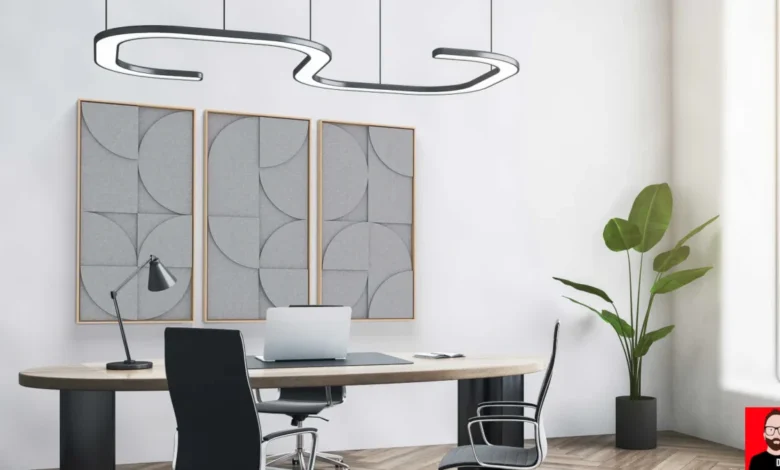
The persistent challenge in integrating acoustic treatment into residential and professional listening spaces has long been the perceived compromise between sonic performance and visual appeal. Many enthusiasts are reluctant to transform their curated environments into spaces that resemble professional recording studios. Portuguese company Vicoustic has directly addressed this dichotomy with the introduction of its VicShape 3D, a collection of framed relief art panels that ingeniously serve a dual purpose: enhancing room acoustics while simultaneously acting as decorative elements. This innovative approach was recently recognized with a prestigious Red Dot Product Design Award in 2025, underscoring its significance in the market.
Design and Material Innovation
Each VicShape 3D panel measures a substantial 1160mm in width by 595mm in height, with a discreet depth of 52mm. The panels are housed within a meticulously crafted pine frame, finished with a natural oak veneer, lending an air of sophisticated craftsmanship to the product. The sculptural surface of the panels is achieved through the strategic layering of three distinct sheets of High-Density PET. Each layer is precisely cut to a unique geometric relief pattern, creating a visually dynamic and tactile three-dimensional effect.

Beyond their aesthetic qualities, the materials used in the VicShape 3D panels are noteworthy for their environmental credentials. The PET core is manufactured from recycled plastic bottles, a commitment that aligns with growing demands for sustainable building materials and resonates with clients involved in green building projects. Vicoustic’s adherence to such standards further solidifies the product’s appeal in environmentally conscious markets.
The VicShape 3D collection is available in six distinct colorways, designed to complement a wide range of interior design schemes: Coral Haze, Glacier, Gleam, Pearl, Tornado, and Black. This variety ensures that users can select panels that not only improve their listening experience but also integrate seamlessly with their existing décor. Each panel is supplied with the necessary hardware for straightforward installation, further simplifying the integration process for consumers.
Acoustic Performance: Quantifiable Sound Improvement
While aesthetics are a primary driver for the VicShape 3D, its acoustic performance is rigorously documented, providing tangible evidence of its efficacy. The absorption data reveals a clear pattern of effectiveness across the frequency spectrum. Below 200Hz, the panels exhibit minimal absorption, a characteristic expected from a 52mm-thick absorber without an integrated air gap, which is typically crucial for low-frequency control. However, performance begins to build steadily through the midrange frequencies. By 400Hz, the absorption coefficient reaches a respectable 0.59. This upward trend continues, with the panels achieving an absorption coefficient exceeding 0.80 from 1250Hz upwards, demonstrating significant effectiveness in the mid and high-frequency ranges.

For the North American market, the published Noise Reduction Coefficient (NRC) stands at 0.65. Similarly, for European markets, the weighted sound absorption coefficient (αw) is also 0.65. These single-number summaries are critical metrics used to quantify a panel’s overall sound absorption capabilities across various frequencies; a higher number indicates greater sound absorption.
Under the European standard EN ISO 11654, acoustic absorption products are graded from Class A (most effective) to Class E (least effective). The VicShape 3D panels achieve a Class C rating. This classification accurately reflects their acoustic profile, highlighting their stronger performance in the mid and high frequencies, while acknowledging their limitations in the bass region, consistent with their physical design.
Vicoustic’s commitment to transparency is evident in their public disclosure of this detailed acoustic data. This stands in stark contrast to many other home furnishings, such as sofas or curtains, which are often cited by consumers as alternatives for acoustic treatment but rarely publish any standardized acoustic performance data. The lack of such documentation from manufacturers of these common household items means their actual acoustic contribution remains largely unquantified and unverified through rigorous testing. Vicoustic’s proactive approach in submitting its products for standardized testing and publishing the results provides consumers with reliable information to make informed decisions about their acoustic treatment strategies.

Historical Context and Market Need
The quest for improved audio reproduction within domestic environments has long been hampered by the perception that acoustic treatment is inherently unsightly. Historically, acoustic solutions have been relegated to specialized materials and designs, often associated with recording studios and post-production facilities. These solutions, while effective, seldom integrate harmoniously with the interior design of a living room, home theater, or dedicated listening space.
The emergence of brands like Vicoustic signifies a growing awareness within the audio industry of the need for products that bridge the gap between technical performance and domestic aesthetics. The Red Dot Design Award, a globally recognized mark of quality and innovation, further validates Vicoustic’s success in this endeavor. The award ceremony, typically held annually, celebrates products that demonstrate exceptional design and functionality across a wide range of categories. Winning in 2025 suggests the VicShape 3D was judged by an international panel of experts against stringent criteria for innovation, quality, functionality, and symbolic meaning.
The timeline leading up to the VicShape 3D’s development likely involved extensive research and development, focusing on material science, acoustic engineering, and industrial design. Vicoustic, known for its expertise in acoustic solutions, would have leveraged its existing knowledge base to create a product that not only performs acoustically but also offers a compelling visual proposition. The company’s previous product lines, such as the Vicoustic Flexi and Cinema Round panels, have already established a reputation for effective acoustic treatment, providing a foundation for this more aesthetically driven innovation.

Pricing and Market Positioning
The VicShape 3D panels are positioned as a premium solution in the home acoustic treatment market. A single VicShape 3D panel is priced at €427, which translates to approximately US$470. For users seeking to cover larger areas or create more complex acoustic arrangements, the VicShape 3D Duo, a pack containing two panels, is available for €855 (approximately US$940).
This pricing strategy places the VicShape 3D in a segment that caters to discerning audiophiles and interior design enthusiasts who prioritize both performance and aesthetics. While not the most budget-friendly acoustic treatment option, the price point reflects the innovative design, high-quality materials, the inclusion of framing, and the recognized award-winning status. It suggests an investment in a product that not only improves sound quality but also enhances the visual appeal of a room, offering a dual value proposition.
Broader Implications for the Audio and Design Industries
The success of Vicoustic’s VicShape 3D has significant implications for both the audio and interior design industries. For audio manufacturers and retailers, it highlights a growing market demand for products that seamlessly integrate into modern living spaces. This could encourage further innovation in acoustic solutions that are less intrusive and more aesthetically pleasing.

For interior designers and architects, the VicShape 3D demonstrates that acoustic treatment does not have to be a compromise. It offers a tangible example of how functional elements can be transformed into decorative features, blurring the lines between acoustic engineering and art. This could lead to greater collaboration between acousticians and designers, resulting in more holistic and aesthetically integrated living and working environments.
The availability of quantifiable acoustic data for visually appealing products also empowers consumers. It allows them to make informed decisions based on both performance metrics and design preferences, moving away from guesswork or reliance on unverified claims. The continued success of such products could set a new standard for acoustic treatment, where aesthetic integration is no longer an afterthought but a fundamental design consideration.
Future Outlook
Vicoustic’s VicShape 3D represents a forward-thinking approach to acoustic treatment, addressing a long-standing barrier to adoption. The Red Dot Award serves as a strong endorsement of their innovative strategy. As audio technology continues to advance and consumers become increasingly sophisticated in their demands for both performance and design, products like the VicShape 3D are likely to play an increasingly important role in shaping the future of listening environments. The company’s commitment to sustainable materials further aligns it with contemporary values, suggesting a product line that is not only acoustically sound and visually appealing but also responsible. Further research and development in this area could lead to even more advanced and integrated acoustic solutions that enhance our auditory and visual experiences simultaneously.

For those interested in learning more about the VicShape 3D and Vicoustic’s broader range of products, further information can be found on the official Vicoustic website. The company’s dedication to providing transparent acoustic data, coupled with its award-winning design, positions the VicShape 3D as a compelling option for anyone looking to optimize their listening space without sacrificing style.
Related posts: