After nearly half a decade, the small, next-gen OLED TVs I’ve been waiting for are finally here

The Evolution of Compact OLED Technology
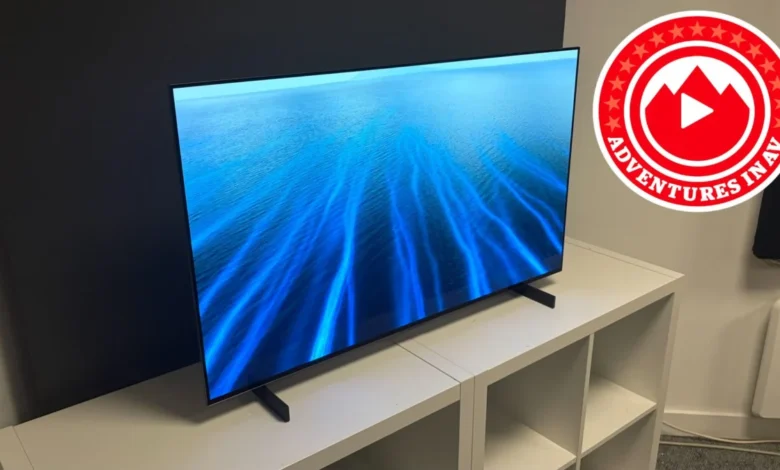
The industry’s trajectory toward smaller, high-density OLED panels began in earnest around 2022, following the introduction of the LG C2 series. For years, the market for televisions was dominated by a "bigger is better" philosophy, which often sidelined consumers who lacked the square footage for 65-inch or 77-inch panels. However, as gaming culture matured and the demand for high-fidelity PC monitors increased, manufacturers identified a gap for OLED displays in the 42-inch and 48-inch range.
Technically, these smaller panels benefit from increased pixel density—a factor often cited by display engineers as a critical component in perceived sharpness. When a 4K resolution is packed into a 42-inch frame rather than a 65-inch frame, the result is a tighter pixel pitch, leading to an image that appears more refined at close viewing distances. This specific design attribute has made these models highly sought after by competitive gamers, who require rapid response times and perfect black levels, and by audio-visual enthusiasts who desire a cinematic experience in a home office or secondary bedroom setup.
A Chronology of the Small-Screen OLED Shift
The development cycle for these panels has accelerated rapidly over the last four years. The 2022 launch of the LG C2 series served as the primary proof-of-concept for the viability of 42-inch OLEDs. Following this, the 2023 and 2024 models—the C4 and C5 lines—focused on iterative improvements to processor speed and peak brightness capabilities.
By the time the 2026 models reached the testing bench, the focus shifted from mere feasibility to refinement. The LG C6 and the Samsung S90H represent the current zenith of this design philosophy. Unlike previous iterations, which were sometimes viewed as "compromised" versions of their larger siblings, the 2026 lineup demonstrates that manufacturers have invested heavily in parity. The internal processing chips, smart features, and connectivity standards—such as HDMI 2.1 bandwidth capabilities for 4K/144Hz gaming—are now identical across the 42-inch, 48-inch, and 65-inch versions of these premium lines.
Technical Performance and Comparative Analysis
During the current testing cycle, the panel performance of the latest 42-inch and 48-inch models has been noted for its consistency. The LG C6, in particular, showcases a marked improvement in peak luminance compared to the preceding C5 series. This is largely attributed to advancements in panel cooling and power management software, which allow the OLED pixels to be driven harder without the risk of thermal degradation or permanent image retention.
Samsung’s S90H series has similarly made strides, emphasizing its proprietary QD-OLED (Quantum Dot OLED) technology in the smaller form factor. This provides a distinct advantage in color volume—the ability of a display to maintain color saturation even at high brightness levels. For a user moving between high-end console gaming and HDR (High Dynamic Range) film consumption, these attributes provide a noticeable upgrade over traditional W-OLED panels of previous generations.
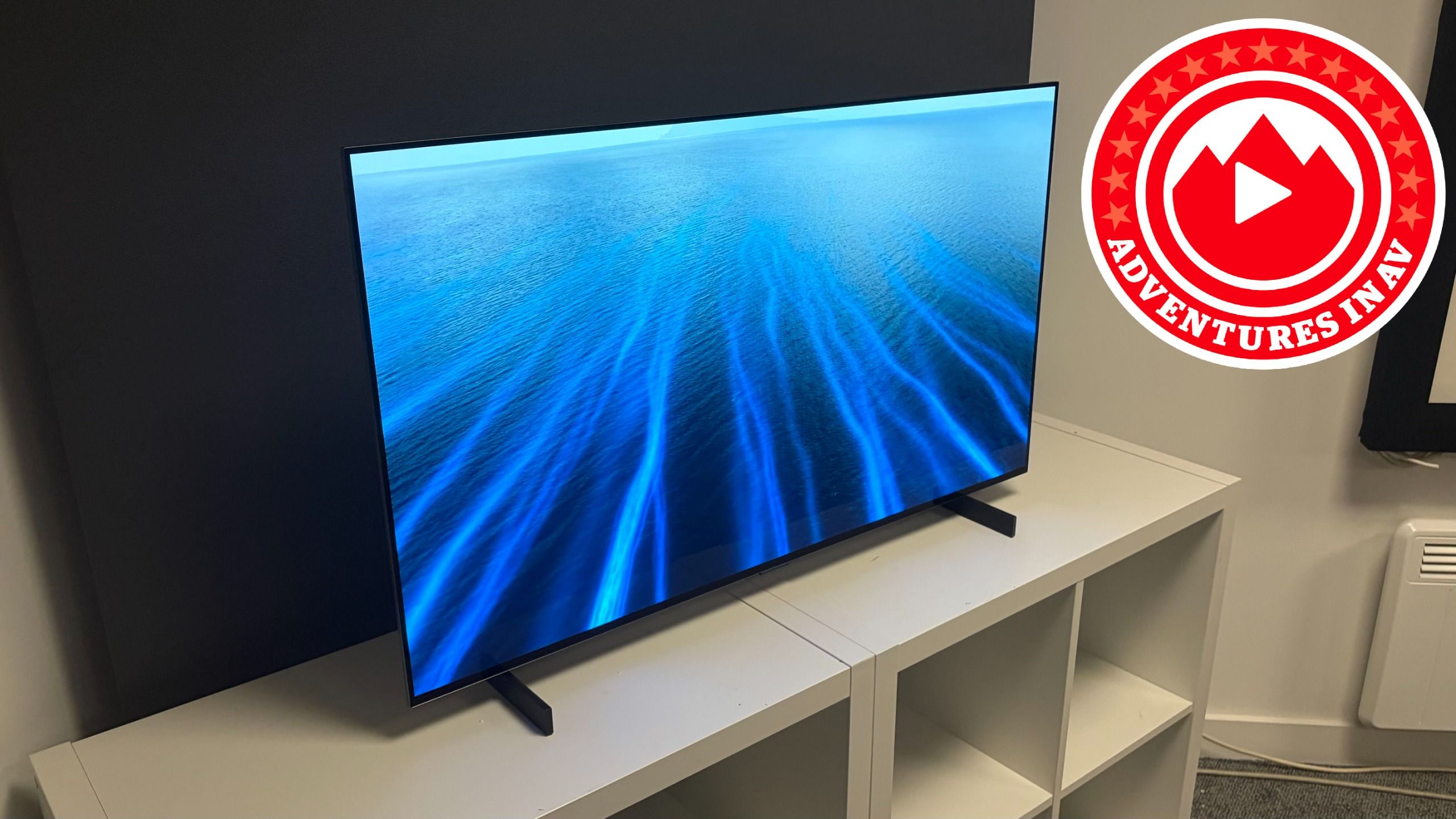
Data from recent performance benchmarks indicates that these models now offer:
- Motion Handling: Near-instantaneous response times, typically sub-0.1ms, which eliminate ghosting in fast-paced motion.
- Color Accuracy: Delta E values below 2.0 out-of-the-box, ensuring professional-grade color reproduction.
- Input Lag: Sub-10ms latency when in dedicated game modes, making them industry leaders for competitive play.
Market Implications and Consumer Trends
The maturation of the sub-55-inch OLED market has broader implications for the consumer electronics sector. Historically, a significant price gap existed between high-end monitors and entry-level televisions. As the performance of 42-inch OLED TVs has converged with that of premium PC monitors, the market has seen a shift in consumer behavior. Many buyers are opting for these TVs over dedicated gaming monitors because the televisions offer a more comprehensive feature set, including built-in high-quality upscaling, advanced audio decoding, and superior app integration for streaming services.
However, the cost remains a point of contention. Despite four years of market availability, the price floor for these premium small-format OLEDs has remained relatively high. During major retail events like Black Friday, these models are frequently the most observed items in online shopping carts, yet the "conversion rate" to actual purchase often stalls due to the persistent premium attached to the technology. Industry analysts suggest that this is a result of the manufacturing costs associated with the smaller OLED glass substrates, which are not as economically efficient to produce as the larger, standard-sized panels used in mass-market sets.
The Role of the What Hi-Fi? Awards 2026
The annual What Hi-Fi? Awards serve as a barometer for the AV industry, providing a standardized assessment of products that balance performance, value, and design. The inclusion of the 42-inch and 48-inch OLEDs in this year’s judging process is a testament to their increased relevance. By subjecting these screens to the same rigorous testing protocols as 65-inch and 77-inch flagships, the panel ensures that consumers are receiving an honest assessment of whether these smaller TVs truly offer an uncompromised experience.
The consensus among the testing team suggests that the 2026 models are not simply placeholders for larger screens; they are fully realized, premium products that define a specific category of display. Whether for a dedicated gaming setup featuring upcoming titles or for a minimalist living room configuration, these televisions are effectively bridging the gap between desktop utility and home theater performance.
Future Outlook and Gaming Integration
As the gaming industry prepares for the release of high-fidelity titles like the latest Call of Duty installment and the highly anticipated Grand Theft Auto VI, the hardware requirements for displays are only expected to increase. Modern gaming titles now rely heavily on advanced graphical features like ray tracing and variable refresh rate (VRR) synchronization. The 2026 OLED lineup is fully equipped to handle these demands, offering a level of visual fidelity that was once impossible in a compact footprint.
As the final results of the What Hi-Fi? Awards 2026 are prepared for publication, the focus remains on which of these units provides the best value-to-performance ratio. For the consumer, the takeaway is clear: the technology has finally reached a point where the choice between a large-format TV and a high-performance compact OLED is no longer a matter of missing out on features, but rather a choice of scale that fits the user’s specific environment. The coming months will likely see these models continue to dominate the premium end of the small-screen market, setting a high benchmark for the next cycle of display innovation.