Why the 2026 compact OLED TV market represents a shift in consumer home cinema standards

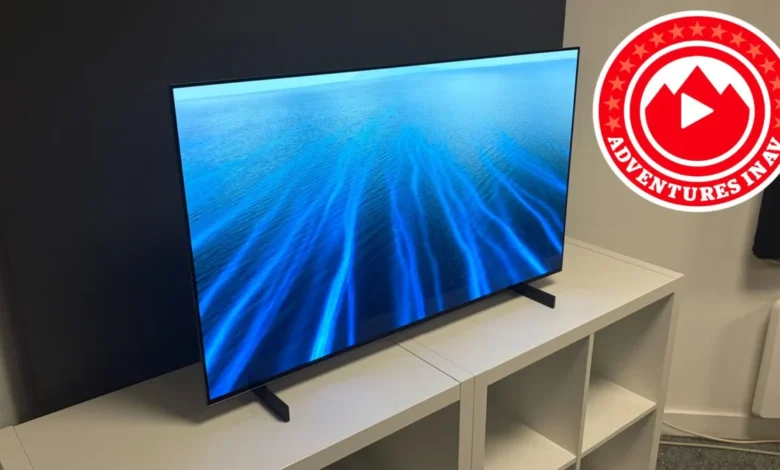
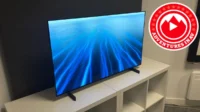
The annual judging process for the What Hi-Fi? Awards 2026 is currently underway, with a specific focus on the evolving landscape of compact OLED televisions. As industry analysts and experts finalize their recommendations, the performance of 42-inch and 48-inch panels has emerged as a significant point of order. This year’s testing phase has highlighted a distinct technological maturity in smaller-format displays, signaling a departure from the historical compromise that once defined the sub-55-inch market. For years, the industry operated under the assumption that premium OLED experiences were reserved for larger living room displays, but the 2026 product cycle suggests that high-fidelity home cinema is becoming increasingly desktop-friendly.
The Evolution of Compact OLED Technology
The trajectory of compact OLEDs can be traced back to the introduction of the LG C2 series, which served as a catalyst for the mainstream adoption of 42-inch and 48-inch OLED panels. Prior to this, consumers seeking high-end displays were often forced to choose between large-format TVs, which were impractical for small apartments or dedicated gaming desks, and traditional monitors that frequently lacked the advanced processing capabilities of their television counterparts.
Since that introduction, major manufacturers including LG, Samsung, and Panasonic have invested heavily in pixel density research. In the 2026 lineup, this investment is yielding measurable results. Smaller screens inherently possess a higher pixel density—a function of packing the same number of pixels into a smaller surface area—which enhances perceived sharpness and text clarity. During recent evaluations, these compact units have demonstrated that they no longer function as "lite" versions of flagship models. Instead, they operate as fully featured, high-performance displays that mirror the image processing, color accuracy, and motion handling of their 65-inch siblings.
Chronology of Market Shifts
To understand the current state of the market, it is necessary to examine the progression of the C-series and S-series lineups over the last four years:
- 2022: The emergence of the 42-inch OLED market segment, spearheaded by LG’s C2, provided a viable alternative for PC gamers and console enthusiasts who required high-end display technology for desktop use.
- 2023–2024: Incremental improvements in panel brightness and heat management allowed manufacturers to push the 48-inch form factor closer to the peak luminance levels seen in larger living room displays.
- 2025: The integration of advanced AI-driven upscaling and improved gaming-specific features, such as variable refresh rates (VRR) reaching 144Hz, cemented these displays as the gold standard for hybrid home entertainment.
- 2026: The current year marks the stabilization of these features. Testing reveals that the LG C6 and Samsung S90H series have achieved a level of refinement that minimizes the distinction between small-format and large-format performance.
Comparative Analysis: LG C6 vs. Samsung S90H
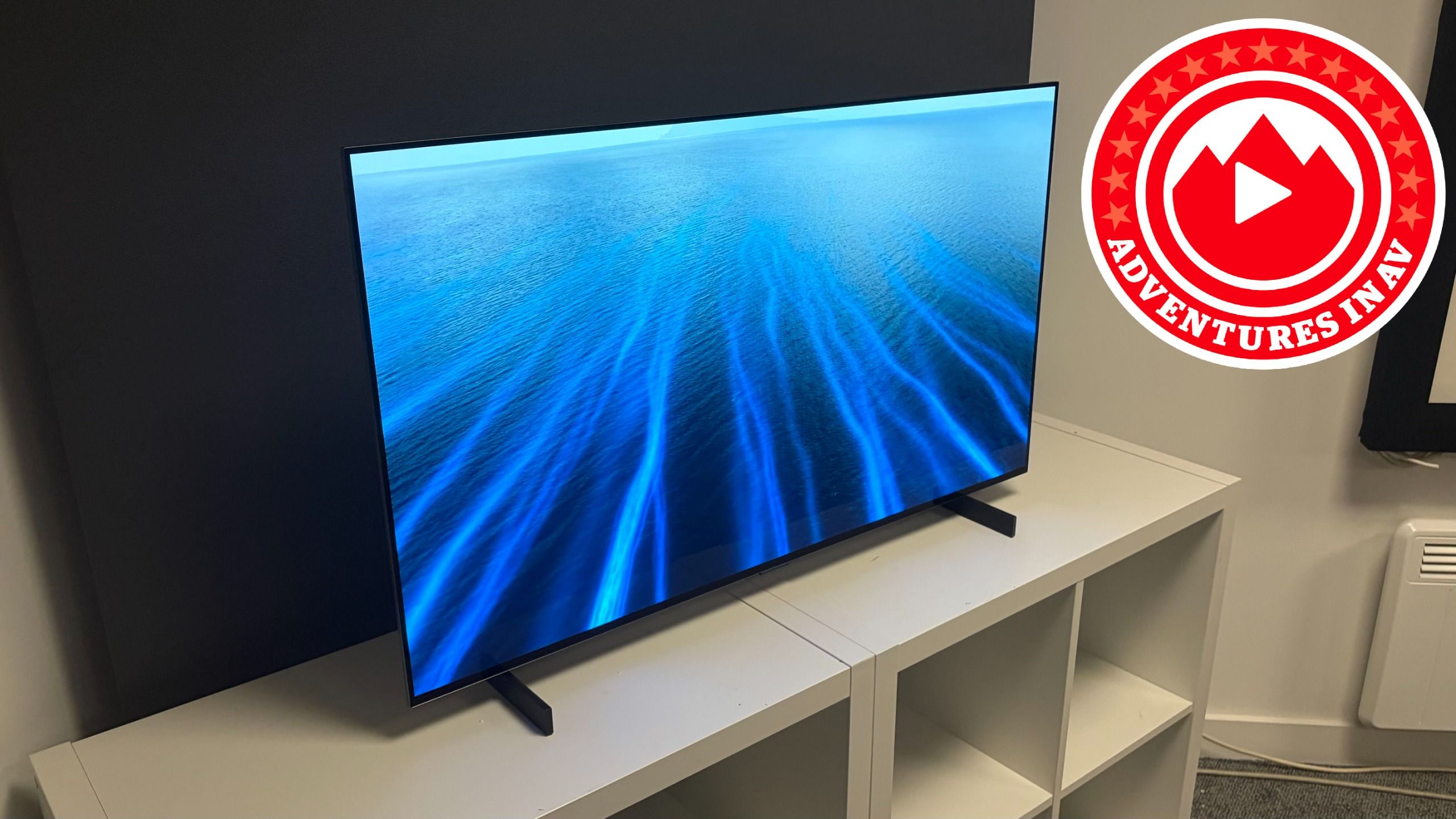
The 2026 testing cycle has put a spotlight on the competitive tension between LG and Samsung. The LG C6, having been evaluated in both 48-inch and 65-inch configurations, demonstrates a remarkable consistency in picture profile. Data collected during these sessions indicates that the C6 provides a brighter, more refined output than its predecessors, particularly in the handling of shadow detail and highlight roll-off.
Conversely, the Samsung S90H has focused heavily on color volume and contrast ratios, utilizing proprietary quantum dot OLED (QD-OLED) technology to achieve deeper blacks and higher peak brightness. From an objective standpoint, the parity between these two manufacturers is at an all-time high. The technical specifications—ranging from HDMI 2.1 bandwidth utilization to latency performance—are nearly identical, placing the burden of choice on the consumer’s preference for specific user interfaces and image-processing aesthetics rather than raw hardware capability.
Gaming and the "Up Close" User Experience
The rise of the compact OLED is inextricably linked to the demands of modern gaming. With the imminent launch of high-fidelity titles such as the next iterations of the Call of Duty and Grand Theft Auto franchises, the requirement for high-response-time displays has never been greater.
For the competitive gamer, the distance between the viewer and the screen is significantly shorter than in a traditional cinematic setting. Consequently, the advantages of OLED—specifically the near-instantaneous response time and the absence of backlight bleed—become critical performance metrics. Unlike LCD or LED panels, which may suffer from ghosting or blooming at close proximity, the self-emissive nature of OLED pixels ensures that motion remains fluid and black levels remain uniform across the entire field of vision.
Industry Implications and Future Trends
The implications of this shift are twofold. First, it forces a re-evaluation of how consumers categorize "home cinema." As these screens continue to shrink in physical footprint while growing in technical capability, the boundary between a television and a monitor is effectively dissolving. This convergence is likely to influence future hardware designs, potentially leading to more specialized, wall-mountable, or desk-integrated solutions that prioritize versatility.
Second, the economic viability of these units is stabilizing. While historically priced at a premium, the 2026 market indicates a more aggressive pricing strategy as component manufacturing costs decrease and yield rates improve. For the average consumer, this means that the barrier to entry for professional-grade display technology is lower than it has been in any of the previous four years.
Expert Outlook and Consumer Considerations
While the final results of the 2026 What Hi-Fi? Awards will provide the definitive industry verdict, the current consensus is clear: the era of the "compromised" small-screen TV has ended. Whether for a dedicated gaming setup or a compact living space, the current crop of 42- and 48-inch OLEDs offers a level of visual fidelity that was previously considered unattainable outside of a large-screen home theater.
As consumers prepare for the holiday shopping season and potential Black Friday promotions, the recommendation for those considering an upgrade is to focus on the long-term integration of these displays. With advancements in HDMI 2.1 bandwidth, support for high-refresh-rate gaming, and the maturity of OLED burn-in mitigation technologies, these units are designed to remain relevant well into the next generation of hardware.
The transition from viewing a display as a static furniture piece to a dynamic, multi-purpose tool is now complete. The 2026 models represent the culmination of years of iterative development, providing a clear pathway for users to enjoy premium visual experiences without the space constraints that previously dictated the limits of home entertainment. As the industry looks toward the next phase of innovation, it is likely that the focus will shift from simple size-based segmentation to specialized display applications, further cementing the role of the compact OLED as a cornerstone of modern digital life.