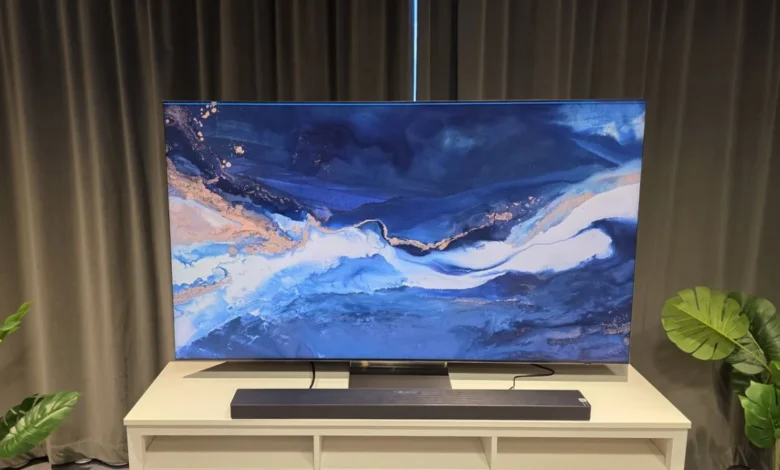
The once-hyped promise of 8K television technology appears to be losing momentum, with major manufacturers offering little to no comment on its future development. This silence, particularly in the lead-up to crucial industry events like What Hi-Fi?’s Home Cinema Week, raises significant questions about the long-term viability and consumer appeal of ultra-high-definition displays. While 8K offers a fourfold increase in resolution over 4K, delivering an astonishing 7680 x 4320 pixels (approximately 33.2 million pixels) compared to 4K’s 3840 x 2160 (around 8.3 million pixels), its adoption has been hampered by a persistent lack of native 8K content and a cooling market interest.
A Shift in Manufacturer Stance
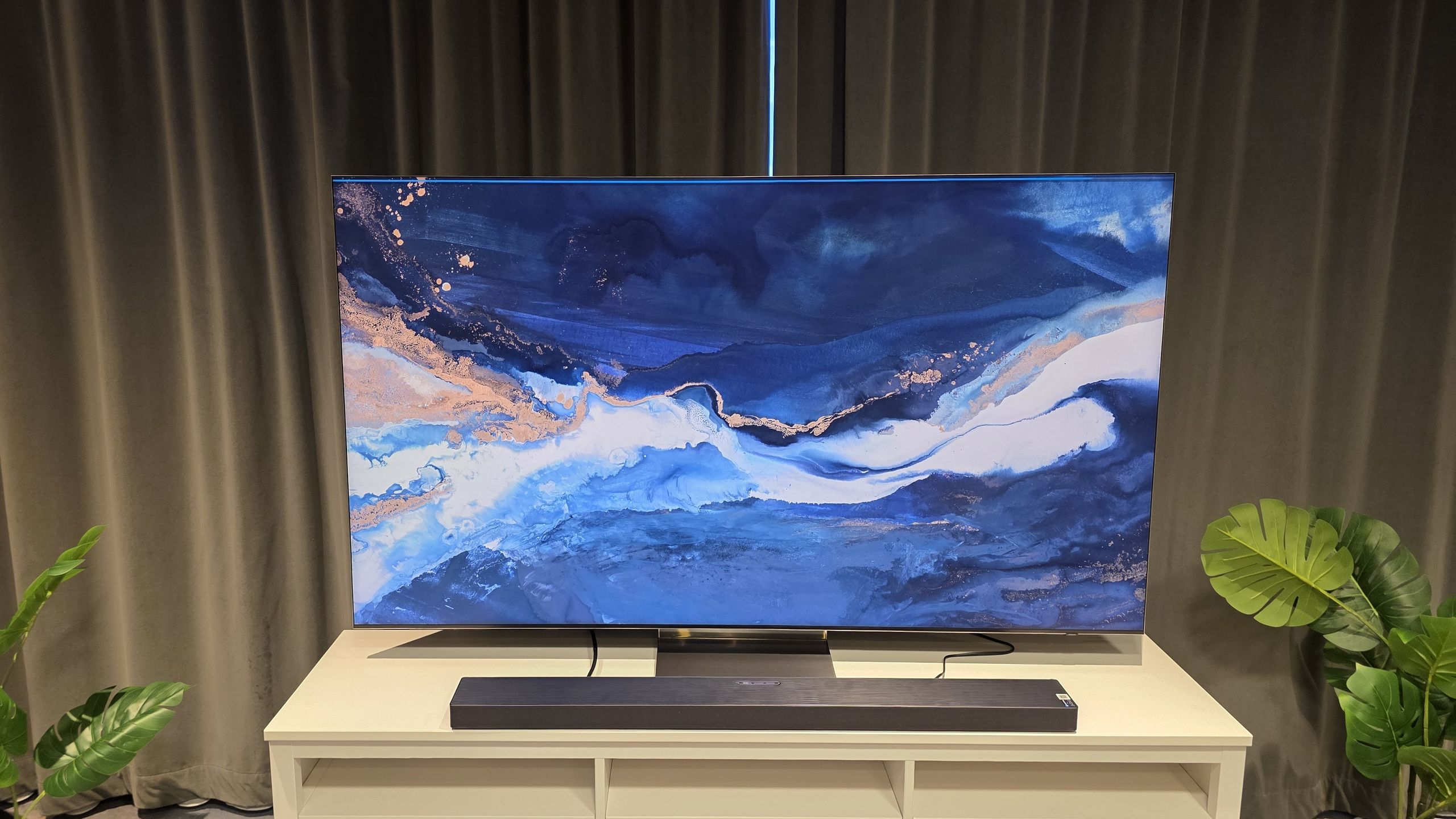
For years, industry giants like Samsung, LG, and Sony actively promoted 8K as the next frontier in home entertainment. Samsung, in particular, began championing the resolution in the early 2010s, consistently positioning it as the future of television throughout the subsequent decade. This aggressive marketing strategy led many consumers, especially early adopters and tech enthusiasts, to invest in 8K sets, viewing them as a forward-thinking, future-proof purchase. Samsung’s commitment was evident through its continuous production of 8K televisions, with models like the 2024 Samsung QN900D even receiving critical acclaim and awards, such as a five-star rating from What Hi-Fi?.
However, the landscape has shifted dramatically. When approached for insights into their 8K strategies for the current year and beyond, responses from leading companies have been notably muted. Common replies included: "We can’t comment on this," "No updates right now," and "We have no plans or updates to share for the technology." One more detailed statement acknowledged that "8K represents a significant technological milestone, its broader adoption will depend on the continued evolution of content and distribution ecosystems." This collective reticence signals a significant departure from their previous enthusiastic advocacy.
The Content Conundrum and Consumer Hesitation
The primary impediment to widespread 8K adoption has always been the scarcity of content mastered and broadcasted at the native 8K resolution. While 4K content has become ubiquitous across streaming platforms, broadcast channels, and physical media, 8K content remains a niche offering, primarily confined to select professional productions, experimental projects, and a limited number of streaming services with limited libraries. This disparity means that even the most advanced 8K televisions often rely heavily on upscaling lower-resolution content, a process that, while improving, cannot fully replicate the detail and clarity of native 8K.
This lack of content, coupled with the premium price point of 8K televisions compared to their 4K counterparts, has led to consumer hesitation. Many buyers, having invested in high-end 4K sets, are questioning the immediate need for an even higher resolution display when the content to fully utilize it is not readily available. This market sentiment is a crucial factor influencing manufacturer investment and promotional efforts.
A Look Back: The Rise and Stall of 8K
The journey of 8K television technology can be traced back several years, with initial announcements and prototypes appearing even before 4K became mainstream.
- Early 2010s: Samsung begins exploring and showcasing 8K display technology, hinting at its potential.
- 2013: The first 85-inch 8K TV is unveiled by a Japanese broadcaster, with a focus on professional and experimental applications.
- 2015-2017: More consumer-focused 8K prototypes and concepts emerge from various manufacturers at major tech trade shows like CES.
- 2018: Samsung launches its first commercially available 8K QLED TV, marking a significant step towards consumer adoption. LG and Sony also begin to enter the 8K space with their own offerings.
- 2019-2022: A period of increased 8K television production and marketing. Samsung consistently pushes the technology, while LG and Sony release their own generations of 8K OLED and Mini LED models. However, native 8K content availability remains a significant bottleneck.
- 2023: Reports emerge of LG and Sony scaling back or exiting the 8K market, leaving Samsung as the dominant player.
- 2024: While Samsung continues to produce 8K models, industry-wide silence and a focus on other display technologies suggest a cooling of enthusiasm for the ultra-high-resolution format.
This timeline illustrates a pattern of initial excitement and investment, followed by a plateauing due to fundamental market challenges, particularly content availability.
Competitors and Emerging Technologies
The apparent stagnation in the 8K market occurs at a time when other display technologies are gaining significant traction and manufacturers are focusing their research and development efforts elsewhere.
- RGB Mini LED: This technology is being heavily promoted as a potential "OLED killer," offering superior brightness and contrast without the risk of burn-in. Reviews of recent RGB Mini LED models from brands like Sony (Bravia 7 II and Bravia 9 II) indicate promising performance, suggesting this could be a key area of future innovation.
- Dolby Vision 2: The next iteration of Dolby’s dynamic HDR format is also being positioned as a crucial "future-proof" feature for new televisions. While some content is being produced in Dolby Vision 2, its widespread adoption mirrors the early challenges faced by 8K, raising concerns about whether it will become another underutilized feature.
The industry’s current focus on these and other advancements suggests a strategic reallocation of resources away from the 8K endeavor.
Implications for Consumers and the Industry
The prevailing silence from manufacturers regarding 8K TVs carries several implications:
- Diminished Consumer Confidence: For consumers who invested in 8K technology based on past marketing promises, the lack of continued support and development could lead to a loss of trust. The feeling of being sold a technology that has not met its anticipated trajectory can be frustrating.
- Market Re-evaluation: The current situation suggests that the market may not be ready for 8K television on a mass scale, or perhaps that its niche appeal is limited to a very small segment of affluent consumers. This could lead to a re-evaluation of future product roadmaps by manufacturers.
- Potential for Obsolescence: If manufacturers cease significant development and promotion of 8K, and content creators do not ramp up production, early 8K adopters may find their expensive televisions becoming less relevant over time, similar to the trajectory of early 3D or curved screen technologies.
- Samsung’s Strategic Position: With LG and Sony largely out of the 8K game, Samsung faces little direct competition in this segment. This could allow them to maintain a premium position, but it also risks isolating the technology if broader industry support does not materialize.
The situation serves as a stark reminder to consumers that marketing hype and sales pitches should be carefully considered against the backdrop of actual content availability and technological maturity. While the technical specifications of 8K are impressive, its practical benefit remains largely theoretical for the average viewer. The industry’s current reticence suggests that the dream of an 8K-dominated future may be a distant one, or perhaps even a mirage that has lost its allure. The hope remains that a significant announcement could emerge, validating the investment made by early adopters, but the current silence speaks volumes about the uncertain path ahead for ultra-high-definition television.
Related posts: