Billboard Canada Women In Music Announces Global Honorees Amidst a Week of Significant Industry Shifts

The music industry landscape is witnessing a period of intense activity, marked by high-profile award announcements, creative financial partnerships, and ongoing cultural debates regarding artistic expression. Billboard Canada has officially unveiled its latest slate of international honorees for the upcoming Billboard Canada Women In Music event, highlighting a diverse group of artists who have redefined global success through touring, songwriting, and creative independence. This announcement coincides with a notable moment in Canadian hip-hop, where veteran artist k-os has secured a major production partnership, and a public discourse involving high-profile figures regarding the intersection of performance and empowerment.
Global Icons Recognized by Billboard Canada
The forthcoming Billboard Canada Women In Music celebration will feature several marquee names, reflecting the international reach and influence of today’s top-charting talent. Cardi B has been confirmed as the recipient of the Global Woman of the Year Award, a testament to her sustained dominance in hip-hop and her impact on the global cultural zeitgeist.
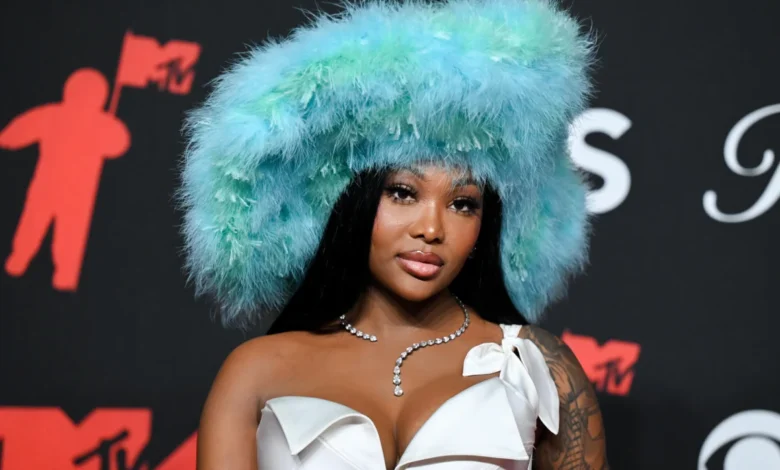
Joining her is R&B artist Summer Walker, who will be honored with the Global Visionary Award. Walker’s recognition follows an exceptionally successful year that saw the conclusion of her Over It trilogy and the launch of her debut arena-level production, the Finally Still Over It tour. The tour, which commenced in Toronto and concluded with two sold-out performances at London’s O2 Arena, serves as a case study in how modern artists can leverage digital narratives and "radical vulnerability" to cultivate a loyal, global fanbase. According to industry reports, Walker’s ability to sell out major international venues underscores a shift in how R&B artists are positioning themselves within the live entertainment sector.
Bebe Rexha, recognized for her decade-long versatility, will receive the Global Hitmaker Award. Rexha’s career trajectory, which has spanned pop, electronic, country, and R&B, serves as a blueprint for songwriters transitioning into global superstars. Her recent pivot toward creative independence—partnering with the label EMPIRE for her 2026 project Dirty Blonde—marks a significant strategic shift. By securing a No. 1 spot on the Billboard Top Dance Albums chart and committing to producing music videos for every track on her latest record, Rexha is signaling a move toward greater artistic autonomy, a trend increasingly observed among established acts seeking to move beyond traditional major-label constraints.

The Rising Star Award will be presented to Chxrry, the Scarborough-born artist whose career has accelerated significantly since becoming the first female artist signed to The Weeknd’s XO imprint. Having spent the last several years performing in both intimate clubs and massive stadium settings during The Weeknd’s After Hours Til Dawn tour, Chxrry represents the new generation of Canadian talent successfully navigating the transition from local acclaim to international touring status.
The Beaches: A Legacy of Canadian Representation
The hosting duties for this year’s event will be handled by Leandra Earl and Kylie Miller of The Beaches. Their selection is symbolic; the Toronto-based band served as last year’s Women of the Year, following a period of monumental growth. Their 2025 album, No Hard Feelings, solidified their transition into an arena-filling act, while their viral hit "Blame Brett" became a cultural phenomenon.
The band’s influence extends beyond their discography. Their "Blame Brett hop"—a choreographed stage movement that permeated social media—highlights the role of viral moments in modern music marketing. Their recognition as the inaugural recipients of the Global Force Award at the Los Angeles-based Billboard Women In Music event last year underscored a broader industry trend: the increasing viability of Canadian rock and pop acts on the global stage, provided they maintain a distinct, authentic identity.
Structural Changes in the Industry: The k-os and Drake Partnership
While the Women in Music awards focus on the evolving landscape of female artistry, the broader Canadian music industry is also seeing a resurgence of legacy talent through non-traditional funding models. The upcoming October 30 release of BLackneck, the new seven-track LP from veteran rapper k-os, has been facilitated by a direct financial and creative partnership with Drake.
This collaboration is noteworthy for its departure from standard label funding. Drake, acting as executive producer and "chief financier" through his company DreamCrew, has provided k-os with the resources typically unavailable to artists in the post-streaming era, such as funding for live orchestral arrangements. This model—where a global superstar acts as a benefactor for a peer—challenges the traditional gatekeeping mechanisms of the recording industry.

For k-os, this partnership represents a return to the creative freedom he experienced during his early tenure at major labels, but without the commercial pressures often associated with them. The project highlights a growing trend among successful artists to utilize their capital to preserve the legacies of the artists who influenced them, thereby bridging the gap between different eras of Canadian hip-hop.
The Intersection of Performance and Public Discourse
Cultural commentary remains an active component of the current music cycle, as evidenced by the recent public critique of Tate McRae’s performance at the Victoria’s Secret fashion show. McRae, who performed her latest single "Housewife," found her artistic choices questioned by public figure and activist Sophie Grégoire Trudeau.
Grégoire Trudeau’s public comment—stating that she saw "nothing empowering" in the performance and characterizing it as "falling into the mold of people pleasing"—has ignited a debate regarding the nature of empowerment in pop music. The performance, which featured a high-production, lingerie-forward aesthetic, contrasted sharply with McRae’s stated intent for the song. In interviews leading up to the release, McRae described "Housewife" as an anthem about autonomy, financial independence, and self-possession.
Data regarding the song’s performance suggest that, despite the critical discourse, the commercial appeal remains strong. "Housewife" secured 5.67 million streams in its first 24 hours, the largest streaming debut of McRae’s career, and quickly ascended to the top of the Global Spotify chart. This gap between critical reception and commercial performance reflects a recurring tension in the industry: the struggle to align personal artistic intent with the expectations of audiences and the scrutiny of public figures.
Broader Industry Implications and Outlook
The convergence of these events—awards recognition, new financial models, and public discourse on artistic intent—illustrates a music industry in transition. The success of artists like Summer Walker and Chxrry points toward a future where touring and digital presence are as vital as radio play. Meanwhile, the direct financial support from artists like Drake for projects like BLackneck suggests that the industry is becoming more decentralized, with established stars taking on roles traditionally reserved for record labels.

Furthermore, the discourse surrounding Tate McRae highlights the ongoing evolution of "empowerment" as a marketing and creative trope. As artists gain more control over their careers—whether through independent distribution or high-level production partnerships—the scrutiny regarding their artistic output is likely to intensify.
As the industry looks toward the 2026 awards season, the focus remains on how these artists leverage their platforms. Whether through the global reach of the Billboard Canada Women In Music stage, the archival preservation of Canadian hip-hop history, or the provocative nature of modern pop performance, the current state of music is defined by a shift toward self-directed careers and a desire to challenge established industry norms. These developments will likely continue to influence the trajectory of both domestic and international music for the foreseeable future, as artists navigate the complexities of fame, creative autonomy, and the public eye in a digital-first world. The upcoming months will undoubtedly provide further clarity on how these artistic and business decisions reshape the global music landscape.