The German live music sector is currently navigating a period of unprecedented volatility. While concert demand remains robust, the economic foundations of the clubs and venues that host these performances are crumbling under the weight of rising operational costs, inflation, and shifting urban development patterns. In a strategic move to address this, the Bundesstiftung LiveKultur (Federal Foundation for Live Culture) has officially launched a nationwide pilot project for the "Club Euro," an initiative designed to create a sustainable financial safety net for the industry.
The Mechanics of the Club Euro
The concept is straightforward yet structurally significant: participating clubs and venues add a one-euro surcharge to the price of concert, festival, and curated DJ-show tickets. This is not merely a revenue-generation tool for individual venues; it functions as a redistributive solidarity fund. Under the established guidelines, larger venues—which benefit from higher ticket volumes—contribute a proportionally higher share.
According to the operational framework of the Live Music Fund, the allocation of these funds is designed to prioritize regional stability while supporting national infrastructure. Eighty-five percent of the collected funds remain within the local ecosystem, providing immediate liquidity for the specific clubs that generated the revenue. The remaining 15 percent is funneled to the Bundesstiftung LiveKultur, which manages the national portion of the fund to support smaller, more vulnerable performance spaces across the country.
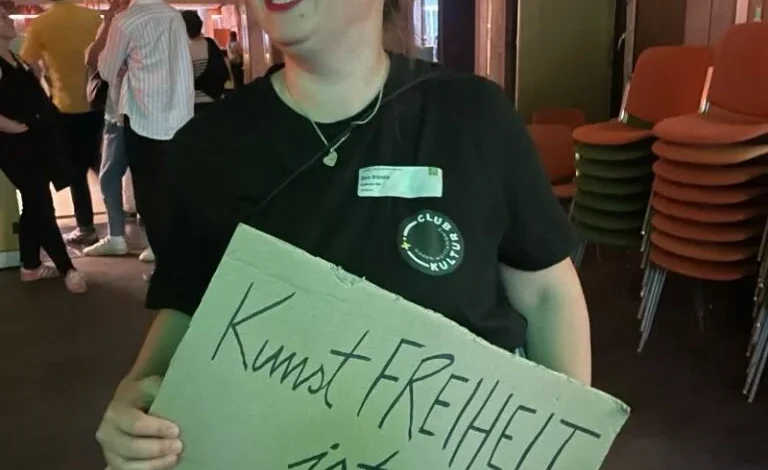
This rollout marks a major shift from a localized experiment to a federal strategy. Originally developed by the KLUBKOMM association in Cologne, the model has proven its efficacy in providing a buffer against the unpredictable financial swings inherent in the music business. Since September 1, Zora Brändle has assumed leadership of the national project, tasked with overseeing the expansion into major metropolitan hubs including Berlin, Hamburg, Munich, Frankfurt, Stuttgart, and Leipzig.
A Chronology of Crisis and Response
The necessity for this initiative did not emerge in a vacuum. The German club scene has been signaling distress for years, exacerbated by the post-pandemic recovery phase.
- 2022–2023: As energy costs and security requirements skyrocketed, industry associations began lobbying the federal government for structural support.
- Early 2024: The German Bundestag’s Scientific Service conducted an in-depth analysis of the live music sector. Their findings were pivotal: they concluded that the crisis facing clubs and grassroots music venues is structural rather than merely a result of the economic climate.
- August 2026: A landmark study by the Berlin Clubcommission revealed that even with high demand and sold-out shows, 39 percent of Berlin’s clubs are operating at a financial loss.
- September 2026: The Bundesstiftung LiveKultur, bolstered by project funding from the Initiative Musik, officially initiates the nationwide rollout of the Club Euro model.
The parliamentary report was particularly influential, as it provided the legal basis for the argument that the federal government possesses the legislative competence to implement a "live music levy," similar to the existing film funding levy (Filmförderabgabe). This has shifted the conversation from "should the state support clubs" to "how should the state support clubs."
Data-Driven Reality: Why the Model Matters
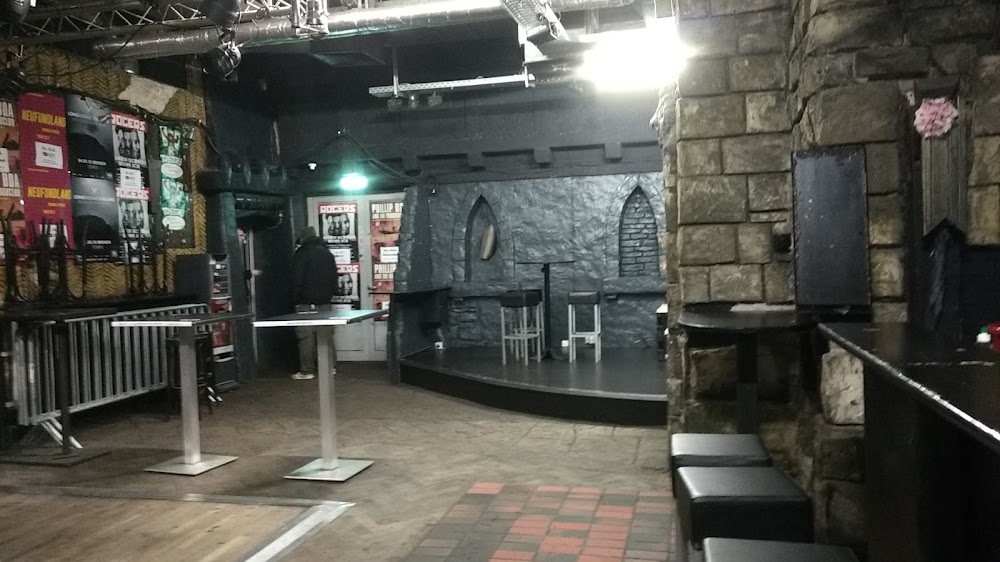
The economic reality of running a club in 2026 is paradoxical. The industry is experiencing a post-COVID "revenge travel and events" phenomenon where audiences are eager to return to nightlife. However, the overhead costs have surged. Rent increases in gentrifying urban centers, the rising cost of professional sound and lighting equipment, and the increased wage demands for staff have created a "scissors effect" where expenses outpace revenues.
The Berlin Clubcommission’s recent data offers a sobering look at this phenomenon. When 39 percent of surveyed clubs report operating in the red despite consistent attendance, it confirms that the business model itself is broken. The profit margins in the club industry have traditionally been razor-thin, relying on high turnover and consistent volume. When one of those variables is disrupted, or when external costs—such as noise protection measures or fire safety regulations—increase, the entire financial structure collapses.
The Club Euro model addresses this by essentially socializing the risk. By turning every ticket sale into a microscopic investment in the wider ecosystem, the initiative ensures that the disappearance of one small venue does not lead to a domino effect of closures.
Official Perspectives and Institutional Support
The appointment of Zora Brändle as the project lead signals a professionalization of the advocacy wing of the German music industry. Brändle’s role involves navigating the complex landscape between grassroots activism and governmental policy.
The Bundesstiftung LiveKultur has emphasized that this pilot project is intended to demonstrate that the industry is capable of self-organization. By showing that the sector can manage a solidarity fund effectively, the foundation hopes to build a track record that could eventually lead to more permanent, state-backed solutions.
Proponents of the model argue that it is a proactive measure to prevent the cultural "sterilization" of city centers. As residential development encroaches on nightlife districts, venues are forced to invest in expensive soundproofing and noise mitigation. The fund can provide the capital expenditure necessary for these improvements, which a small club could never afford on its own.
Broader Implications for the Cultural Economy
The fundamental question facing the German government is whether a voluntary model will suffice. While the Club Euro is a vital step toward sustainability, there remains a persistent debate regarding the long-term future of live music funding.
If the voluntary pilot project succeeds, it will likely be heralded as a successful example of "soft regulation"—where an industry organizes its own safety net without requiring heavy-handed government intervention. However, if the participation rates remain low or if the funds prove insufficient to stem the tide of closures, the conversation will inevitably shift back to the Bundestag’s finding regarding a mandatory levy.
A mandatory, state-enforced levy would be a game-changer. It would treat live music as a cultural good comparable to cinema, which has been supported by the Filmförderungsgesetz (Film Promotion Act) for decades. This would guarantee a constant stream of funding but would also bring increased regulatory oversight and potential bureaucracy, which many independent club operators fear.
Conclusion: A Test for the Future
The launch of the nationwide Club Euro represents a crucial juncture for the German nightlife sector. It is a pragmatic, immediate response to an existential threat. By bridging the gap between the profit-generating larger venues and the cultural incubators of the smaller clubs, the Bundesstiftung LiveKultur is attempting to safeguard the future of the nation’s musical heritage.
The coming months will be critical. The success of the pilot will be measured not just by the total euros collected, but by the number of venues that manage to achieve financial stability and the level of engagement from both the public and the club operators. As Berlin, Munich, and other major hubs implement the system, the rest of the world will be watching to see if Germany’s unique model of musical solidarity can serve as a blueprint for other urban environments struggling to keep their nightlife alive in an era of rapid economic and structural change.
Ultimately, the Club Euro is an acknowledgement that the "nightlife economy" is not just a commercial venture, but a vital part of the social and cultural infrastructure of a modern society. Whether through voluntary contribution or legislative action, the challenge of the next few years will be to ensure that the music continues to play in every corner of the country.