
The electronic music landscape in July 2026 presents a rich tapestry of reissues and groundbreaking new releases, spanning diverse subgenres from classic Berlin techno to futuristic South African dance music, introspective ambient, intricate IDM, and avant-garde Footwork. This month’s selections highlight both the enduring legacy of pivotal artists and the bold new directions being forged by contemporary innovators, offering a compelling snapshot of the global electronic music scene. From the meticulous re-mastering of a Berlin techno essential to the rhythmic explorations emanating from South Africa, Japan, London, and beyond, these releases collectively underscore the genre’s perpetual evolution and its deep roots in sonic experimentation and cultural dialogue.
Alexander Kowalski – Echoes (Cycles Music) [Reissue]
The nightlife of 1990s Berlin was profoundly shaped by a distinctive sound that extracted a functional, purist essence from Detroit Techno. This era, characterized by figures like DJ Rok, advocated for fewer melodies, less overt experimentation, and a heightened focus on hypnotic monotony. While this purist ethos defined the dancefloors, the local production community initially grappled with translating this specific aesthetic into studio output. A significant divergence emerged, with the influential Hard Wax collective exploring a dub-infused interpretation of Berlin techno, thereby moving away from Rok’s strict blueprint. In contrast, Heiko Laux, through his seminal imprint Kanzleramt, championed a purer, more direct form of Detroit-infected techno. Within Kanzleramt’s formidable roster of producers, which included luminaries such as Johannes Heil, Christian Morgenstern, and Anthony Rother, Alexander Kowalski stood out as the sole artist with deep Berliner roots, offering a unique perspective within this highly influential circle.
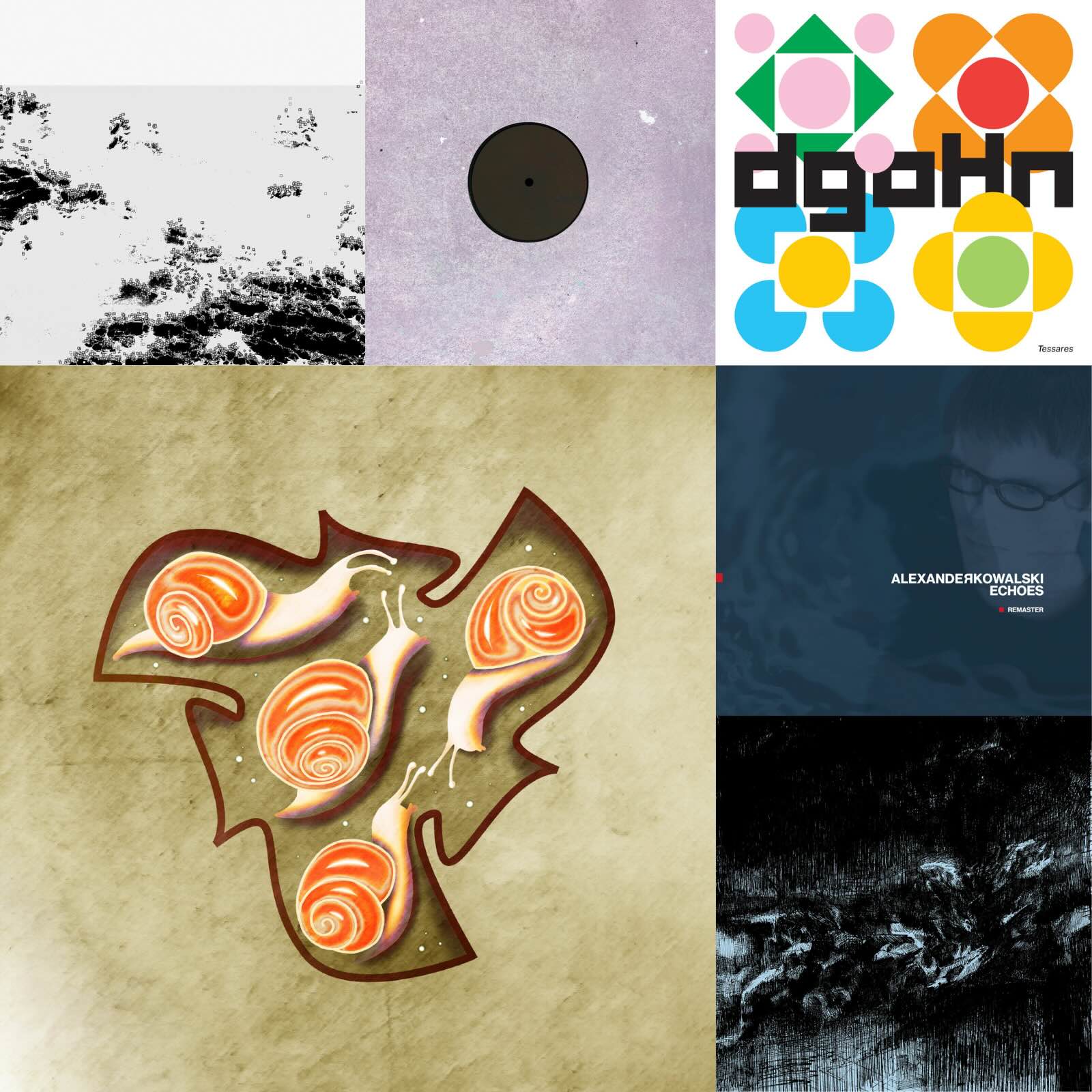
Kowalski, a distinguished figure of Berlin’s second generation of techno artists, developed a nuanced approach to sound design that consciously departed from the more austere, post-punk mood favored by Rok. His tracks are renowned for extracting unprecedented subtleties, drawing comparisons to the refined, deep grooves of artists like Funk D’Void, Agoria, and Fabrice Lig. This characteristic attention to detail and texture has become a hallmark of his extensive career, which began in the late 1990s. The newly re-mastered debut album, Echoes, released a quarter-century after its initial unveiling, remarkably retains all its original charm and potency. Its enduring appeal lies in its vibrant, inventive, and energetic synthesis of techno vocabulary, demonstrating an adventurous spirit keen on improvisation and experimentation without ever losing sight of its fundamental purpose on the dancefloor. The reissue, facilitated by Cycles Music, serves not only as a nostalgic journey but also as a vital reintroduction of a foundational work to a new generation of listeners, showcasing how truly innovative music transcends temporal boundaries and continues to inspire. The decision to re-release Echoes underscores its continued relevance and its position as a significant contribution to the broader techno canon, highlighting a period of intense creativity and definition within Berlin’s electronic music history. Its sound remains as compelling today as it was upon its original release, a testament to Kowalski’s foresight and masterful production.
Arrumar – Xa Humba (QEONE)
On Xa Humba, Arrumar achieves a rare feat: successfully translating traditional South African rhythmic complexity without resorting to conventional Western club grammar. The resulting album on the QEONE label defies the familiar frameworks of Afro House, instead presenting a futuristic, high-velocity blueprint that Arrumar himself terms Traditional Dance Music (TDM). This designation signifies a deliberate move to honor and extend indigenous rhythmic heritage rather than merely adapting it for global dancefloors.
From the outset, "Mulher Guerreira," featuring Dercia Machava, propels the listener beyond their comfort zone. The bassline pulsates intensely, soaring well over 150 BPM, while the intricate percussion seems to simultaneously precede and trail the main beat, creating a disorienting yet captivating effect. What might initially feel overwhelming soon resolves into a peculiar clarity, revealing a sophisticated rhythmic architecture. "Hamba" continues this approach, where a deeply emotional core is subtly veiled beneath a restless, high-energy surface. Indeed, Xa Humba thrives on constant shifts in tension and dynamic interplay. "Night Owl" commences with an almost ambient tranquility before abruptly plunging into a high-acceleration vortex of percussion and synthesizer textures, illustrating the album’s unpredictable nature. The album reaches an early crescendo with "Masiko," where rhythms cascade and intertwine with breathtaking speed, yet never devolve into chaos. This track, in particular, generates a powerful, undeniable pull often missing in contemporary club productions. Furthermore, these rhythms possess a remarkable elasticity; one can discern that even drastically downtempo versions would retain their inherent intensity and drive. Tracks like "Moya" and "Xintumbana" further escalate the dynamic energy, leading to "Xigubu," which dramatically shifts the entire rhythmic coordinate system. Here, broken rhythms meet traditional patterns, challenging and recalibrating established listening habits. "Meropa" subsequently opens up an almost ceremonial space, weaving together voices and spiritual call-and-response structures, before "Pula" offers the first respite, dissolving the feverish rhythmic density. Towards the album’s conclusion, Arrumar skillfully slows the pulse, maintaining tension even as the intensity gradually subsides. "Lufuno," "Vhevhula," and the expansive "Riperile" serve as a gentle recalibration for the ear after the preceding rhythmic exceptionalism. Xa Humba is not merely modernizing traditions; it is expanding them, pushing the boundaries of what electronic dance music can embody. It stands as one of the most exciting and culturally significant electronic releases of the year, signaling a powerful new voice in the global electronic music dialogue. Its innovative approach to rhythm and tradition positions it as a landmark work, challenging perceptions and inspiring future directions in electronic music.

Bot1500 – The Black Sea (Short Span)
The title, The Black Sea, might initially evoke expectations of another album conjuring a bleak or dystopian future. However, within a few tracks, it becomes clear that Bot1500’s latest offering possesses more of a "soul food" quality than any foreboding undertones. This effect, perhaps unintended as the accompanying text offers no explicit indication, contributes significantly to the pieces’ unobtrusive yet profound allure. It is this very lack of explicit intention that allows the music to resonate so authentically.
Musically, this soothing quality is achieved through meticulously reduced arrangements, devoid of any overwhelming elements, ostentation, or sonic extremes. The tracks, with the exception of the final piece, consistently maintain a tempo of 140 BPM. Yet, because the pulse is frequently defined as a halftime rhythm, the breakbeats crafted by Shinichi Kobayashi for his Bot1500 project are perceived not as rapid and frantic, but rather as measured and contemplative. Crucially, they do not "blast"; instead, the sonic palette leans towards organic sounds rendered with a medium attack intensity. Kobayashi skillfully avoids the pitfall of overemphasizing serenity – as noted, The Black Sea is not designed to be mere background ambient music. The beats make no attempt to sound authentically acoustic or to deny their inherent machine character; similarly, the sound design of the basslines and keyboards is unequivocally electronic. This intentional embrace of electronic textures, combined with arrangements focused on essential elements, culminates in a distinctive beauty. This aesthetic also resonates with one of the album’s stated inspirations: the evocative imagery of a dark, humid Japanese summer night by the sea, with a small sailboat cruising dimly in the distance. The music effectively translates this sensory experience into an auditory landscape, inviting listeners to immerse themselves in its subtle depths. The album stands as a testament to the power of understated electronic music, demonstrating how precision and restraint can yield a deeply affecting and beautiful listening experience. It serves as a gentle yet compelling reminder of the diverse expressive capabilities within electronic genres, moving beyond the overtly experimental or the purely functional.
dgoHn – Tessares (Planet Mu)

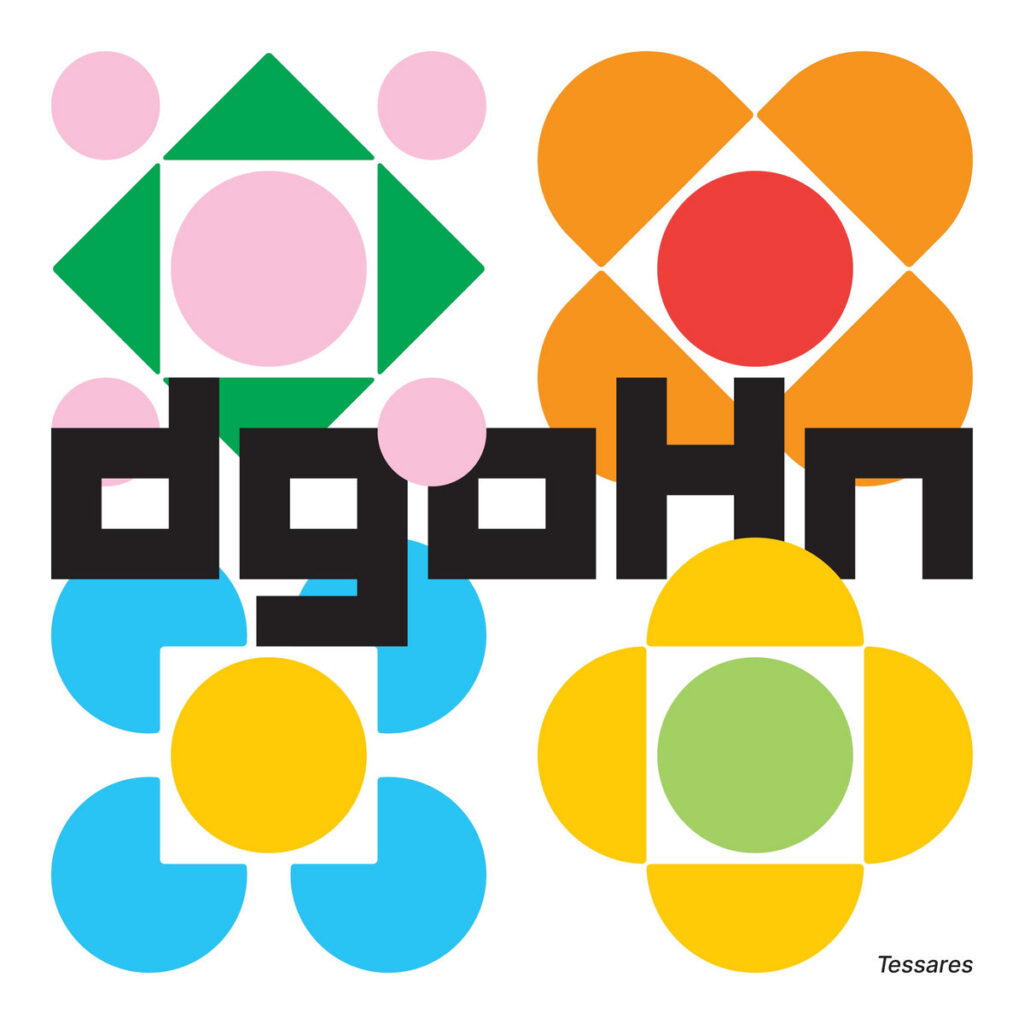
One could argue that some artists deliberately make things difficult for themselves. Take, for instance, the mysterious sequence of characters "dgoHn," which simply conceals the producer’s given name, John. John Cunnane, the London-based artist, likely considered search engine optimization when adopting this unique moniker: those who manage to recall his project name in its official spelling are quickly rewarded online. This strategic choice also minimizes the risk of missing dgoHn’s highly anticipated label debut on Planet Mu. On Tessares, dgoHn masterfully blends Drum & Bass and IDM in a subtly innovative manner that leans more towards rhythmic swing than aggressive pounding.
While he certainly utilizes rugged Amen breaks as a foundational element, he frequently integrates them with atypical supplementary drum sounds. These include the shimmering accents of ride cymbals, the intricate chatter of percussive elements, or the dynamic rolls of snare drums, creating a richer, more textured rhythmic landscape. Over these complex rhythmic structures, he occasionally introduces epic melodies imbued with a charming, almost childlike quality. Crucially, these melodic phrases are kept concise and restrained, ensuring they skirt the edge of kitsch without ever fully succumbing to it. This delicate balance is a hallmark of dgoHn’s artistry. With his judicious combination of familiar and unexpected sonic ingredients, dgoHn manages to sound both deeply traditional and refreshingly contemporary. His music respects the lineage of its influences while pushing them into new, intriguing territories. This cultivated yet untamed energy, characterized by its intricate rhythmic playfulness and melodic restraint, provides a profoundly satisfying listening experience. Planet Mu, the venerable UK label known for its adventurous curation across IDM, breakcore, and various experimental electronic genres since the mid-1990s, proves to be an ideal home for dgoHn’s eclectic sound. The label’s history of championing artists who defy easy categorization and innovate within established frameworks makes Tessares a fitting addition to its esteemed catalog. dgoHn’s debut for the label solidifies his position as a significant voice in the ongoing evolution of intelligent dance music and breakbeat culture.
Flaty X Ocurob – TRICITI (ANWO)
Three years after his last album, Evgeniy Fadeev, known professionally as Flaty, returns alongside collaborator Ocurob to present TRICITI. This eleven-track, sequenced fireworks display, released on Flaty’s own ANWO label, strikes a remarkable balance between precision and playfulness, oscillating deftly between the energetic rhythms of Juke and Footwork, all garnished with a distinctive dash of dysfunctional cyborg aesthetics. The album is a testament to the cutting edge of rhythmic electronic music, where intricate patterns and metallic textures converge.

Tension-laden polyrhythms meet seamlessly merging, dystopian-sounding metallic textures. These sounds, at times more clattering, at times more subdued, submit to their mechanical process as if protesting their fate within the rigid structures. If an uprising of machines were ever to occur, the laser staccato of "Triblast" offers a compelling sonic preview. Within this deliberately generated chaos, fine segments emerge, some feeling like sharp needle pricks on the skin, subsequently shaken by massive bass frequencies that ripple through the sonic fabric. The focused beat of "TC Ruin" ecstatically and hypnotically seizes control over the listener’s body, drawing them into its intricate web. Interspersed within the album’s intensity is a fleeting hint of euphoria in "Triextenza," which momentarily clarifies the distorted sonic vision, only for "Galvanica" to definitively pull the rug out from under the listener’s feet with its disorienting shifts.
Flaty’s ANWO label, a platform for his diverse and experimental output, provides the perfect context for TRICITI. His prior work has consistently pushed boundaries, and this collaboration with Ocurob further solidifies his reputation as an artist unafraid to explore the darker, more intricate corners of electronic sound. The album’s influences from Juke and Footwork, genres originating from Chicago and known for their rapid tempos, syncopated rhythms, and sample manipulation, are evident. However, Flaty and Ocurob infuse these styles with a unique, almost robotic sensibility, creating something that is both rooted in tradition and distinctly futuristic. TRICITI is not just an album; it is an immersive sonic experience that challenges perceptions of rhythm, melody, and machine-human interaction in electronic music. It stands as a significant release for both artists, showcasing their ability to craft complex, engaging, and utterly distinctive electronic soundscapes that resonate with both intellectual curiosity and visceral impact.
Concluding Thoughts: A Vibrant Electronic Tapestry
The July 2026 releases reviewed here collectively paint a vivid picture of the electronic music scene’s enduring vitality and expansive scope. From the timely reissue of Alexander Kowalski’s Echoes, which reminds listeners of Berlin techno’s foundational artistry and its ongoing relevance, to Arrumar’s audacious reimagining of traditional South African rhythms on Xa Humba, the month’s offerings span a broad spectrum of innovation and legacy. Bot1500’s The Black Sea offers a masterclass in understated, atmospheric electronic music, demonstrating the profound emotional depth achievable through subtle sonic craftsmanship. Meanwhile, dgoHn’s Tessares on Planet Mu skillfully bridges the gap between classic Drum & Bass and intricate IDM, proving that established genres can still yield fresh, exciting permutations. Finally, Flaty X Ocurob’s TRICITI pushes the boundaries of Footwork and Juke, delivering a futuristic, rhythmically dense experience that is both precise and playfully chaotic.
These selections, curated by Groove Magazine, underscore the crucial role of specialized music publications in highlighting diverse and impactful works within a rapidly evolving global soundscape. They reflect a healthy ecosystem where historical appreciation and forward-thinking experimentation coexist and mutually enrich each other. The releases collectively demonstrate that electronic music continues to be a dynamic force, constantly reinventing itself while honoring its rich heritage. Whether through re-mastered classics or groundbreaking new forms of traditional dance music, the artists featured this month exemplify the limitless potential of electronic sound to evoke emotion, inspire movement, and challenge conventional listening paradigms. As the industry looks towards future trends, these July 2026 releases serve as a powerful reminder of the genre’s inherent capacity for innovation and its profound connection to global cultural expressions.