Kammeroper Schloss Rheinsberg to Present Multimedia Opera Bridge Showcase Concert as Grand Finale of International Collaborative Program

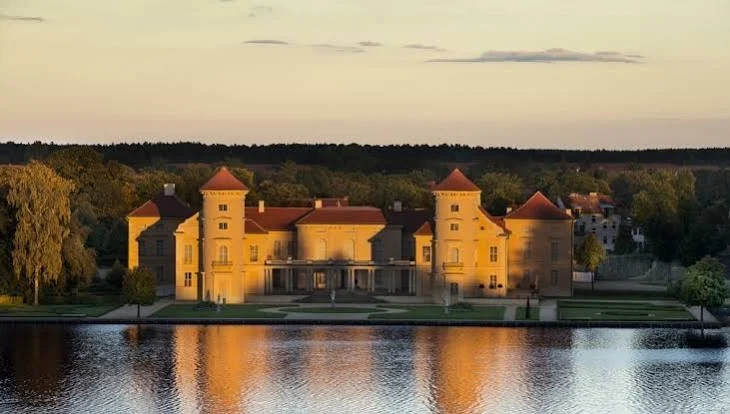
The cultural landscape of Brandenburg will serve as the backdrop for a significant milestone in European operatic training when Kammeroper Schloss Rheinsberg presents the concluding Showcase Concert of "Opera Bridge – From Early Career to the European Stage" on July 30, 2026. This performance represents the culmination of an intensive German-Irish collaboration, facilitated through the Erasmus+ program, uniting the efforts of Musikkultur Rheinsberg and Opera Collective Ireland. As the grand finale of a multifaceted residency and workshop series, the event is scheduled to take place within the framework of the prestigious Rheinsberg Summer Opera Festival 2026, an institution long recognized for its commitment to fostering the next generation of vocal talent.
The Showcase Concert is not merely a traditional recital but a sophisticated multimedia production designed to explore the intersection of classical vocal performance and modern digital artistry. Thirteen emerging singers, selected for their exceptional promise and technical proficiency, will take the stage in a performance that weaves together operatic arias, spoken word narratives, and responsive digital visuals. The program features a diverse repertoire spanning several centuries of musical history, including works by Georg Friedrich Händel, Wolfgang Amadeus Mozart, Richard Wagner, and Giacomo Puccini. This stylistic breadth allows the performers to demonstrate their versatility across the Baroque, Classical, and Romantic traditions, while also engaging with the technical demands of contemporary staging.
A Fusion of Cinematic Legacy and Digital Innovation
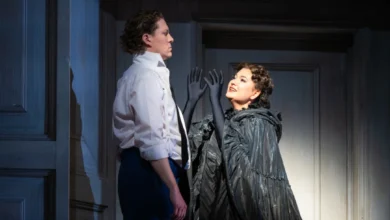
The visual identity of the performance is deeply rooted in the history of European cinema, drawing aesthetic inspiration from two landmark works: Alain Resnais’ 1961 masterpiece "Last Year at Marienbad" and Henri-Georges Clouzot’s legendary unfinished project "L’Enfer," which famously starred Romy Schneider. These cinematic influences suggest a preoccupation with memory, identity, and the blurring of reality and illusion—themes that resonate with the "Opera Bridge" project’s focus on the development of a professional persona.
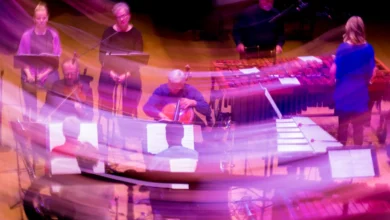
In a departure from static stage design, the production will utilize live, close-up footage of the performers, which will be digitally transformed in real time. This technological integration creates a dynamic visual dialogue between the singer’s physical presence, the pianist’s accompaniment, and the mediated image projected within the performance space. By responding directly to the music and the movements of the artists, the digital visuals serve as a "visual voice," amplifying the emotional and narrative weight of the performance. This approach reflects a broader trend in the global opera industry toward incorporating digital media to enhance storytelling and reach audiences accustomed to high-production-value visual experiences.
The Performers and Artistic Leadership
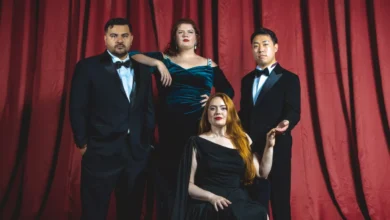
The fourteen artists at the heart of this project represent a cross-section of rising talent within the European opera circuit. The participating singers include Adam McDonagh, Anna Lena Auer, Christian Noel Bauer, Cleo Röhlig, Deirdre Higgins, Emma Power, Hyerin Park, Kirill Novokhatko, Luzia Ernst, Megan O’Neill, Janina Schweitzer, Luke Horner, and Sarah Luttrell. These individuals have been selected not only for their vocal capabilities but for their potential to navigate the complexities of a modern operatic career.
Accompanying the vocalists are pianists Felice Venanzoni and Enric Roda Beltran, both of whom bring extensive experience in collaborative piano and operatic coaching. The artistic direction of the showcase is led by Sina Schmidt, whose vision for "Opera Bridge" emphasizes the synthesis of traditional training and innovative performance practice. Under Schmidt’s guidance, the artists have worked to integrate autobiographical spoken texts into the musical program. These reflections offer the audience a rare glimpse into the psychological and professional preparations required for a career on the European stage, transforming the concert into a poignant narrative about the journey of the artist.
The Educational Framework: Bridging the Professional Gap
The "Opera Bridge" initiative was conceived as a strategic intervention to address the "gap" between formal conservatory training and the demands of the professional opera market. In recent years, the transition for young singers has become increasingly competitive, requiring a skillset that extends far beyond vocal technique. The project addresses this by pairing participants with Irish and international industry experts through a series of rigorous workshops, mentoring sessions, and masterclasses.
The curriculum for the "Opera Bridge" participants has been comprehensive, covering several key pillars of modern artistic life:
- Artistic Entrepreneurship: Training in how to manage a freelance career, including branding, financial literacy, and networking within the European house system.
- Professional Identity: Workshops focused on helping singers define their unique artistic voice and navigate the psychological pressures of the industry.
- Camera Acting: Recognizing the increasing importance of filmed auditions and live-streamed performances, this module provided specialized training for performing in front of a lens.
- Musical Coaching and Performance Development: Intensive sessions with renowned coaches to refine repertoire and explore collaborative performance techniques.
By providing this holistic support, the program aims to equip these thirteen artists with the tools necessary to sustain long-term careers in a rapidly evolving cultural economy.
Historical Context and Institutional Collaboration
The partnership between Musikkultur Rheinsberg and Opera Collective Ireland is a testament to the power of international cultural exchange. Kammeroper Schloss Rheinsberg, founded in 1991 by composer Siegfried Matthus, has a storied history of supporting young singers. Located in the historic town of Rheinsberg, the institution operates out of the former residence of Frederick the Great, a site that has been a center for musical excellence for centuries. The Summer Opera Festival is the crown jewel of its annual programming, attracting thousands of visitors and industry scouts from across the globe.
Opera Collective Ireland, meanwhile, has established itself as a vital platform for Irish vocal talent, providing high-level performance opportunities and professional development. The collaboration between these two entities, funded by the European Union’s Erasmus+ program, highlights the importance of cross-border mobility for artists. In an era where the European opera market is highly integrated, the ability for singers from different nations to train and perform together is essential for the continued vitality of the art form.
Chronology of the Opera Bridge Project
The July 30 showcase is the culmination of a multi-year timeline designed to provide sustained growth for the participants:
- Initial Selection (Late 2024 – Early 2025): A rigorous audition process held in both Germany and Ireland to identify the fourteen participating artists.
- Phase I: Foundational Workshops (Autumn 2025): The first series of meetings focused on career strategy and identity, held in Dublin and Rheinsberg.
- Phase II: Technical and Musical Development (Spring 2026): Intensive coaching sessions and camera acting workshops, where the multimedia elements of the showcase began to take shape.
- Phase III: The Rheinsberg Residency (July 2026): The final weeks leading up to the concert, characterized by collaborative rehearsals and the integration of the real-time digital visuals.
- The Showcase Concert (July 30, 2026): The public presentation of the project’s outcomes at the Rheinsberg Summer Opera Festival.
Broader Implications for the Opera Industry
The "Opera Bridge" project arrives at a time of significant transition for the opera world. As traditional funding models face scrutiny and audience demographics shift, institutions are looking for ways to make opera more relevant and accessible without sacrificing artistic integrity. The use of multimedia and autobiographical elements in the Rheinsberg showcase serves as a case study for how these goals can be achieved.
Furthermore, the emphasis on "artistic entrepreneurship" reflects a shift in how talent is cultivated. Modern singers are increasingly expected to be their own managers, publicists, and content creators. Programs like "Opera Bridge" that acknowledge these realities are likely to produce more resilient and successful artists. Data from European arts councils suggests that singers who receive early-career mentorship and business training are 30% more likely to remain in the profession five years after graduation compared to those who do not.
The German-Irish nature of the project also reinforces the role of the arts in European diplomacy. By fostering deep professional ties between artists from different member states, the program contributes to the "European Education Area," an EU initiative aimed at making the European Union a leader in education and culture.
Conclusion: A Vision for the Future
As the performers prepare for the July 30 debut, the significance of the "Opera Bridge" project extends beyond the walls of the Rheinsberg theater. It represents a vision of opera that is technologically literate, entrepreneurially minded, and deeply human. By giving young singers the space to reflect on their own journeys through spoken word and digital visuals, the showcase promises to be a profound exploration of what it means to be an artist in the 21st century.
For the audience at the Rheinsberg Summer Opera Festival, the concert offers an opportunity to witness the birth of new careers and the evolution of an ancient art form. For the thirteen singers, it is the final step of a transformative bridge, leading them from the protected environment of training into the vibrant and challenging world of the European stage. The success of this collaboration between Musikkultur Rheinsberg and Opera Collective Ireland will likely serve as a blueprint for future international artistic partnerships, ensuring that the "bridge" remains open for the generations of singers to follow.