The High Street’s Enduring Appeal: Navigating the Pitfalls of In-Store TV Purchases

The retail landscape has undergone a seismic shift in recent years, with the convenience and accessibility of online shopping presenting a formidable challenge to traditional brick-and-mortar establishments. Consumers are increasingly drawn to the digital realm for its plethora of benefits: the ability to scour countless reviews, meticulously compare specifications from the comfort of their homes, and precisely measure dimensions for optimal placement. For significant investments like televisions, the online shopping experience offers an unparalleled level of detailed information and price comparison across a vast network of retailers, all accessible from the sofa. However, despite these digital advantages, the allure of the local shop, and specifically the experience of purchasing a television in person, still holds considerable weight for many. Supporting local economies, benefiting from expert advice, and, crucially, experiencing a product firsthand remain compelling reasons to venture out. A television is not a casual acquisition; it is a significant technological investment, akin to purchasing an automobile – a decision that, for most, necessitates a personal inspection. Therefore, this guide aims to empower consumers by illuminating five common mistakes to avoid when embarking on the in-store TV buying journey, ensuring a more informed and satisfying purchase.
The Evolving Retail Environment: A Shifting Paradigm
The decline of the traditional high street is a well-documented phenomenon, exacerbated by the rapid digitalization of commerce. Data from the Centre for Retail Research consistently highlights store closures and declining footfall across the UK and other major economies. In 2023 alone, reports indicated a significant number of retail vacancies, a trend that has persisted for several years. This shift is largely attributed to the burgeoning e-commerce sector, which offers unparalleled convenience, a wider selection, and often more competitive pricing. The ability to research, compare, and purchase goods at any time of day or night, without the need for travel or navigating crowded spaces, has fundamentally altered consumer behavior.
Despite these challenges, the physical retail space offers unique advantages that online platforms struggle to replicate. For high-value, experience-driven purchases like televisions, the ability to physically interact with the product is invaluable. This tactile experience allows consumers to assess build quality, design aesthetics, and, most importantly, the visual and auditory performance of the device in a controlled, albeit simulated, environment. Furthermore, the human element of in-store sales staff provides a personalized touch, offering expert advice and answering specific queries that might not be readily available through online resources. This human interaction can foster trust and confidence, particularly for consumers who may be less tech-savvy.
Mistake 1: The Illusion of In-Store Perfection – Misjudging Home Performance
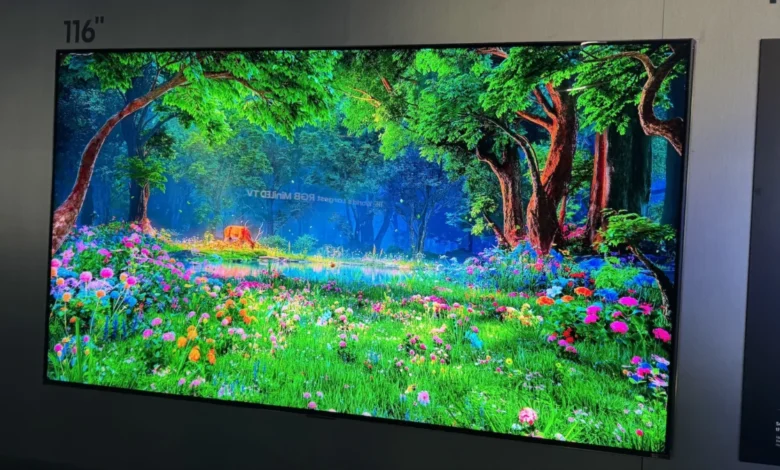
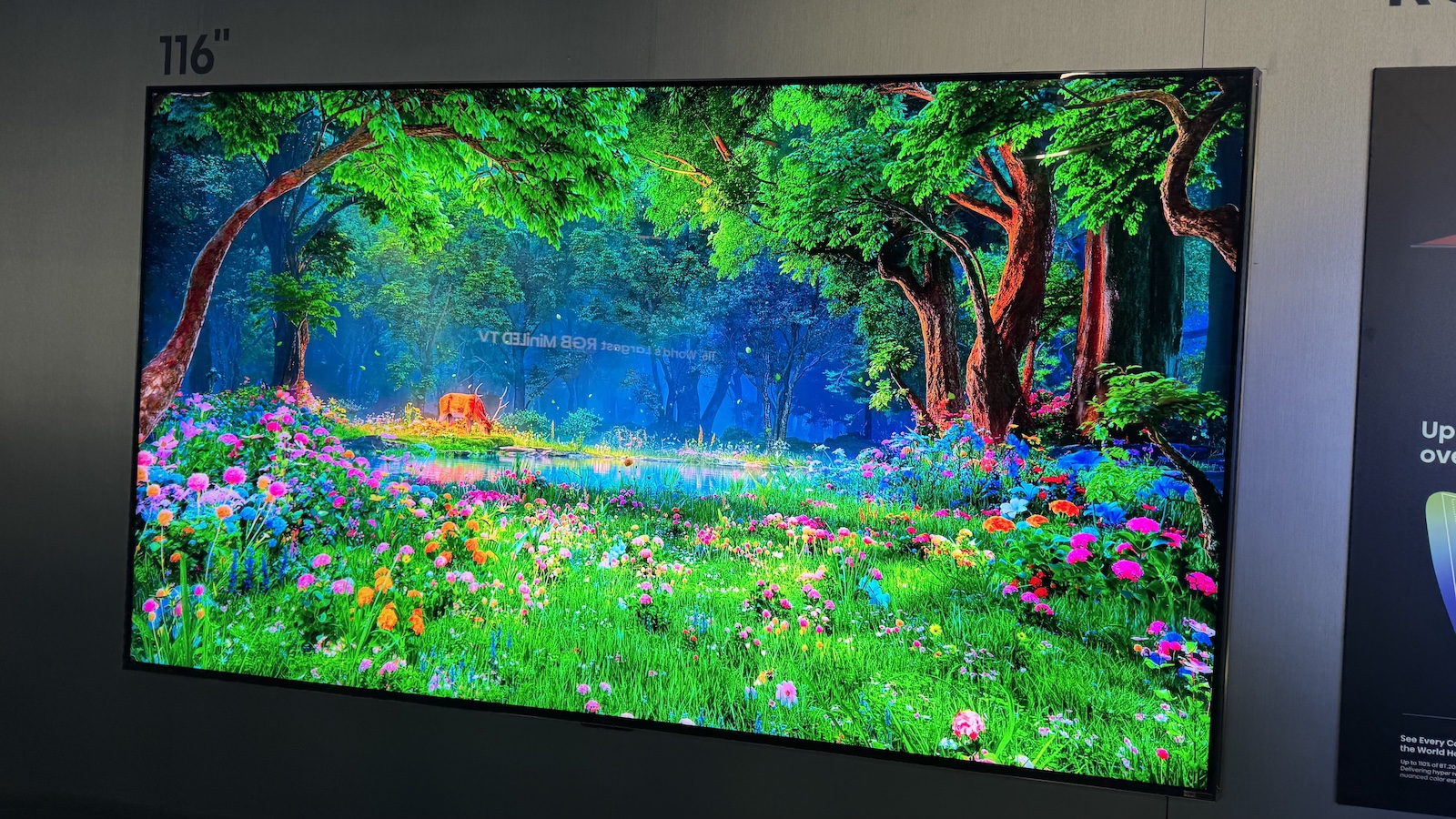
One of the most prevalent errors consumers make when purchasing a television in a retail setting is assuming that the dazzling picture quality observed in the store will translate directly to their own homes. This is a critical oversight, rooted in the sophisticated marketing and display techniques employed by retailers. In-store televisions are invariably set to a specialized "demo mode." This mode is engineered to maximize visual impact under the bright, often fluorescent, lighting conditions of a retail environment. It typically involves significantly amplified brightness and color saturation, designed to catch the eye and create an immediate impression of superior performance.
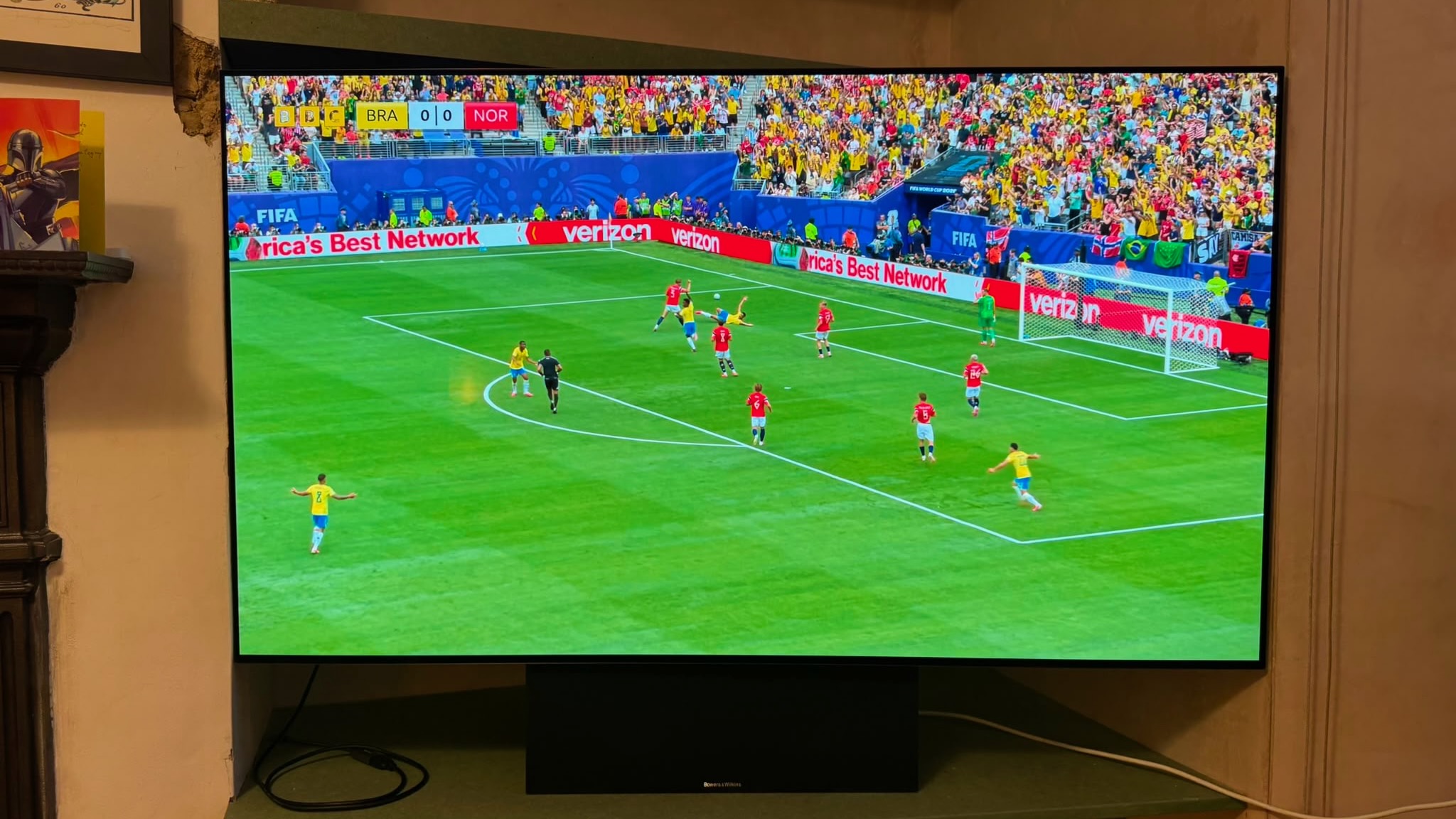
This heightened visual output, while striking, is often achieved at the expense of natural image reproduction and motion handling. Demo modes frequently over-process images, leading to unnatural colors and an artificial vibrancy that can be fatiguing to watch over extended periods. Furthermore, these modes are optimized for showcasing static or slow-moving content, such as nature documentaries or pre-recorded demonstration loops, which highlight the display’s color capabilities. However, they are rarely representative of how the television will perform with dynamic content, such as fast-paced sports, action movies, or video games, where motion blur and artifacting can become significantly more pronounced.

Analysis of Implications: The consequence of falling for this in-store illusion is significant. Consumers may purchase a television based on an exaggerated visual performance, only to be disappointed by a less vibrant, more artificial, or motion-impaired picture in their home viewing environment. This can lead to buyer’s remorse and a feeling of being misled.
Mitigation Strategy: To gain a more realistic understanding of a TV’s performance, consumers should actively request that the display be switched to a different picture mode. "Filmmaker Mode" is a highly recommended setting for cinematic content, as it aims to preserve the director’s original intent by disabling most post-processing enhancements and adhering to industry standards for color accuracy and motion. If a retailer is unwilling or unable to switch modes, it is imperative to consult independent reviews from reputable sources, such as What Hi-Fi?, which provide detailed, real-world performance analyses. These reviews often benchmark picture quality across various content types and lighting conditions, offering a far more objective assessment than the retail showroom can provide.
Mistake 2: The Measurement Miscalculation – A Tale of Ill-Fitting Screens
The allure of a large, immersive television screen can be incredibly persuasive. In the context of a spacious showroom, a 65-inch or even an 85-inch display can appear perfectly proportioned. However, the critical error many make is succumbing to the impulse purchase without accurately measuring the intended viewing space in their home. The temptation to envision the television seamlessly fitting into a living room can override the practical necessity of precise measurement.
This oversight can lead to a host of frustrating outcomes. The most obvious is a television that is physically too large for its designated spot, forcing it to be awkwardly angled, partially obscured by furniture, or simply dominating the room to an uncomfortable degree. This not only compromises the aesthetic appeal of the space but can also negatively impact the viewing experience, requiring the viewer to turn their head to take in the entire screen. Alternatively, the television might be too small, failing to provide the immersive experience that was desired.
Supporting Data: The average living room size in many developed countries has remained relatively static or even decreased in recent decades, while the average television screen size has seen a dramatic increase. This mismatch highlights the increasing likelihood of size-related placement issues. For instance, a 65-inch TV, measured diagonally, has a physical width of approximately 57 inches. When considering the bezel and the need for adequate ventilation and cable management, the required space can easily exceed that of a standard media console or alcove.
Analysis of Implications: A TV that doesn’t fit correctly can lead to ongoing visual discomfort, necessitate costly furniture modifications, or result in the arduous process of returning the item. The frustration associated with such a mistake can overshadow the enjoyment of the new technology.

Mitigation Strategy: Before visiting any retail store, consumers must meticulously measure their intended placement area. This includes the width, height, and depth of the space where the TV will reside, as well as the viewing distance from the primary seating position. Online resources and manufacturer specifications provide the exact dimensions of each television model, including stand dimensions if applicable. It is also crucial to differentiate between screen size (measured diagonally) and the overall physical dimensions of the TV, including its bezel. Experienced consumers often advise that a viewing distance of 1.5 to 2.5 times the screen diagonal is optimal for most viewing experiences, though this can vary based on resolution and personal preference.
Mistake 3: The Silent Deception – Underestimating Built-in Audio Capabilities
In the cacophony of a busy electronics store, televisions are almost universally muted. This practical measure prevents an overwhelming barrage of competing audio from distracting shoppers and staff. However, this silent treatment presents a significant challenge for consumers seeking to evaluate the sound quality of a potential purchase. The absence of audio means that the buyer is left to rely on the salesperson’s assertions or, more commonly, on assumptions about how the television will sound in their own home.
While some retailers may offer the option to briefly enable audio, the ambient noise of the store environment makes it virtually impossible to discern the nuances of a television’s built-in speaker system. The sound will be competing with background music, shopper conversations, and the general hum of the retail space, rendering any attempt at an accurate assessment futile. This leads to a common pitfall: purchasing a television based solely on its visual prowess, with the assumption that its audio performance will be adequate.
Background Context: Historically, television manufacturers have prioritized picture technology over audio innovation. While picture quality has advanced dramatically with the advent of 4K, HDR, and OLED technologies, the integrated speakers in most flat-screen televisions remain relatively basic. Their small size and limited internal volume restrict their ability to produce rich, dynamic, or immersive sound.
Analysis of Implications: The consequence of neglecting sound quality during the purchasing process is often a disappointing audio experience. Viewers may find dialogue muffled, music lacking depth, and action sequences sounding tinny or anemic. This can significantly detract from the overall home entertainment experience, even with a visually stunning display.
Mitigation Strategy: The most reliable method for assessing audio performance is to consult professional reviews. Publications specializing in home entertainment, such as What Hi-Fi?, conduct rigorous audio tests, evaluating factors like clarity, bass response, dialogue intelligibility, and surround sound simulation. Furthermore, consumers should budget for an external audio solution. Even an entry-level soundbar can dramatically outperform the integrated speakers of most televisions, offering enhanced clarity, improved bass, and a more engaging soundstage for a relatively modest investment. Many modern soundbars are also designed to be compact and easy to set up, seamlessly integrating with a new TV.
Mistake 4: The Risky Road Trip – The Perils of Self-Transport
For many, the immediate gratification of taking a new purchase home is a powerful motivator. However, when it comes to larger televisions, attempting to transport them yourself can be fraught with peril. While smaller models might fit comfortably in a standard car boot, larger screen sizes, such as 55-inch and above, present significant logistical challenges. The sheer dimensions of these units, coupled with their inherent fragility, make them susceptible to damage during transit.
Even with a larger vehicle, such as an SUV or a van, securing the television properly to prevent movement and impact is crucial. Sudden braking, sharp turns, or even minor bumps and speed bumps can cause the screen to shift, potentially leading to cracks or internal damage. The risk is amplified if the television is not transported in its original packaging, which is specifically designed to absorb shocks and vibrations.
Timeline of Risk: The risk begins from the moment the television is loaded into the vehicle. The journey to home, regardless of distance, presents a continuous opportunity for damage. Once the TV is in the car, it becomes the owner’s responsibility. Any damage sustained during self-transport is typically not covered by manufacturer warranties, leaving the consumer to bear the full cost of repair or replacement.
Analysis of Implications: A damaged television is not only a financial loss but also a significant inconvenience, delaying the enjoyment of the new purchase and potentially requiring a lengthy and complex return or replacement process.
Mitigation Strategy: The safest and most recommended approach is to utilize the delivery services offered by the retailer. While this may involve a waiting period of a few days, it significantly mitigates the risk of damage. Reputable retailers employ trained delivery personnel who are experienced in handling large and delicate electronics, and they typically use specialized vehicles equipped to secure goods safely. Furthermore, professional delivery often includes unpacking and setup services, ensuring the television is placed correctly and connected to necessary peripherals. This peace of mind, and the assurance that the product is in perfect condition upon arrival, is often worth the minor delay and potential delivery fee.
Mistake 5: The Impulsive Acquisition – The Danger of On-the-Spot Decisions
Perhaps the most significant pitfall in the in-store TV purchasing process is the tendency to make an impulsive decision. In a retail environment, consumers are often subjected to persuasive sales tactics. A knowledgeable salesperson might present a compelling argument for a particular model, highlighting its features and benefits. Furthermore, the pressure of time, the desire to complete the purchase, and the allure of an "on-the-spot" discount can all contribute to a rushed decision.
However, making a purchase without adequate prior research can lead to acquiring a television that is not truly suited to the buyer’s needs or budget. The salesperson’s pitch, while persuasive, may not always align with the consumer’s actual viewing habits, technical requirements, or long-term value considerations. The allure of a small discount for immediate commitment can obscure a potentially better deal or a more appropriate model available elsewhere.
Background Context: The television market is characterized by rapid technological advancements and a wide array of models from numerous manufacturers. Features such as screen technology (LED, QLED, OLED), resolution (4K, 8K), refresh rates, smart TV platforms, and connectivity options vary significantly. Without prior research, consumers may struggle to navigate this complex landscape and identify the specifications that are most relevant to their usage.
Analysis of Implications: An impulsive purchase can result in acquiring a television that is either over-specified and overpriced, or under-specified and fails to meet expectations. This can lead to long-term dissatisfaction and a feeling of having made an expensive mistake.
Mitigation Strategy: The most effective strategy is to conduct thorough research before setting foot in a retail store. This involves identifying your budget, understanding your primary usage scenarios (e.g., movies, sports, gaming, general TV viewing), and consulting independent reviews from trusted sources. Websites like What Hi-Fi? offer comprehensive guides, comparison tools, and in-depth reviews that provide objective assessments of various models. By arming yourself with knowledge about the best available options, their comparative performance, and typical price ranges, you can approach the in-store experience with confidence. This allows you to engage with sales staff from an informed position, critically evaluating their recommendations and ensuring that any purchase aligns with your pre-determined criteria, rather than succumbing to transient sales pressure.
In conclusion, while the digital marketplace offers undeniable convenience, the physical retail space still provides valuable opportunities for consumers to engage with high-value products like televisions. By being aware of and actively avoiding these five common mistakes, shoppers can leverage the benefits of in-store purchasing while mitigating the risks, ultimately leading to a more informed decision and a more satisfying home entertainment experience for years to come. A new television is a significant investment, and a well-researched, thoughtfully considered purchase will undoubtedly enhance your viewing pleasure.
Related posts: