The Evolution of the Side-Eye Project
The Side-Eye initiative was originally conceived by Metheny as a platform to collaborate with a rotating cast of younger musicians who have been influenced by his vast discography. Since its inception, the project has served as a laboratory for reimagining older compositions while debuting new material designed for a high-energy, improvisational setting. The transition from a trio to the "Side-Eye III+" quintet configuration represents a strategic shift toward a fuller, more orchestral sound reminiscent of the classic Pat Metheny Group lineups of the 1980s and 90s.
The inclusion of Leonard Patton is perhaps the most critical factor in this sonic expansion. Patton’s ability to provide wordless vocal textures—a hallmark of the PMG sound once defined by artists like Pedro Aznar and Richard Bona—allowed the quintet to revisit complex arrangements that require a melodic layer beyond the reach of traditional instrumentation. Coupled with Chris Fishman’s expansive keyboard work, which frequently utilized modern synthesis alongside traditional piano tones, the ensemble captured the "symphonic jazz" aesthetic that propelled Metheny to international stardom decades ago.
Concert Chronology and Performance Highlights
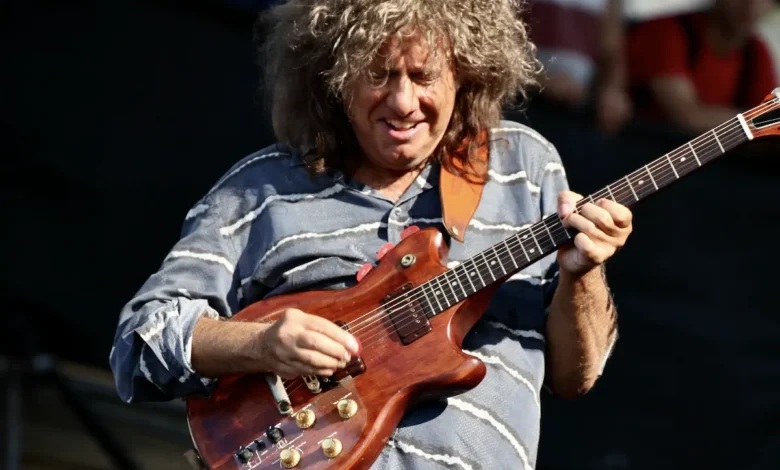
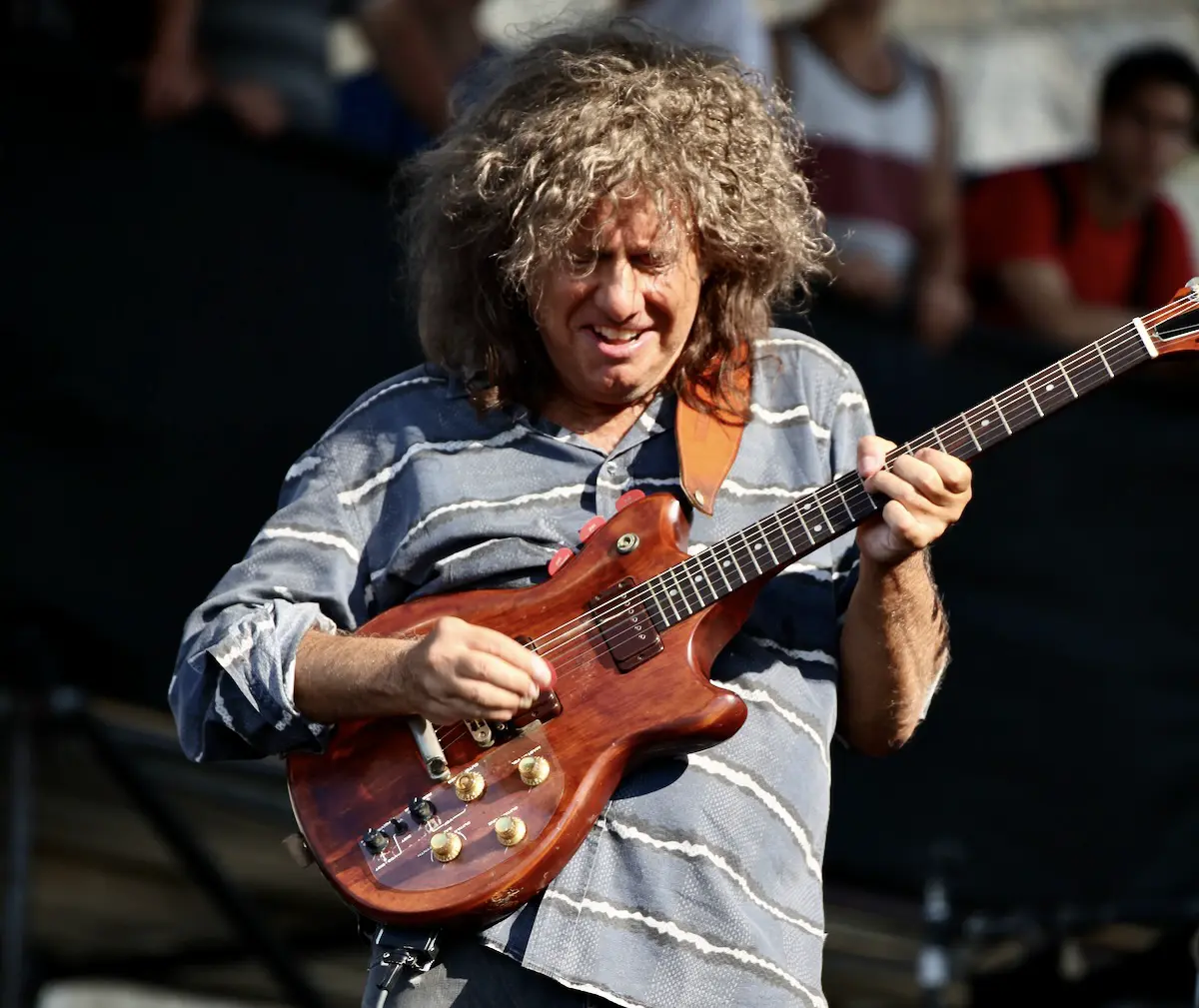
The evening commenced with Metheny alone on stage, a customary opening that allows the audience to recalibrate to his unique tonal palette. Utilizing his custom-built 42-string Picasso guitar, Metheny delivered an intricate solo improvisation that moved seamlessly between avant-garde dissonance and folk-like lyricism. This introductory segment served as a historical bridge, reminding the capacity crowd of his 50-year journey as a solo innovator before the full weight of the quintet was unleashed.
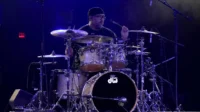
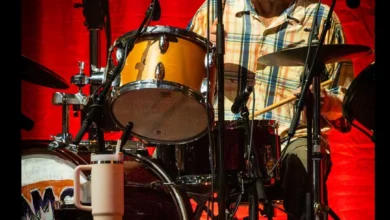
As the rest of the ensemble joined him, the energy shifted toward the rhythmic complexity found on the Side-Eye III+ album. The chemistry between Joe Dyson and Jermaine Paul provided a robust foundation, characterized by a "pocket" that felt both grounded and flexible. Dyson, who has become a staple of Metheny’s recent touring cycles, demonstrated a remarkable ability to navigate the leader’s demanding time signatures while maintaining a propulsive, swinging feel.
The middle section of the concert was dedicated to what many attendees had traveled across the UK to hear: the revival of Pat Metheny Group classics. The quintet’s rendition of these pieces was not merely an exercise in nostalgia but a radical reinterpretation. By allowing the younger musicians to inject their own stylistic signatures—Fishman’s more aggressive, modern synth leads and Paul’s deep, soulful bass grooves—the material felt revitalized. The audience’s reaction to the familiar opening chords of Metheny’s most iconic hits generated a palpable "buzz," confirming his status as one of the few jazz artists capable of commanding such widespread fervor.
The performance concluded with a marathon of four encores, extending the night to a total of 150 minutes of music. These final segments featured a mix of acoustic miniatures and high-octane fusion workouts, leaving the audience with a comprehensive overview of Metheny’s multifaceted career.
Technical Mastery and Instrumentation
A central component of the Barbican performance was the sophisticated use of technology, a recurring theme in Metheny’s work. Beyond the Picasso guitar, Metheny utilized his signature Ibanez hollow-body and the Roland GR-300 guitar synthesizer. The latter, a vintage piece of equipment that Metheny has championed since the early 1980s, provided the soaring, trumpet-like lead tones that defined the PMG era.
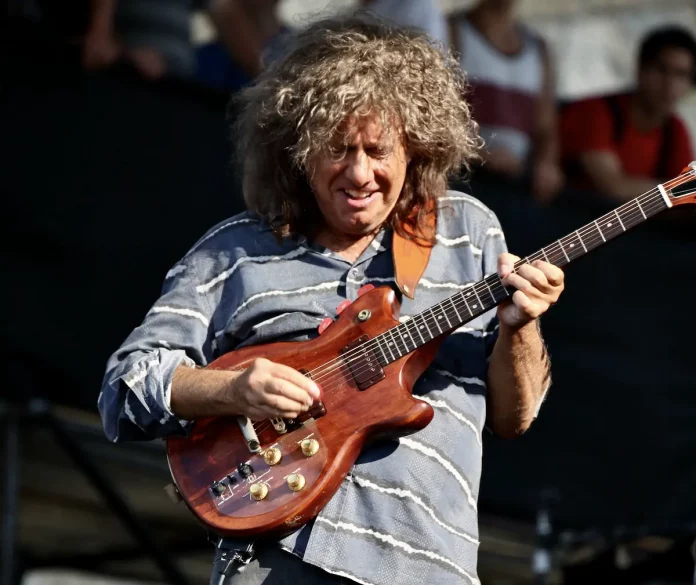
The stage setup also incorporated elements of the Orchestrion—Metheny’s massive, mechanically controlled instrument array. While not the focal point of this specific tour, the integration of automated percussion and tuned instruments added a layer of "mechanical magic" to the quintet’s sound, creating a dense wall of music that often made the five-piece band sound like a much larger orchestra. Chris Fishman’s role in managing these textures was pivotal, as he balanced the demands of traditional accompaniment with the technical requirements of Metheny’s complex arrangements.
Historical Context: 50 Years of the Metheny Legacy
The 2026 London dates occur at a significant point in Metheny’s career, marking over half a century since his debut as a leader. Since the release of Bright Size Life in 1976, Metheny has secured 20 Grammy Awards across ten different categories—a feat unmatched by any other musician in history. His career has been defined by a refusal to be pigeonholed, moving from the pastoral jazz of his early ECM years to the aggressive noise-rock of Zero Tolerance for Silence and the cinematic fusion of the PMG.
The Side-Eye project is the latest chapter in this narrative of constant reinvention. By surrounding himself with musicians like Dyson and Fishman, who were born long after his initial rise to fame, Metheny ensures that his music remains part of a living tradition rather than a museum piece. This "youthful reprisal" of material, as noted by observers, serves a dual purpose: it educates a new generation of players in the intricacies of the Metheny songbook while providing the composer with fresh perspectives on his own work.
The Barbican and the UK Jazz Scene
The Barbican Centre’s Summer Jazz Series has long been a cornerstone of the London cultural calendar, and Metheny’s residency is a highlight of the 2026 season. The venue’s acoustics, known for their clarity and warmth, provided the ideal environment for a band that relies heavily on dynamic range. The sell-out status of all three London dates underscores the enduring popularity of jazz in the UK capital, particularly when fronted by a "true jazz-guitar legend."

Industry analysts point to Metheny’s success as a sign of the "legacy artist" phenomenon in jazz, where performers with a deep catalog and a reputation for live excellence continue to outdraw contemporary pop acts in specialized venues. However, Metheny’s ability to attract a diverse age demographic—ranging from longtime fans who saw him in the 1970s to young guitar students—sets him apart from many of his peers.
Implications and Broader Impact
The success of the Side-Eye III+ tour suggests a growing appetite for large-scale, compositionally dense jazz fusion. In an era where much of the jazz world has moved toward smaller, more minimalist configurations, Metheny’s quintet offers a maximalist alternative that prioritizes melody, complex harmony, and high production values.
Furthermore, the "mentorship" model of Side-Eye provides a blueprint for how established legends can contribute to the future of the genre. By giving young artists like Jermaine Paul and Leonard Patton a global platform, Metheny is actively shaping the next generation of jazz innovators. The influence of this tour is expected to ripple through the jazz community, potentially leading to a resurgence of interest in the "group" sound that Metheny pioneered.
As the concert concluded, the consensus among critics and fans alike was that Pat Metheny remains at the peak of his powers. His ability to synthesize the various phases of his career—the solo innovator, the group leader, and the experimentalist—into a single, cohesive performance is a testament to his artistic vision. For those in attendance at the Barbican, the night was more than just a concert; it was a celebration of five decades of musical excellence and a preview of what the next chapter of the Metheny legacy might hold. The spirit of the Pat Metheny Group is not just a memory; through the Side-Eye project, it is a vibrant, evolving reality.