Crowdfunding Radar: How Digital Downloads and Fan Funding are Shaping the Future of Independent Roots Music


The economics of independent music production have undergone a profound transformation over the past two decades, shifting the primary financial burden of recording, mixing, and distribution from legacy record labels directly onto artists and their communities. Within the Americana, folk, and roots music sectors, crowdfunding platforms such as Kickstarter and Indiegogo have evolved from experimental funding novelties into essential industry infrastructure. While much of the music journalism discourse surrounding physical media focuses on the ongoing vinyl renaissance or the steady, quiet decline of the compact disc, the foundational financial engine of most modern crowdfunding campaigns remains the humble digital download. Although it requires a high volume of modest contributions—often $15 increments—to match the capital generated by a single $50 vinyl package, the digital download serves as an invaluable bridge. It acts as an accessible entry point for casual listeners who primarily consume music via streaming services like Spotify or Apple Music, yet wish to provide direct, meaningful financial support to the creators behind the art.
This month’s crowdfunding landscape highlights three distinct independent acts—Texas-based singer-songwriter Amber Westerman, Appalachian roots-fusion outfit Tuatha Dea, and Northeast progressive bluegrass mainstays Hitch & the Giddyup—each navigating the complexities of modern music financing through fan-backed models. Their respective campaigns underscore how artists are tailoring their fundraising strategies to a fragmented media ecosystem where streaming dominates consumption, but direct-to-fan support dictates career viability.
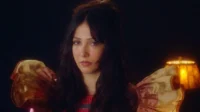
Amber Westerman Targets Nashville for Debut LP Rose Colored Mess
The journey toward a debut full-length album is rarely straightforward for independent artists operating outside the major label ecosystem. For Texas-native Amber Westerman, the path to her upcoming release, Rose Colored Mess, is built on a foundation of steady artistic growth, regional competition success, and a fiercely loyal fan base. In 2023, Westerman successfully utilized Kickstarter to finance her debut EP, raising upwards of $7,000. That initial campaign not only provided the capital necessary to complete the project but also established a reliable blueprint for community-funded production.
Capitalizing on the momentum of her EP, Westerman’s profile rose significantly when she was named a finalist in the prestigious Kent Finlay Song Search contest in both 2023 and 2024. The positive critical and commercial reception of her January single, "Barefoot Days," further validated her trajectory, showcasing a distinct, pop-tinged Americana sound that bridges traditional lyricism with contemporary melodic sensibilities. With her sights set on the global capital of country and roots music, Westerman has booked studio time in Nashville, Tennessee, to record Rose Colored Mess.
To finance the venture, Westerman has launched an ambitious, all-or-nothing Kickstarter campaign with a funding goal of $24,000. Unlike campaigns that rely solely on basic pre-orders, Westerman’s initiative features a diverse tier of backer perks designed to deepen fan engagement. Beyond the standard digital download and vinyl pre-orders, backers can access unique merchandise and experiential rewards, including custom smartphone wallpapers, an affirmation playing card deck, signed posters, a personalized 60-minute portrait photography session shot by Westerman herself, and exclusive private house concerts. This multi-tiered approach reflects a broader industry trend where artists monetize not just the recorded medium, but their personal brand and direct access to their audience.
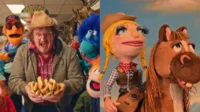
Tuatha Dea Blends Appalachian Roots, Steampunk, and Percussion for Album VII
Genre boundaries in contemporary roots music continue to blur as artists draw from disparate cultural and aesthetic traditions. Few bands exemplify this cross-pollination more vividly than Tuatha Dea, a project formed in 2010 that merges Appalachian Celtic music with steampunk aesthetics and dynamic drum circle rhythms. Over the past decade and a half, the ensemble has cultivated an international following through relentless touring and the release of six studio albums.
The band’s seventh studio release, appropriately titled VII, represents a continuation of their eclectic sonic exploration. Seeking capital to finalize production, Tuatha Dea launched an Indiegogo campaign with a modest, highly focused financial goal of $8,000. Demonstrating the immediate strength of their fan community, the campaign rapidly surpassed the halfway mark within days of its launch.

Unlike Westerman’s merchandise-heavy strategy, Tuatha Dea’s crowdfunding model is strictly product-centric. The campaign offers no secondary merchandise or experiential packages, relying entirely on the draw of the music itself. Backers can secure the new album in digital download and compact disc formats, or tap into the band’s extensive back catalog. Additionally, the campaign features a "super package" tier, which includes exclusive MP3 bonus tracks not available on standard commercial pressings. This back-to-basics approach highlights a segment of the independent music market where dedicated physical and digital media collectors remain the primary financial drivers.
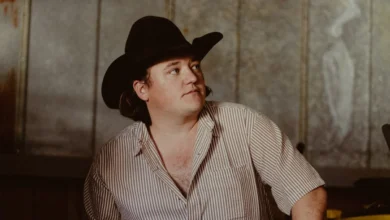
Hitch & the Giddyup Leverage Established Regional Momentum for Wreck This Train
Touring circuits in the American Northeast have long served as a crucible for progressive bluegrass and roots acts, testing an ensemble’s endurance, musicianship, and live appeal. Since their formation in 2014, Hitch & the Giddyup have been fixtures of this regional circuit, earning critical acclaim and a dedicated following through three previous full-length releases that seamlessly blend high-octane progressive bluegrass with classic country songwriting traditions.
As the band prepares to unveil its fourth studio album, Wreck This Train, the financial realities of post-production costs prompted a shift toward crowd-sourced recoupment. Having already completed the recording process, Hitch & the Giddyup launched a $5,000 Kickstarter campaign to cover studio and mastering expenses. The response from their fanbase was immediate and decisive; the band met its baseline financial goal within days, pushing the initiative well into stretch-funding territory.
For this project, Hitch & the Giddyup reunited with Grammy Award-winning producer Brendan Muldowney, renowned for his work with legendary blues artist Johnny Winter and who previously helmed the board for the band’s second album. Much like Tuatha Dea, Hitch & the Giddyup eschewed auxiliary merchandise tiers, placing their entire campaign value proposition on the music. Wreck This Train is being offered across the complete spectrum of consumer formats: digital downloads, compact discs, and vinyl records, with both physical configurations available in signed and unsigned editions.
Implications and the Evolving Landscape of Fan-Funded Audio Production
The convergence of these three distinct campaigns illuminates the current state of independent music funding in an era defined by digital streaming economics. For decades, the traditional music industry model relied on institutional gatekeepers—major and independent record labels—to finance recording budgets in exchange for master ownership and substantial percentages of future revenue. Crowdfunding has effectively democratized this capital-raising phase, allowing artists to retain full ownership of their master recordings while transferring financial risk to the consumer base.
However, the shift toward streaming has fundamentally altered how artists construct their campaigns. While platforms like Spotify and Apple Music offer unprecedented global reach, the fractional per-stream royalty payouts generated by independent artists are rarely sufficient to fund professional studio time, mixing, mastering, pressing physical media, and marketing campaigns. Consequently, digital downloads offered through crowdfunding platforms serve a dual purpose: they monetize the goodwill of casual streaming listeners who want to contribute financially, and they aggregate micro-transactions into viable production budgets.
As independent musicians continue to navigate the post-pandemic economic landscape—marked by rising touring costs, inflationary pressures on vinyl manufacturing, and shifting consumer habits—crowdfunding will likely remain a vital pillar of the alternative music economy. Whether through Westerman’s experiential, multi-tiered reward structure, Tuatha Dea’s targeted catalog offerings, or Hitch & the Giddyup’s swift, straightforward completion funding, these campaigns demonstrate that the viability of independent roots music increasingly depends on the direct, symbiotic relationship between the artist and a mobilized, digitally connected community of listeners.
Related posts: