Expressive E Noisy 2.6 Elevates Sonic Sculpting with Expanded Palette and Enhanced Expressive Control

Expressive E’s acclaimed sound-sculpting software, Noisy, has received a substantial update with the release of version 2.6. This significant enhancement promises to broaden the sonic capabilities of the application, positioning it as an even more potent companion for musicians utilizing expressive controllers, particularly Expressive E’s own Osmose and Osmose CE synthesizers. The update introduces a wealth of new sound-shaping tools, building upon Noisy’s core philosophy of integrating deep expression control into every facet of its design.
A Deep Dive into Noisy 2.6’s Sonic Advancements
The foundational architecture of Noisy is rooted in the EaganMatrix, a powerful and versatile synthesis engine originally featured on the Haken Continuum and now powering the Osmose. While the EaganMatrix offers profound sonic depth, its programming can present a steep learning curve for some users. Noisy, conversely, was conceived with a user-friendly workflow from the outset, specifically designed to map and control expressive gestures. The version 2.6 update further refines this approach, offering an expanded sound palette that is both accessible and deeply powerful.
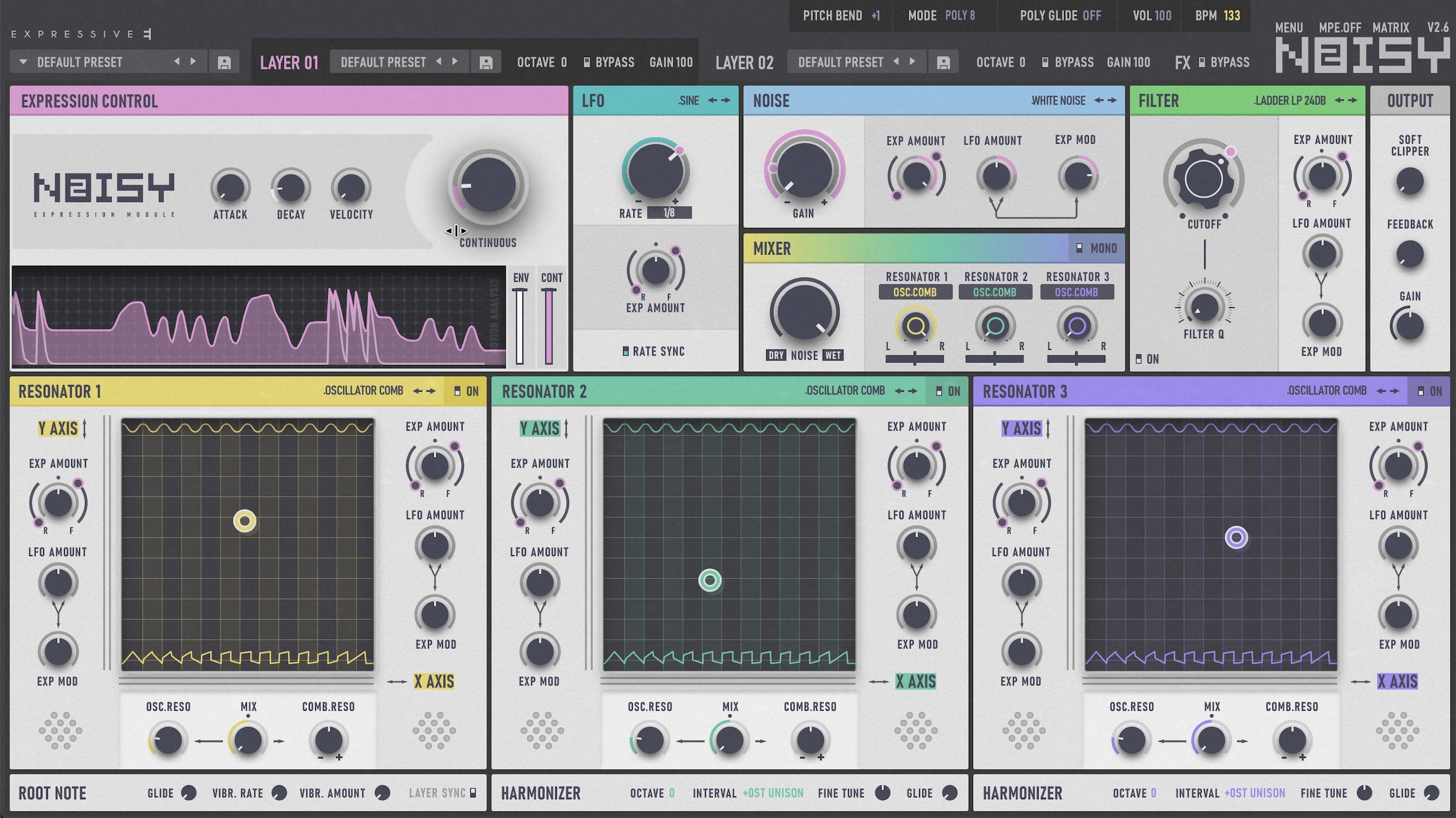
This latest iteration can be viewed as a significant leap beyond a mere version number, representing a substantial evolution in Noisy’s feature set. The software’s inherent playability is amplified, proving enjoyable even with conventional MIDI controllers. However, its true potential is unleashed when paired with controllers that support polyphonic aftertouch, pressure, and MIDI Polyphonic Expression (MPE). Noisy functions as a semi-modular synthesizer, with its design prioritizing real-time sound shaping and intuitive, hands-on control.
The Unique "Noise-to-Resonator" Paradigm
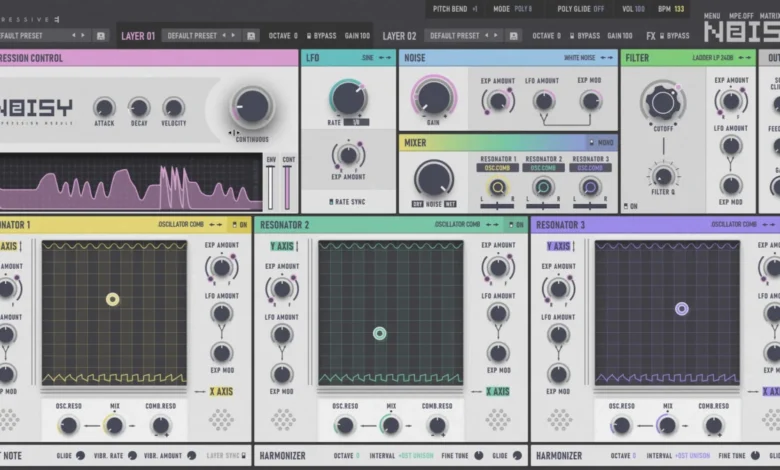
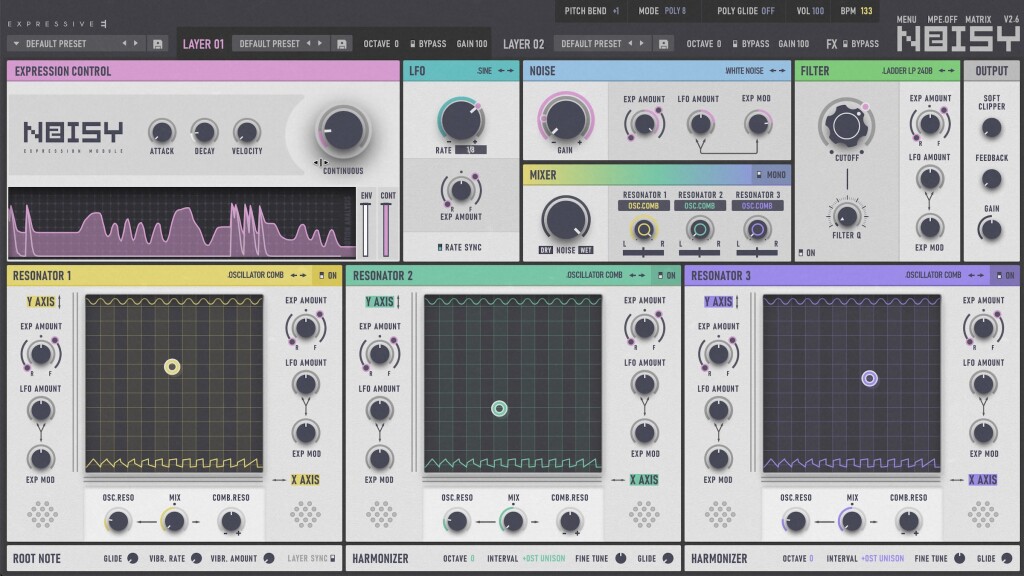
At its heart, Noisy’s distinctive sound generation process involves feeding noise sources into sophisticated resonator modules. This methodology, while seemingly simple, allows for a vast array of sonic textures, extending far beyond typical physical modeling or granular synthesis. The resonators themselves are capable of emulating a diverse range of synthesis types, including analog, acoustic, FM, harmonic, and wavetable synthesis. Version 2.6 significantly expands these capabilities, introducing new resonator modes and underlying synthesis engines. These are presented within a clear, color-coded interface, designed for efficient navigation, even when considering the additional screen dedicated to effects.
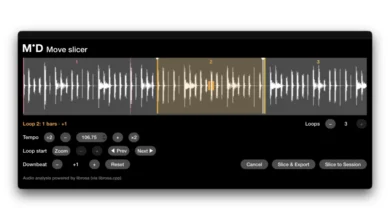
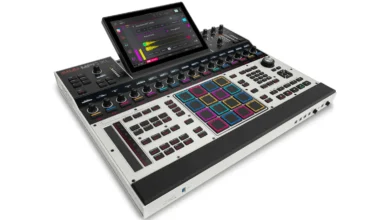
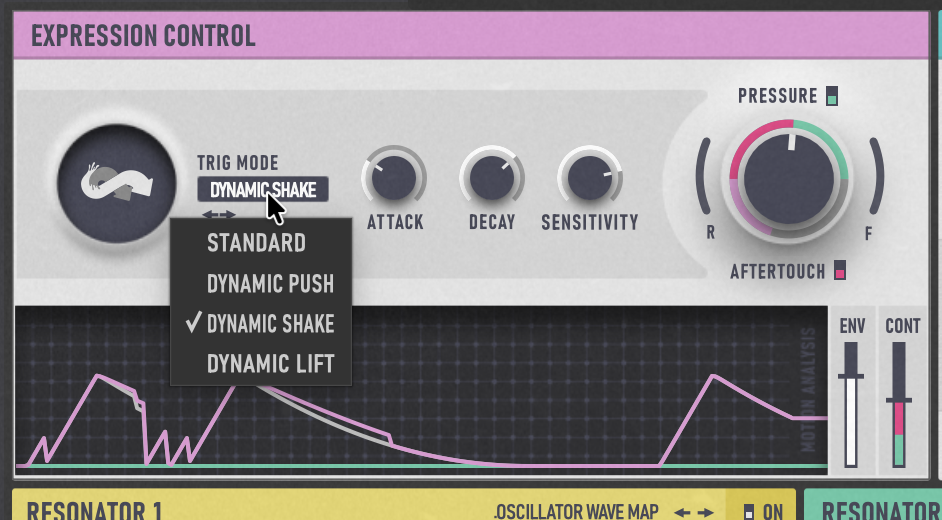
The principle of expression is woven into the fabric of Noisy, accessible from virtually every module. The dedicated Expression Control section provides a central hub for mapping gestural data. This includes direct mapping of gestures such as push, shake, and lift – actions that are particularly well-suited to Expressive E’s own Touché controller and the Osmose. However, the utility of these controls extends broadly, allowing for expressive manipulation through envelope, pressure, and aftertouch data, whether in MPE or standard MIDI modes. The software also supports monophonic triggering on compatible synthesizers. Users can configure polyphony from 1 to 8 voices, manage poly glide, and enable or disable MPE mode. This flexibility ensures Noisy remains engaging and expressive even when used with a variety of controllers, as demonstrated by its enjoyable performance with an Ableton Move controller during testing.
Key Innovations in Noisy 2.6
The 2.6 update introduces several pivotal new features that significantly enhance Noisy’s sonic toolkit:
New Resonators and Synthesis Engines
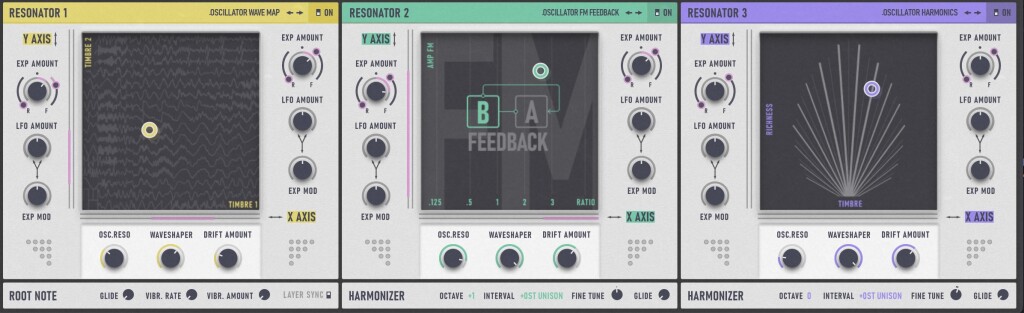
Version 2.6 brings forth a suite of entirely new resonator types, each powered by distinct underlying synthesis engines. These additions include:
- Analog Unison: This mode allows for the creation of rich, thick analog-style sounds, leveraging multiple detuned voices to generate powerful unison textures. This expands Noisy’s ability to produce classic warm and fat synth tones.
- FM and FM Feedback: The introduction of Frequency Modulation (FM) synthesis, including a dedicated feedback parameter, opens up a vast landscape of metallic, bell-like, and complex timbres. FM synthesis is renowned for its ability to create sounds that are difficult to achieve with other methods, and its integration here adds a new dimension of sonic possibility.
- Harmonics: This mode focuses on the precise manipulation of harmonic content, allowing for the construction of sounds with rich, evolving overtone structures. This is particularly useful for crafting expressive acoustic-like tones and complex, evolving pads.
- Wave Map (Morphing Wavetable): This innovative mode introduces wavetable synthesis with morphing capabilities. Users can blend between different wavetables, creating dynamic and evolving timbres that shift and transform over time. This adds a modern and sophisticated element to Noisy’s sound design potential.
While the nomenclature of "resonators" for these synthesis types might initially seem unconventional, the implementation proves remarkably effective. The noise source, when processed through these engines, imbues the sounds with an organic, often fuzzy or glossy character. Disabling effects and isolating the resonator output reveals the core sonic DNA, demonstrating how variations in the initial noise source profoundly influence the final character of the sound. This unique integration of noise into diverse synthesis paradigms contributes to Noisy’s distinct sonic signature, offering a fresh perspective on sound design.
Expanded Noise Sources
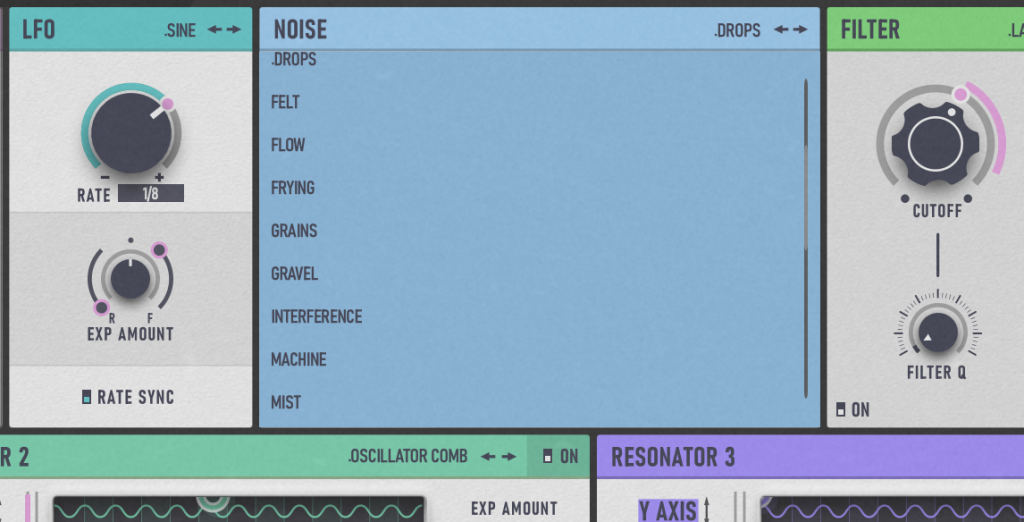
Complementing the enhanced resonators, Noisy 2.6 introduces five new noise sources. These additions go beyond basic noise generation, offering a range of creative options. This includes more natural-sounding sources, such as bubbling or environmental textures, and even sources derived from field recordings. This expansion provides a richer palette for sculpting the initial character of sounds, offering greater control over the fundamental timbre before it even reaches the resonator. The current interface presents these sources in a straightforward manner, though a feature request for columnar organization has been noted, which could further enhance usability for extensive noise selection.
New LFO Shape and Effects
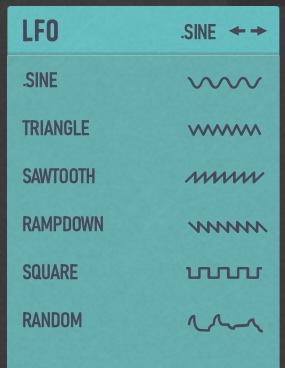
The update also includes a new Low-Frequency Oscillator (LFO) shape, adding another layer of modulation possibilities for creating dynamic and evolving sounds. Furthermore, Noisy 2.6 boasts nine new effects, significantly expanding the sonic processing capabilities of the software. While Expressive E has not explicitly detailed which specific effects are new additions within these categories, the comprehensive suite of tools available is impressive. The effects section includes staples like plate reverb and stereo delay, alongside two dedicated effect slots that offer a wide array of processing options. These include categories such as amp & color, ambiance, filter, and modulation, with many unique and experimental choices. Two additional effects macros further enhance the flexibility for macro-controlling and automating sonic transformations.
The ability to bypass effects and focus solely on the core synth engine is a valuable feature for understanding the fundamental character of the sounds produced. This allows users to appreciate the unique noise-to-resonator synthesis approach without the influence of external processing.
Contextualizing Noisy within Expressive E’s Ecosystem
The release of Noisy 2.6 arrives at a time of significant momentum for Expressive E, particularly following the successful launch and widespread adoption of their flagship keyboard instrument, the Osmose. The Osmose, with its innovative Sensory Touch technology, allows for unparalleled nuanced control over sound parameters, including per-note pressure, vibrato, and timbre shifts. Noisy, as a software instrument, shares this ethos of expressive control and offers a complementary platform for exploring these sonic possibilities.
The Osmose utilizes the EaganMatrix engine internally, making Noisy a natural extension for users who wish to delve deeper into sound design and explore a broader sonic palette beyond the factory presets. The Osmose CE (Controller Edition) further solidifies this connection, offering the expressive capabilities of the Osmose keyboard without the integrated sound engine, allowing users to pair it with external MIDI sound sources and software instruments like Noisy.
The timeline leading to Noisy 2.6’s release suggests a strategic development approach by Expressive E, aiming to solidify their software offerings as integral components of their expressive control ecosystem. The initial release of Noisy provided a user-friendly gateway to complex sound design, and each subsequent update, culminating in the significant advancements of 2.6, has aimed to expand its appeal to both newcomers and seasoned sound designers.
Analysis of Implications
The enhancements in Noisy 2.6 have several implications for musicians and sound designers:
- Democratization of Expressive Sound Design: By offering a more expansive and intuitive sound palette, Noisy 2.6 makes advanced expressive sound design more accessible. The software’s workflow, designed from the ground up for gestural control, reduces the technical barriers often associated with complex synthesis engines.
- Synergy with Expressive Controllers: The update reinforces the symbiotic relationship between Noisy and MPE-capable controllers like the Osmose and Touché. The expanded resonator types and noise sources provide fertile ground for these controllers to express their full potential, enabling nuanced and dynamic performances.
- Diversification of Sonic Possibilities: The introduction of analog unison, FM synthesis, and morphing wavetables alongside harmonic and acoustic modeling significantly broadens the range of sounds Noisy can produce. This versatility makes it suitable for a wider array of musical genres and applications, from electronic music to film scoring and ambient soundscapes.
- Competitive Positioning: In a crowded software synthesizer market, Noisy 2.6’s unique approach to sound generation—combining noise sources with diverse resonator engines—and its deep integration of expressive control, allows it to carve out a distinct niche. This positions Expressive E strongly within the growing field of MPE-focused instruments and software.
User Reactions and Future Outlook
While specific user testimonials for version 2.6 are still emerging, early impressions from pre-release access indicate strong enthusiasm. The focus on expanding the core synthesis engines and the addition of more varied noise sources have been highlighted as particularly impactful. The continued free updates for existing v2 users demonstrate Expressive E’s commitment to its user base and the ongoing development of its software offerings.
The future outlook for Noisy appears bright, especially as MPE technology continues to gain traction in the music production landscape. As more musicians embrace controllers that offer granular control over individual notes, software like Noisy, which is built to leverage this expressivity, will likely see increasing demand. Further refinements to the user interface, such as the suggested columnar organization for noise sources, could further enhance usability and solidify Noisy’s position as a leading instrument for expressive sound design.
Availability and Pricing
Expressive E Noisy 2.6 is available for purchase on platforms like Plugin Boutique. The upgrade to version 2.6 is provided free of charge for existing users of Noisy version 2. This policy encourages adoption and rewards the existing customer base, fostering loyalty and continued engagement with the product. Information regarding specific pricing tiers and any introductory offers can be found on Expressive E’s official website and authorized retailers. The commitment to ongoing development and accessible upgrades suggests a long-term vision for Noisy as a core instrument within the expressive music technology sphere.