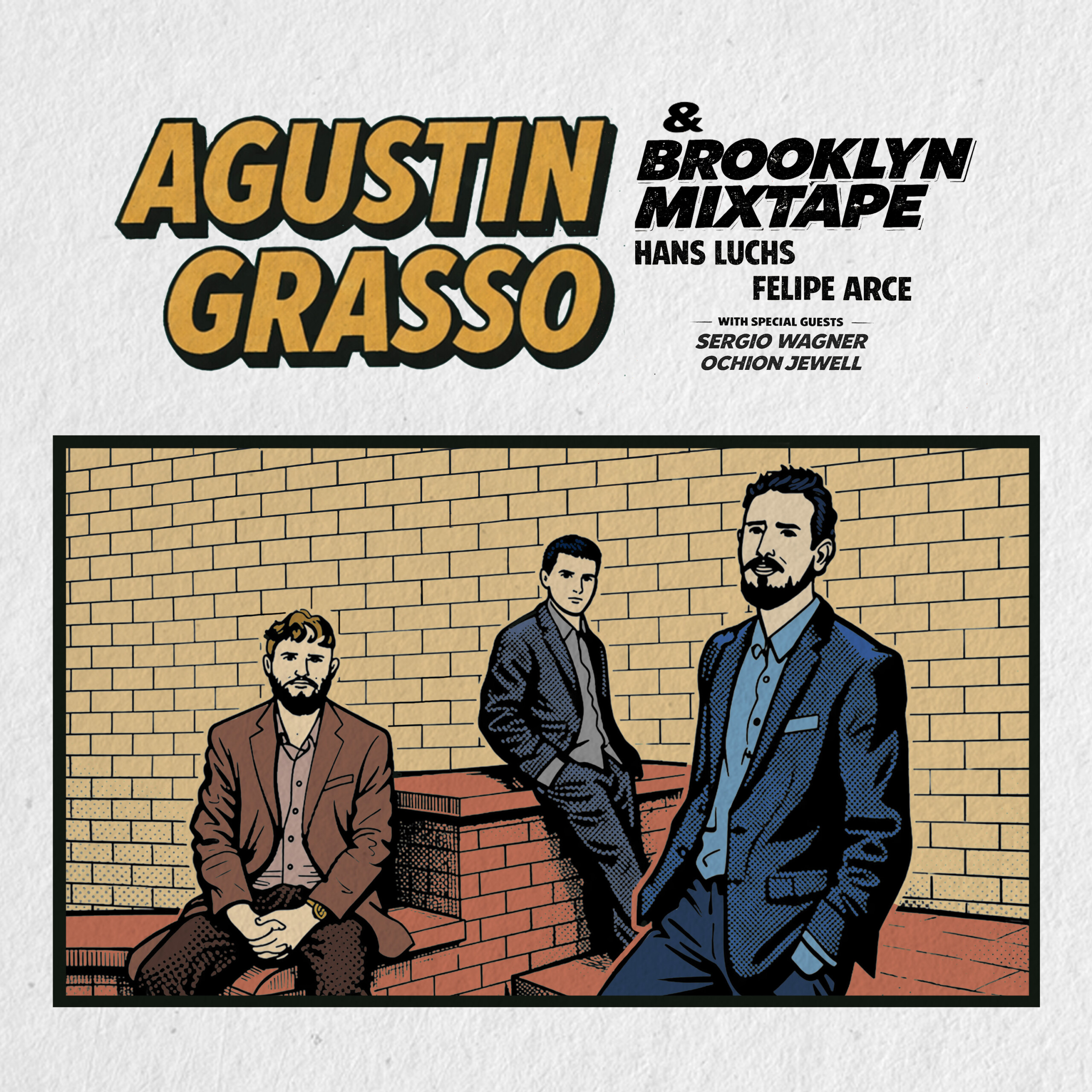
Agustin Grasso Brooklyn Mixtape is a masterclass in modern jazz curation and ensemble synergy


The mixtape—that tactile, personal curation of songs once recorded onto magnetic tape—was more than a mere playlist; it was a cultural shorthand for intimacy, taste, and intellectual connection. In his latest project, titled Brooklyn Mixtape, Argentinian-born musician Agustin Grasso resurrects the spirit of this analog tradition, translating the mixtape’s ethos into the complex, improvisational language of contemporary jazz. Released under the Fresh Sound New Talent label, the album serves as both a retrospective of the jazz canon and a forward-looking statement on the fluidity of modern genre boundaries.
The Anatomy of a Contemporary Jazz Mixtape
At its core, Brooklyn Mixtape is an exercise in stylistic diversity. Grasso’s selections are not haphazard; they are meticulously curated deep cuts that span decades of musical evolution. The album features quintessential jazz standards, such as Steve Swallow’s “Eiderdown” and Kenny Dorham’s “Lotus Blossom,” alongside Billy Strayhorn’s evocative “A Flower is a Lovesome Thing.”
However, what elevates the album beyond a standard tribute record is Grasso’s willingness to traverse the pop landscape. By reinterpreting The Beatles’ “Norwegian Wood” and Sting’s “If I Ever Lose My Faith in You,” Grasso demonstrates a sophisticated approach to cross-genre pollination. This practice, while common in post-bop circles, is executed here with a level of restraint and technical precision that underscores the universality of the melodic structures involved.
Chronology and Ensemble Development
The formation of the Brooklyn Mixtape ensemble is the result of years of collaborative refinement. Agustin Grasso, a fixture in the New York City jazz scene, developed the core of this project alongside his long-standing working trio partners: guitarist Hans Luchs and bassist Felipe Arce.
The trio’s chemistry is the primary engine driving the record’s success. Having performed regularly across North America and within the competitive New York circuit, the group has developed a telepathic level of interplay. This cohesion allows for the seamless integration of guest performers, most notably tenor saxophonist Ochion Jewell, who appears on three tracks, and trumpeter Sergio Wagner, who provides additional tonal color throughout the record.
The recording process for Brooklyn Mixtape was designed to mirror the "live" energy the trio has cultivated on stage. Rather than relying heavily on digital editing or overdubbing, the tracks capture a moment in time, reflecting the group’s shared history and mutual understanding of the compositions.
Musical Analysis: The Opener and Beyond
The album’s opening track, the cover of Sting’s “If I Ever Lose My Faith in You,” serves as a microcosm for the record’s broader artistic intent. The track begins with the distinct, angular guitar work of Hans Luchs, establishing an immediate atmosphere of interiority. As Felipe Arce introduces a brooding, resonant bass line, Grasso’s percussion—specifically his shimmering, textural use of cymbals—creates a rhythmic foundation that feels both grounded and ethereal.
When Ochion Jewell enters on tenor saxophone, the melody is stated with a deliberate, melancholy poise. The subsequent interaction between Luchs and Jewell is indicative of the record’s broader philosophy: the guitar provides complex, harmonically dense comping, which eventually blossoms into a solo that avoids showboating in favor of structural integrity. The brief, high-intensity climax of the track before its resolution serves as a reminder of the ensemble’s capability for raw energy, though it remains a controlled, purposeful display rather than a chaotic one.
Supporting Data and Industry Context
The release of Brooklyn Mixtape arrives at a pivotal moment for the jazz industry. According to recent data from industry analysts and streaming services, there has been a documented resurgence in interest regarding instrumental jazz among younger demographics, particularly those who gravitate toward "genre-bending" projects that incorporate elements of pop, rock, and ambient music.
Fresh Sound New Talent, the label behind the release, has historically played a crucial role in documenting the evolution of the international jazz scene, particularly for expatriate musicians residing in New York. By providing a platform for artists like Grasso, the label reinforces the idea that the "jazz standard" is not a static artifact, but a living, breathing set of possibilities that can be updated for the modern listener.
The Implications of Genre Fluidity
The broader impact of Brooklyn Mixtape lies in its subversion of traditional jazz boundaries. By selecting material that carries significant pop cultural weight, Grasso challenges the listener to hear these familiar melodies through a new harmonic lens. This is not merely an act of nostalgia; it is a structural critique of how we classify music.

In an era where digital streaming algorithms often prioritize genre-specific playlists, a project that bridges the gap between the jazz songbook and mainstream pop acts as a vital reminder of music’s inherent interconnectedness. For the jazz community, this album offers a roadmap for how to remain relevant while honoring the foundational tenets of the genre.
Artistic Synthesis and Future Outlook
The success of Brooklyn Mixtape relies on the intersection of individual talent and collective vision. Grasso’s arrangements are not overly prescriptive; he leaves enough space for Luchs, Arce, and his guest soloists to inject their own personalities into the music. This democratic approach to the music ensures that no single instrument dominates, creating a balanced soundscape where the nuance of the arrangement is always at the forefront.
For the listener, the album offers a multi-layered experience. On a superficial level, it functions as a collection of high-quality, listenable jazz. On a deeper level, it invites the audience to consider the "mixtape" as a form of communication—a way of saying, "These are the sounds that shaped me, and this is how they sound when they are filtered through my current reality."
Conclusion: A Lasting Contribution
Agustin Grasso has succeeded in creating a record that is simultaneously accessible and intellectually stimulating. By anchoring his exploration in the established traditions of the jazz trio while pushing outward into the territory of pop and beyond, he has crafted a release that stands as a significant contribution to the modern jazz discography.
As the Brooklyn Mixtape project continues to evolve in live settings, the strength of the record’s compositions suggests that this is only the beginning of a larger project for Grasso. For those interested in the trajectory of the New York jazz scene, Brooklyn Mixtape is essential listening, offering both a tribute to the past and a blueprint for the future of the ensemble format. The record serves as a poignant reminder that while the mediums through which we share music may change—from magnetic tape to digital streams—the desire to curate and interpret the music we love remains an essential human endeavor.
Related posts: