Mark-Anthony Turnage, Ludovico Einaudi, and Max Richter Honored at the Inaugural Dedicated Ivors Composer Awards in London

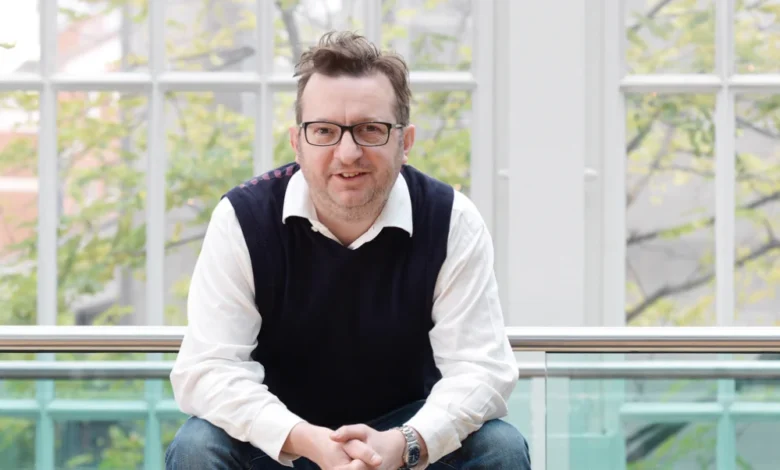
The inaugural dedicated Ivors Composer Awards took place at the prestigious Grosvenor House in London, marking a historic milestone in the 71-year legacy of the Ivor Novello Awards by establishing an event entirely focused on celebrating excellence in composition across diverse genres, media, and disciplines. Sponsored by PRS for Music and presented in association with BBC Radio 3, the landmark ceremony was hosted by broadcaster Petroc Trelawny, drawing prominent figures from the contemporary classical, opera, film scoring, and experimental music communities.
The evening served as a monumental celebration of sonic artistry, highlighting works that span large-scale operatic productions, poignant choral reflections, genre-bending cinematic soundscapes, and lifelong contributions to the global music canon. With winners ranging from veteran orchestrators to contemporary innovators, the event underscored the evolving landscape of modern composition and its profound cultural resonance.
Main Facts of the Evening
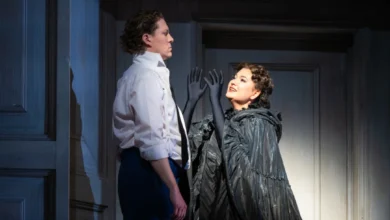
The headline triumph of the night belonged to composer Mark-Anthony Turnage and librettist Lee Hall, whose operatic adaptation of Festen secured the Ivor Novello Award for Best Original Score for Performance. Based on the acclaimed 1998 Danish film directed by Thomas Vinterberg and written by Vinterberg and Mogens Rukov, the opera was commissioned by the Royal Opera House and received its world premiere in February 2025. The production captivated audiences and critics alike with its tense psychological depth and striking orchestral architecture. For Turnage, this victory marks his second Ivor Novello Award, while it represents a celebrated first for Hall, renowned for his distinct theatrical writing.
In the choral and vocal category, composer Deirdre McKay was awarded Best Vocal and Choral Composition for her deeply moving work Litany to the Magdalene Dead. Scored for mezzo-soprano and piano, the composition serves as a solemn musical memorial honoring the nearly 2,000 women who lived, labored, and ultimately died in ten of Ireland’s notorious Magdalene Laundries. McKay’s hauntingly delicate yet devastating sonic tribute earned widespread critical praise for its emotional weight and historical consciousness, marking her first career Ivor Novello Award.
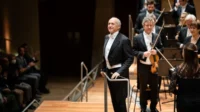
Beyond these category triumphs, the ceremony reserved some of its highest honors for pillars of contemporary music. Legendary Italian pianist and composer Ludovico Einaudi was inducted into the Academy Fellowship, recognizing his monumental contributions to contemporary classical music and his unparalleled global influence across streaming platforms and international concert halls. Meanwhile, Max Richter received the Innovation Award for his boundary-pushing approach to electronic and orchestral composition, and Daniel Pemberton took home the inaugural Composer of the Year Award following a prolific season defined by acclaimed cinematic and television scores.
Background Context and Evolution of the Ivor Novello Awards
To understand the magnitude of this inaugural dedicated ceremony, one must look at the rich history of the Ivor Novello Awards, established in 1955 by the Ivors Academy (formerly the British Academy of Songwriters, Composers and Authors – BASCA). Named in honor of the legendary Welsh entertainer Ivor Novello, the awards have historically celebrated songwriting and composing excellence in the United Kingdom.
For decades, composition awards—particularly those recognizing classical, contemporary, sound art, and jazz works—were integrated into broader ceremonies that often favored mainstream pop and commercial songwriting. While these integrated events provided a platform for diverse creators, composers across contemporary, concert, and screen disciplines frequently advocated for a dedicated space. Their advocacy centered on the reality that the creation of classical scores, operatic works, installations, and complex multimedia compositions requires distinct evaluative criteria, technical appreciation, and institutional recognition.
The decision by the Ivors Academy to split off and establish a standalone event dedicated exclusively to composers represents a major structural evolution. By partnering with PRS for Music and BBC Radio 3, the Academy ensured that these specialized forms of musical expression would receive prime broadcast visibility and industry-wide reverence. The choice of Grosvenor House in London as the venue added to the gala atmosphere, signaling to the global cultural community that musical composition of all serious disciplines holds a premier place in British arts funding and public consciousness.
Chronology of the Winning Works and Productions
The journey toward these accolades spans years of creative development, rigorous rehearsals, and cultural resonance.
The genesis of Festen dates back several years prior to its 2025 premiere. Thomas Vinterberg’s original 1998 Dogme 95 film established a dark cinematic language exploring family trauma, denial, and psychological unraveling. Translating this tension-filled cinematic masterpiece into a grand opera required an intricate synergy between Turnage’s visceral orchestral writing and Hall’s incisive libretto. Following years of composition and collaborative workshops, the Royal Opera House commissioned the piece, culminating in its landmark premiere in February 2025. The opera immediately drew acclaim for its uncompromising dramatic momentum, leading directly to its recognition at Grosvenor House.
Deirdre McKay’s Litany to the Magdalene Dead emerged from a profound period of historical reckoning in Ireland regarding the state and church-run Magdalene Laundries, institutions that operated for decades before closing their doors in the late 20th century. McKay spent significant time researching the testimonies of the women institutionalized within these facilities. By crafting a musical memorial utilizing mezzo-soprano voice and piano, she translated historical sorrow into an accessible yet harrowing chamber work. The piece resonated deeply within the contemporary classical community before catching the attention of the prize adjudicators.

Simultaneously, the career trajectories of the special honorees reflect decades of dedication. Ludovico Einaudi’s decades-long catalog—ranging from minimalist piano albums to massive film soundtracks like Nomadland and The Father—paved the way for his Academy Fellowship. Max Richter’s decade-defining works, including Sleep and The Blue Notebooks, coupled with Daniel Pemberton’s relentless output across blockbuster cinema (such as the Spider-Verse franchise and Enola Holmes), culminated in a banner year for compositional arts.
Supporting Data and Industry Impact
The commercial and cultural weight of the inaugural Ivors Composer Awards is underscored by broad economic and institutional data within the United Kingdom’s music sector. According to recent reports from PRS for Music, the collective licensing organization that sponsored the event, revenues generated by classical and contemporary composition performance continue to demonstrate resilience despite shifting digital consumption models.
Furthermore, data from UK music education and commissioning bodies indicate that operatic and orchestral works, while costly to produce, generate significant cultural tourism and international prestige. The Royal Opera House’s commissioning of Festen reflects a broader institutional push to attract modern audiences through culturally relevant, dramatic source material rather than solely relying on standard 19th-century repertoire.
In the realm of screen and contemporary composition, winners like Daniel Pemberton and Max Richter represent a massive economic engine. British film and television composers contribute hundreds of millions of pounds annually to the UK creative industries export economy. By acknowledging their work alongside classical concert composers, the Ivors Composer Awards bridge the historical gap between commercial media scoring and high art composition, validating both as equally rigorous intellectual pursuits.
Statements and Reactions from Related Parties
While formal press statements released following the gala reflected immense gratitude, interviews and industry commentary surrounding the winners shed light on the emotional and professional significance of the event.
Reflecting on the successful transition of Festen from screen to stage, collaborators noted the unique challenges of musicalizing a cinematic landmark. Industry analysts pointed out that Turnage’s ability to capture the claustrophobic atmosphere of Vinterberg’s film through brass and percussion textures demonstrated why he remains one of Britain’s most vital living composers. Lee Hall’s libretto was widely praised for retaining the biting dialogue and psychological authenticity of the original screenplay while opening up emotional spaces that only music could articulate.
Deirdre McKay expressed profound humility upon receiving her award for Litany to the Magdalene Dead. In post-ceremony remarks, she emphasized that the composition was intended to ensure that the forgotten voices of the Magdalene Laundries are never erased from cultural memory. Representatives from Irish arts advocacy groups praised the award, noting that artistic memorials play an essential role in national healing and historical accountability.
Petroc Trelawny, guiding the evening as host on behalf of BBC Radio 3, remarked on the palpable energy inside Grosvenor House. He noted that bringing together composers of opera, chamber music, film scores, and sound art under one dedicated roof shattered outdated hierarchies within the music industry, proving that creativity in the 21st century defies rigid genre boundaries.
Broader Implications for the Future of Composition
The establishment of a standalone event for the Ivors Composer Awards carries profound implications for the future of the music industry. By separating composer recognition from commercial pop songwriting categories, the Ivors Academy has elevated the public profile of serious music creators who often labor behind the scenes of major cinematic productions, theater stages, and concert halls.
First, this dedicated platform enhances discoverability. Classical works, contemporary operas, and experimental sound installations often struggle for mainstream media coverage in a crowded digital landscape. Major broadcast partnerships, such as the association with BBC Radio 3, ensure that winning compositions reach wide, engaged audiences across the UK and beyond, encouraging cultural institutions to take creative risks on new commissions.
Second, the spotlight on innovators like Max Richter and Daniel Pemberton signals to emerging artists that genre fluidity is not only accepted but celebrated. As video games, immersive installations, and virtual reality open new frontiers for interactive audio, the definition of a "composer" continues to expand. The success of the inaugural ceremony suggests that future iterations of the Ivors Composer Awards will serve as a vital compass for where modern art and sound design are heading.
Ultimately, the night at Grosvenor House was more than an awards ceremony; it was a definitive statement on the enduring power of music to interrogate history, process trauma, and push intellectual boundaries. As Mark-Anthony Turnage, Deirdre McKay, and their fellow honorees take their place in the annals of music history, the newly independent Ivors Composer Awards have firmly established themselves as the gold standard for recognizing the architects of modern sound.
Related posts: