High-fidelity music streaming service Qobuz officially expands to Apple TV to bring lossless audio to the living room

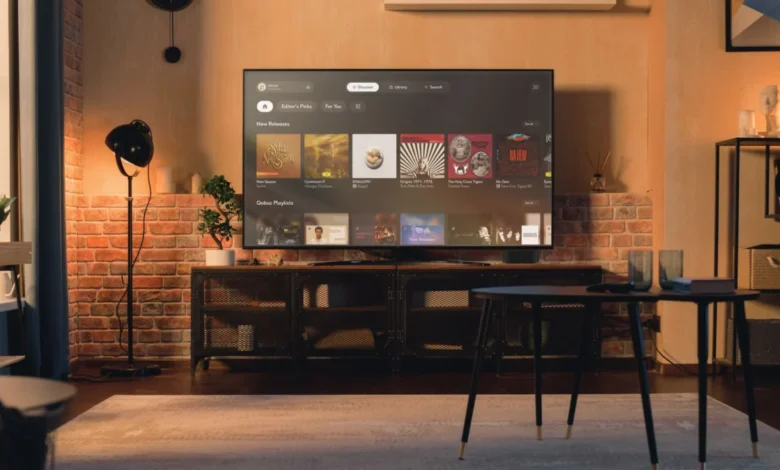
The landscape of high-resolution digital audio has undergone a significant transformation this week as Qobuz, the French-based music streaming service renowned for its commitment to audiophile-grade quality, officially launched its dedicated application for Apple TV. This strategic expansion marks a departure from mobile-first or desktop-centric listening habits, positioning the television—and by extension, the home theater sound system—as a primary hub for high-fidelity discovery and consumption. By bringing its full lossless catalogue to the big screen, Qobuz is effectively bridging the gap between convenience-based streaming and the immersive requirements of the modern home audio enthusiast.
The Evolution of Audiophile Streaming
Founded in 2007, Qobuz was one of the first platforms to champion FLAC-based streaming, distancing itself from the compressed MP3 and AAC formats that dominated the early 2000s. While competitors like Spotify and Apple Music prioritized massive libraries and algorithmic curation, Qobuz carved a niche by focusing on metadata-rich, studio-quality audio, often reaching 24-bit/192 kHz resolution.
The decision to develop a native tvOS application follows years of user requests. Historically, listeners looking to stream high-resolution audio through their home theater systems were forced to rely on AirPlay or third-party hardware bridges, which often introduced latency or bit-rate downsampling. With this native integration, Qobuz aims to bypass these bottlenecks, allowing users to tap into the full potential of their digital libraries directly from their living rooms.
Features and Interface Design
The new Qobuz app for Apple TV has been architected specifically for "living-room listening," a design philosophy that prioritizes visual clarity and ease of navigation on large displays. Unlike mobile interfaces, which are constrained by screen real estate, the tvOS version maximizes the expansive nature of television panels.
Key functional features include:
- Comprehensive Metadata Visualization: Users can view album covers, full tracklists, and detailed credits simultaneously. This side-by-side layout provides the type of context traditionally found only on physical album sleeves, catering to users who value the history and production details of the music they consume.
- Synchronized Lyrics: In a nod to the social and performative aspects of home listening, the app provides real-time, on-screen lyrics that sync precisely with the playback, offering a karaoke-style experience for those who wish to engage more deeply with the compositions.
- Human-Led Curation: A cornerstone of the Qobuz service is its rejection of purely algorithmic playlists. The Apple TV app emphasizes "Qobuzissimes"—a curated selection of emerging artists and high-quality new releases—alongside editorial picks created by the platform’s team of musicologists.
- Seamless Ecosystem Sync: Any modification to a user’s library—whether adding an album, creating a playlist, or following an artist—is synced instantly across all linked devices, including smartphones, tablets, and computers.
- Qobuz Connect: Perhaps the most significant technical feature, Qobuz Connect allows users to initiate a stream on a mobile device and "hand off" the playback to the Apple TV, provided both devices are on the same local network. The mobile device then functions as a sophisticated remote control, allowing the user to manage playback, volume, and queueing without interrupting the stream being processed by the Apple TV.
Technical Specifications and Hardware Compatibility
The implementation of high-resolution streaming on tvOS is subject to the hardware limitations of the specific Apple TV model in use. While the software provides a consistent experience, the audio output is dependent on the device’s internal digital-to-analog conversion (DAC) capabilities and processing power.
The application is compatible with all Apple TV devices capable of running tvOS 26. However, playback performance is tiered:
- Apple TV 4K (2026 Model): Supports full high-resolution playback, including 24-bit/192 kHz files, effectively maintaining the integrity of the original studio master.
- Apple TV 4K (2022 Model): Limited to 24-bit/48 kHz. While this is still a step above CD-quality audio (16-bit/44.1 kHz), it represents a downsampling of the highest-resolution files available on the Qobuz platform.
Industry analysts note that this hardware disparity is common in the streaming sector, where software manufacturers must balance the high bandwidth requirements of FLAC files with the varying processing overhead of legacy streaming boxes.
Industry Context and Strategic Implications
The launch of the Qobuz app on Apple TV arrives at a pivotal moment for the audio industry. In recent years, streaming services have engaged in an "arms race" regarding audio quality. Apple Music introduced "Lossless" and "Hi-Res Lossless" tiers, and Amazon Music Unlimited followed suit with its Ultra HD offerings. By expanding its reach to the television platform, Qobuz is attempting to reclaim the "high-end" narrative by proving that their curated, metadata-heavy approach offers a superior user experience compared to the more generic interfaces of tech giants.
"By moving the high-fidelity experience from the smartphone to the home cinema, Qobuz is betting that consumers are increasingly looking for ‘lean-back’ experiences," says industry consultant Marc Thompson. "In the early days of streaming, it was all about mobility. Now, the market is shifting toward home integration, where the TV is the central hub for not just video, but the high-end audio output of the home theater system."
Chronology of the Integration
- Early 2024: Qobuz signals intent to expand its cross-platform presence beyond desktop and mobile apps.
- Mid-2024: Beta testing begins for the tvOS platform, focusing on UI optimization for remote-control navigation.
- October 2026: Official release of the Qobuz app on the Apple App Store for tvOS.
- Immediate Post-Launch: Early user reports indicate high stability in playback and successful synchronization with mobile libraries.
Future Outlook
While the current iteration of the app provides a robust feature set, industry observers anticipate that future updates will likely focus on even deeper integration with high-end AV receivers and multi-room audio setups. The ability to control playback via Qobuz Connect is seen as the first step in a broader strategy to make Qobuz a ubiquitous service in audiophile ecosystems.
For the average consumer, the arrival of Qobuz on Apple TV provides an opportunity to utilize existing home theater equipment for high-fidelity listening without the need for additional proprietary hardware. For the audiophile community, it represents a validation of the necessity for lossless streaming, even within the increasingly consolidated ecosystem of the living room.
As the market continues to prioritize both convenience and audio fidelity, the success of this integration will likely be measured by how effectively Qobuz can maintain its "curated, human-first" brand identity while navigating the competitive constraints of the Apple hardware ecosystem. For now, the app stands as a significant milestone in the ongoing efforts to democratize access to studio-quality sound in the domestic environment.