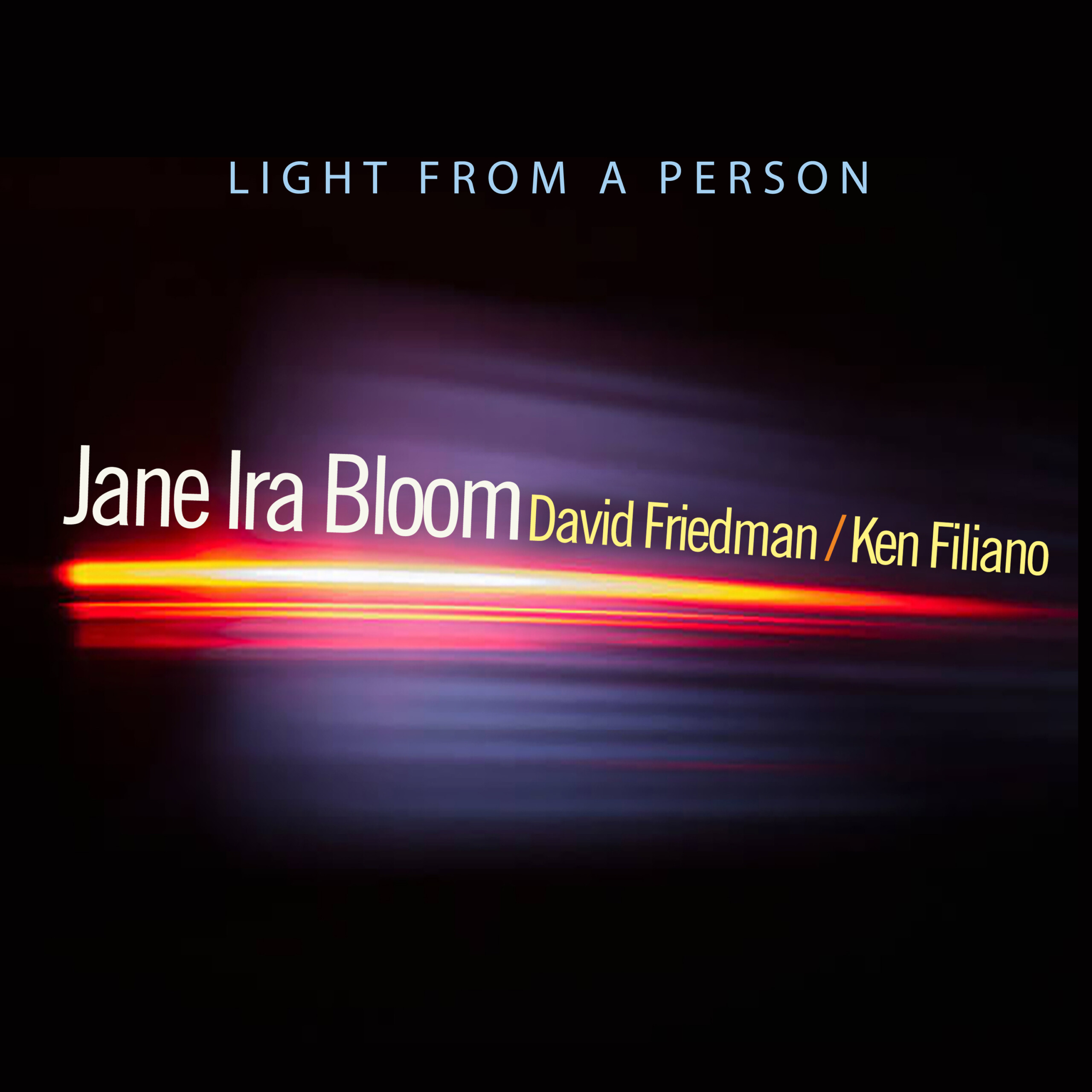
Soprano saxophonist and composer Jane Ira Bloom has marked a significant milestone in her illustrious career with the release of her latest studio album, Light From a Person. The project represents a poignant reunion with vibraphonist David Friedman, a long-time collaborator with whom Bloom first shared a stage and recording studio more than four and a half decades ago. Joined by bassist Ken Filiano, the trio recorded the 10-track collection at the Clive Davis Institute in Brooklyn, New York. The resulting album stands as a testament to the enduring chemistry of seasoned jazz musicians and the modern technical possibilities of high-fidelity immersive audio.
A Chronology of Collaboration
The professional relationship between Bloom and Friedman dates back to the late 1970s, a formative period for both artists. At the time, the jazz landscape was shifting, with experimental configurations and new tonal palettes gaining traction in New York City’s vibrant club scene. Bloom, known for her distinctive approach to the soprano saxophone, found a kindred spirit in Friedman, whose work on the vibraphone provided a shimmering, percussive counterpoint to her lyrical lines.
Over the ensuing forty-five years, their paths diverged—Friedman eventually relocated to Berlin, Germany, to pursue his own compositions and pedagogical work, while Bloom remained a stalwart of the New York jazz scene, earning numerous accolades, including a Guggenheim Fellowship and the Doris Duke Jazz Artist Award. Despite the geographic distance and the decades that passed, the decision to reconvene was driven by a shared desire to explore the sax-vibes-bass trio configuration—a format Bloom has mastered throughout her career. The recording sessions in Brooklyn were characterized by a notable lack of formal rehearsal time, a creative choice that prioritized spontaneity and the raw, immediate connection between the three players.
Technical Precision and Immersive Sound
The production of Light From a Person was not merely a musical endeavor but a technical one. Recognizing the spatial potential of the trio’s sound, Bloom enlisted the expertise of renowned recording specialists Jim Anderson and Ulrike Schwarz. The team focused on capturing the performances in high-definition stereo and immersive audio formats, ensuring that the listener experiences the nuances of the room and the precise interplay between the instruments.
This focus on audio quality reflects a broader trend in the jazz industry, where high-resolution formats are increasingly used to bridge the gap between a live performance and the home listening experience. By conceiving and performing the tracks specifically for surround sound, Bloom and her cohorts have created a record that functions as an acoustic map of the studio, highlighting the resonance of Friedman’s vibes and the woody, foundational tones of Filiano’s bass. The album is available in both standard digital and immersive digital formats, catering to an audience that values both artistic content and sonic fidelity.
Analysis of the Sax-Vibes-Bass Configuration
The sax-vibes-bass trio is a challenging configuration for any improviser. Without the harmonic cushion of a piano or the rhythmic propulsion of a drum kit, the burden of maintaining the structural integrity of a piece rests entirely on the three participants. In the case of Light From a Person, the configuration serves to highlight the individual voices of the musicians.
The track "White Tower" serves as a primary case study for this dynamic. Bloom has described the piece as a "simple, folk-like song," a characterization that belies the complexity of the execution. In this track, Bloom adopts a relatively unadorned melodic approach, allowing the inherent melancholy of her saxophone lines to drive the narrative. Friedman’s vibraphone work acts as both a harmonic support and a melodic partner, frequently weaving in and out of the primary melody. Filiano’s bass work is equally vital, providing the essential bottom end that keeps the piece grounded while offering elegant, soulful solo passages that bridge the transitions between Bloom and Friedman’s statements.
The success of this interaction suggests that the "just record what feels good" philosophy adopted by the trio was a calculated risk that paid off. By eschewing over-rehearsal, the musicians avoided the pitfalls of stagnation, ensuring that each take contained the freshness of a first encounter.
The Role of the Clive Davis Institute
The choice of the Clive Davis Institute in Brooklyn as the recording venue is significant. As an academic and professional hub for music production, the facility provides an environment that favors technical experimentation and high-quality capture. Recording here allowed the trio to utilize state-of-the-art microphones and acoustic treatments, which were essential for achieving the "chiming, resonant" quality of the vibraphone that is so prominent on the record.
The facility’s role in modern jazz production cannot be overstated. As jazz continues to evolve in the 21st century, the marriage of traditional improvisation and advanced production techniques has become a defining feature of the genre’s longevity. By choosing to record in a space designed for high-fidelity audio, Bloom is positioning her work within a lineage of jazz recordings that prioritize the listener’s immersion in the performance space.
Broader Impact and Industry Implications
The release of Light From a Person occurs at a time when the jazz industry is navigating the shift toward digital consumption. For established artists like Bloom and Friedman, the challenge lies in balancing the traditional values of jazz—improvisation, spontaneity, and human connection—with the demands of modern streaming and high-definition formats.

The album serves as a case study for how legacy artists can remain relevant while maintaining artistic integrity. By revisiting a configuration that is both historic and technically demanding, the trio proves that the essence of jazz is not found in complex arrangements or excessive layering, but in the quality of the conversation between musicians.
Furthermore, the collaboration highlights the global nature of contemporary jazz. Despite the "return to the States" narrative, the influence of Friedman’s tenure in Berlin and the global reach of Bloom’s work suggest a borderless jazz community. The ability of these musicians to come together, regardless of their current base of operations, and produce a cohesive, thoughtful, and technically sophisticated record is a testament to the strength of the jazz network.
Conclusion: A Legacy of Spontaneity
Light From a Person is more than just a collection of ten tracks; it is a snapshot of an ongoing creative evolution. For Jane Ira Bloom, the album represents a return to her roots while simultaneously embracing the future of sound engineering. For David Friedman, it is a reunion that reaffirms the validity of their original collaborative vision.
As the industry continues to monitor the impact of immersive audio on jazz, projects like this will likely serve as benchmarks. The simplicity of the "folk-like" melodies, combined with the complex, high-resolution capture, provides a listening experience that is both accessible and deeply rewarding. With Light From a Person, Bloom, Friedman, and Filiano have demonstrated that even after forty-five years, the capacity for surprise—and the ability to "record what feels good"—remains the most powerful tool in the jazz musician’s arsenal.
The album, now available across digital platforms, invites listeners to engage with a sound that is as intimate as it is expansive. Whether through standard stereo or the depth of an immersive mix, the music of Jane Ira Bloom remains a beacon of clarity, proving that when the right musicians gather, the passage of time is but a secondary concern to the immediate, resonant truth of the performance.