How Prince and the New Power Generation Conceived the Iconic Hit Sexy MF in a Single Paisley Park Studio Session

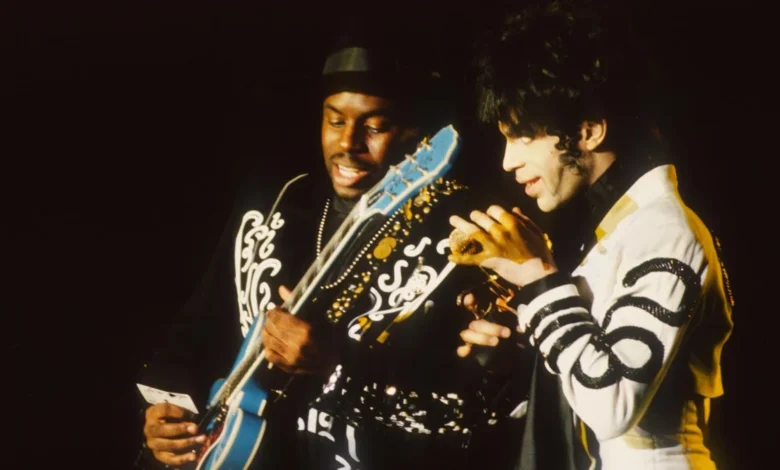
The creative process at Paisley Park Studios during the early 1990s was rarely a matter of meticulous planning; it was, by all accounts, an exercise in high-stakes spontaneity. For Levi Seacer Jr., the guitarist and musical director of the New Power Generation (NPG), working with Prince required a constant state of readiness. This environment of perpetual preparedness served as the crucible for one of the most provocative and enduring tracks of the era: "Sexy MF." The song, which eventually became a centerpiece of the 1992 Love Symbol album, serves as a masterclass in how Prince leveraged the specific talents of his ensemble to craft hits on the fly.
The October 1991 Studio Environment
In October 1991, the atmosphere at Paisley Park in Chanhassen, Minnesota, was charged with the pressure and excitement of crafting the follow-up to the commercially successful Diamonds and Pearls. Prince was not merely a bandleader; he was an architect of sound who preferred to build compositions from the ground up while the tape was rolling.
The session for "Sexy MF" began with a simple directive from Prince: "I got this new idea for a song, so you guys just follow me." The track was born from a rhythmic foundation established by drummer Michael Bland. Known for his ability to interpret Prince’s abstract rhythmic requests, Bland provided a pocket that was inherently "funky." Prince, acting as both conductor and multi-instrumentalist, began to layer parts, assigning roles to his musicians in real-time.
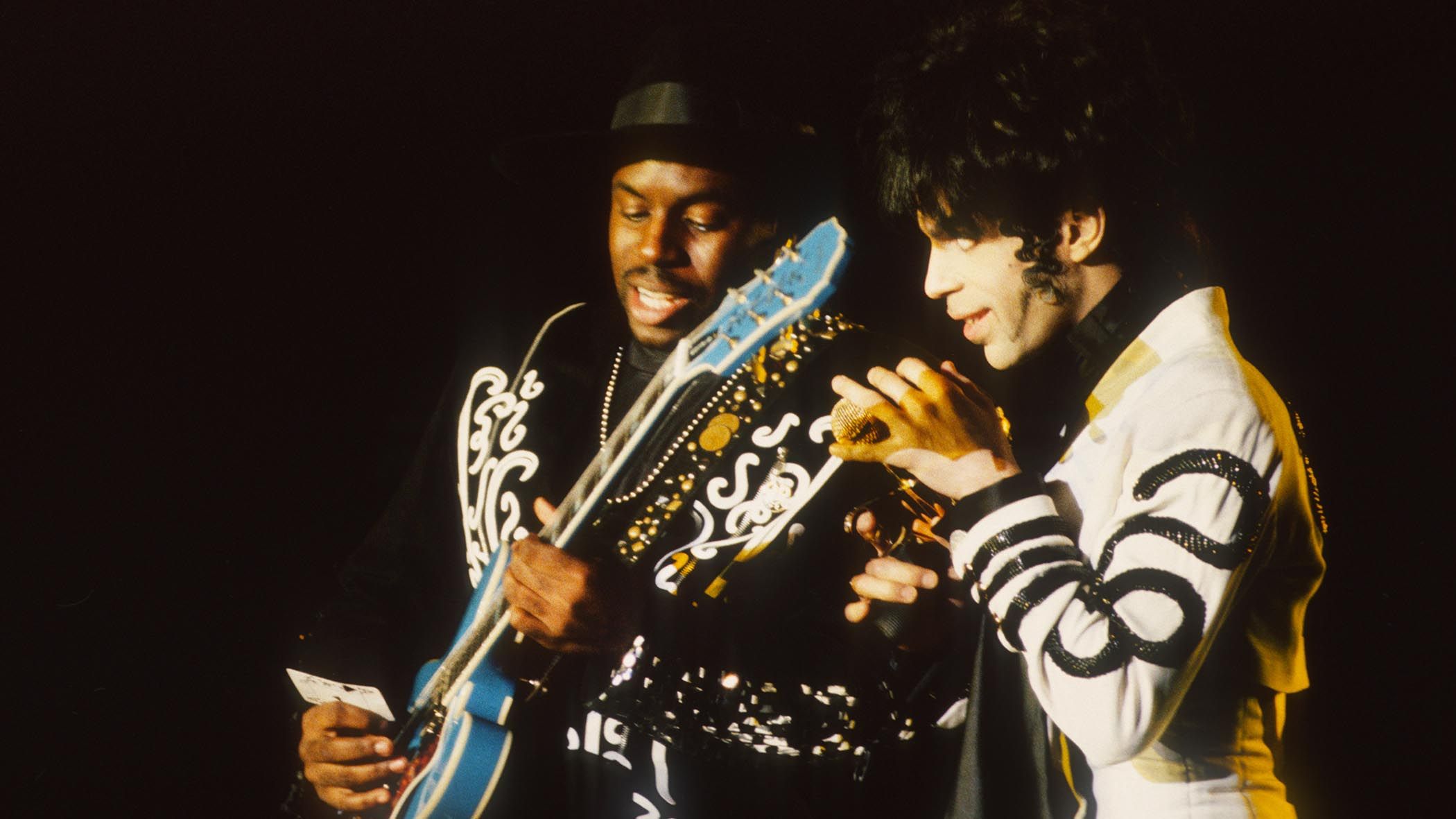
Seacer’s contribution to the track is a quintessential example of the trust Prince placed in his inner circle. When asked to provide guitar accompaniment, Prince did not offer sheet music or specific chord voicings. Instead, he instructed Seacer to "put some chicken grease on it"—a colloquialism for a rhythmic, percussive, and muted guitar style deeply rooted in funk traditions. Seacer’s immediate, intuitive response to this direction provided the track with its infectious, rhythmic backbone.
The Genesis of a Controversial Anthem
The evolution of the song’s lyrics highlights the collaborative, if occasionally irreverent, nature of the NPG’s creative dynamic. During the recording, Prince turned to the familiar, lighthearted banter Seacer had developed while on the road. Seacer, often joking with the band after a performance, would frequently exclaim, "We some sexy motherfuckers!"
Recognizing the potential for a hook, Prince incorporated this spontaneous, off-the-cuff phrase into the structure of the song. He instructed Seacer to deliver the line on cue. This decision transformed a private tour-bus joke into a global pop phenomenon. However, the explicit nature of the title and chorus posed immediate challenges for radio play and television broadcasts. The industry standard at the time, particularly regarding FCC regulations in the United States and similar broadcast standards internationally, necessitated a sanitized version of the song, leading to the "Sexy Mutha" edit. Despite the censorship, the track achieved significant chart success, particularly in the United Kingdom, where it became an emblem of the era’s intersection between funk, hip-hop, and pop music.
Chronology and Musical Improvisation
The session was characterized by a rapid, iterative workflow. Once the rhythm section and guitar parts were established, Prince moved through the room, assigning keyboard parts to Tommy Barbarella and refining the overall arrangement. The song’s structure, defined by its punctuated breaks, was finalized within hours.
The inclusion of the rap segment by Tony M and the subsequent guitar solos further solidified the song’s genre-bending appeal. For the guitar solo, Prince again favored spontaneity over perfectionism. He called out to Seacer, "Levi, fly! Okay!" and the resulting solo was captured in a single take. In many professional studio settings, such a spontaneous take would be considered a placeholder to be refined or replaced during post-production. However, Prince’s philosophy favored the energy of the moment over technical polish. When Seacer later inquired whether he should re-record the solo, Prince dismissed the idea, stating, "Nah, nah, it’s all right. It’s good." This decision underscores the artist’s belief that the raw, immediate energy of a live, one-take performance contained a musical vitality that could not be manufactured in a controlled, multi-tracked environment.
Supporting Data and Industry Impact
The release of "Sexy MF" came at a pivotal time for Prince and the NPG. The Love Symbol album (officially titled [Symbol]) represented a shift toward a more aggressive, hip-hop-influenced sound. "Sexy MF" peaked at number 66 on the Billboard Hot 100 in the U.S., but its impact was significantly higher in international markets, reaching number 4 on the UK Singles Chart.
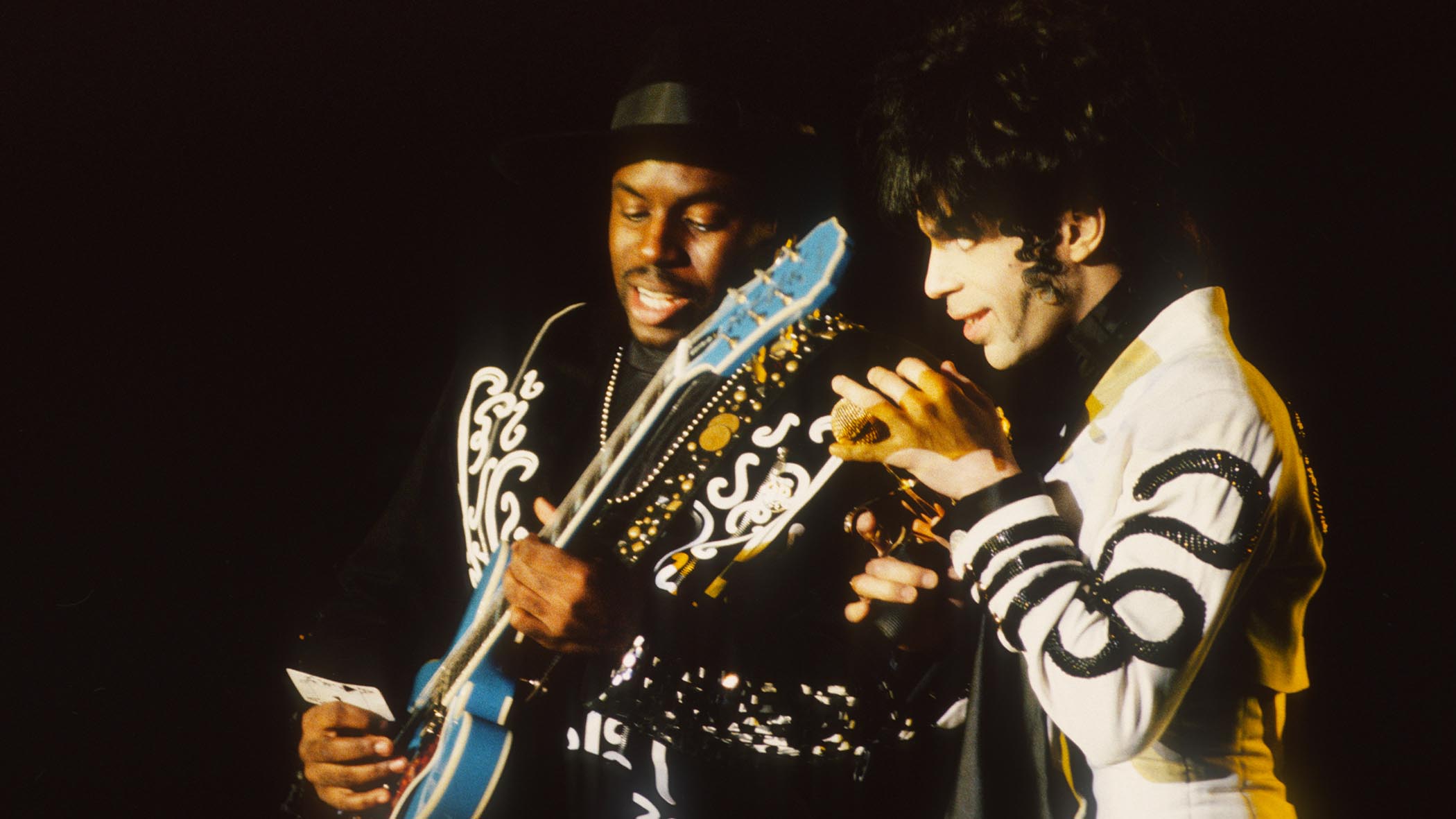
The success of the track also highlighted the internal politics of the music industry at the time. Levi Seacer Jr. had previously been involved in high-pressure negotiations regarding the musical direction of the band, including the pivotal conversation where he and others advised Prince on the necessity of releasing "Cream" as a single from Diamonds and Pearls. These moments illustrate that while Prince was the primary creative force, the NPG served as an essential sounding board. The "Sexy MF" sessions were indicative of a period where Prince was willing to listen to the band’s input to ensure the music remained current and radio-friendly, even while pushing boundaries with provocative lyrics.
Analysis: The Philosophy of Spontaneity
The implications of the "Sexy MF" recording process extend beyond the success of a single track; they offer a window into the broader methodology of the New Power Generation. By delegating creative autonomy to his musicians—asking for "chicken grease" rather than specific notes, or allowing for one-take solos—Prince fostered an environment where the musicians felt personally invested in the outcome.
This approach created a distinct "band sound" that separated the NPG from other acts of the early 90s. While many pop stars of the era relied on rigid, programmed production, Prince prioritized human interaction. The fact that the song’s title and primary hook originated from a spontaneous, off-stage joke is a testament to the artist’s ability to synthesize his surroundings into his work.
Legacy and Broader Implications
"Sexy MF" remains a case study in the efficacy of the "rehearse-record-release" model that Prince utilized throughout his career. By maintaining a high-fidelity, fully equipped recording facility at Paisley Park, he eliminated the lag time between the inspiration of an idea and its capture on tape.
For modern music producers and historians, the track serves as a reminder of the importance of artistic trust. The professional relationship between Prince and Levi Seacer Jr. was built on years of touring and studio collaboration, allowing for a shorthand communication that facilitated rapid creation. As the music industry continues to lean toward increasingly digital and detached production methods, the story of "Sexy MF" stands as a compelling argument for the enduring value of musicianship, collaboration, and the bravery to trust the first take. The song, while controversial in its day, successfully bridged the gap between the underground funk scene and the global pop charts, leaving an indelible mark on the musical landscape of the 1990s.
Related posts: