Billy Joel’s "Pressure": A Deep Dive into the Accidental Masterpiece Born from Creative Block

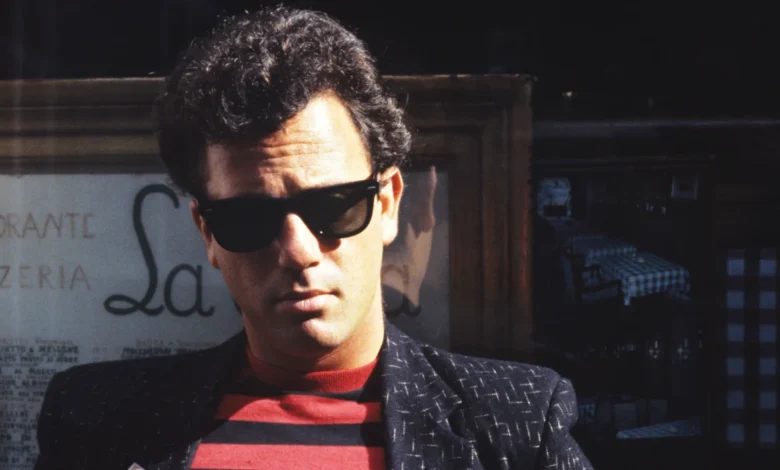
Billy Joel, a towering figure in the pantheon of musicians and songwriters, solidified his indelible performance style early in his career with the iconic 1973 hit, "Piano Man." His dominance throughout the 1970s was a testament to his profound musicality, both lyrically and technically, with the acoustic piano serving as the cornerstone of his extensive recorded and live repertoire. However, after a prolific output of seven studio albums in the decade, Joel found himself grappling with a formidable foe: writer’s block, by the early 1980s. This creative drought, far from unusual for prolific artists, presented a significant challenge for the artist.
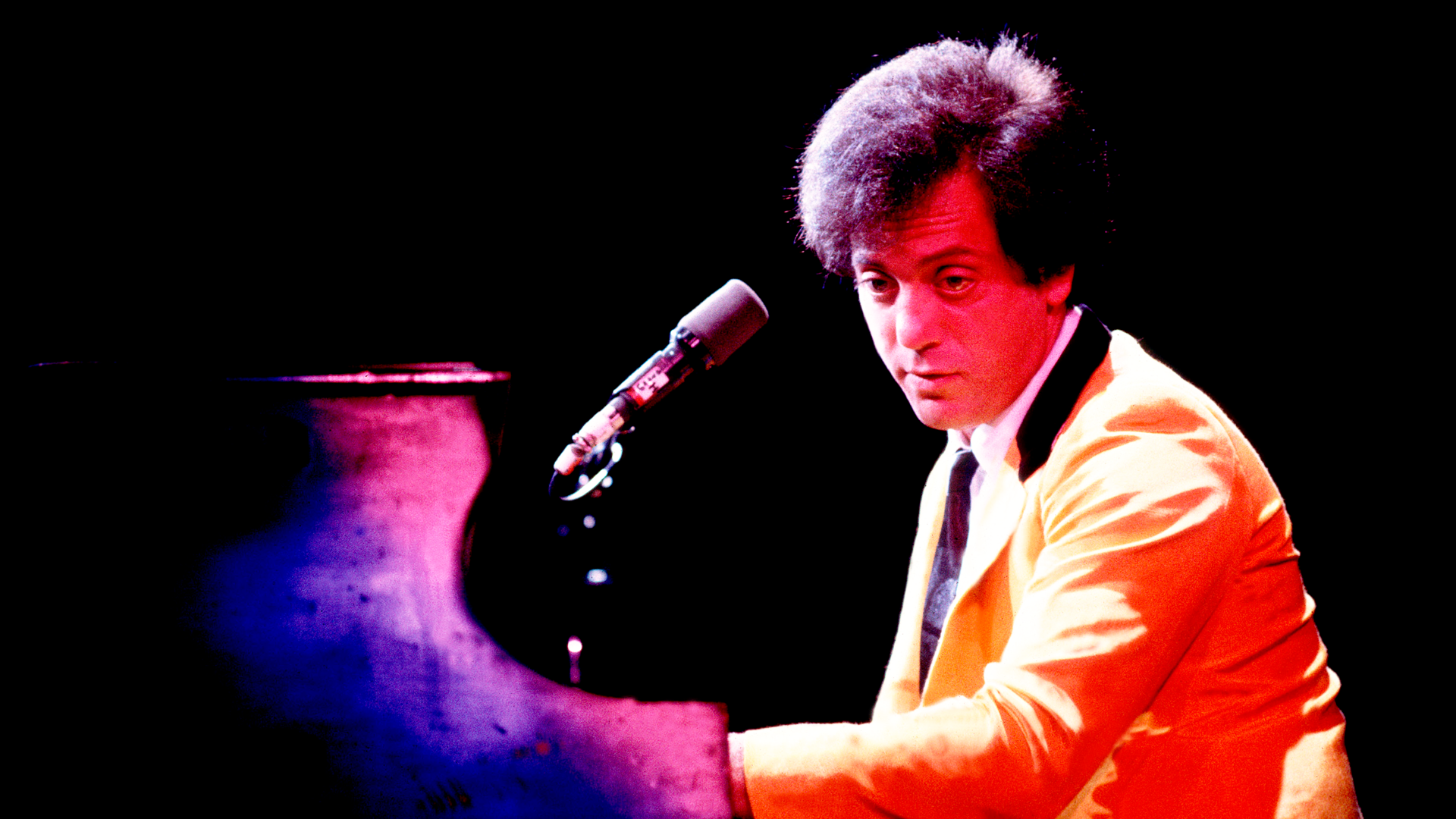
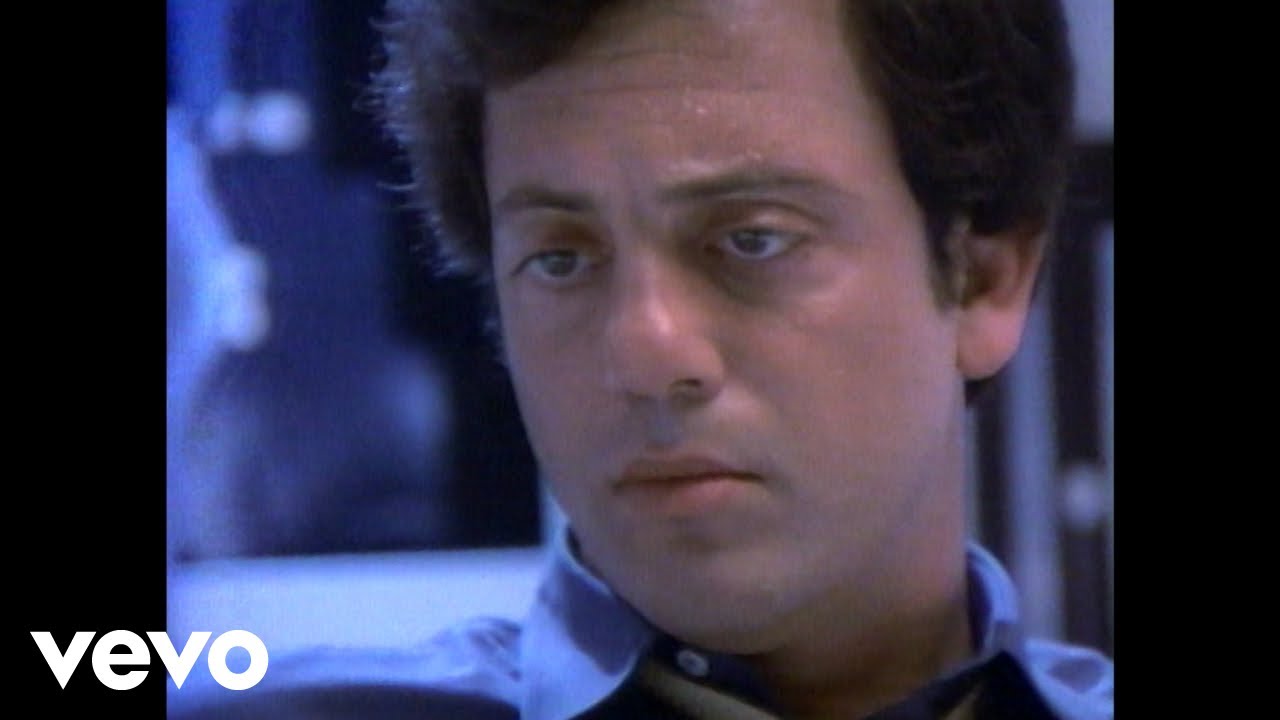
The unexpected catalyst that shattered this creative impasse was a seemingly casual remark from his assistant, a comment that would ultimately inspire the song "Pressure." Joel himself revealed to MTV’s Night School, "The pressure I was writing about in this song wasn’t necessarily music business pressure, it was writing pressure." He elaborated on the internal struggle: "At the time, I was saying, ‘Well, I gotta write some more stuff for the album’; I was about halfway through, and I said, ‘Well, what am I gonna do? I don’t have any ideas, it’s gone, it’s dead, I have nothing, nothing, nothing. There’s nothing.’" It was in this moment of profound creative despair that his secretary entered, observing his state and remarking, "Wow, you look like you’re under a lot of pressure. I bet you that’d be a good idea for a song." This simple, almost flippant observation, ironically, provided the spark for what would become a signature track from his 1982 album, The Nylon Curtain.
The Genesis of "Pressure": A Creative Breakthrough
The song "Pressure" is a pivotal track on Joel’s eighth studio album, The Nylon Curtain, released in 1982. While the album explored a more mature and often darker lyrical narrative, exemplified in songs like "Allentown," it also embraced the cutting edge of emerging production technologies. The piano remained a central instrument, but it was increasingly complemented or supplanted by synthesizers and electric keyboards. Joel, who had already been known to utilize instruments like the Minimoog and Rhodes electric piano, found the timing perfect to incorporate the nascent Emulator, which allowed for the integration of sampled sounds into his compositions.
This experimental approach is evident throughout the album. "Allentown," for instance, features percussive elements derived from industrial sounds. Producer Phil Ramone, a renowned figure in the music industry, encouraged Joel’s adventurous spirit, leading to innovative techniques such as sampling Joel’s own voice for the hauntingly electronic vocal interlude in "Pressure." The track also showcases the rich layering of synth brass textures interwoven with the piano, creating the song’s distinctive and memorable hook.
Musical Innovation and Lyrical Depth
"Pressure" stands out not only for its lyrical origin but also for its sophisticated musical structure and pioneering use of technology. The song masterfully navigates a complex interplay of major and minor tonalities. Its introduction and verse are rooted in D major, while the chorus dramatically shifts to D minor, creating a palpable sense of tension and release that mirrors the song’s thematic exploration of internal and external pressures.
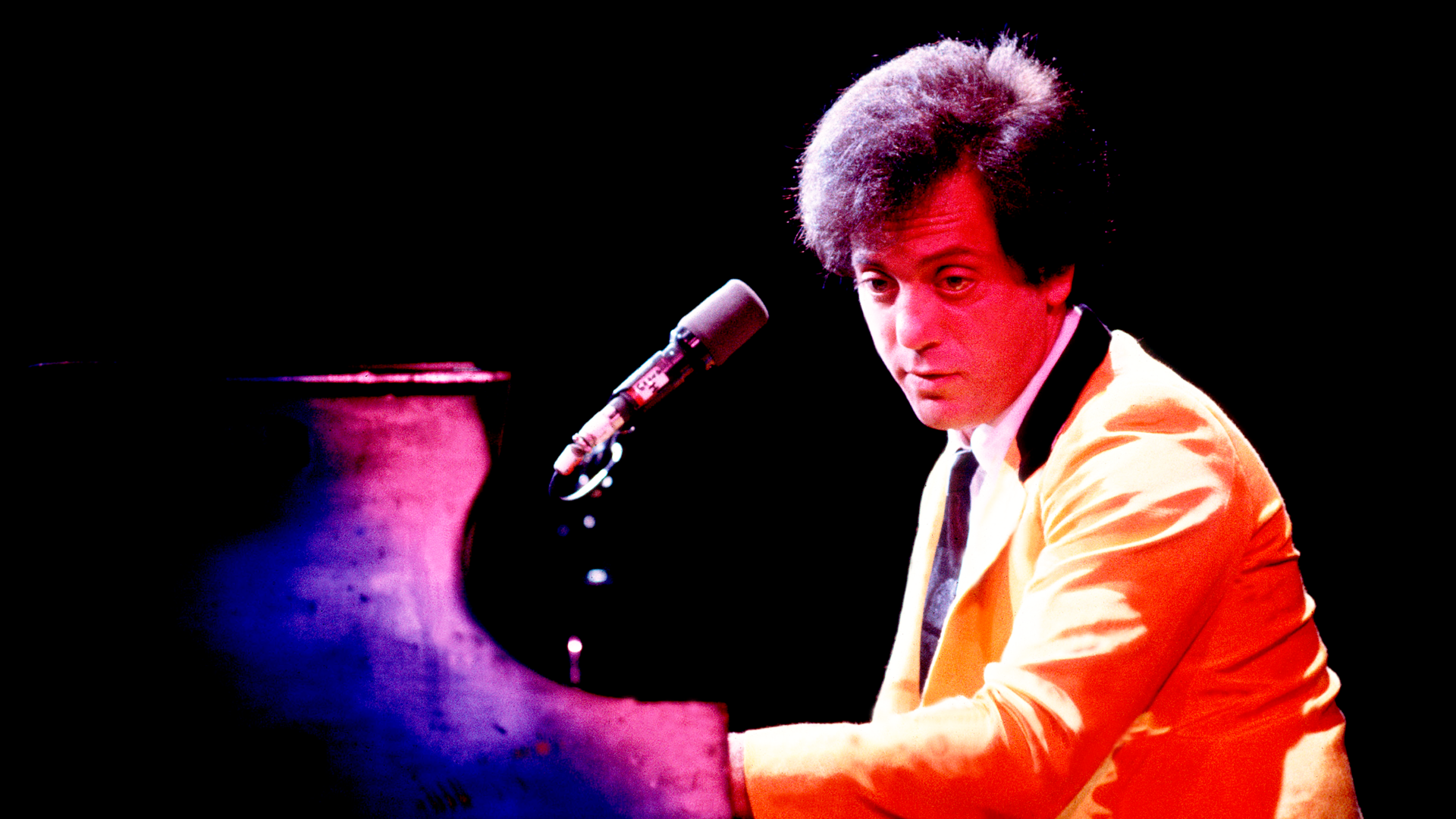
The iconic synth brass and piano riff, which also serves as an introduction to the first verse, is a prime example of Joel’s compositional genius. This riff employs a technique known as a tonic pedal, where the bass note remains constant (in this case, D) while the upper melodic lines, played in thirds, execute intricate harmonic movements. The complexity and fluidity of these melodic lines evoke the grandeur of classical compositions, drawing comparisons to the works of Vivaldi.
Chordal Progression and Rhythmic Nuances
The harmonic structure of the chorus is particularly noteworthy. It features a rapid succession of chords, primarily centered around the D pedal tone: D minor for two beats, C# diminished over D for four beats, and back to D minor for two beats. This sequence is then subtly varied: B minor fifth over D, G minor over D, A seventh over D, and finally D minor, each occupying two beats. The article notes that these are simplified interpretations, acknowledging the highly melodic nature of the riff, with passing notes and resolutions that defy a strict adherence to a two-beat-per-chord structure.
The verse sections, in contrast, are grounded in D major, commencing with a Gsus2 chord for two bars, followed by D major. Interspersed are emphatic stabs on C/D and D chords, coinciding with Joel’s forceful delivery of the word "Presh-arr." The progression then repeats before launching into a more urgent sequence that builds towards the chorus. This transitional section features quicker chord changes: Gm for one bar, C and A for two beats each, and D minor for two bars. The ascent culminates with Bb, F, and G7, each for a bar, before resolving with Asus(4) and A, each for two beats.
A significant rhythmic element that defines "Pressure" is its pervasive half-time feel. This is primarily dictated by the drummer, who places the snare drum on the third beat of the measure, a departure from the more conventional placement on beats two and four. This rhythmic choice lends the song a deliberate, almost marching quality that enhances its thematic weight. As the song builds towards the chorus, the drummer transitions to a conventional time signature, with the snare on beats two and four, creating a subtle but effective crescendo in tempo and intensity, aligning with the song’s overall ethos.
The Avant-Garde Use of Sampling and Vocal Effects
The experimental spirit of "Pressure" extends to its groundbreaking use of sampling. Joel’s sampled vocals, delivered with a distinctive, slightly unsettling quality, are layered over the verse chords, echoing the melodic phrasing of the synth brass riff. In an interview for Phil Ramone’s book, Making Records: The Scenes Behind The Music, Joel described the origin of the unusual vocal sounds: "On Pressure, the noise that sounds like the horn of a French taxicab – that strange, breathless staccato beep – is actually a tape of me singing every note in my repertoire." He further explained the process: "We recorded me singing the notes, and then loaded the tape into an effects gadget called an Emulator. Then, we overdubbed me hollering, ‘PRESH-AR!’ with the same inflection that a Royal Air Force captain might use to bark out a command like ‘TEN-HUT!’"
The slightly out-of-tune quality of these sampled vocals, whether an intentional artistic choice or a consequence of analog recording techniques and editing, contributes significantly to the song’s unsettled atmosphere, perfectly complementing its intense subject matter.
The Serendipitous Studio Mishap
Perhaps the most dramatic instance of creative happenstance occurred during the recording process. In a moment of inspired frenzy, while experimenting with various vocalizations of the word "pressure," Joel impulsively manipulated the master tape. He recalled the event in Ramone’s book: "While the master tape was running, I impulsively hit all the buttons on the tape machine to punch out everything but the section with the yelling." This resulted in a sudden, complete erasure of all musical elements, leaving only Joel’s vocal. Ramone’s initial reaction was one of shock: "’God! What did you do? You erased part of the song!’" However, as Joel and Ramone eventually agreed, this unexpected silence, punctuated solely by the "Presh-aaarrrrr," became a pivotal and impactful moment in the song, adding a unique dimension that neither could have anticipated. This serendipitous studio accident underscores the power of spontaneous creativity and the beneficial outcomes of embracing the unexpected in the artistic process.
A Legacy Rediscovered
The enduring impact of "Pressure" has been amplified by its inclusion in popular culture. In 2020, the song experienced a resurgence in popularity when it was featured in the second season premiere of the superhero drama series The Boys. This placement introduced the often-overlooked gem to a new generation of listeners, reaffirming its status as a testament to Billy Joel’s immense talent, a product of both deliberate craftsmanship and fortunate accidents.
The song’s journey from a moment of crippling writer’s block to an enduring musical statement is a powerful narrative. It highlights the resilience of the creative spirit and the often-unpredictable pathways through which artistic breakthroughs can occur. "Pressure" remains a compelling example of Billy Joel’s ability to synthesize complex lyrical themes with innovative musical arrangements, solidifying his legacy as a truly masterful songwriter and performer. The song’s intricate structure, experimental production, and the compelling story of its creation continue to captivate audiences, proving that even in the face of immense creative challenges, brilliance can emerge.