The landscape of modern music production is shaped by an array of digital tools, each designed to enhance creativity and streamline workflows. While many audio plugins are meticulously crafted to fill specific market gaps and offer groundbreaking features, some of the most impactful tools have ascended to industry-standard status through unforeseen applications and organic adoption. These are not the plugins that developers explicitly aimed to revolutionize the industry with, but rather those that, through their inherent utility and ease of use, found themselves indispensable in workflows their creators never initially envisioned. This phenomenon highlights a crucial aspect of software development in the creative sphere: the ultimate success of a tool is often dictated by how it integrates into the hands of its users and the unexpected solutions it provides.
The journey of a plugin from a novel piece of software to an industry staple is a testament to its sonic quality, efficiency, and adaptability. For a plugin to achieve this coveted status, it must not only sound good enough to rival or surpass its hardware counterparts but, more critically in the digital audio workstation (DAW) environment, it must facilitate a faster and more intuitive workflow. This emphasis on speed and results often trumps the allure of overly complex or feature-rich alternatives. The following exploration delves into the backstories of several audio plugins that, against all odds, have become the unassuming workhorses of studios worldwide, cementing their place as accidental industry standards.
Waves Ultramaximizer: The Unforeseen Loudness Revolution
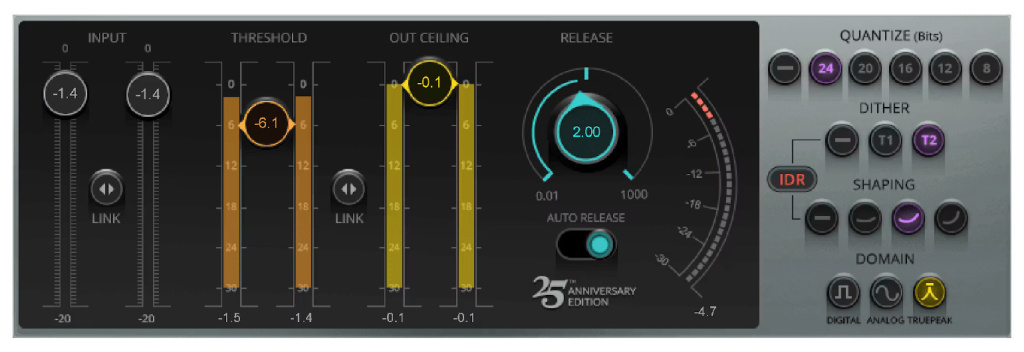
Released by Waves in 1994, the L1 Ultramaximizer plugin emerged during a nascent era of software-based mastering. Its timing was remarkably prescient, offering one of the first integrated solutions for look-ahead peak limiting and level maximization within a DAW environment. This dual functionality immediately positioned the L1 as a powerful tool during the "loudness wars," a period characterized by an aggressive pursuit of maximum perceived volume in music releases. Beyond its role in increasing loudness, the L1 proved exceptionally valuable for maintaining audio integrity when reducing bit depth for formats like CDs, a common practice at the time.

The plugin’s innovative approach was significantly bolstered by its Waves IDR (Increased Digital Resolution) dithering and noise-shaping technology. This advanced feature set provided engineers with an elegant solution for mastering audio for CD release, a critical step in the production chain during the mid-to-late 1990s. The Ultramaximizer’s utility extended beyond music production, becoming a de facto standard in television post-production. Its ability to achieve maximum loudness while adhering to strict broadcast standards made it an indispensable asset for delivering consistent audio quality across various media.
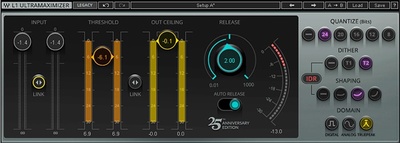
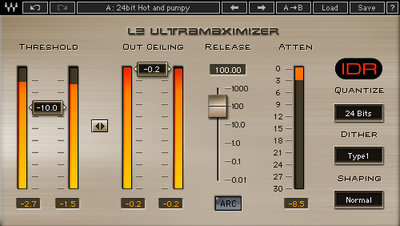
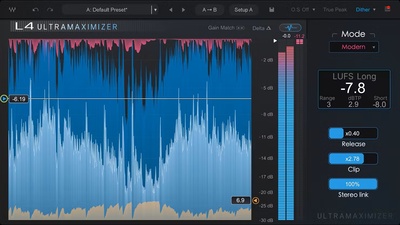
The Waves L-Series has since evolved considerably. The L2, introduced later, incorporated Automatic Release Control (ARC) and a 9th-order noise shaper, leading to more transparent gain reduction and a pronounced punch in the midrange frequencies. More recent iterations, such as the L4, have further expanded the feature set with upward compression, clipping, LUFS metering, and True Peak limiting, demonstrating a continuous adaptation to the evolving demands of audio engineering. This lineage underscores Waves’ ongoing commitment to developing mastering tools that address contemporary production challenges.
FabFilter Pro-Q: Redefining Equalization with Intuitive Design
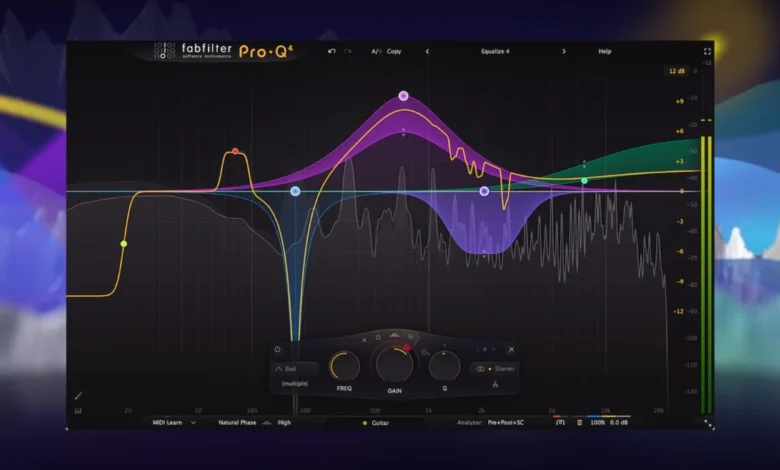
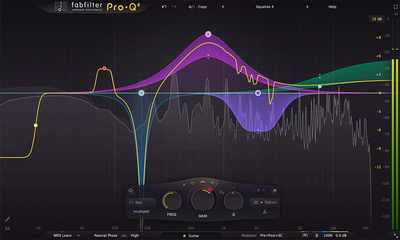
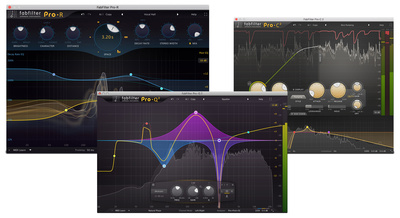
While the concept of equalization is as old as audio engineering itself, FabFilter’s Pro-Q, first launched in 2009, revolutionized the user experience of EQ plugins. It quickly became a beloved tool for producers and engineers working within DAWs, largely due to its exceptionally intuitive graphical user interface (GUI). The Pro-Q’s design fostered a sense of immediate understanding and ease of use, making complex EQ adjustments feel almost effortless, even for those new to the plugin.
A key innovation was the integration of real-time frequency analyzers directly into the interface. This visual feedback allowed users to see the frequency spectrum of their audio as they made adjustments, a feature that was still considered cutting-edge and highly engaging at the time. Subsequent versions, particularly Pro-Q 2, introduced further enhancements such as a piano roll display to aid in harmonic EQ adjustments aligned with a song’s key, and per-band mid-side processing capabilities. This latter feature proved invaluable for targeting specific frequency ranges within the stereo field without affecting other parts of the audio.
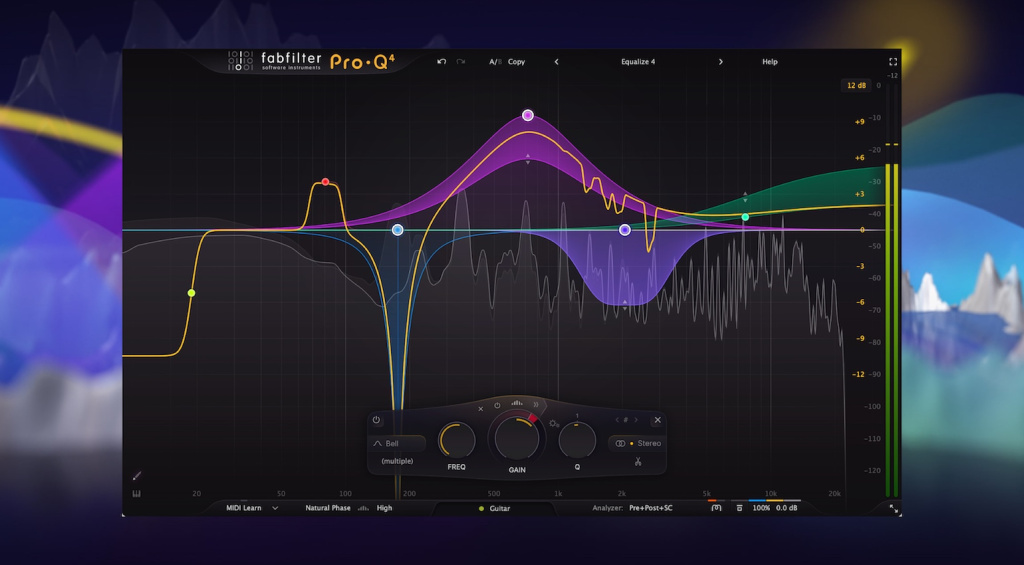
FabFilter Pro-Q has since established itself as the benchmark against which other EQ plugins are measured. The current iteration, Pro-Q 4, continues to push boundaries with features like per-band dynamic and spectral processing modes. Its groundbreaking list view allows for the centralized management and adjustment of all active instances of compatible FabFilter plugins within a DAW project, offering unprecedented control and efficiency. This continuous innovation solidifies Pro-Q’s position as an essential tool for modern mixing and mastering engineers.

Soundtoys Decapitator: The Accidental Master of Harmonic Enhancement
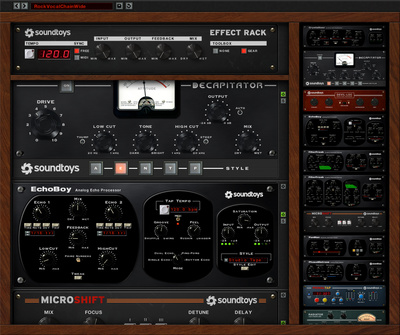
Introduced in 2009, the Soundtoys Decapitator was conceived as a saturation processor designed to imbue audio with the rich harmonics and subtle distortions characteristic of vintage tape machines and tube preamplifiers. While it certainly delivered on this promise, its adoption by the audio community took an unexpected turn. Instead of solely being used for subtle analog warmth, Decapitator became renowned for its ability to impart a distinct character and aggressive edge to various audio elements, far beyond its initial design brief.
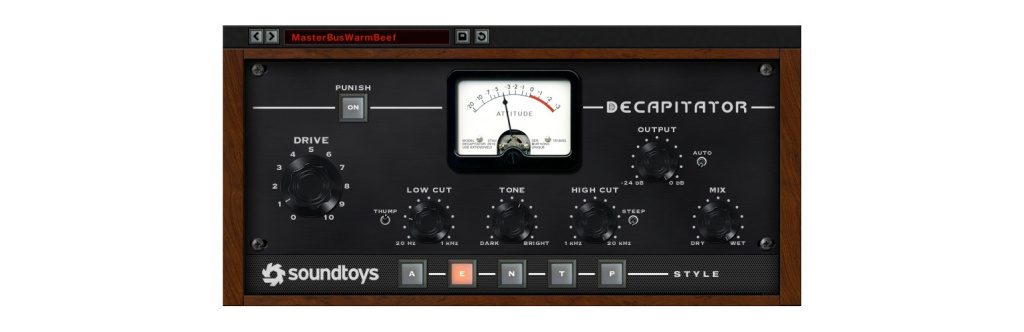
The plugin’s success can be attributed to a confluence of factors, including its broad sonic palette and a refreshingly straightforward interface. Decapitator offers a curated selection of five distinct saturation algorithms. These are meticulously modeled after iconic hardware: the Ampex 350 tape drive preamp, the Chandler Limited TG Channel, and the Neve 1057 germanium transistor-based preamp. Two additional modes are inspired by the esteemed Thermionic Culture Vulture tube distortion unit. This carefully chosen set of emulations provides a versatile range of saturation colors without overwhelming the user with excessive options.
Crucial to Decapitator’s workflow are its intuitive features. The "Punish" button, for instance, provides a substantial 20 dB boost, simulating the intense overload of a preamp and adding significant grit and density. Despite its capacity for extreme processing, the plugin includes an auto-gain switch and a wet/dry mix control, ensuring that engineers can maintain control over the signal’s level and blend the processed sound seamlessly into their mixes. This combination of sonic flexibility and user-friendly design has made Decapitator a go-to for adding character and power to everything from vocals and drums to entire mixes.
Antares Auto-Tune: From Oil Exploration to Vocal Transformation
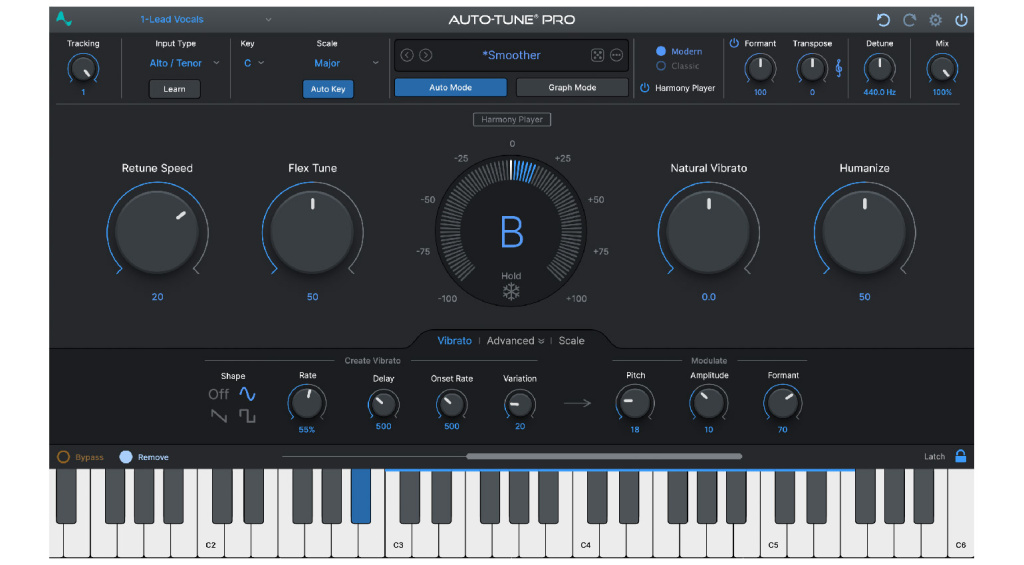
The story of Antares Auto-Tune’s rise to prominence is a fascinating narrative of serendipity. The plugin’s genesis can be traced back to Dr. Andy Hildebrand’s algorithms, initially developed for Exxon to analyze sonar data in oil exploration. The pivotal moment came when a colleague jokingly remarked about the need for technology to help singers stay in tune, sparking an idea that would fundamentally alter vocal production.

Founded in 1989, Antares spent years developing its pitch correction technology. The initial intention for Auto-Tune was as a subtle post-production tool, designed for discreet vocal correction. However, upon its release in 1997, its impact on music production proved to be far more dramatic and transformative than anyone anticipated.
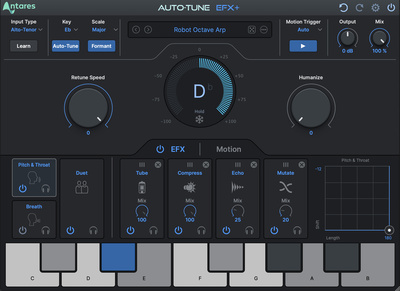
Producers like Mark Taylor and Brian Rawling discovered that by setting the "Retune Speed" parameter to its minimum setting (zero), Auto-Tune could completely alter the character of a voice, creating a distinctive robotic or quantized effect. This unintentional application led to groundbreaking hits, most notably Cher’s "Believe," where the overt vocal processing became a signature element of the song and a defining sound of the late 1990s pop landscape. This "Auto-Tune sound" was subsequently championed by artists such as T-Pain, Kanye West, and Charli XCX, solidifying its status as a genre-defining vocal effect. Auto-Tune has evolved significantly over the years, with Antares continuously refining its algorithms to offer both subtle correction and creative manipulation capabilities.
Valhalla VintageVerb: Affordable Excellence in Digital Reverb
Valhalla VintageVerb has emerged as arguably the most popular third-party reverb plugin available today, a remarkable achievement for a tool that originated with a singular, focused vision. Valhalla DSP founder Sean Costello aimed to create exceptional reverb algorithms that were both high-quality and affordably accessible to musicians, producers, and engineers. Its unassuming interface, which belies its sophisticated sonic capabilities, has led many to underestimate its professional pedigree.
The plugin’s success underscores a fundamental principle in audio tool development: genuine quality and ease of use are paramount. VintageVerb excels in both these areas, allowing users to achieve professional-sounding results with remarkable speed and efficiency. First introduced in 2012, the plugin initially offered eight classic reverb algorithms inspired by legendary hardware from the 1970s and 1980s. Its accessible price point of just $50 further contributed to its rapid adoption.

As word of its sonic prowess and user-friendliness spread, VintageVerb began appearing in the DAW sessions of prominent engineers and even found its way onto major releases, including those by Adele. Despite its enduring popularity and the passage of time, the price has remained remarkably consistent. VintageVerb has since expanded its algorithmic library to an impressive 22 distinct algorithms, offering an even wider palette of spatial effects. Its enduring appeal lies in its ability to deliver desired sounds quickly, its efficient CPU usage, and its seamless integration into a mix, making it a staple for countless audio professionals.
The development of these plugins and their subsequent widespread adoption demonstrate that true innovation in the music technology industry often arises from unexpected sources. Whether through a fortunate accident, an intuitive design choice, or a deliberate reinterpretation of a tool’s intended purpose, these audio plugins have transcended their initial design parameters to become indispensable elements of the modern production toolkit, shaping the sound of music for generations to come. Their stories serve as a compelling reminder that the most impactful technologies are often those that empower creators in unforeseen and profoundly useful ways.