The Unstoppable Legacy of Buddy Guy and the Evolution of the Blues Guitar

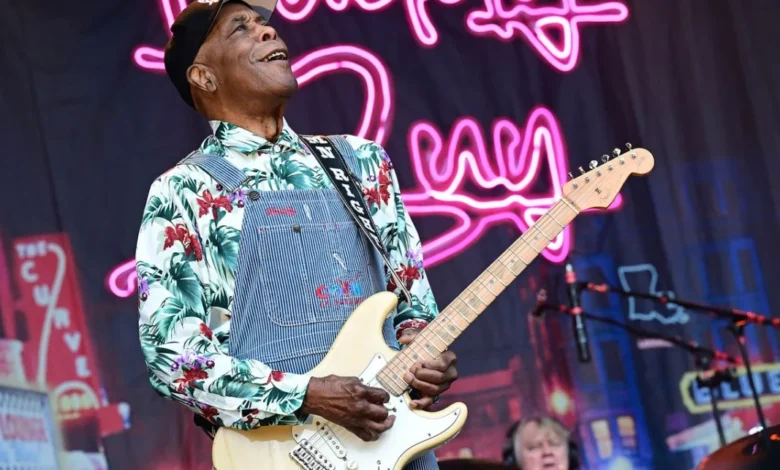
When George "Buddy" Guy arrived in Chicago in the autumn of 1957, he was a shy, young musician from Lettsworth, Louisiana, carrying little more than his talent and a profound reverence for the blues masters of the era. He arrived in a city already defined by the towering figures of Muddy Waters, Howlin’ Wolf, and Otis Rush. Decades later, at the age of 90, Guy is widely recognized not merely as a survivor of that golden era of Chicago blues, but as the architect of a modern guitar vocabulary that fundamentally altered the trajectory of rock and roll. His journey from an aspiring spectator in the smoky clubs of the South Side to the undisputed greatest living bluesman is a testament to innovation, stagecraft, and a relentless commitment to musical evolution.
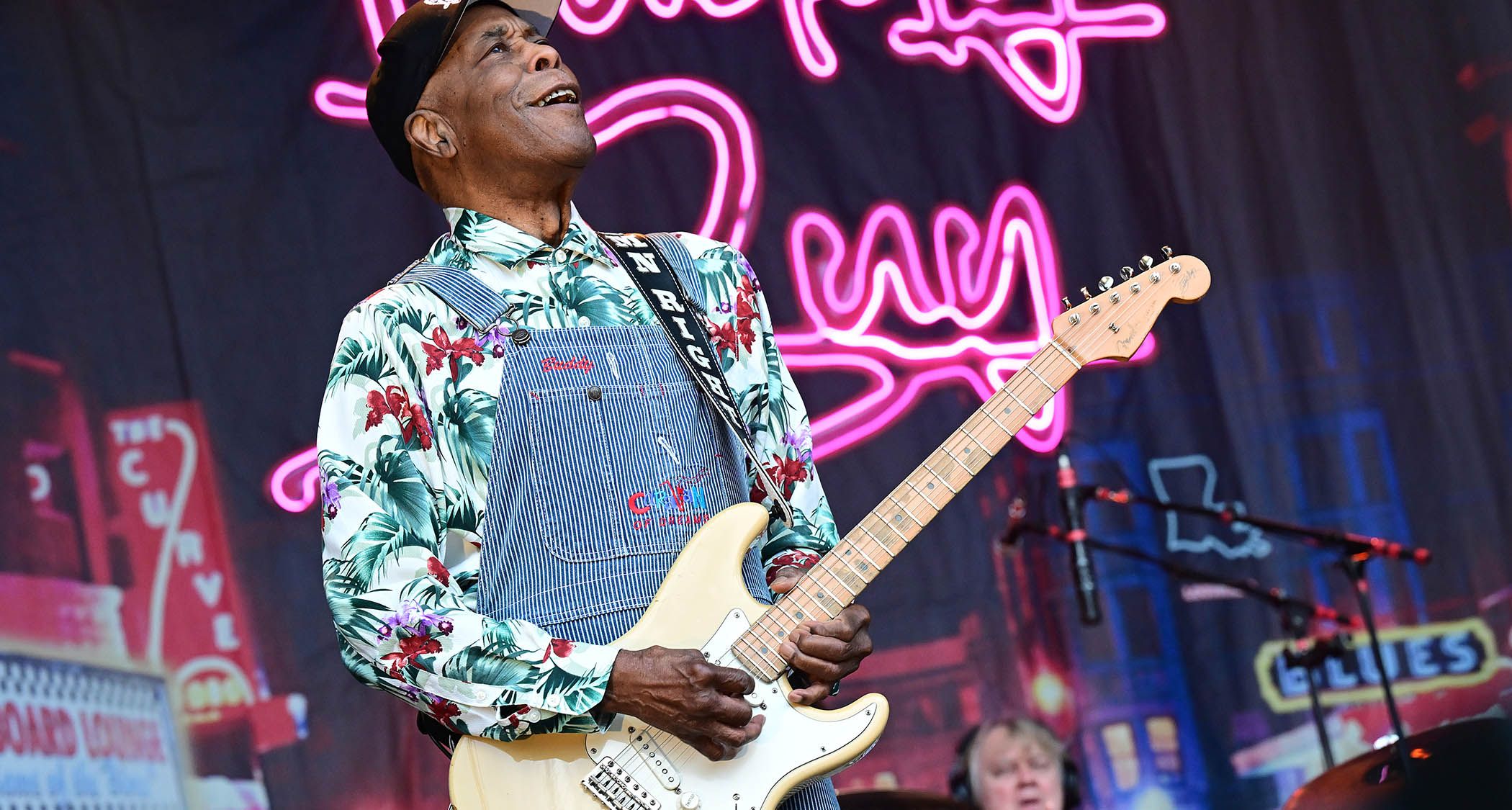
The Chicago Crucible and the Birth of a Legend
The Chicago blues scene of the late 1950s was an unforgiving environment for newcomers. Established stars held tight to their positions, and the competition was fierce. Guy’s entry into this world was facilitated by Otis Rush, who introduced him to the legendary Muddy Waters at the 708 Club. Despite his later reputation for electric, wild, and high-octane performances, Guy often recounts his early days with humility, describing himself as a "shy boy" who was hesitant to even step onto the stage.
However, the reality of his impact was far more seismic. Guy began to synthesize the raw, visceral power of the Delta blues with a new, aggressive style of electric guitar playing. While his contemporaries were largely focused on technical precision and traditional structures, Guy began incorporating feedback, distortion, and a physical intensity that had never been seen before. He was effectively "playing the blues like he didn’t care whether tomorrow came," a philosophy that turned his live sets into high-stakes theater.
The British Invasion and the Shaping of Guitar Gods
The influence of Buddy Guy on the global music landscape cannot be overstated, particularly regarding the British blues explosion of the 1960s. In 1965, Guy participated in the American Folk Blues Festival tour, a series of performances that would prove to be a catalyst for a generation of young, aspiring British guitarists. Among those in the audience at London’s Marquee Club was a young Eric Clapton, who was then struggling to find his voice within the confines of the Yardbirds.
Clapton’s reaction to witnessing Guy in the flesh was visceral. He famously compared the experience to watching Elvis Presley perform on national television—it was a transformative, career-defining moment. Within weeks of the show, Clapton departed the Yardbirds, eventually forming the power trio Cream. The influence of Guy’s stripped-back, high-energy performance style—often featuring just bass and drums—provided the blueprint for the power trio format that would dominate rock for the next decade.
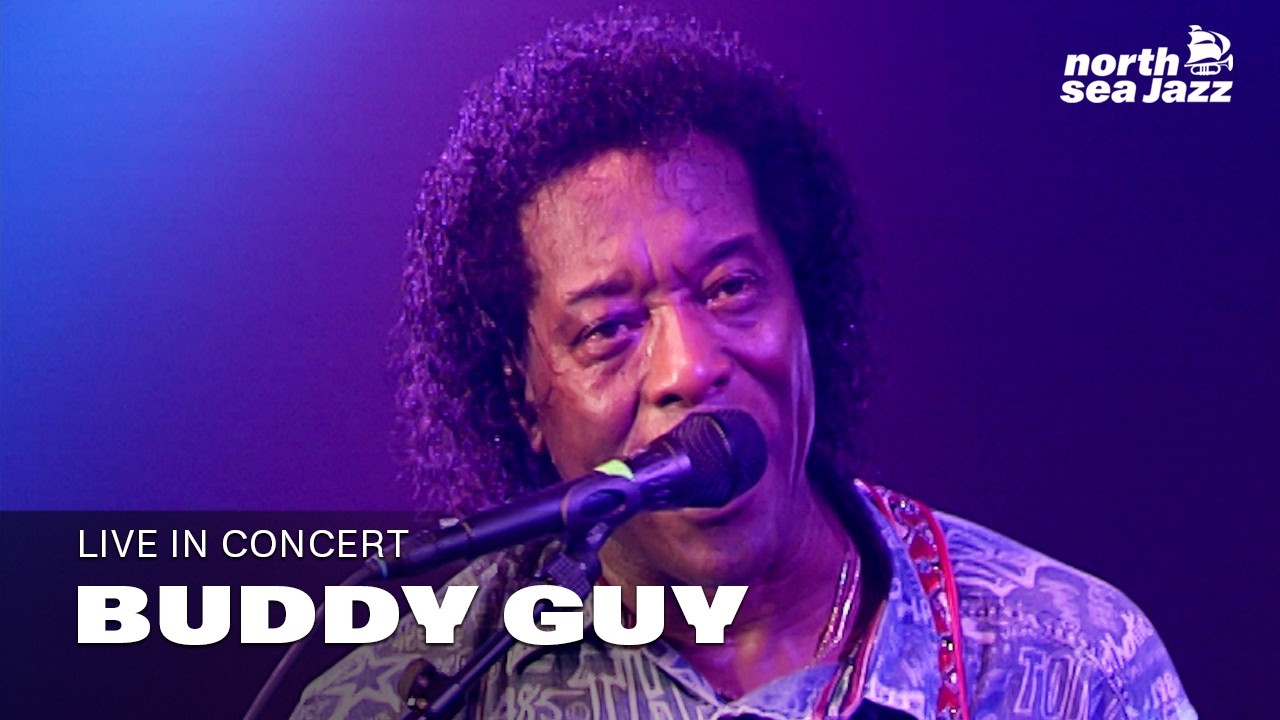
Beyond Clapton, legends such as Jimmy Page and Jeff Beck also fell under Guy’s spell. The sheer audacity of his performance style—playing behind his head, using his teeth, and treating the Fender Stratocaster as an extension of his own body—shattered the existing perception of the guitar as a mere accompaniment instrument. He forced the music world to acknowledge that the blues was not just a historical relic; it was a dynamic, evolving, and theatrical art form.
The Stratocaster Revolution
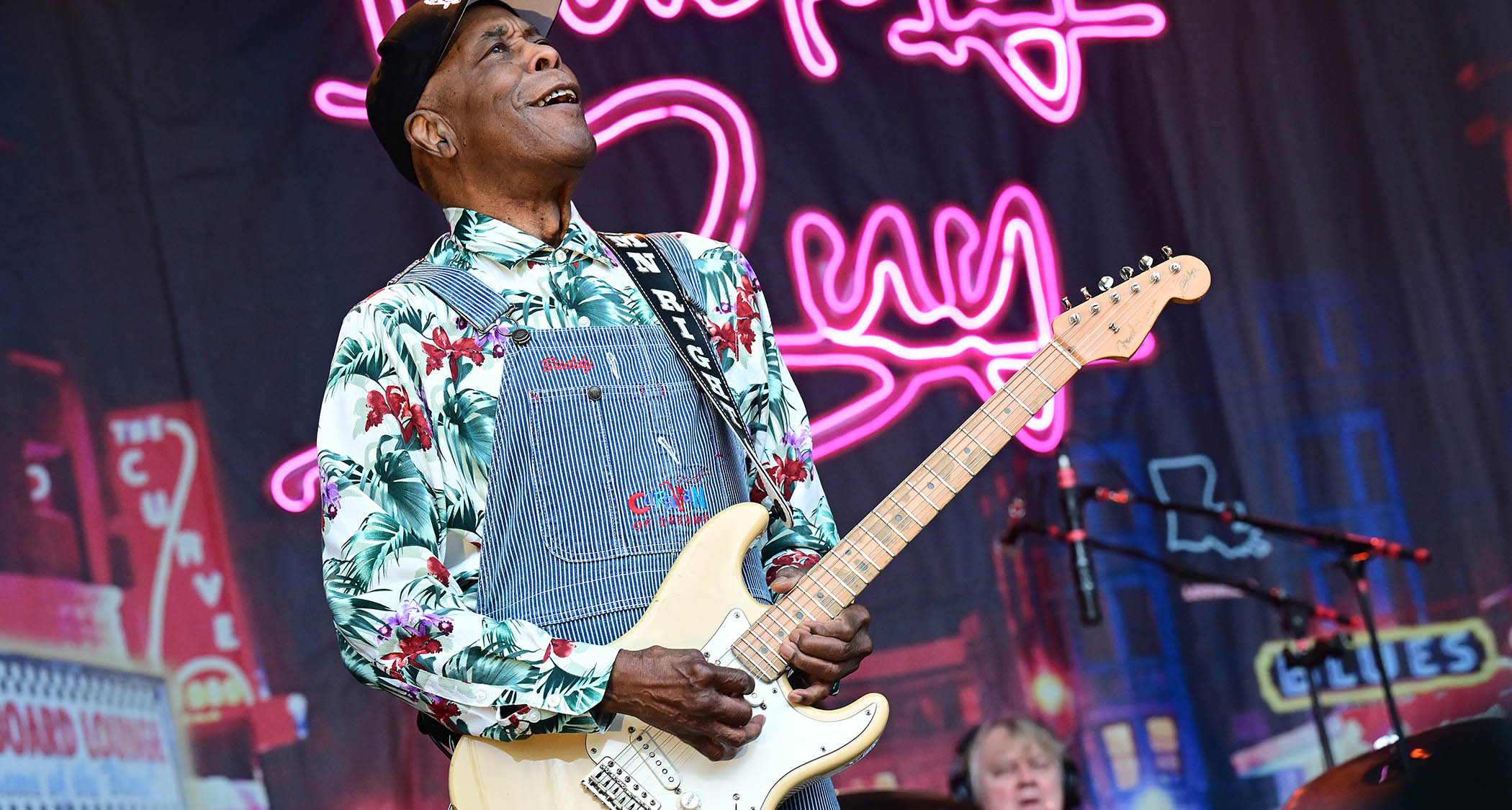
One of the most significant aspects of Guy’s career was his choice of instrument. At a time when the Gibson guitar was the standard for blues players, Guy championed the Fender Stratocaster. Many of his peers initially viewed the instrument as a country-and-western tool, unsuited for the deep, emotional requirements of the blues. Guy proved them wrong, demonstrating that the Stratocaster’s sustain and versatility could produce sounds far more expressive than anything previously achieved with the thicker-bodied Gibson models.
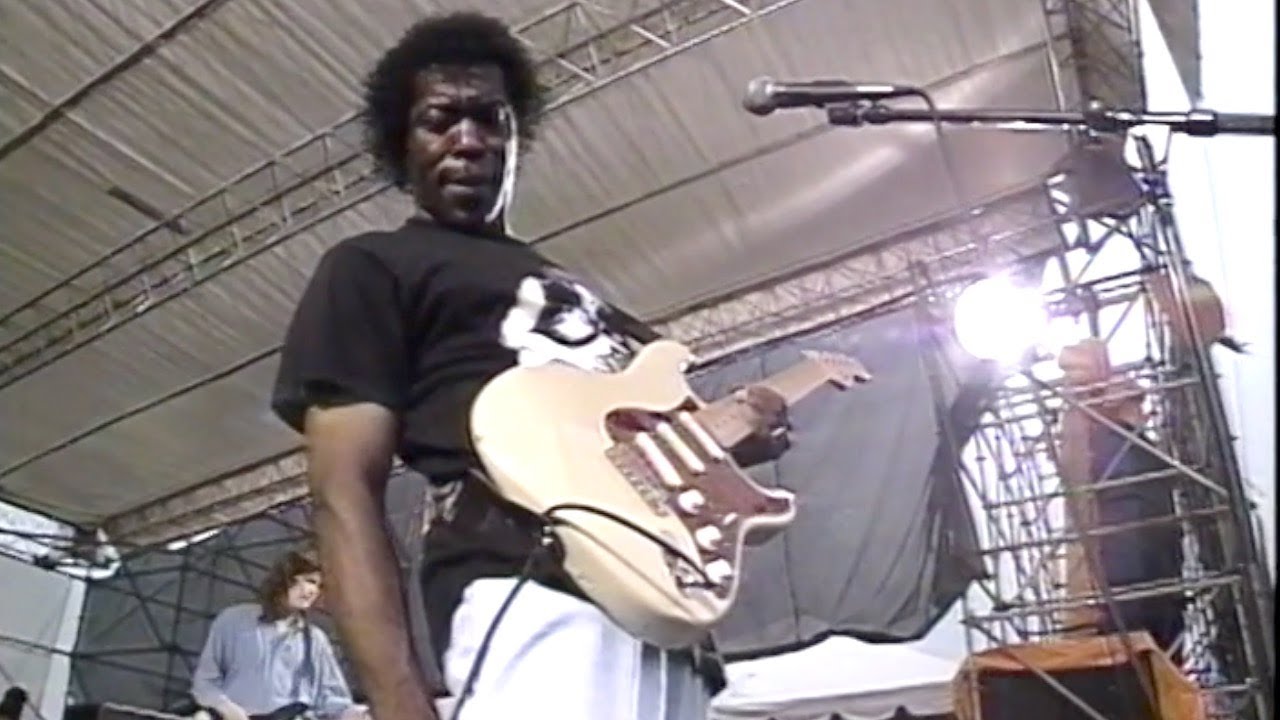
His technical approach—incorporating massive string bends and exaggerated, stinging vibrato—became a hallmark of the modern blues-rock sound. This technique was not lost on the next generation of innovators, most notably Jimi Hendrix. The two musicians met in 1967, and Hendrix’s admiration for Guy was profound. Observers and fellow musicians have frequently noted that the stage antics and sonic explorations associated with Hendrix were, in many ways, an extension of the groundwork laid by Guy.
Chronology of an Enduring Career
- 1957: Buddy Guy arrives in Chicago, marking his entry into the professional blues circuit.
- 1965: Performs at the American Folk Blues Festival in the UK, fundamentally influencing the British blues movement and Eric Clapton.
- 1968: A historic meeting and performance with Jimi Hendrix occurs in New York, cementing a mutual respect between the two innovators.
- 1993: Guy records Feels Like Rain and continues to push boundaries, earning recognition for his influence on contemporary players like Gary Clark Jr.
- 2005: Inducted into the Rock and Roll Hall of Fame by Eric Clapton and B.B. King, with the industry formally acknowledging his status as a foundational figure.
- 2014: Tours with the "Experience Hendrix" show, demonstrating that his technical proficiency remained at an elite level even in his later years.
- 2023-2024: The "BG90" tour celebrates his 90th birthday, serving as a victory lap for a career that has spanned seven decades.
Broader Impact and Industry Analysis
The implications of Buddy Guy’s career extend far beyond his own discography. He served as the bridge between the rural acoustic traditions of the South and the globalized, electrified sound of modern rock. From a musicological perspective, his work at Chess Records—often met with resistance from producers who wanted a more "traditional" sound—is now viewed as the prototype for modern electric blues.
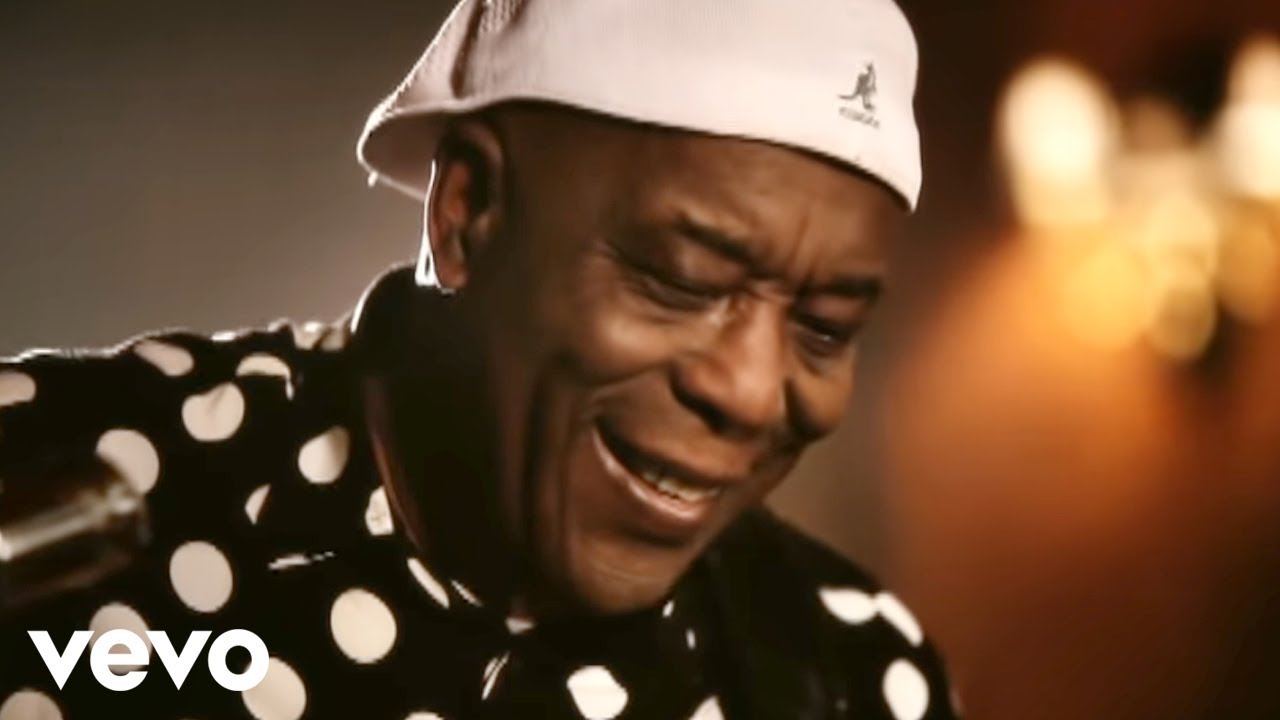
Contemporary artists like Christone "Kingfish" Ingram and Gary Clark Jr. frequently cite Guy as their primary influence, specifically regarding the "reckless" approach to performance. In a genre that often faces pressure to "preserve" the past, Guy represents the necessity of evolution. His willingness to experiment with feedback and volume allowed the blues to survive in an era of stadiums and massive amplification, ensuring that the genre remained relevant to subsequent generations of listeners.
The 90th Birthday Celebration at Radio City
The current "BG90" tour, culminating in a massive birthday celebration at Radio City Music Hall in New York, underscores his continued relevance. The event is set to feature an all-star lineup, including John Mayer, Joe Bonamassa, Susan Tedeschi, and Derek Trucks. This roster reflects the breadth of his influence, spanning from blues-rock purists to modern guitar heroes who have adopted his vocabulary of "over-bending" strings and emotional intensity.
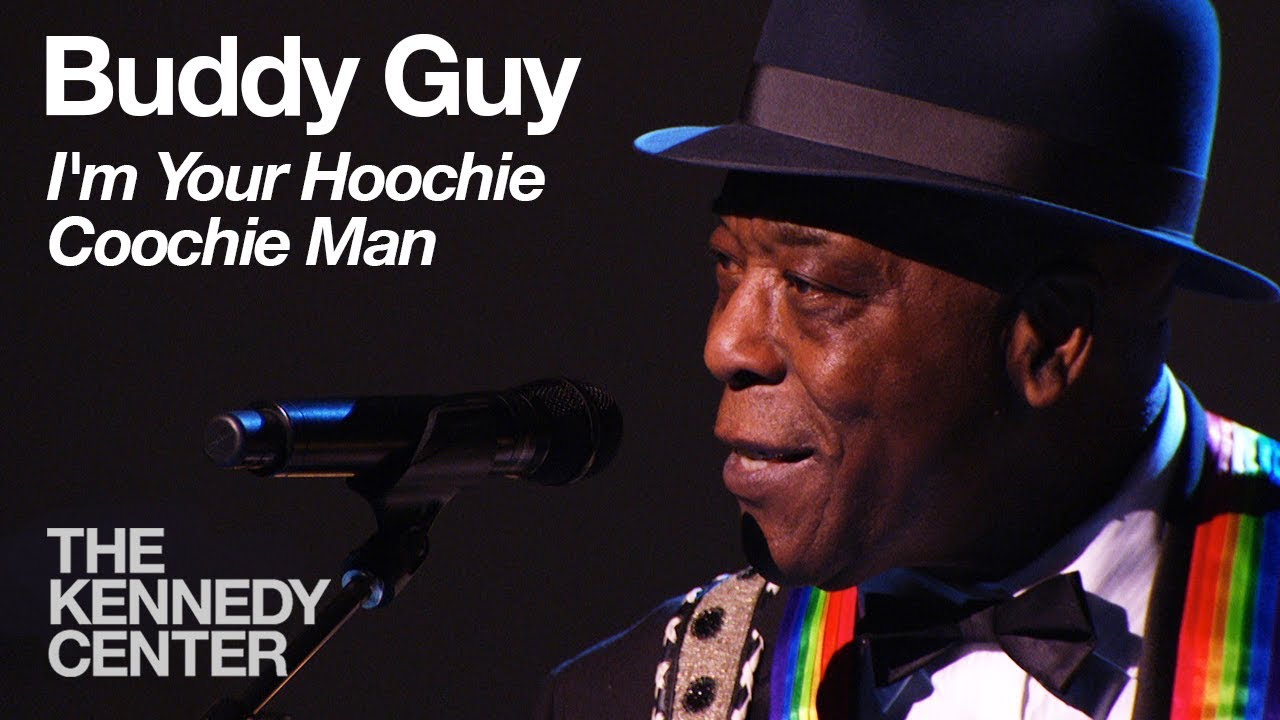
Despite the announcement of a "farewell" tour in 2023, Guy’s continued presence on stage highlights a career driven not by industry trends, but by a lifelong dedication to the craft. His club in Chicago, "Buddy Guy’s Legends," remains a pilgrimage site for guitarists worldwide, ensuring that the spirit of his influence is passed down directly to the next generation of musicians.
Conclusion: The Source of the Blues
As the music industry looks back on the 20th century, Buddy Guy stands as a central figure whose influence is woven into the DNA of nearly every major rock guitarist. He transformed the blues from a static tradition into a living, breathing, and dangerous art form. By choosing to "give every damn thing" he had to his audience, he set a standard for performance that remains unmatched.
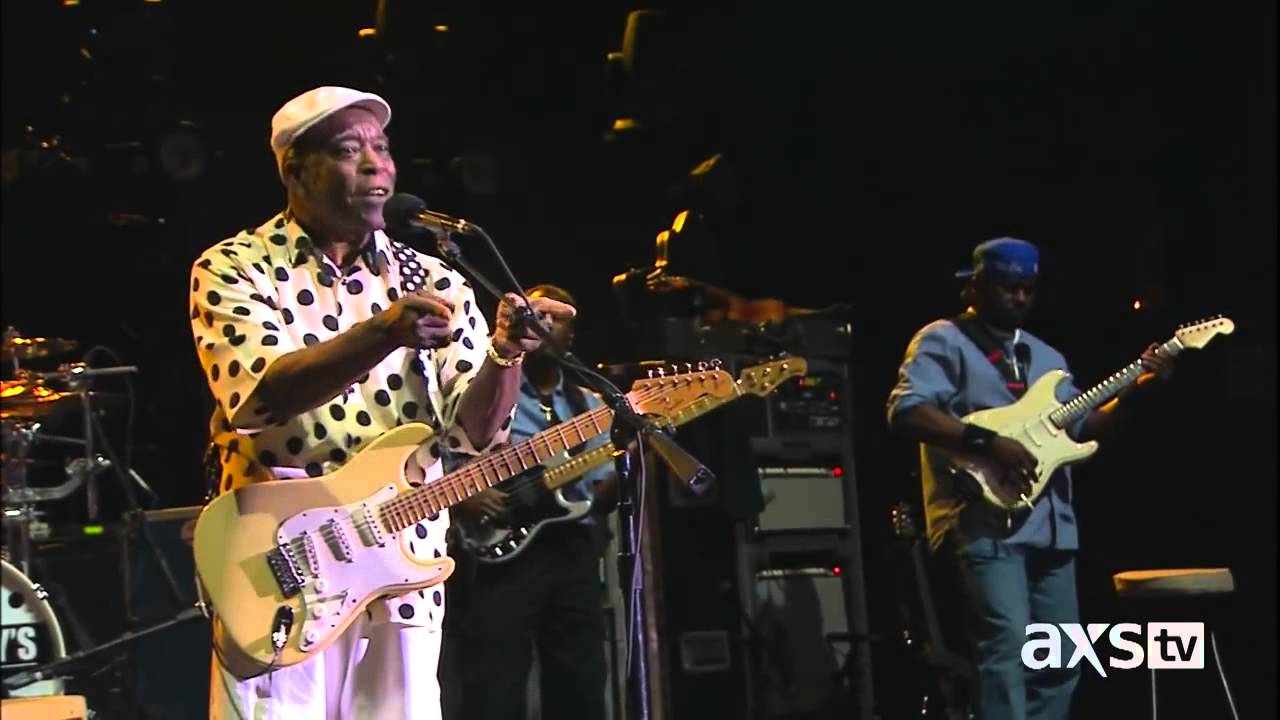
The debate over the "most influential" guitarist of all time will continue to rage, but the case for Buddy Guy rests on more than just record sales or technical accolades. It rests on the fact that he redefined the limits of what a guitar could do, what a blues song could sound like, and how a performer should command a stage. Even as he marks his 90th year, the echo of his stratocaster—stingy, wild, and profoundly human—remains the benchmark against which all modern blues is measured. As Gary Clark Jr. aptly noted, if rock guitarists are looking for the source, they need only look to Buddy Guy.