The modern electronic music marketplace offers an unprecedented variety of hardware and software synthesizers, ranging from portable grooveboxes to complex modular systems and vintage analog recreations. For musicians and producers navigating this vast ecosystem, selecting an instrument that aligns with their specific workflow, creative temperament, and cognitive style can present a significant challenge. Traditional retail environments often lack comprehensive stock, while online video demonstrations offer limited insight into how an instrument physically and creatively integrates with an individual’s workflow. To address this paralysis of choice, a growing number of industry commentators have turned to personality psychology—specifically the Myers-Briggs Type Indicator (MBTI)—to categorize musicians and match them with their ideal sonic machinery.

The Myers-Briggs Type Indicator, which divides individuals into 16 distinct psychological archetypes based on preferences regarding introversion, extraversion, sensing, intuition, thinking, and feeling, provides a structured framework for understanding how different minds approach creative problem-solving. By examining these cognitive traits, musicians can better understand whether they thrive on the tactile immediacy of subtractive analog synthesis, the mathematical precision of frequency modulation, or the structured organization of a hardware workstation.
Analysis of Personality-Driven Instrument Selection

The intersection of personality psychology and music production is more than a theoretical exercise; it reflects the deep psychological connection musicians form with their tools. Different synthesis architectures demand specific cognitive approaches. For instance, structured, detail-oriented personalities often gravitate toward the complex algorithms of FM synthesis or the meticulous step-sequencing of tracker-based environments, whereas expressive, emotionally driven creators frequently seek out instruments with polyphonic aftertouch or organic physical modeling.
Industry analysts note that gear acquisition syndrome (GAS) is frequently driven by a mismatch between a musician’s psychological needs and their current studio inventory. When a producer’s workflow conflicts with their innate cognitive preferences, creative stagnation often follows. Aligning instrument architecture with personality archetypes offers a diagnostic approach to studio curation, ensuring that investment in hardware yields maximum creative output.
Categorizing the 16 MBTI Archetypes and Their Ideal Synthesizers
The exploration of personality-based synthesizer pairing spans the entire spectrum of the 16 MBTI categories, linking distinct behavioral traits with specific industry-standard instruments.

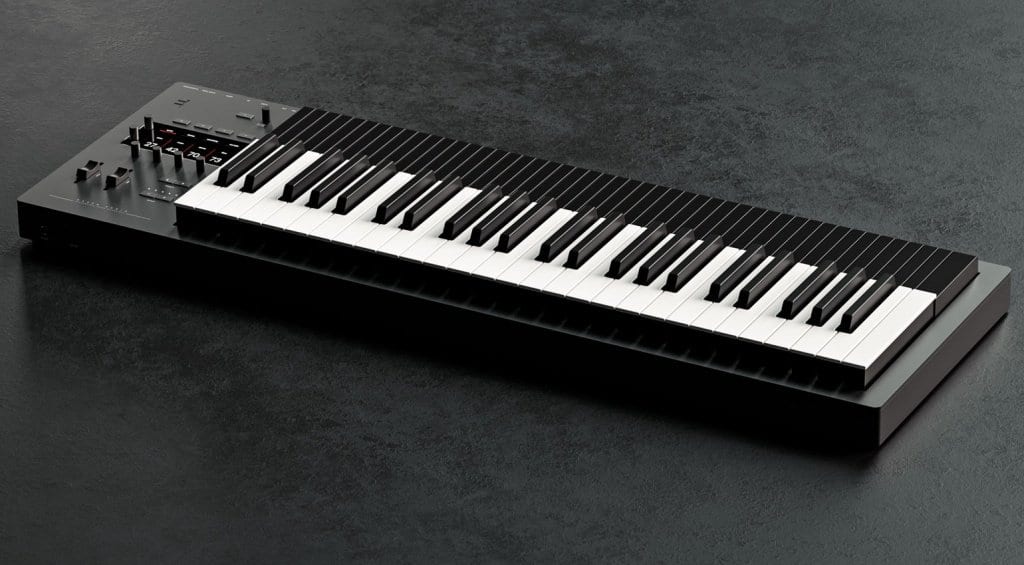
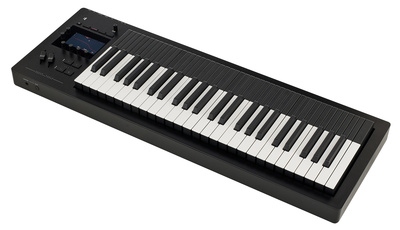
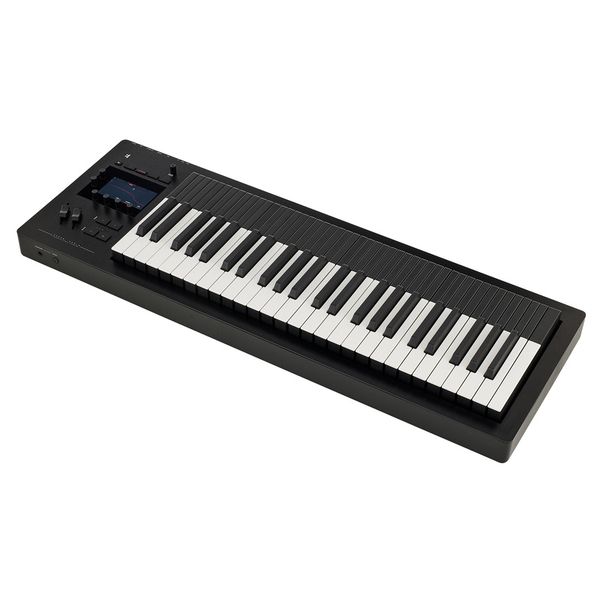
For the enthusiastic and imaginative ENFP, whose core motivation is the pursuit of authentic, expressive interaction, the Expressive E Osmose stands out as an ideal match. Featuring advanced polyphonic aftertouch and a unique keybed mechanism, the Osmose allows performers to sculpt tone, pitch, and timbre through three-dimensional finger movements, satisfying the ENFP’s desire for deep emotional resonance.
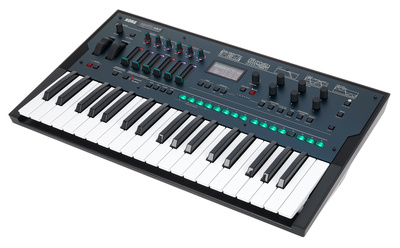
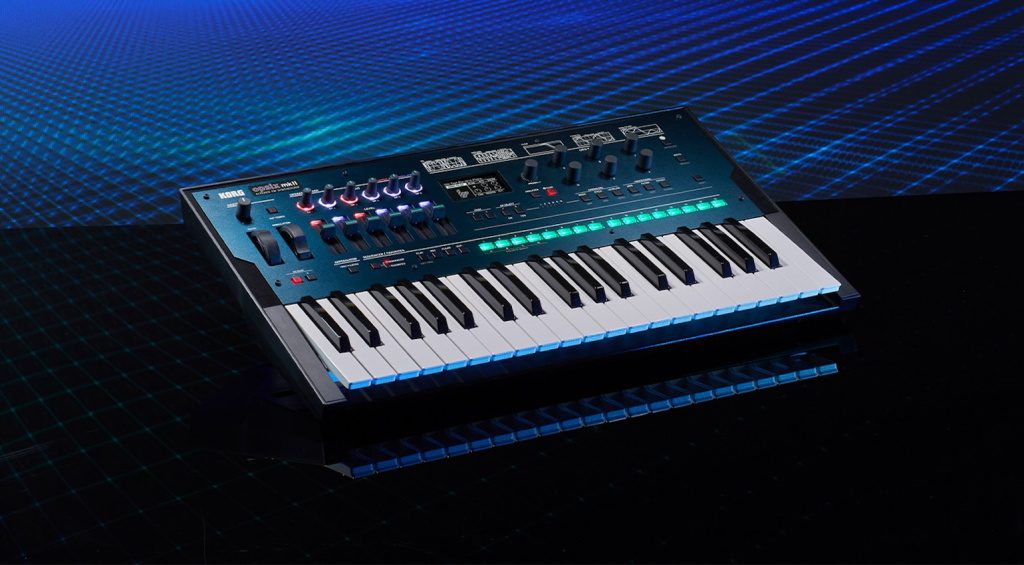
Conversely, the logical and detail-oriented ISTJ logistician archetype finds its sonic counterpart in frequency modulation (FM) synthesis. The Korg opsix mkII offers the complex mathematical clarity and deep sound-design architecture required by producers who appreciate structural order, allowing for the precise construction of bell, electric piano, and percussion patches.

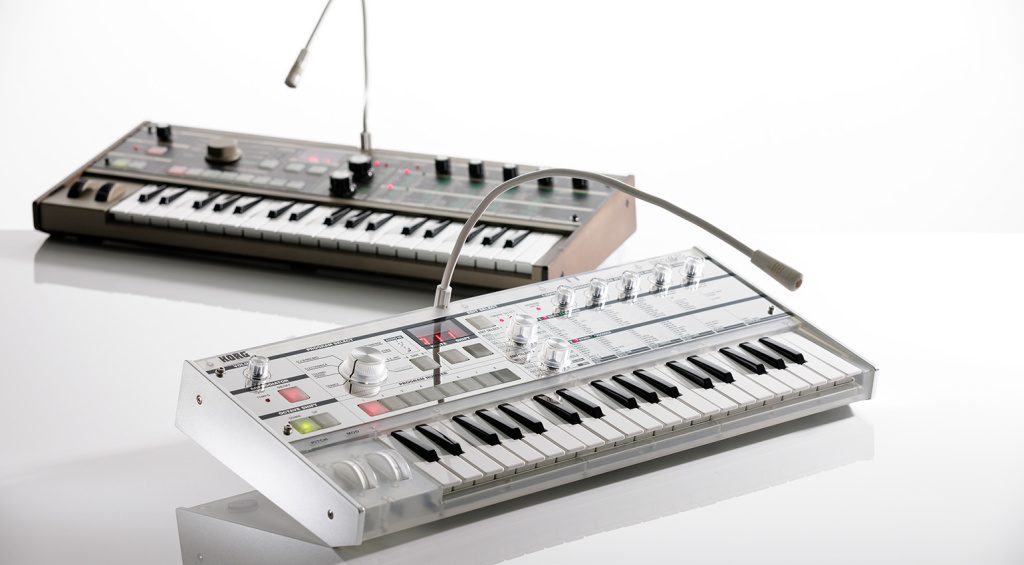
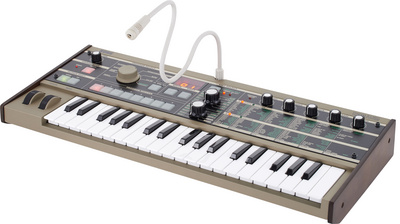
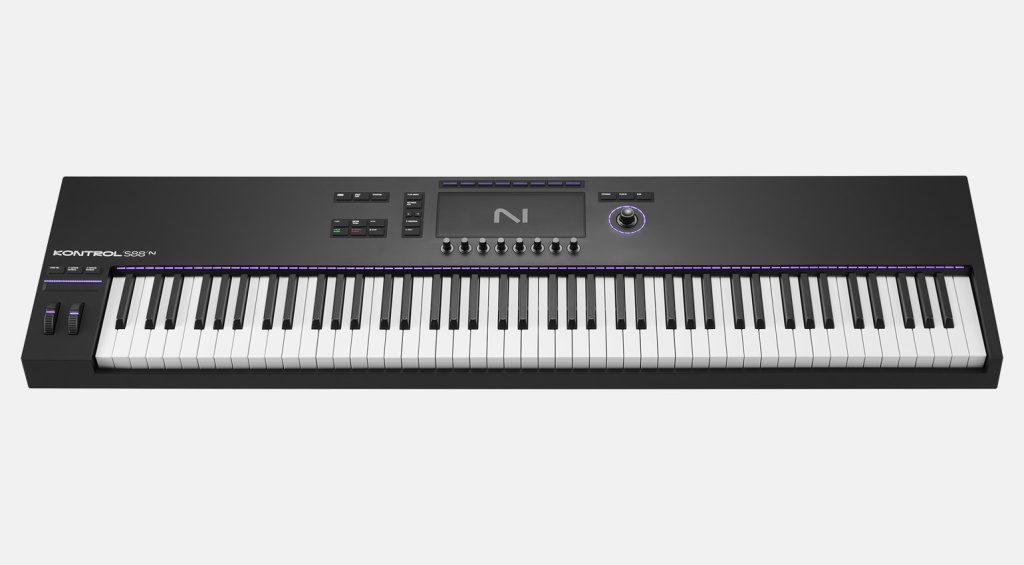
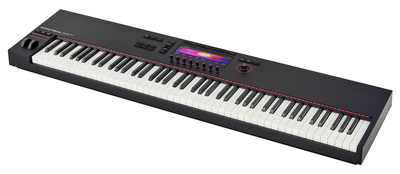
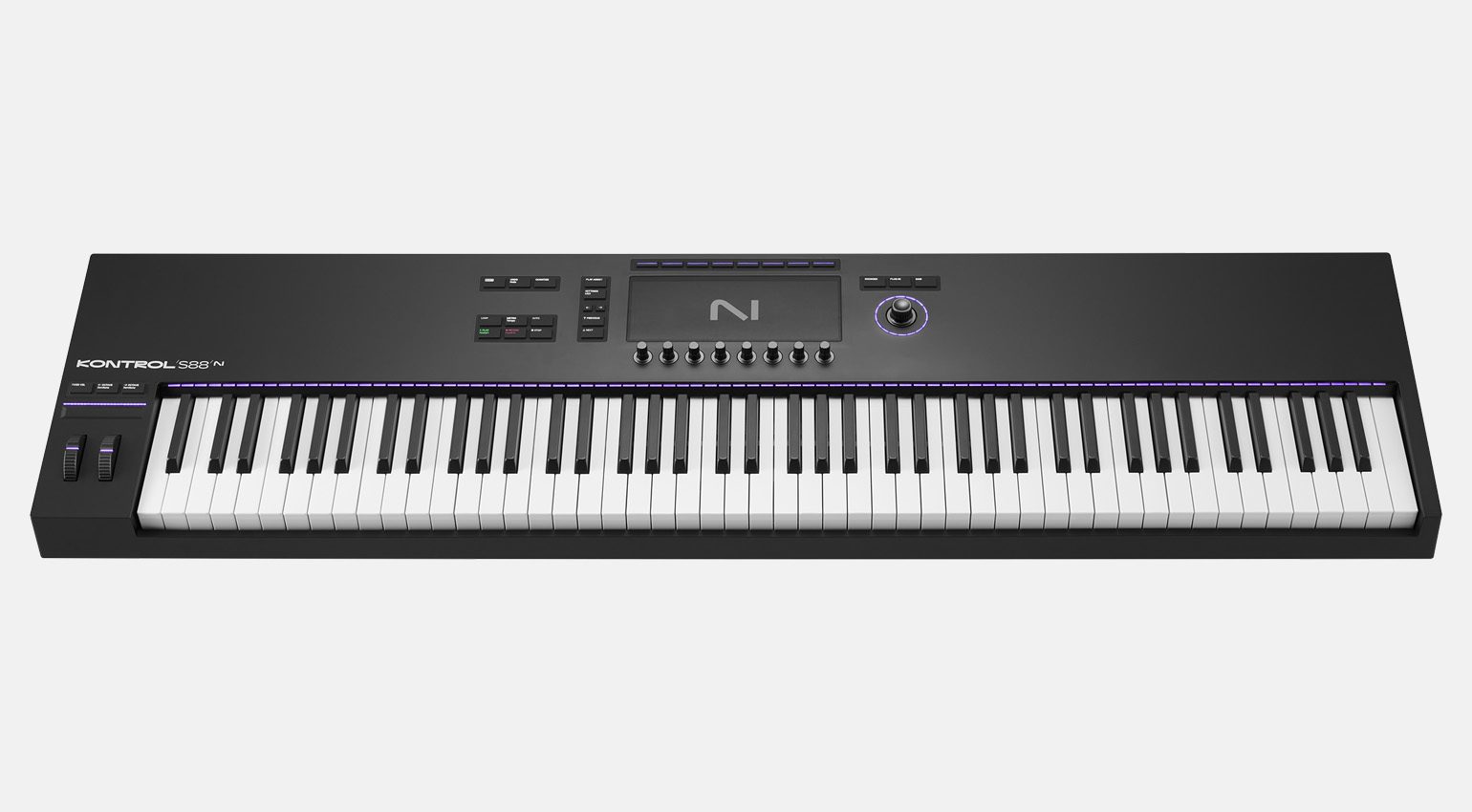
The steady, reliable, and community-focused ISFJ naturally aligns with the Korg microKORG. As one of the best-selling virtual analog synthesizers of the past two decades, its straightforward interface and dependable band-friendly integration match a practical, unpretentious creative mindset. Meanwhile, the assertive and directive ESTJ finds a natural command center in the Native Instruments Kontrol S88 MK3. By offering deep integration with software digital audio workstations (DAWs) and a weighted hammer-action keybed, the S88 allows the director archetype to assert total control over virtual instrument libraries.
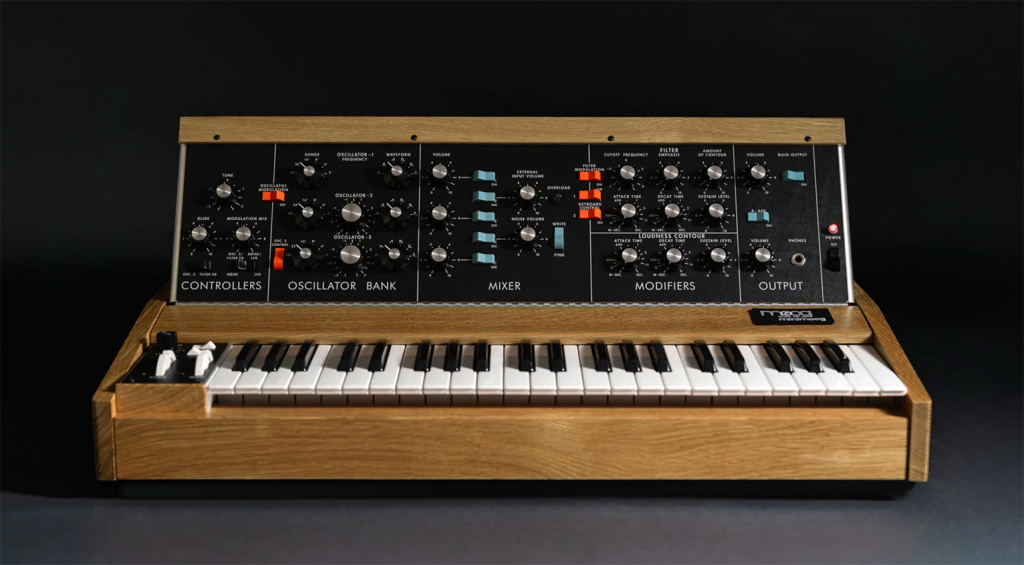
Warmth, community, and tradition guide the ESFJ, making the Moog Minimoog Model D an organic fit. Its iconic analog signal path and rich harmonic profile complement musicians who prioritize ensemble cohesion and tactile, historical authenticity. For the independent and risk-taking ISTP maverick, traditional keyboard architectures often feel restrictive. Modular systems, particularly expansive Eurorack configurations such as the Doepfer A-100 series or West Coast-inspired Buchla architectures, provide the open-ended patching freedom necessary for unpredictable live experimentation.
The sensitive and considerate ISFP resonates with the Clavia Nord Grand 2. Featuring a premium Kawai hammer-action keybed and a sophisticated sample synth engine, it provides an intimate, organic playing experience suited for acoustic-driven electronic arrangements. For the action-oriented, pragmatic ESTP, a comprehensive workstation like the Roland FANTOM EX offers the rapid idea-to-completion workflow required by high-energy producers utilizing ZEN-Core and ACB sound engines.
The outgoing and performance-driven ESFP requires an instrument designed for spontaneous crowd engagement. The Korg Pa5X arranger workstation enables performers to manipulate pre-loaded styles and orchestrations on the fly, keeping the spotlight firmly on live execution. On the analytical end of the spectrum, the independent and precise INTJ finds solace in the structured workflow of the Polyend Tracker+ series, where grid-based sequencing satisfies a desire for strict algorithmic control.

Theoretical and open-source environments appeal directly to the INTP thinker archetype. The Zynthian V5, built upon an open-source Raspberry Pi architecture, invites DIY assembly and deep software hacking, merging theoretical computer science with sound design. The commanding and structured ENTJ finds its operational hub in the Akai Professional MPC XL, a standalone production center that acts as the rhythmic and sequencing backbone of a modern studio setup.
The innovative, debate-loving ENTP matches well with the controversial Behringer UB-Xa, an analog polyphonic recreation of the classic Oberheim OB-Xa that frequently sparks industry-wide discussions regarding vintage replication and market accessibility. The intuitive yet analytical INFJ benefits from the hybrid architecture of the ASM Hydrasynth, which merges digital wavetable oscillators with subtractive filtering to satisfy both logical and creative impulses.
Idealistic and value-driven, the INFP finds resonance in the Sequential Prophet-5, an analog polyphonic classic that honors the legacy of vintage analog synthesis and collaborative instrument design. Finally, the warm, emotionally attuned ENFJ aligns naturally with the Rhodes MK8 electric piano. Although strictly an electro-mechanical instrument rather than a synthesizer, its organic warmth and emotive sonic profile mirror the leadership and interpersonal focus of the ENFJ archetype.
Broader Implications for the Synthesizer Market

The intersection of personality profiling and music hardware highlights a broader shift in how manufacturers market instruments. Rather than promoting raw technical specifications alone, brands increasingly emphasize workflow philosophy and tactile experience. As the hardware synthesizer market continues to expand with innovative form factors, understanding the psychological drivers behind gear selection provides valuable insight into the modern electronic music production landscape.