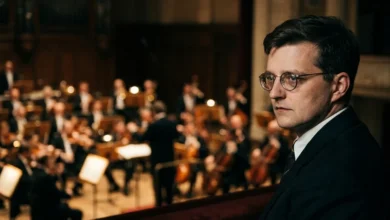
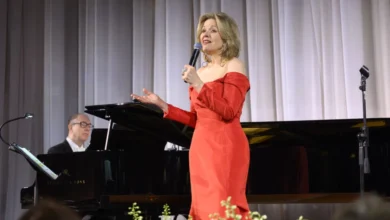
The Artistic Future of Theater Magdeburg Hangs in the Balance Ahead of the Saxony-Anhalt Elections

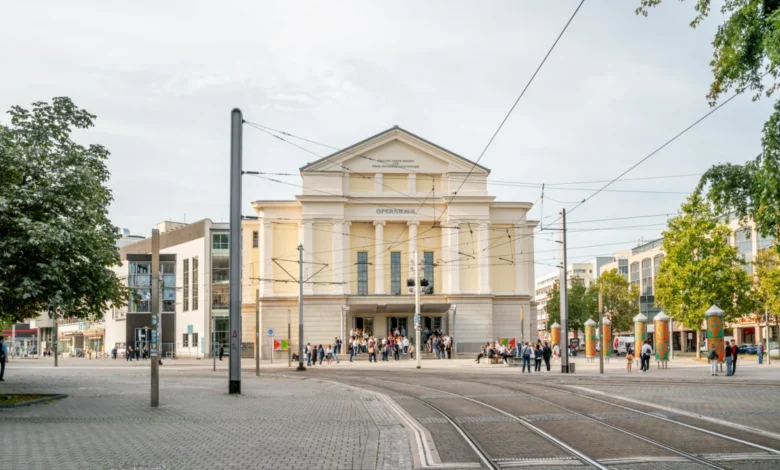
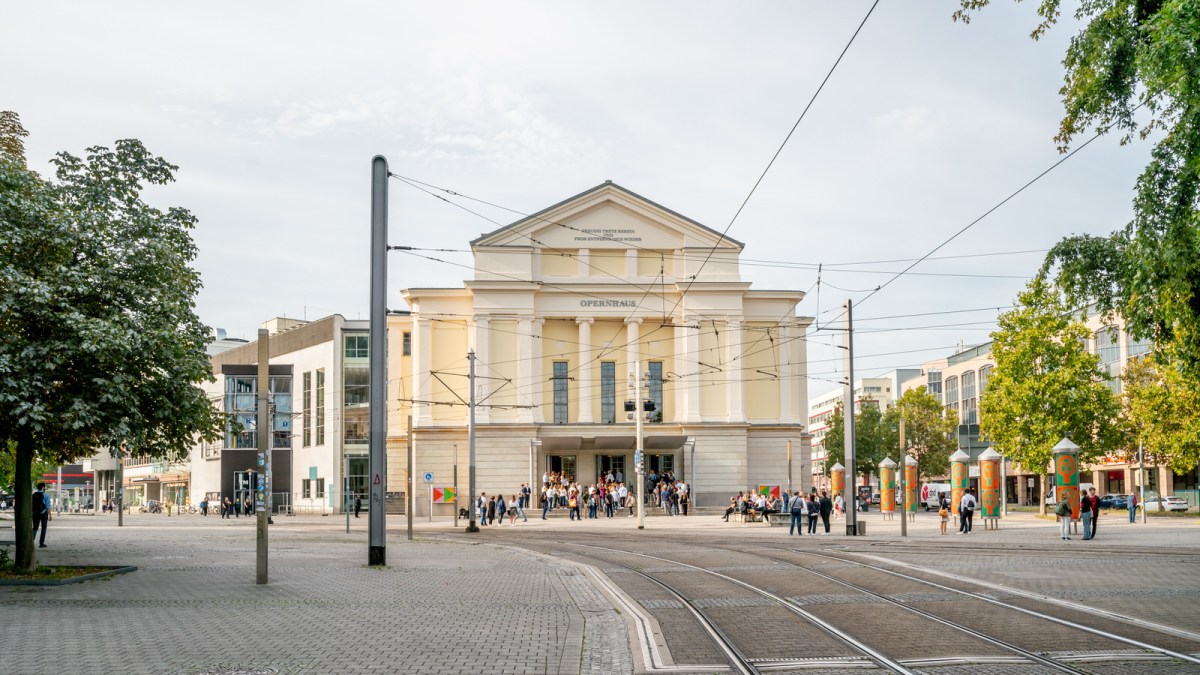
The political landscape of Saxony-Anhalt, a state embedded in the historical fabric of former East Germany, is approaching a pivotal inflection point. On September 6, voters will head to the polls in an election that has drawn scrutiny from across Europe, primarily due to the meteoric rise of the far-right Alternative for Germany (AfD) party. Recent polling data indicates that the AfD could secure as much as 43 percent of the vote, a figure that would represent an unprecedented consolidation of power for a party that has long operated on the fringes of the German political spectrum. Among the institutions most vulnerable to this potential shift is Theater Magdeburg, a cornerstone of the state’s cultural infrastructure, which has gained a reputation for bold, avant-garde programming under the leadership of Swiss director Julien Chavaz.
The intersection of radical political change and state-funded cultural institutions has become a primary concern for arts administrators across Germany. The AfD’s platform has consistently campaigned on a platform of "cultural conservatism," explicitly promising to curtail taxpayer funding for artistic endeavors they characterize as "woke," "elitist," or excessively international. For a house like Theater Magdeburg—which recently garnered attention for the world premiere of Gerald Barry’s opera Salome—a redirection of state funds could spell the end of the experimental programming that has elevated the theater’s profile well beyond the borders of Saxony-Anhalt.
The Political Climate in Saxony-Anhalt
The rise of the AfD in Saxony-Anhalt is not a sudden phenomenon but the culmination of a decade-long shift in eastern German politics. Since the party’s inception in 2013, it has leveraged localized economic anxieties and a perceived disconnect between rural, post-industrial populations and the political establishment in Berlin. By framing contemporary arts institutions as symbols of an out-of-touch urban elite, the AfD has effectively politicized the distribution of cultural grants.
For the state government, the challenge lies in the dual responsibility of maintaining cultural heritage while navigating an increasingly polarized electorate. Currently, the theater receives significant subsidies from the state, a model common to the German "Stadttheater" system. This system, designed to make high art accessible to all citizens regardless of their location, is now being scrutinized by those who argue that state-funded art should reflect the "traditional values" of the majority.

Chronology of a Cultural Crisis
The tension between Theater Magdeburg and its critics has been building since early 2024. The following timeline outlines the key developments leading to the September 6 election:
- January 2024: Internal policy papers from regional AfD chapters begin to circulate, calling for a "reorientation" of state cultural spending, with specific mentions of "reforming" the management of major state theaters.
- March 2025: Theater Magdeburg premieres Gerald Barry’s Salome. While the production receives critical acclaim for its daring, avant-garde nature, it becomes a focal point for conservative commentators who describe the work as an example of wasteful spending on "experimental excess."
- May 2025: In response to public pressure, the state legislature initiates a review of the criteria for cultural subsidies. While framed as a routine budget audit, the initiative is widely viewed by industry experts as a precursor to funding cuts.
- August 2025: Julien Chavaz and his leadership team hold a series of town hall meetings, emphasizing the role of the theater in fostering civic dialogue and economic vitality in Magdeburg.
- September 6, 2026: The scheduled date for the state election, which will determine the composition of the Landtag and the future of cultural funding priorities.
The Role of State-Funded Art
The "Stadttheater" model is unique to the German-speaking world. Unlike the private, donor-dependent model common in the United States, German theaters are heavily subsidized by federal, state, and municipal governments. This structure is intended to ensure that artistic directors like Chavaz can prioritize creative risks over commercial box-office returns.
However, this reliance on the public purse makes theaters uniquely susceptible to shifts in legislative power. If the AfD gains the ability to form a governing coalition or exert significant influence over the state budget, the mechanisms of control are straightforward. They can appoint board members sympathetic to their agenda, impose thematic requirements on programming, or simply reduce the overall budget, forcing the theater to prioritize "safe," traditional repertoire over the experimental works that currently define its identity.
Implications and Expert Analysis
Political analysts suggest that the situation in Saxony-Anhalt serves as a bellwether for the rest of Germany. "If the AfD succeeds in dismantling the autonomy of an institution as established as Theater Magdeburg, it sets a precedent," says Dr. Elena Fischer, a researcher specializing in European cultural policy. "The argument being used is one of democratic legitimacy—that the taxpayer should not fund what they do not enjoy or understand. But this fundamentally misunderstands the role of the state in cultural production, which is to facilitate pluralism and innovation, not to act as a curator of popular taste."
Chavaz himself has been vocal about the importance of art as a critical mirror to society. In conversations earlier this summer, he highlighted the theater’s capacity to host discussions that are often suppressed in more restrictive political environments. The theater is not merely a venue for performance; it is a public square. When that square is threatened, the implications for freedom of expression are profound.
Official Responses and the Path Forward
While the AfD has remained steadfast in its commitment to "cultural reform," other political parties in the region have offered varying responses. Conservative parties (CDU) have expressed a desire for more "balanced" programming but have stopped short of endorsing the radical funding cuts proposed by the AfD. Meanwhile, left-leaning parties and arts advocacy groups have mobilized, arguing that the theater is a vital economic engine for the city, bringing in tourism and high-skilled labor.
As the election approaches, the staff at Theater Magdeburg remain in a state of suspended animation. Many employees have expressed concerns about job security and the potential for professional censorship. Should the AfD win the election, the transition process will likely be slow and bureaucratic, involving budget negotiations that could stretch into the following year.
For now, the focus remains on the ballot box. The outcome on September 6 will not only decide the political trajectory of Saxony-Anhalt but will also provide a definitive answer to a fundamental question of modern democracy: To what extent does a state’s cultural life remain free from the reach of partisan politics? For the audience of Salome and the citizens of Magdeburg, the stakes could not be higher. The survival of the avant-garde in the heart of Germany rests on the voters’ interpretation of what art is for—and who it is for.