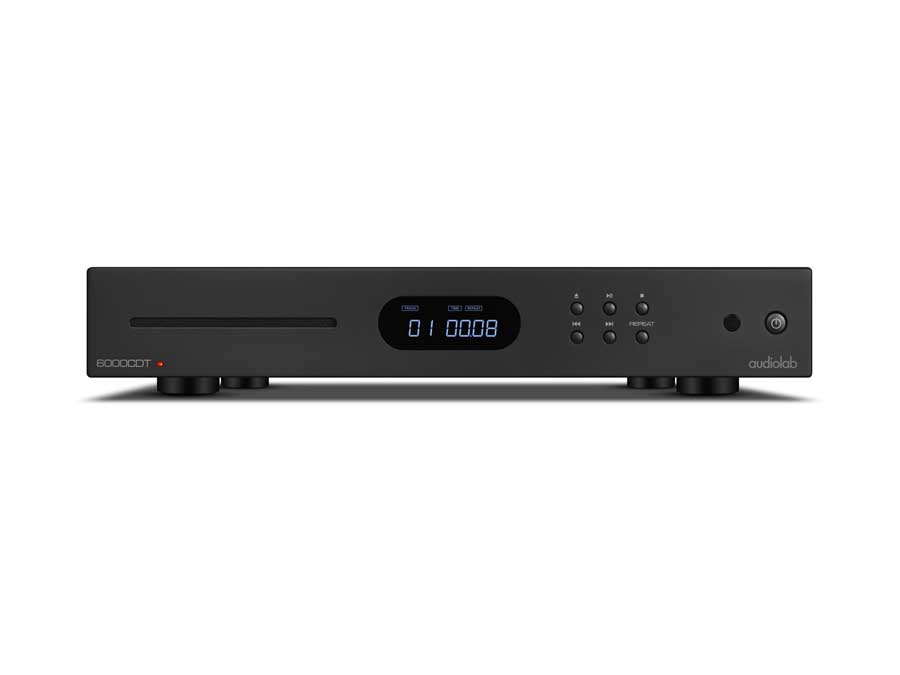
AUDIOLAB 6000CDT MKII CD TRANSPORT INTRODUCED WITH NEW MECHANISM AND POWER SUPPLY

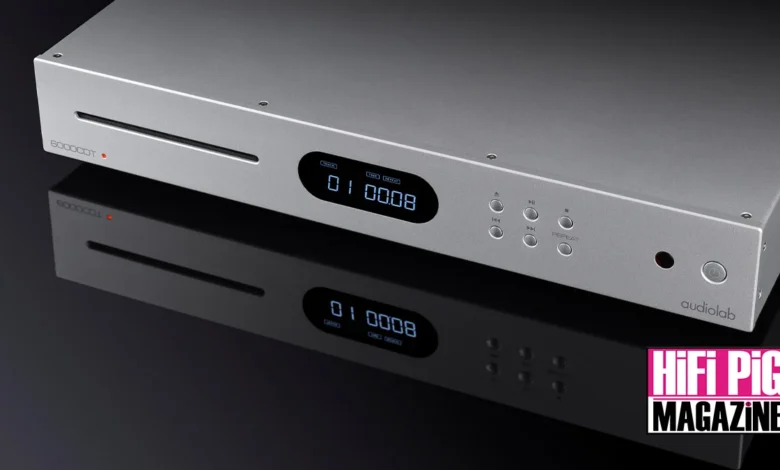
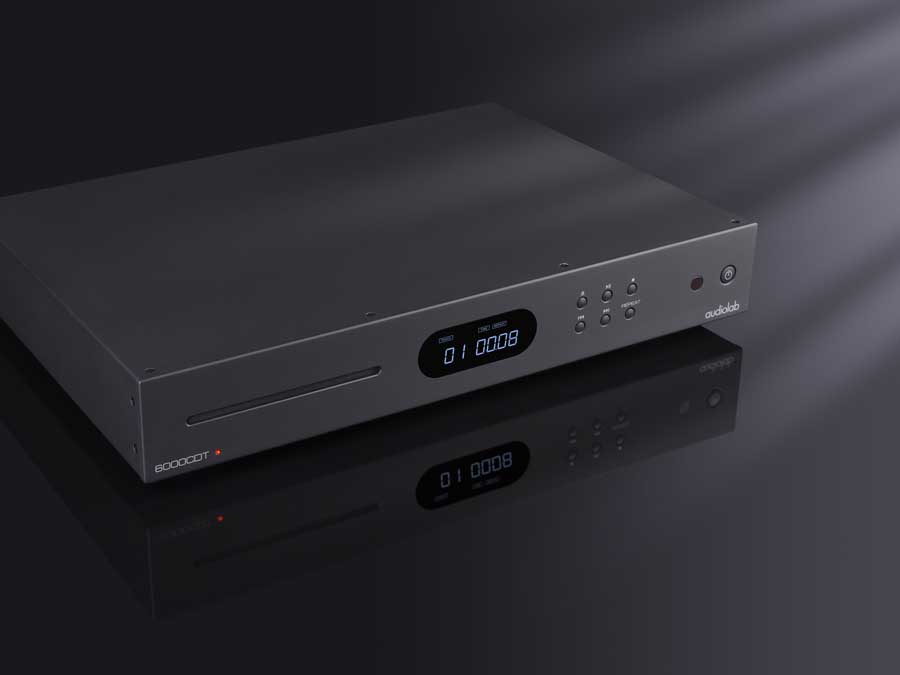
The renaissance of physical media continues to gather momentum within the high-fidelity audio landscape, prompting manufacturers to revisit and refine their most successful legacy designs. British audio engineering specialist Audiolab has officially announced the upcoming release of the Audiolab 6000CDT MKII, a comprehensive technological update to its highly acclaimed 6000 Series CD transport. Originally launched in 2018, the initial 6000CDT quickly established itself as a benchmark component for audiophiles seeking a dedicated, high-performance disc spinner without the added expense or potential interference of an onboard digital-to-analogue converter (DAC).
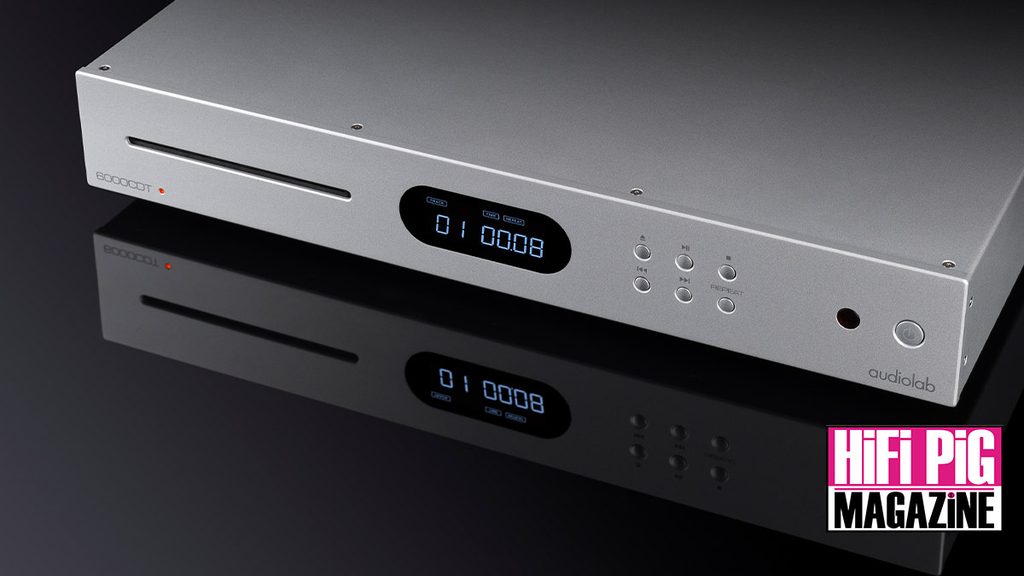
As compact discs maintain a loyal and steadily growing following among music enthusiasts who value ownership, tactile engagement, and uncompressed physical audio, Audiolab’s decision to refresh this staple product underscores the enduring viability of the format. Scheduled to hit retail shelves in late November 2026 at a competitive price point of £399, the new MKII iteration preserves the understated, elegant aesthetic of its predecessor while incorporating advanced trickle-down engineering derived from the company’s flagship 7000 and 9000 Series components. This strategic overhaul aims to deliver superior data extraction, lower electrical noise floors, and enhanced mechanical stability for modern high-end audio systems.

Evolution of a Modern Classic: Background and Context
The original Audiolab 6000CDT entered the market during a pivotal era for the consumer audio industry. While streaming services were rapidly dominating consumption habits, a resilient faction of audiophiles continued to invest heavily in silver discs, appreciating the superior dynamic range and mastering integrity often lost in heavily compressed streaming files. At the time, finding a dedicated transport—a device that reads digital data from a disc and transmits it via digital outputs to an external DAC, rather than processing the signal internally—usually meant purchasing high-end, costly equipment. Audiolab disrupted this market segment by offering a robust, jitter-reducing transport mechanism at an accessible price point, pairing it visually and functionally with the broader 6000 component ecosystem, including amplifiers and streamers.
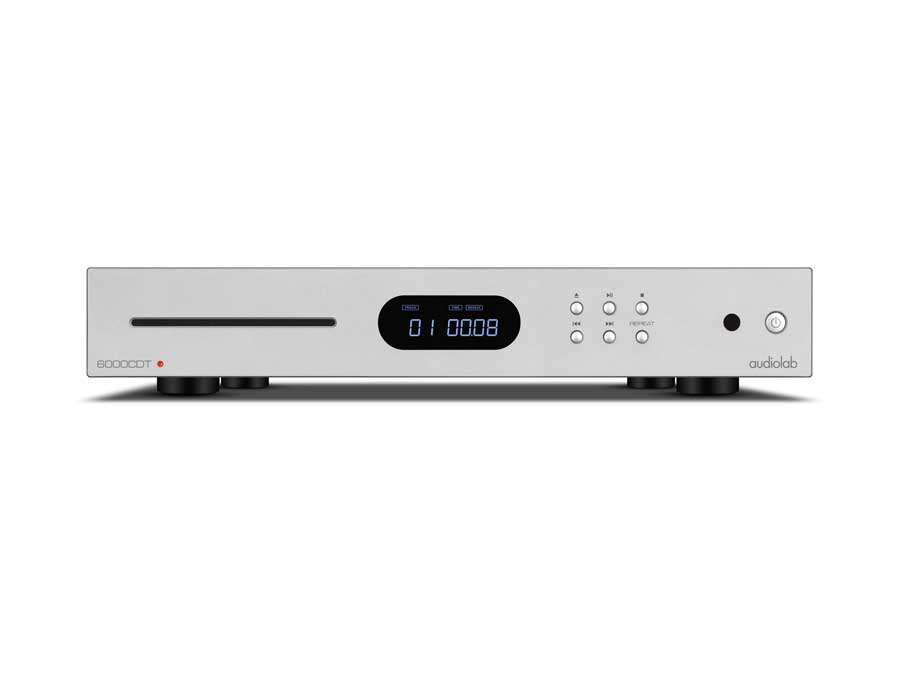
Over the span of nearly a decade, the audio engineering landscape evolved significantly. Audiolab applied the extensive research and development triumphs from its higher-tier 7000 and 9000 Series components to redefine what entry-to-mid-tier hi-fi could achieve. The introduction of the 6000CDT MKII represents the culmination of years of iterative refinement, capitalizing on modern micro-processing efficiency, superior material science in mechanical dampening, and advanced power supply topology to elevate budget-conscious audiophile playback to unprecedented levels.
Redesigned Mechanics and Precision Servo Control
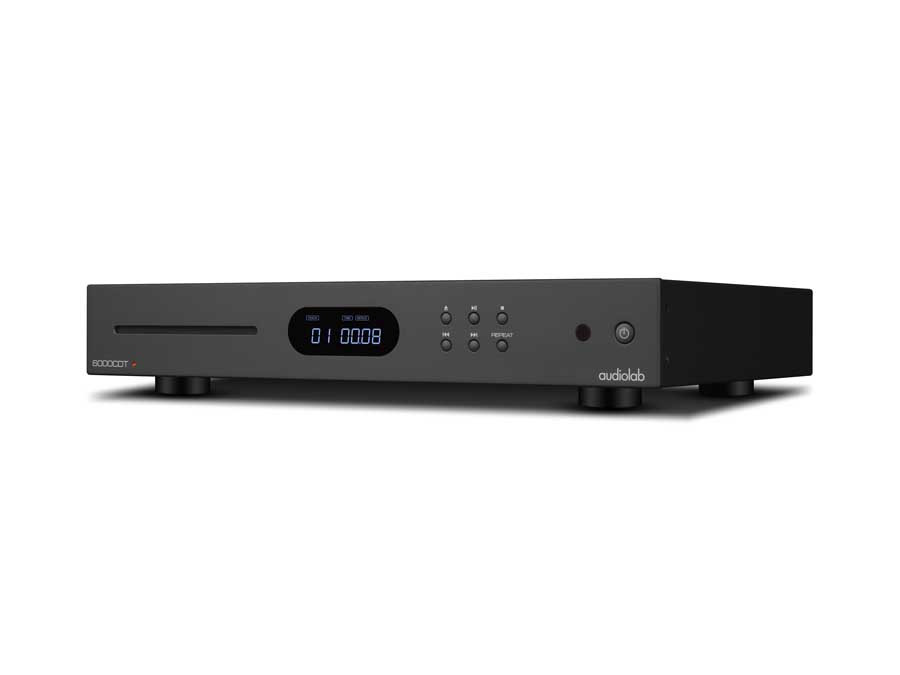
At the heart of any high-performance CD transport is its ability to extract digital data from a spinning polycarbonate disc with absolute precision and minimal error-correction intervention. The Audiolab 6000CDT MKII addresses this core requirement through the implementation of a completely revised slot-loading CD mechanism. Unlike conventional tray-loading systems, the bespoke slot-loading architecture engineered by Audiolab is meticulously isolated from external mechanical vibrations and internal electrical interference.
Furthermore, the transport utilizes a completely overhauled servo control system. Managing disc focus, tracking, and rotational speed with exceptional accuracy, the new servo algorithms are designed to optimize disc-reading stability under varied conditions. This engineering upgrade yields two primary benefits: a significant reduction in mechanical operating noise, allowing for a quiet listening environment during quiet musical passages, and vastly improved tracking capabilities. Consequently, the MKII handles imperfect, slightly warped, or lightly scratched legacy discs with far greater resilience than its predecessor, minimizing data read errors that can compromise downstream digital-to-analogue conversion.
Advanced Power Architecture and Electrical Isolation
Electrical noise remains one of the most formidable adversaries in high-fidelity audio reproduction. Stray electromagnetic fields, transformer hum, and ripple currents can easily bleed into sensitive digital clocking circuits and output stages, introducing jitter and smearing fine musical details. To combat these issues, Audiolab’s engineering team completely re-engineered the power supply architecture of the 6000CDT MKII.
The updated power circuitry incorporates a custom-specified toroidal transformer designed specifically to handle the fluctuating electrical demands of the motorized transport mechanism alongside the delicate digital processing electronics. By physically and electrically segregating the high-demand motor circuits from the ultra-stable low-voltage rails feeding the master clock and output stages, Audiolab has successfully minimized cross-contamination. The result is a remarkably clean electrical environment that allows the digital data stream to be transmitted with pristine integrity.
Master Clocking and Digital Output Versatility
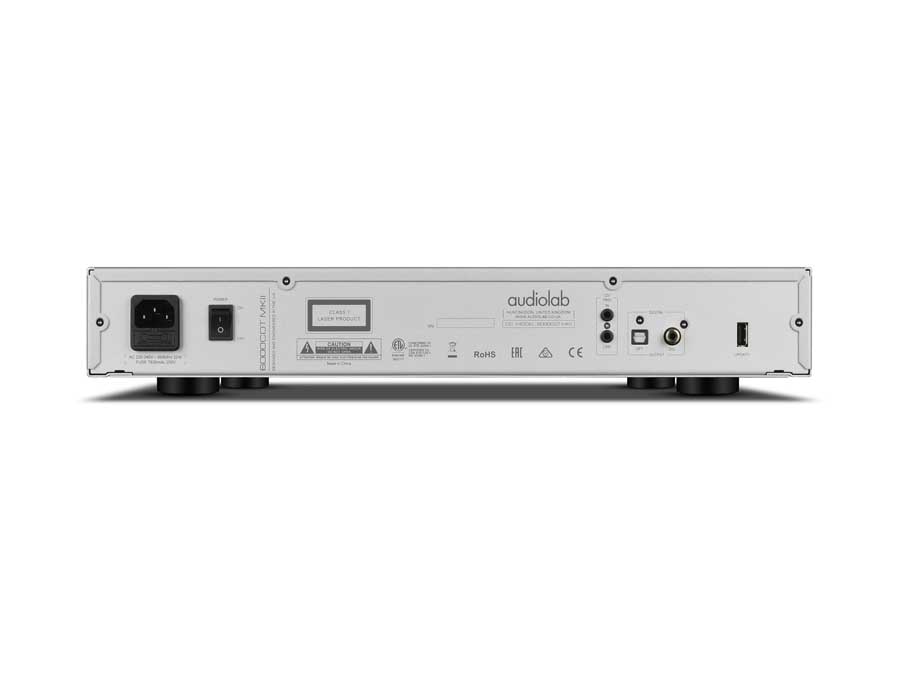
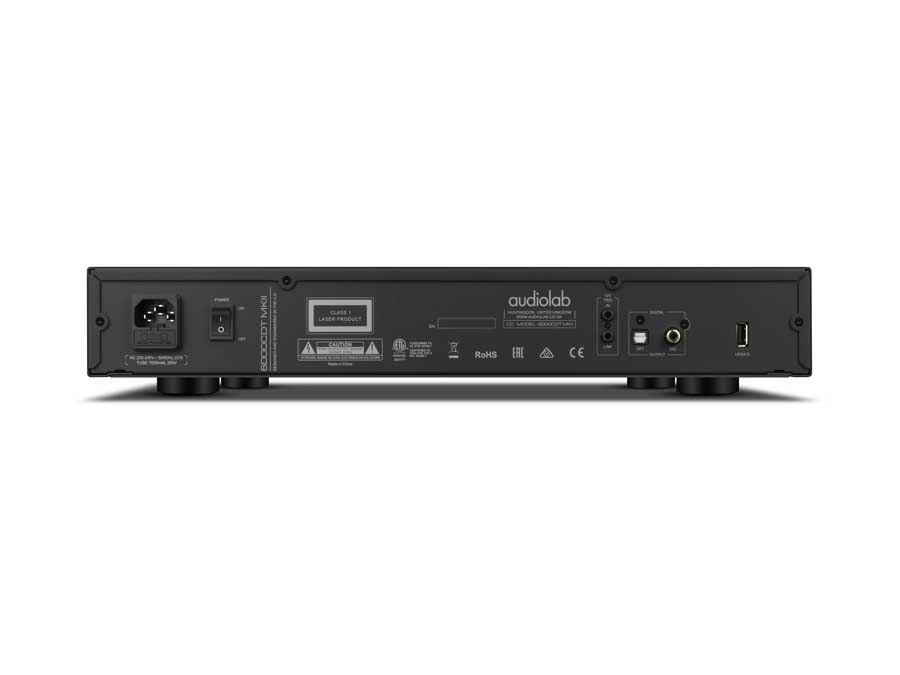
Because the 6000CDT MKII functions exclusively as a transport rather than an integrated player, it completely omits any internal DAC or analogue output circuitry. This design philosophy ensures that all financial and engineering resources are dedicated entirely to the purity of the digital transport process. Digital audio is routed seamlessly to an external DAC, digital amplifier, or preamplifier equipped with digital inputs via optical or 75-ohm coaxial S/PDIF connections.
To ensure that this digital transmission remains as jitter-free as possible, the MKII features an updated master-clock system governed by a temperature-compensated crystal oscillator (TCXO). Temperature fluctuations within electronic equipment can cause microscopic frequency drifts in standard crystal oscillators, leading to timing errors in digital data packets. The TCXO employed in the MKII maintains exceptional frequency stability regardless of internal operating temperatures, providing a rock-solid timing reference that ensures optimal synchronization between the transport and the receiving DAC.
Comprehensive Format Support and System Integration
Modern audiophiles often curate diverse physical music libraries that extend beyond standard Red Book audio compact discs. The Audiolab 6000CDT MKII offers extensive format flexibility, accommodating standard 16-bit/44.1kHz audio CDs, home-burned CD-R and CD-RW discs, as well as data CDs containing high-resolution compressed and uncompressed audio files. Users can playback FLAC, WAV, WMA, MP3, and APE formats directly from disc, with supported sample rates scaling up to 96kHz depending on the specific file container.
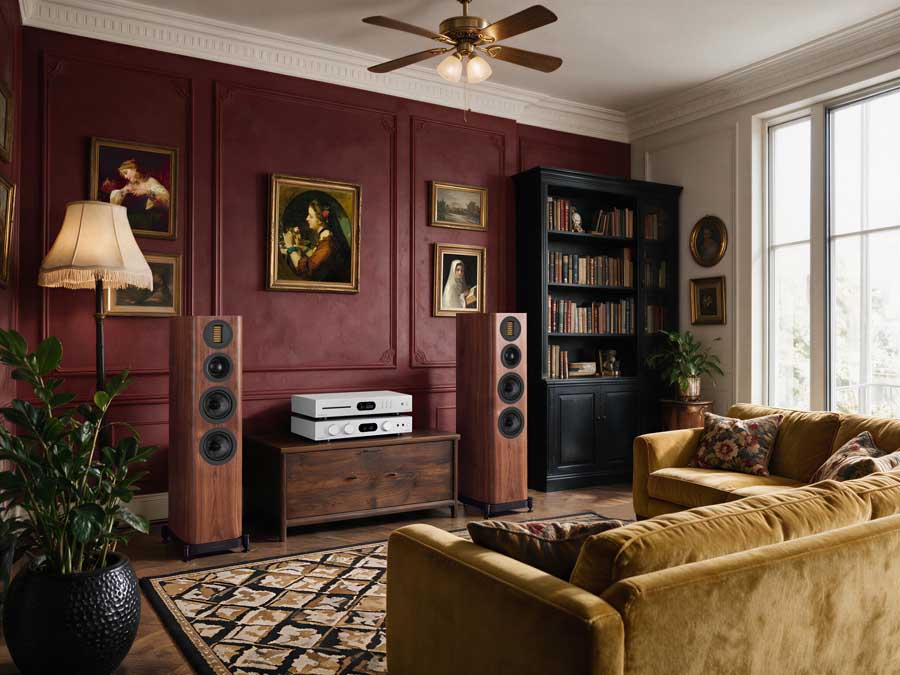
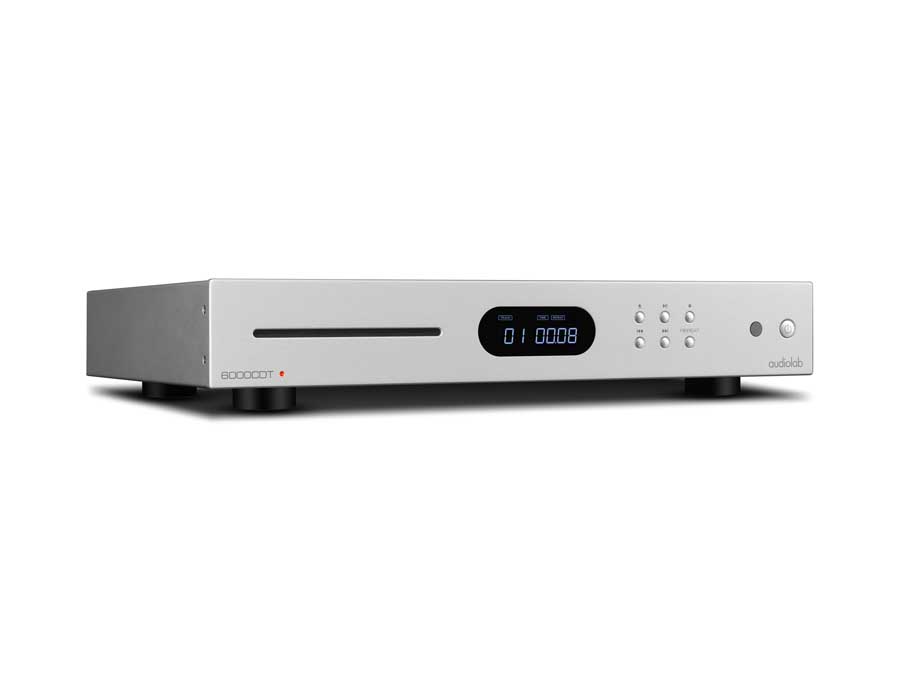
Usability and system integration have also been refined. The minimalist front panel features a crisp, high-contrast OLED display that provides clear track, time, and status information without emitting excessive high-frequency electrical noise that could degrade audio performance. Playback capabilities include direct track selection, repeat modes, random shuffle, and programmable playback sequences for up to 99 tracks.
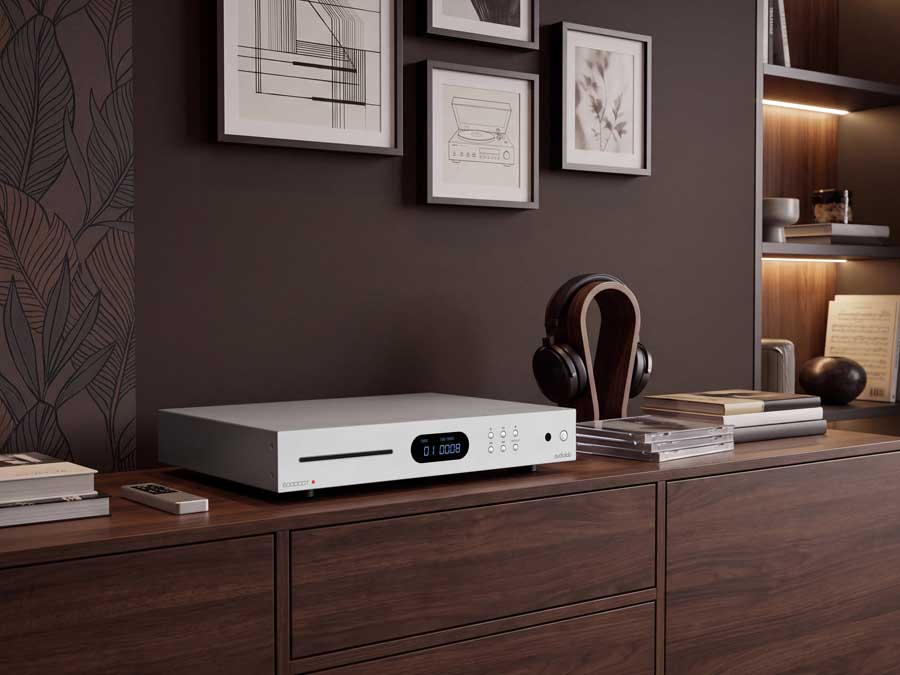
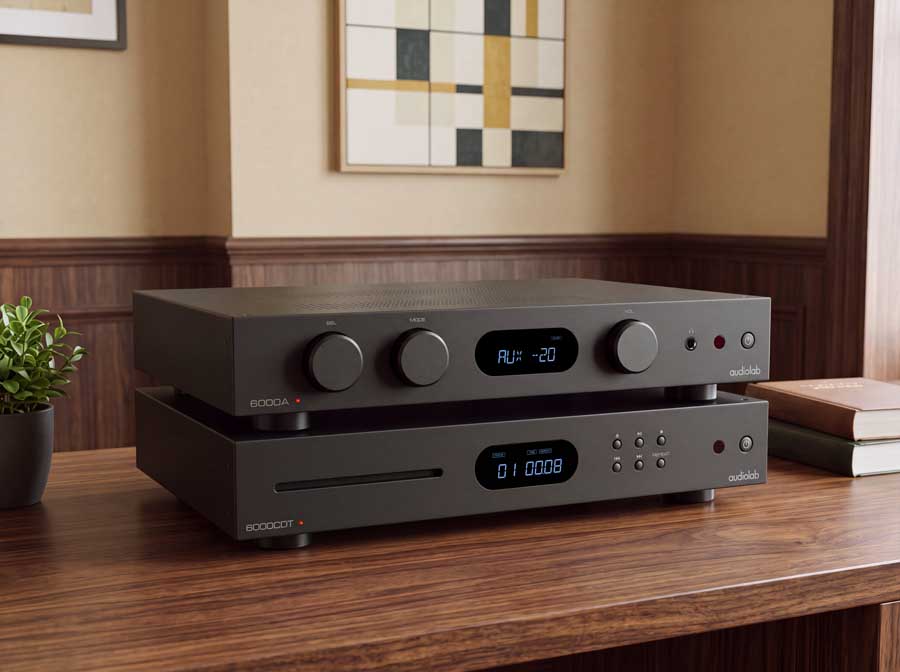
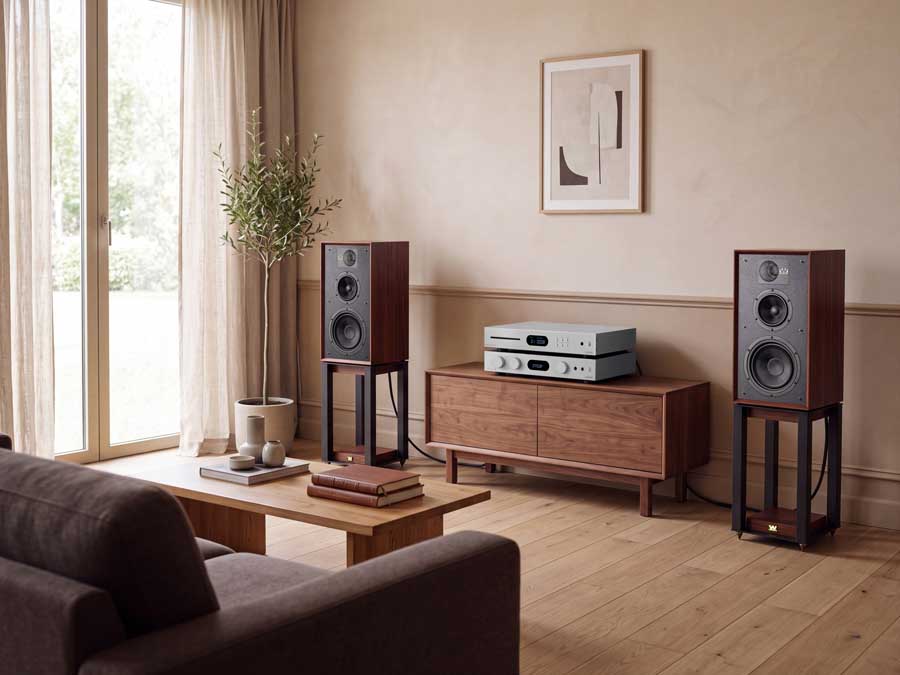
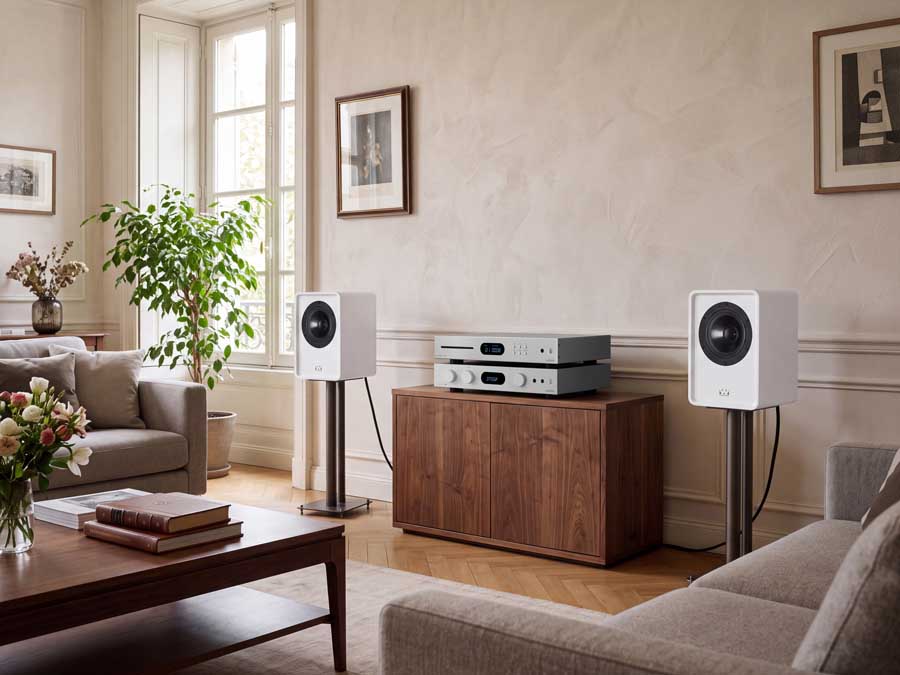
For seamless integration into multi-component hi-fi setups, the unit includes selectable auto-standby functionality to promote energy efficiency, alongside standard 12V trigger inputs and outputs. This allows the 6000CDT MKII to power on and off in tandem with matching amplifiers or streamers, offering a unified user experience.
Market Implications and Strategic Positioning
The launch of the Audiolab 6000CDT MKII arrives at a fascinating juncture for the consumer electronics industry. While hardware manufacturers continue to pour vast resources into network streaming and wireless audio protocols, hardware sales data consistently demonstrates a stubborn, highly dedicated market for physical music formats. Vinyl records have dominated headlines with their multi-year sales surge, but compact discs have quietly experienced their own cultural and commercial stabilization, driven by younger demographics discovering physical ownership and older audiophiles safeguarding extensive legacy collections.
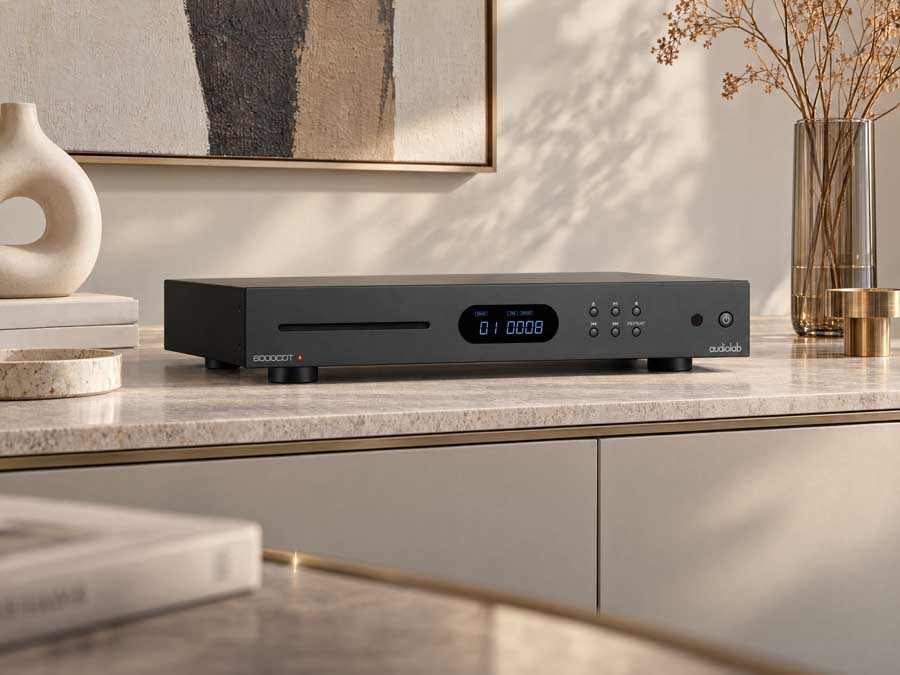
Priced at £399 and available in sophisticated black or silver finishes starting in late November 2026, the 6000CDT MKII occupies a highly strategic sweet spot in the global audio market. It bridges the gap between budget-tier optical players that often suffer from compromised build quality and esoteric, high-end transports that command thousands of dollars. By leveraging shared component research from its more expensive siblings, Audiolab has ensured that high-end digital performance remains accessible to a wide audience.
Industry analysts suggest that this release will likely stimulate healthy competition among traditional hi-fi brands, proving that product lifecycles in the physical audio sector are far from exhausted. As listeners increasingly seek out reliable, long-lasting hardware that operates independently of software updates, cloud subscriptions, and network connectivity issues, dedicated components like the Audiolab 6000CDT MKII offer a refreshing sense of permanence. By modernizing the mechanics and power delivery of a proven platform, Audiolab has reinforced its commitment to the enduring ritual of spinning a physical disc, securing the format’s relevance for a new generation of music lovers.