Amsterdam Dance Event Strips Promoters Komplott and Overgave of Official Affiliation Over Controversial Shlømo Booking


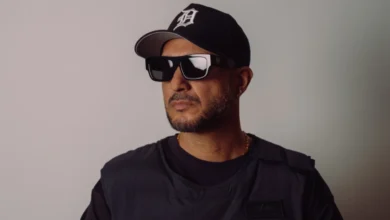
The leadership of the Amsterdam Dance Event (ADE) has taken definitive action to distance the world-renowned electronic music summit from a slate of local promoters. Organizers officially stripped promoter brands Komplott and Overgave of their festival affiliation following a contentious decision to move forward with a showcase featuring French techno artist Shlømo at Club Panama. The event, originally scheduled for Wednesday, October 21, became the center of a burgeoning safety and accountability crisis within the global hard techno ecosystem after the promoters chose to ignore growing calls to remove the artist from their lineup.
The friction between the festival’s central governing body and the independent promoters escalated rapidly after Komplott and Overgave doubled down on their booking. This stubborn stance came to light in the wake of a formal criminal complaint filed at the Paris Judicial Court, which detailed serious allegations against Shlømo, including charges of rape, psychological violence, and death threats. While major international electronic music brands, promoters, and festivals—such as Teletech, Verknipt, and Belgium’s Dour Festival—promptly severed ties with the artist as a precautionary measure to protect community standards, Komplott and Overgave defended their choice to keep him on the bill.
In an official public statement released to the dance music community, ADE executive leadership made it unequivocally clear that the promoters’ defiant response fundamentally conflicted with the festival’s core values, mission, and community safeguarding standards. Although ADE operates as a decentralized, city-wide festival where individual venue programming and bookings traditionally fall under the purview of independent promoters, the organization maintains strict operational oversight over which events earn its official branding, marketing backing, and festival network integration. By revoking this official status, ADE sought to draw a sharp ethical line in the sand.
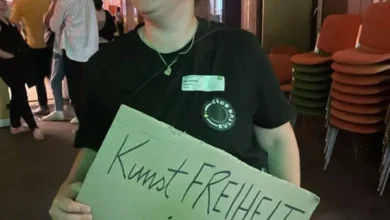
The controversy surrounding the event gained massive traction across digital platforms and within the Dutch dance music community, igniting a broader conversation about ethics versus economics in nightlife culture. Critics, including concerned fans, local artists, and advocacy groups, blasted Komplott and Overgave for appearing to prioritize commercial ticket sales and financial returns over the welfare of victims and the safety of attendees. The fallout was immediate: several supporting acts slated for the Club Panama showcase pulled out of the event in protest, refusing to share a stage under the cloud of the unresolved legal allegations.

Despite the decisive revocation of ADE’s seal of approval, the structural limitations of the festival’s governance came to the forefront. ADE confirmed that while it possesses the absolute authority to strip its official logo, digital marketing footprint, and association from any showcase, it does not hold the direct legal authority to force an independent venue like Club Panama to cancel a contracted private event entirely. Consequently, while the showcase could legally proceed under independent management, it would do so entirely stripped of the institutional prestige, logistical support, and global visibility that an official ADE affiliation provides.
This high-profile dispute highlights a shifting paradigm within the electronic music industry, where festival organizers and major institutional players are increasingly expected to enforce rigorous ethical standards. For decades, the underground dance music scene prided itself on an ethos of non-interference, often separating the art from the artist. However, the rise of coordinated accountability movements, increased awareness around safety, and the institutionalization of electronic music have transformed how festivals manage risk and reputation. ADE’s swift intervention sets a prominent precedent for accountability across the global conference and festival landscape, underscoring the reality that commercial partnerships must fundamentally align with community safety standards and a zero-tolerance approach to gender-based violence and misconduct.
The broader implications of the ADE-Komplott fallout extend far beyond a single Wednesday night showcase in Amsterdam. As the hard techno genre experiences an unprecedented commercial boom, attracting millions of fans worldwide and filling massive arenas, it has simultaneously wrestled with growing pains regarding culture, crowd safety, and ethical governance. Incidents involving major artists facing severe legal scrutiny have forced promoters, booking agencies, and festival directors to re-evaluate their vetting processes. The swift alignment of global brands like Teletech and Verknipt in dropping contested acts demonstrates a growing industry-standard playbook: prioritizing a safe, inclusive environment over short-term box office revenue. Conversely, the refusal of smaller regional promoters to adapt to these shifting cultural norms risks alienating them from the broader industry ecosystem, as evidenced by ADE’s swift punitive measures.
As the electronic music community looks toward future iterations of Amsterdam Dance Event and international festival seasons, the message from institutional leaders remains unambiguous. Safeguarding audiences, supporting victims, and maintaining ethical integrity are no longer optional background considerations for event production—they are baseline operational requirements. The fallout from the Komplott and Overgave controversy serves as a stark reminder that the modern dance music landscape will increasingly hold its stakeholders accountable, demanding transparency, empathy, and uncompromising standards of safety from every corner of the global nightlife economy.