Album Review: Peter Jablonski Launches Karol Szymanowski Complete Piano Works Cycle with Volume One on Ondine


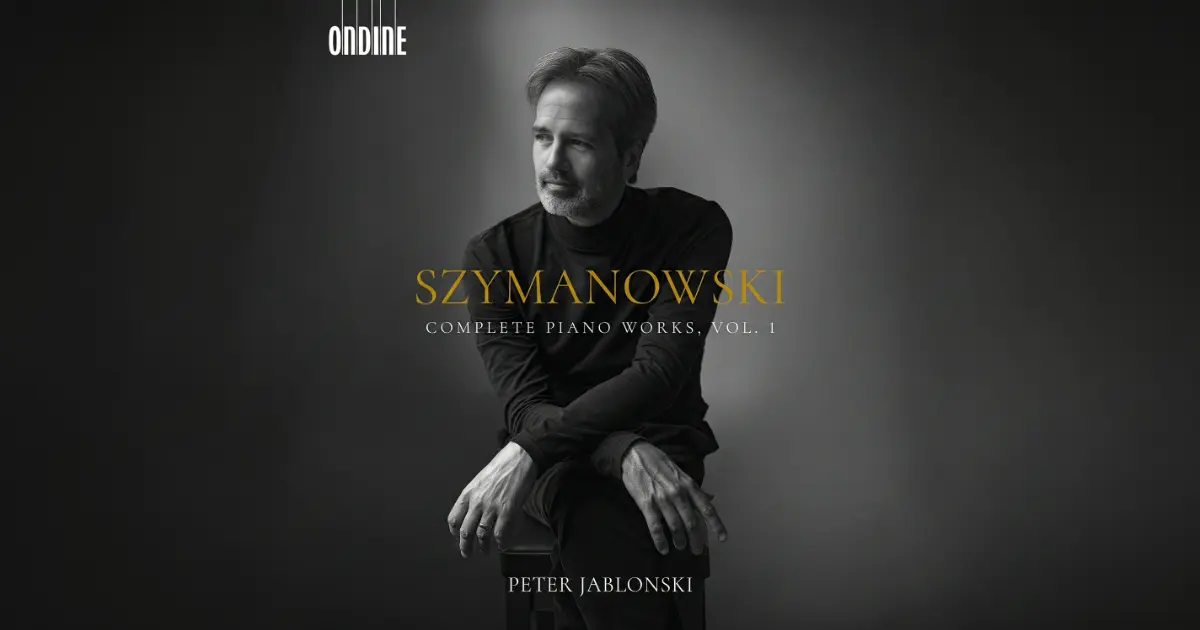
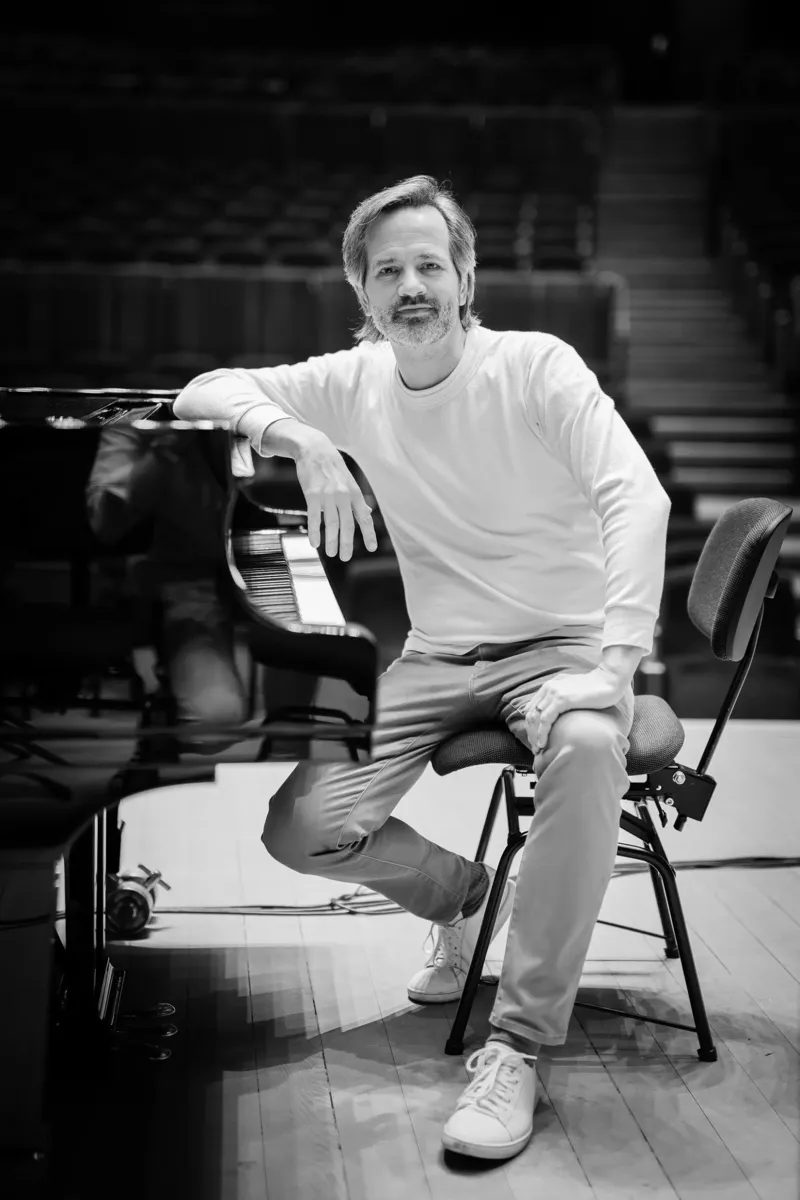
Pianist Peter Jablonski has officially embarked on a definitive recording cycle dedicated to the complete piano works of Polish composer Karol Szymanowski, releasing the first volume on the Ondine label (Catalogue No. ODE 1484-2). Building upon his acclaimed 2022 traversal of Chopin’s Mazurkas for the same label, Jablonski turns his attention to one of the most significant and texturally complex voices of early 20th-century classical music. This initial installment brings together formative variations and impressionistic masterpieces, offering listeners a comprehensive look at Szymanowski’s stylistic evolution from late-Romantic idioms to advanced chromaticism and Mediterranean-inspired modernism.
The release arrives at a time of renewed scholarly and performance interest in Szymanowski’s catalog, as contemporary artists seek to reintroduce his synthesis of Polish national identity and international modernist currents to modern audiences. Jablonski’s project is structured to systematically chart this compositional journey across multiple volumes, establishing a new benchmark for interpretation in the 21st-century classical recording landscape.
Chronology and Early Variations: Tracing the Composer’s Evolution
The first volume of the cycle opens with early works that highlight Szymanowski’s mastery of traditional forms while simultaneously pushing harmonic boundaries. Track one features the Op. 3 Variations in B-flat minor, composed during the composer’s formative years when he was heavily influenced by the German Romantic tradition of Brahms and Reger, yet eager to stamp the canvas with his own distinctive harmonic profile.
Jablonski navigates the work’s twelve distinct variations with a careful balance of dynamic coloring and structural foresight. Rather than treating the variations as isolated technical showcases, the pianist maintains a unifying thread through meticulous voice leading. Whether traversing interweaving contrapuntal lines, vertical hymnal textures, or fractured, scampering chordal fragments, Jablonski preserves the integrity of the core theme. While the minor-key writing leans toward a melancholic introspection, transient passages in major tonalities receive a coyly charming treatment that relieves the prevailing tension.
Progressing to the Op. 10 Variations on a Polish Folk Theme (track two), the recording captures Szymanowski’s expanding musical vocabulary. Here, the composer integrates authentic Polish folk motifs while stretching his compositional language toward greater chromatic exploration and stark contrasts. Jablonski leans into these developments, particularly in the sombre Variation 8 (Marcia funebre). His rendering evokes the solemn tolling of heavy bells, building toward a turbulent climax that tests the limits of dynamic intensity.
Comparative Analysis and Performance Dynamics
In evaluating Jablonski’s interpretation of Szymanowski’s early and transitional works, music critics frequently draw comparisons to landmark recordings by legendary interpreters such as Krystian Zimerman and Sviatoslav Richter. While Zimerman’s landmark accounts of Szymanowski are celebrated for their raw, unhinged power and extroverted volatility, Jablonski adopts a more measured approach. His performances successfully reconcile the introverted and extroverted dimensions of the music, prioritizing tone quality without sacrificing dramatic impact.
This polished balance is equally evident in Jablonski’s approach to the triptych Mètopes, Op. 29, inspired by the composer’s travels to the ancient temples of Sicily and named after the bas-reliefs of classical architecture. In translating visual art into an aural medium, Szymanowski departed from the traditional variation form, adopting an eclectic, impressionistic idiom.
In L’île des Sirènes (track three), Jablonski demonstrates a fluid technique reminiscent of his previous recordings of Alexander Scriabin’s mazurkas. The soundworld is advanced and atmospheric, drawing comparisons to Scriabin’s late sonatas. Track four, Calypso, pairs a gossamer tone with an inherent disquiet, while track five, Nausicaa, introduces a playful character driven by crisp staccatos and acute rhythmic awareness.
When contrasted with the finessed readings of Piotr Anderszewski or the brisk, breezy live interpretations of Sviatoslav Richter, Jablonski’s Mètopes stand out for their melodic freedom. By employing a flexible rubato, the pianist creates natural ebbs and flows that invite the listener into the music’s contemplative architecture.
Architectural Mastery in the Op. 34 Masques
The album concludes with the three Masques, Op. 34, which retain the angular and crystalline textures of the Mètopes while pushing into more ferocious and dramatic territory. Track six, Shéhérazade, ventures into a volatile landscape where Jablonski temporarily abandons his usual pursuit of a well-rounded tone in favor of full-force textural aggression, resulting in a rousing and formidable sonic experience.
The subsequent movements showcase Szymanowski’s multicultural inspirations: Tantris le Bouffon (track seven) bristles with a peppery, dance-like flair, while Sérénade de Don Juan (track eight) weaves snappy Spanish folk rhythms against an increasingly atonal backdrop. Throughout these works, the central conflict is driven by the friction between lyrical melody and harsh dissonance. Jablonski navigates this tension by treating each element with distinct stylistic awareness, highlighting the psychological depth of the scores.
Contextual Framework and Critical Reception
Complementing the musical performances, musicologist Anastasia Belina provides extensive liner notes that supply vital biographical context and analytical breakdowns of each work on the album. This scholarly framing reinforces the educational and artistic value of the release, positioning it as an essential entry point for both dedicated admirers of 20th-century piano music and newcomers to Szymanowski’s oeuvre.
Industry analysts note that comprehensive recording cycles of niche modernist repertoires play a crucial role in expanding the standard concert hall and streaming canon. By committing to a multi-volume exploration of Szymanowski’s complete piano works, Jablonski and Ondine have addressed a notable gap in contemporary classical discography.
Broader Impact and Future Outlook
The release of Volume One sets a high standard for the remainder of the cycle. As classical music institutions and recording labels increasingly look toward undervalued repertory from the early decades of the 20th century, Jablonski’s project demonstrates the viability and artistic necessity of revisiting complex modernist scores with technical precision and intellectual rigor.
Future installments of the series are expected to tackle Szymanowski’s sprawling sonatas and later stylistic phases, further testing the boundaries of the pianist’s interpretive range. For now, the inaugural volume stands as a compelling testament to Karol Szymanowski’s unique synthesis of Polish nationalism and international modernism, brought to life through Peter Jablonski’s committed artistry.