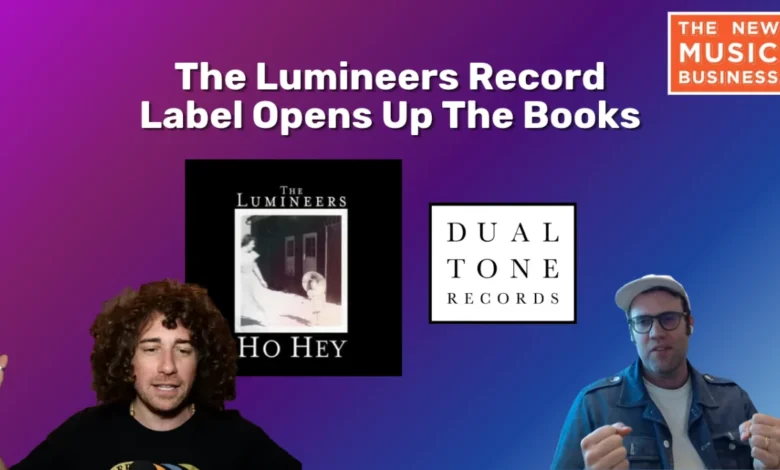
In an era defined by rapid technological disruption, shifting consumer habits, and a hyper-saturated digital marketplace, the survival of an independent record label is a formidable achievement. Reaching a quarter-century milestone is even rarer. Dualtone Records, an independent Nashville-based label celebrating its 25th anniversary, has not only survived the seismic shifts of the modern music industry but has consistently thrived through a steadfast commitment to artist development, transparent deal-making, and a highly selective curation strategy.
Recently, Whitaker Elledge, the president of Dualtone Records, sat down with host Ari Herstand on the New Music Business podcast to pull back the curtain on the label’s longevity. Discussing everything from modern profit splits to the evolving landscape of TikTok marketing, Elledge provided a masterclass in how a boutique independent label can compete against major conglomerates while preserving artistic integrity.
A Quarter-Century Foundation Built on Curation and Trust
Founded 25 years ago, Dualtone has carved out a distinct identity in a crowded industry. Over its history, the label has cultivated an impressive, diverse roster of critically acclaimed and commercially successful acts, including The Lumineers, flipturn, Mt. Joy, Shakey Graves, Kathleen Edwards, and Langhorne Slim. Rather than chasing fleeting commercial trends or attempting to scale through sheer volume, Dualtone has deliberately chosen a boutique approach.
During the podcast discussion, Elledge highlighted a core operational philosophy that has guided the label through various eras of the music business: Dualtone strictly limits its output to just eight to ten album releases per year. This intentional scarcity ensures that every project receives the dedicated resources, strategic focus, and personalized attention it requires from an intimate staff. By avoiding the assembly-line mentality that often plagues larger corporate labels, Dualtone maintains deep, collaborative relationships with its artists, positioning itself as a long-term partner rather than a transactional financier.
This artist-first philosophy is deeply embedded in the label’s financial structures. Elledge and Herstand explored the mechanics of modern record deals, focusing on Dualtone’s preference for 50/50 net profit splits. Unlike traditional major-label contracts that often saddle artists with recoupable costs while keeping royalty percentages low, net profit deals align the financial interests of both the label and the creator. When a record succeeds, both parties share equitably in the upside. This transparency has built immense trust within the creative community, allowing Dualtone to attract and retain top-tier talent who might otherwise be wary of traditional label partnerships.
The Evolution of Record Deals: Long-Term Vision Over Short-Term Gains
The conversation between Elledge and Herstand offered vital insights into how contemporary record deals are structured and why labels prioritize long-term relationships over quick wins. In the modern music economy, where streaming has democratized distribution but made discovery intensely competitive, the lifespan of an artist’s career is valued far higher than a single viral moment.
Elledge detailed the label’s early involvement with modern folk-rock powerhouse The Lumineers, serving as a prime example of Dualtone’s long-term investment strategy. When the band first signed, the music industry was in a transitional phase as digital downloads gave way to early streaming platforms. By committing to the band’s vision and patiently building their audience touring circuit by touring circuit, Dualtone helped turn the group into a global stadium-selling phenomenon.
According to Elledge, labels do not—and cannot—sign every artist they personally love or admire. The vetting process is rigorous. Beyond evaluating the quality of the songwriting and the recorded product, label executives look closely at an artist’s live performance capabilities, work ethic, team infrastructure, and willingness to collaborate over a multi-album arc. A record deal is, fundamentally, a multi-year marriage. Both parties must share a unified vision for the artist’s trajectory, ensuring that the partnership remains resilient through the inevitable highs and lows of a professional music career.
Navigating the Modern Marketing Maze: TikTok, Spark Codes, and Budgets
As the music industry has transitioned into a digital-first ecosystem, the methods by which songs are marketed and discovered have undergone a radical transformation. Elledge and Herstand dedicated a significant portion of their discussion to the complexities of modern music promotion, specifically addressing the role of social media platforms like TikTok, algorithmic targeting, and the realities of allocating marketing budgets.
The conversation illuminated the high-stakes environment of contemporary digital marketing, often
described as a "TikTok arms race." Today’s promotion strategies go far beyond simply posting organic videos; they involve sophisticated tactics such as content seeding, coordinated engagement with dedicated fan pages, and the strategic deployment of TikTok Spark Codes to amplify user-generated content and official tracks alike.
However, Elledge cautioned against the trap of chasing vanity metrics. While a million views on a short-form video can provide a temporary dopamine hit, viral visibility does not automatically translate into long-term career sustainability or ticket sales. Dualtone places a much higher premium on building an "owned audience"—direct connections with fans via email lists, community platforms, and physical product purchases—which provides enduring economic value long after an algorithm’s favor has shifted.
To ground these strategies in practical terms, Elledge broke down how an independent label approaches resource allocation, specifically addressing how to deploy a hypothetical $50,000 marketing budget. In a market where every dollar must be accounted for, marketing funds are meticulously divided across digital advertising campaigns, playlist pitching services, radio promotion, PR campaigns, and physical retail visibility. Measuring what actually works requires continuous data analysis, allowing the label to pivot away from underperforming channels and double down on initiatives that actively convert casual listeners into dedicated, ticket-buying fans.
Broader Implications for the Independent Music Sector
The longevity and continued growth of Dualtone Records offer a powerful case study for the broader independent music community. As major record labels consolidate and increasingly rely on algorithmic data to dictate their signing practices, independent labels occupy a vital space in the ecosystem. They act as cultural incubators, taking artistic risks that corporate entities often avoid while providing the administrative, financial, and strategic muscle necessary to scale an artist’s career globally.
Dualtone’s 25-year milestone demonstrates that sustainable success in the music business does not require compromising artistic integrity or adopting a mass-production model. By maintaining a lean release schedule, offering fair and transparent financial terms, and prioritizing deep, authentic connections with fans over fleeting digital trends, the label has established a sustainable blueprint for the future.
As the music industry continues to adapt to new technologies, shifting economic models, and changing consumer behaviors, the insights shared by Whitaker Elledge serve as a valuable roadmap. For independent artists navigating record deals and industry executives seeking to build enduring rosters, Dualtone’s quarter-century trajectory proves that patience, partnership, and a relentless focus on great music remain the ultimate catalysts for long-term growth.
Related posts: