Ed Sheeran Gillette Stadium Concerts Canceled Due to Severe Nor’easter Weather Following Weeks of Controversy and Lineup Turmoil

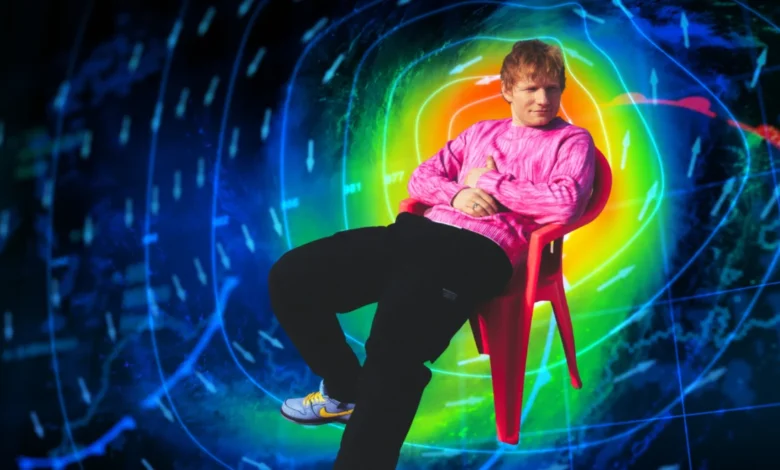
Severe weather conditions throughout New England have ultimately forced the cancellation of Ed Sheeran’s highly anticipated weekend concerts at Gillette Stadium in Foxborough, Massachusetts. The announcement comes directly from event promoters and local officials following the issuance of severe weather warnings across the region. All ticket holders are set to receive full refunds. The cancellation brings a dramatic, meteorological end to a tumultuous week marked by fierce political controversy, sudden lineup changes, and unprecedented intervention from state consumer protection authorities.
The weekend shows were originally intended to be the centerpiece of Sheeran’s resumed United States tour, bringing him back to the very venue that had catalyzed a storm of headlines days prior. Instead, heavy rains, gale-force winds, and plummeting temperatures characteristic of a severe New England nor’easter have grounded the production crew and brought an abrupt halt to live entertainment at the open-air stadium.
Anatomy of a Weather Shutdown
According to reports from industry insiders and local meteorological services, New England braced for wind gusts reaching up to 70 miles per hour alongside several inches of anticipated rainfall. The hazardous conditions posed immediate safety risks for concertgoers, staff, and touring personnel alike.
Logistical challenges began mounting days before the scheduled performances. Production crews tasked with assembling the massive, technically intricate stage at Gillette Stadium were forced to suspend operations on Thursday. Initially, workers managed to partially assemble the stage structure on Thursday morning. However, as the nor’easter intensified rapidly by Thursday evening, venue executives and tour management instructed the crew to pause construction entirely while evaluating whether to dismantle the partially built framework.
Ultimately, the combination of wind safety thresholds and consulting sessions with local municipal officials sealed the fate of the weekend residency. While speculation had swirled regarding whether nature itself would intervene in the ongoing controversies surrounding the tour, the decision to cancel was rooted strictly in public safety and structural stability under extreme weather conditions.
The Catalyst: Macklemore, Robert Kraft, and the Support Act Exodus
The weather-related cancellation is the latest chapter in a broader crisis that began weeks prior, centering on political expression, venue ownership, and concert lineups. The controversy erupted when billionaire New England Patriots owner and Gillette Stadium proprietor Robert Kraft reportedly objected to rapper Macklemore’s on-stage expressions of solidarity with Palestine.
Kraft allegedly threatened to cancel Sheeran’s scheduled stadium appearances unless Macklemore was removed from the bill, and reportedly pressured other major United States stadium executives to adopt similar ultimatums. In an effort to salvage the tour dates and appease venue management, Sheeran’s promoter ultimately axed Macklemore from the lineup.
The decision to drop Macklemore triggered a swift and cascading backlash across the tour ecosystem. In solidarity with the dismissed rapper, all other supporting acts originally booked to perform alongside Sheeran pulled out of the engagements. Furthermore, members of Sheeran’s own backing band resigned in protest, leaving the Grammy-winning pop star with a severely depleted touring infrastructure.
Faced with a logistical nightmare, Sheeran and his management team were forced to heavily restructure their live performances. During a concert in Philadelphia the previous weekend, Sheeran adapted by delaying the show’s start time and performing entirely without support acts. While Sheeran frequently performs portions of his set as a solo loop-pedal artist, he was forced to rapidly recruit a replacement backing band to handle the collaborative segments of his performance. A similar solo-heavy format, minus the original support roster, had been anticipated for the Foxborough residency.
Consumer Advocacy and Attorney General Intervention
The dramatic alteration of the concert lineups—specifically the elimination of nearly all supporting acts and the backing band—sparked intense debate over ticket holder rights. Under standard purchase policies, major stadium concerts typically operate under strict no-refund frameworks. However, the wholesale transformation of the event prompted consumer complaints and swift government action.
Massachusetts Attorney General Andrea Joy Campbell stepped into the fray after her office received nearly 200 grievances from consumers struggling to obtain refunds through Ticketmaster for the Gillette Stadium dates. Campbell’s office formally intervened, notifying Ticketmaster that the simultaneous removal of nearly every supporting act constituted a fundamental and dramatic alteration of the purchased service. The Attorney General’s office argued that enforcing standard purchase policies under such conditions was inherently unfair to consumers.
Consequently, the pressure from the Attorney General’s office forced a policy reversal, establishing a clear pathway for ticketholders to secure full refunds if they opted not to attend the altered shows. While many fans purchased tickets primarily to see Sheeran perform solo hits, the disappearance of the broader festival-style lineup and the shifting political landscape surrounding the venue created valid grounds for consumer choice.
Broader Implications for Live Music and Political Expression
The convergence of weather disruptions, venue politics, and state-level consumer advocacy highlights a complex and increasingly volatile environment for major touring artists. The intersection of corporate venue ownership, political speech, and contractual obligations has placed musicians in difficult positions regarding public statements and associations.
While the Gillette Stadium shows have been definitively canceled due to the nor’easter, the fallout from the Macklemore controversy continues to reverberate internationally. Rather than fading from the spotlight, Macklemore quickly pivoted from the canceled US tour dates to organize a series of benefit concerts aimed at raising funds for organizations supporting the Palestinian people.
Announcing upcoming performances in major European cultural capitals including Dublin, London, and Paris, Macklemore addressed the industry climate directly via social media. He argued that maintaining an apolitical stance amid humanitarian crises is no longer tenable for artists with significant public platforms. The European benefit concerts are slated to feature various artists who have chosen to utilize their public presence for political and humanitarian solidarity, regardless of professional consequences.
Economic and Logistical Fallout for Stadium Tours
The cancellation of two consecutive stadium dates at a venue as prominent as Gillette Stadium carries significant economic ramifications. Promoter Messina Touring Group, Ticketmaster, and Gillette Stadium management will face substantial logistical hurdles in processing widespread refunds for tens of thousands of ticketholders. Beyond ticket revenue, local hospitality businesses in the Foxborough area—ranging from hotels and restaurants to transportation services—will experience an immediate economic downturn due to the sudden loss of weekend tourism.
As the weather clears and New England recovers from the nor’easter, the focus within the live entertainment industry will likely shift toward how venues, promoters, and ticketing agencies navigate future disruptions—both meteorological and sociopolitical. For Ed Sheeran and his touring apparatus, the immediate priority remains rescheduling or managing the fallout of a disrupted US itinerary, while the broader cultural conversation regarding artist expression, venue oversight, and consumer rights persists across the global music landscape.