The Week in Guitar News: Gibson DES Series, Mad Professor Milestone Fuzz, and Johnny Marr’s Historic Christie’s Auction


The global guitar community has experienced a dynamic week marked by ultra-exclusive instrument releases, boutique pedal innovations, and a monumental charitable auction involving some of the most recognizable instruments in alternative rock history. From Gibson’s latest high-end Custom Shop collaboration to Mad Professor’s meticulous handwired Germanium circuits, and finally to Christie’s record-shattering sale of Johnny Marr’s personal collection, guitar enthusiasts have witnessed significant developments across the manufacturing and collector sectors.
Gibson Introduces the Ultra-Limited DES Series in Ghost Burst
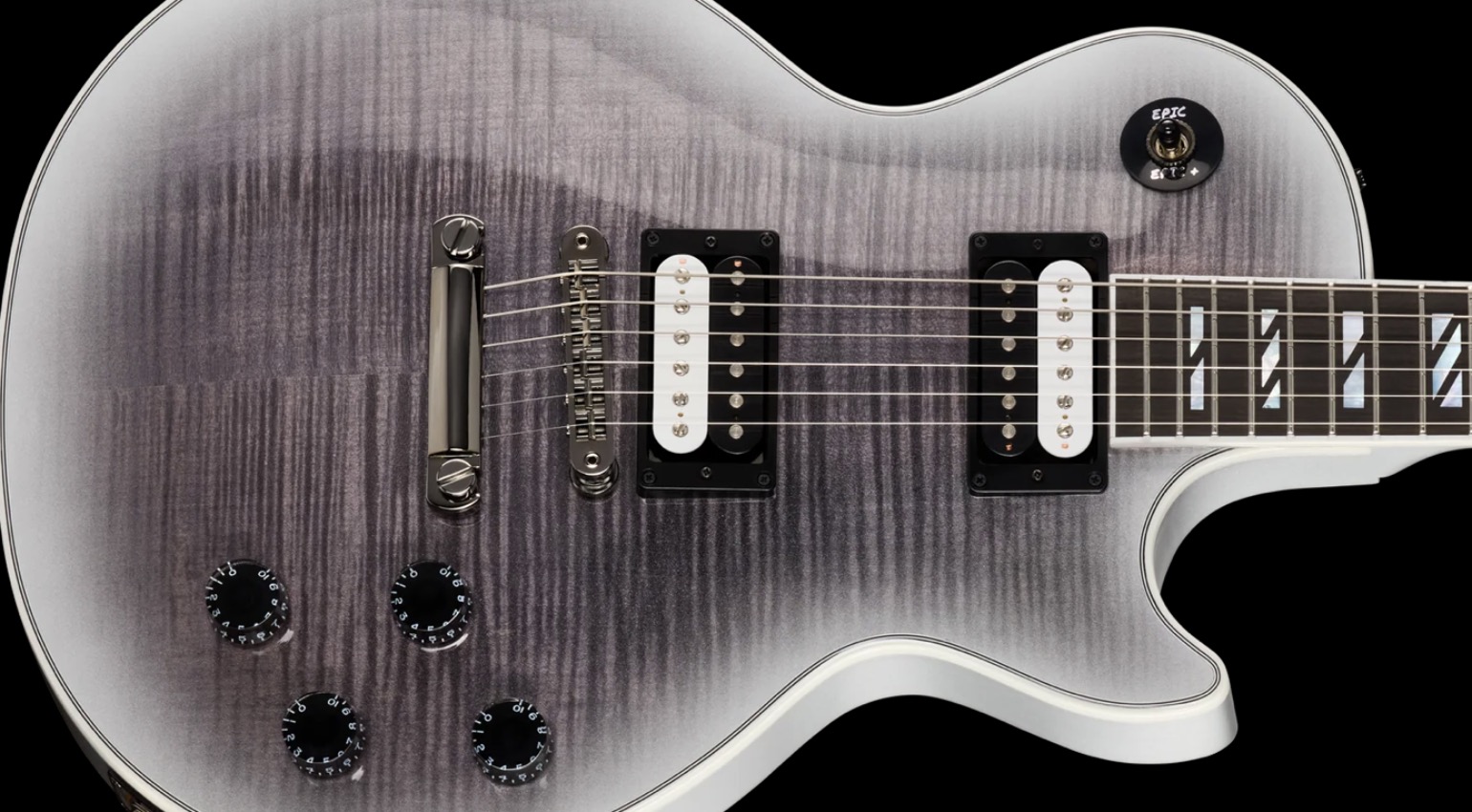
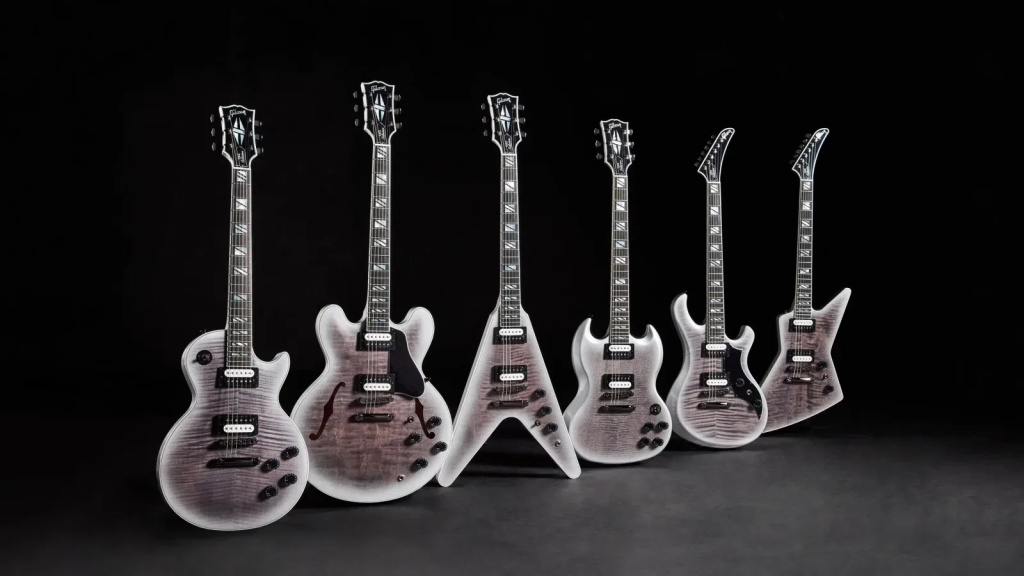
Gibson has officially unveiled the DES Series, a highly exclusive and limited run of six distinct guitar models featuring a striking "Ghost Burst" finish. Conceived by former Gibson CEO Cesar Gueikian and Custom Shop Master Luthier Jim DeCola, the collection takes its moniker from Gueikian’s frequently used internal philosophy and public branding phrase, "Do Epic Sh#t." Despite the polarizing nature of the acronym, the instruments themselves represent the pinnacle of modern production craftsmanship coming out of Nashville.
A portion of the proceeds from the sale of each instrument has been allocated directly to Gibson Gives, the corporation’s registered 501(c)(3) charitable arm, continuing a trend of corporate philanthropy tied to high-end product rollouts.
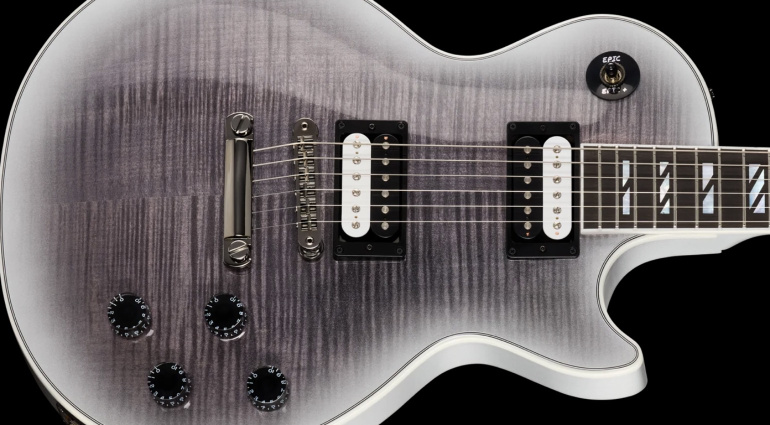
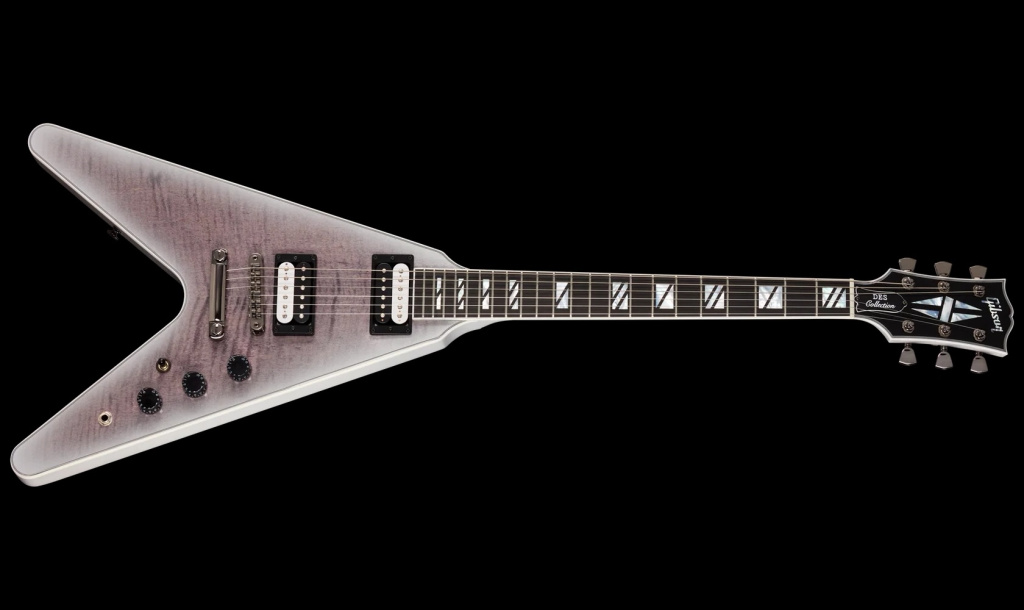
The DES portfolio spans six foundational Gibson and Epiphone-descended shapes: the Les Paul, the SG, the Explorer, the Flying V, a traditional ES semi-hollowbody, and the less-common Victory model. Each instrument is unified by an aesthetic package featuring a AAA figured maple top treated to the nuanced Ghost Burst finish, complemented by split-block position markers set into an ebony fretboard. Under the hood, these models are loaded with ELEV8 humbuckers, engineered specifically to deliver high-output performance tailored for modern hard rock and heavy metal players.
Exclusively distributed through Gibson’s primary e-commerce platform and select flagship Gibson Garage physical storefronts, the run was met with immediate demand. Most variants sold out within hours of launch. Notably, the Flying V model generated substantial discussion among purists due to its inclusion of a traditional Les Paul Custom-style three-a-side open-book headstock—a distinct departure from the classic V-shaped point. Nevertheless, secondary market reports indicate that collectors quickly absorbed the entire allocation, reinforcing Gibson’s strategy of leaning heavily into direct-to-consumer, ultra-limited scarcity models. Industry analysts note that this approach allows the heritage brand to command premium price points while mitigating traditional dealer network friction.
Mad Professor Expands Boutique Line with the Milestone Fuzz Handwired
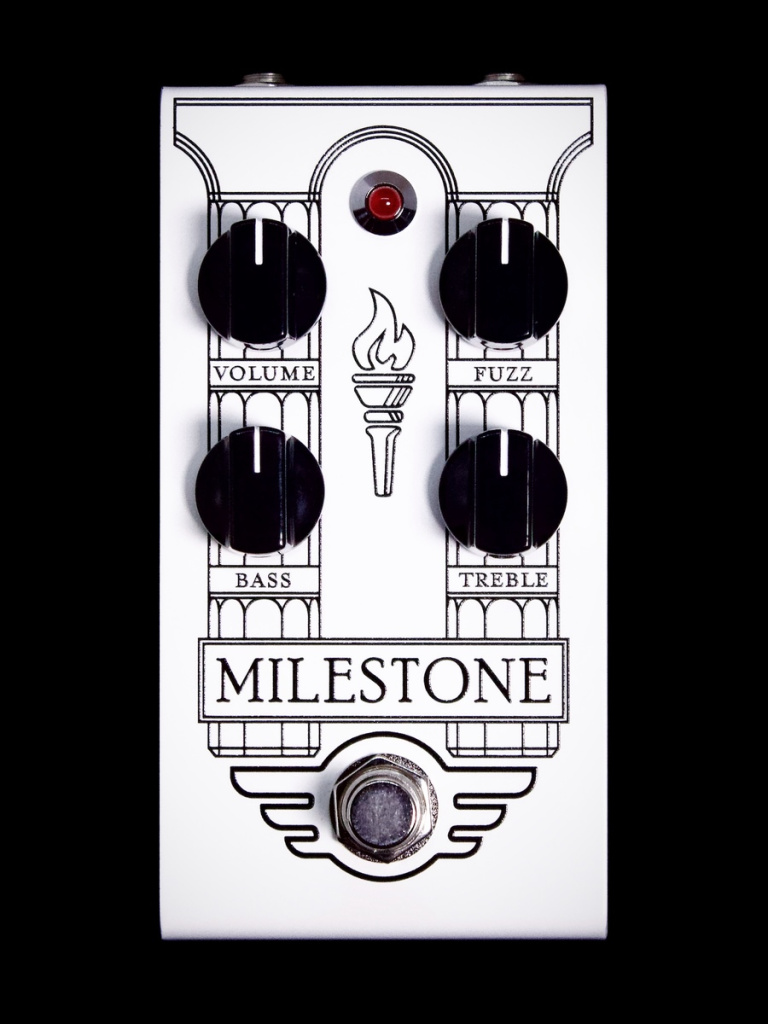
Shifting from high-end corporate electrics to boutique effects processing, Finnish pedal manufacturer Mad Professor has announced the upcoming release of the Milestone Fuzz Handwired. Scheduled for official retail release on October 5, 2026, with an expected price point of €333.00, this pedal is designed to bridge the gap between vintage Germanium fuzz tone and the demands of modern pedalboard integration.
Traditional Germanium fuzz circuits—famous for their dynamic response and warm, woolly clipping characteristics—are notoriously finicky. They typically demand unbuffered signal paths directly from guitar pickups, react poorly to temperature fluctuations, and must be positioned first in a signal chain to function correctly. Mad Professor has addressed these historical limitations in the Milestone Fuzz by incorporating an internal transformer circuit and a meticulously engineered handwired topology. These additions allow musicians to place the pedal anywhere within a complex, multi-effect signal chain without suffering impedance mismatching or tone degradation.
Furthermore, the unit features a flexible two-band active equalization section. This addition moves beyond the traditional single-knob tone controls found on vintage units like the Arbiter Fuzz Face, giving players precise frequency-shaping capabilities to optimize the fuzz for various amplifier topologies or low-end frequency responses. While €333 positions the Milestone Fuzz firmly in the premium boutique category, Mad Professor emphasizes that each unit is meticulously built by hand in Finland utilizing rigorously tested components, ensuring long-term reliability that mass-produced alternatives often lack. Distribution is anticipated to scale through major European suppliers such as Thomann shortly following the launch date.
Johnny Marr’s Legendary Collection Shatters Expectations at Christie’s Auction
While new gear releases captured the attention of contemporary players, the historical guitar market experienced a seismic event in London. The long-anticipated "Marr’s Guitars" auction, hosted by Christie’s, concluded with staggering results that far exceeded pre-sale estimations, ultimately raising £3.6 million for charitable causes. The proceeds from the auction have been directed to support the Guide Dogs for the Blind Association and the National Autistic Society, reflecting the personal philanthropic interests of the legendary Smiths co-founder.
The auction block featured an array of instruments that defined the jangle-pop movement of the 1980s and shaped decades of British alternative rock. Surpassing all initial expert projections—which had estimated total sales to land at roughly a third of the final figure—collectors and institutional bidders engaged in fierce competition for musical artifacts steeped in cultural lore.
Among the standout lots was a 1982 Rickenbacker 330 Jetglo, which achieved a remarkable £38,400. This specific guitar holds an immutable place in Britpop history: it was deployed heavily during the recording sessions for The Smiths’ foundational debut album before being loaned to Oasis guitarist Noel Gallagher. Gallagher famously used the instrument during the sessions for Definitely Maybe and featured it prominently on the cover of the band’s breakout 1994 single, "Supersonic." For many fans, the Rickenbacker 330 remains the visual and sonic embodiment of Marr’s signature arpeggiated style.

Another historic highlight of the evening was the sale of a 1960 Cherry Red Gibson ES-355, which realized £204,800. The instrument carries a unique provenance: it was originally purchased for Marr by Seymour Stein, the head of Sire Records, as a strategic and ultimately successful gesture to entice The Smiths to sign with the label. Marr utilized the semi-hollowbody extensively on stage and in the studio, famously recording the melancholic classic "Heaven Knows I’m Miserable Now" with it.
Marr’s decision to liquidate a significant portion of his historic archive surprised some industry observers, given the deep emotional and historical attachment most musicians hold toward their primary tools of the trade. However, the guitarist has increasingly transitioned to modern signature instruments—most notably his signature Fender Jaguar and his recent collaborations with Martin Guitar on the M-6 and M-7 models—allowing him to comfortably part with his vintage arsenal for philanthropic endeavors.

Broader Industry Implications
The convergence of these distinct events—Gibson’s continued exploitation of ultra-limited, high-margin direct sales, the refinement of vintage analog circuits for contemporary pedalboards, and the surging institutional value of rock-and-roll memorabilia—paints a clear picture of the modern guitar economy.
Manufacturers are increasingly catering to bifurcated markets. On one hand, brands are leveraging direct-to-consumer models to foster hyper-exclusive collector communities around high-concept releases like the DES Series. Simultaneously, boutique builders are responding to the practical needs of gigging musicians by engineering reliability and flexibility into historically temperamental designs, as demonstrated by Mad Professor’s engineering approach to the Milestone Fuzz.
Meanwhile, the historic valuations achieved at Christie’s underscore a broader cultural phenomenon: guitars associated with pivotal moments in late 20th-century music history are transitioning from functional tools to museum-grade fine art assets. As legacy artists begin to curate their estates and support philanthropic causes, the market for culturally significant instruments continues to reach unprecedented financial heights, proving that the sonic heritage of modern guitar music holds enduring value both on the stage and in the auction house.