Radio Free Aquarium Drunkard Returns to dublab with Tyler Wilcox and Chad DePasquale for a Curated Sonic Journey

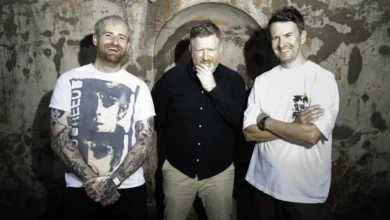
The contemporary landscape of independent music broadcasting continues to evolve through the persistent efforts of artist-driven platforms, community radio stations, and deeply specialized curators. Among these cultural standard-bearers is Radio Free Aquarium Drunkard (RFAD), a recurring broadcast series that bridges the gap between archival musicology and contemporary underground sounds. Airing every third Sunday of the month on the Los Angeles-based non-profit independent web radio station dublab, RFAD represents a collaborative partnership between two distinct yet complementary musical minds: Tyler Wilcox, host of the acclaimed Doom and Gloom from the Tomb program, and Chad DePasquale, curator of New Happy Gathering.
The latest installment of this monthly broadcast continues a tradition of eclectic, genre-spanning programming that has come to define the Aquarium Drunkard digital ecosystem. Scheduled for broadcast from 4:00 PM to 6:00 PM Pacific Time, the upcoming session is structured into two distinct sonic movements. The first hour, curated by Chad DePasquale, focuses on contemporary acquisitions and recent releases, highlighting global underground and avant-garde discoveries from the current musical landscape. The second hour shifts inward, led by Tyler Wilcox, who presents an atmospheric, contemplative sequence defined by autumnal instrumentals and introspective themes.
Beyond its immediate programming schedule, the broadcast serves as a testament to the enduring relationship between independent music journalism, artist-led curation, and community-supported web radio. As traditional broadcast models face increasing commercial consolidation, platforms like dublab and independent digital publications such as Aquarium Drunkard rely heavily on direct audience participation to sustain their operations, preserve archival content, and maintain editorial independence.
Chronology and Evolution of the Broadcast Partnership
The genesis of Radio Free Aquarium Drunkard on dublab is rooted in a long-standing commitment to deep-catalog exploration, physical media preservation, and adventurous audio curation. Aquarium Drunkard began as an influential music blog founded by Justin Spicer, evolving over nearly two decades into a multifaceted digital publication, record label, and radio incubator. As the platform expanded its audio footprint, partnering with dublab—a pioneering institution in independent internet broadcasting founded in 1999—provided an ideal terrestrial and digital home for its expansive sonic ethos.
Over the years, the RFAD residency on dublab has established a predictable yet endlessly surprising monthly rhythm. By pairing Wilcox and DePasquale, the broadcast synthesizes two different approaches to music selection:
- The Contemporary and Global Dig (Chad DePasquale): DePasquale’s segments frequently emphasize contemporary releases, international obscurities, archival reissues, and forward-thinking modern compositions. His curation often functions as a sonic compass for collectors and enthusiasts tracking underground developments across ambient, experimental, folk, and global groove genres.
- The Thematic and Atmospheric Exploration (Tyler Wilcox): Operating under the aesthetic umbrella of his long-running Doom and Gloom from the Tomb banner, Wilcox specializes in deeply textured, narrative-driven radio. His hours are often characterized by British folk, private press Americana, cosmic country, minimalist composition, and melancholic instrumentals designed to evoke specific seasonal or psychological spaces.
In the current broadcast, this established dynamic is maintained while introducing fresh source material. DePasquale opens the two-hour block with a compilation of recent acquisitions, spotlighting physical media and digital releases that have surfaced in underground distribution networks. Following this, Wilcox steers the broadcast into a contemplative direction, utilizing a selection of autumnal instrumentals and existential compositions designed to reflect the shifting seasonal and emotional climate.
Supporting Data and the Ecosystem of Independent Radio
The operational framework of Radio Free Aquarium Drunkard and its home at dublab reflects broader structural realities within the modern independent media landscape. Unlike commercial terrestrial radio, which relies heavily on advertising revenue and standardized playlists determined by corporate mandates, independent web radio operates on listener support, grants, and cultural partnerships.
According to industry data from organizations tracking non-profit digital media, listener-supported web radio has experienced steady growth over the past decade, driven by shifting consumer preferences toward specialized curation and ad-free listening environments. However, the financial model remains delicate. Platforms like dublab operate with lean operational budgets, relying on annual fundraisers, merchandise sales, and direct patron contributions to cover licensing fees, server hosting, equipment maintenance, and studio space rental.
Aquarium Drunkard mirrors this decentralized funding model. Operating without the backing of a major media conglomerate, the publication relies on a patron-supported structure—often facilitated through platforms like Patreon or direct site memberships—to keep its servers functional and its editorial staff compensated. In public statements regarding their infrastructure, representatives for the publication have consistently emphasized that community contributions directly dictate the volume and quality of content produced, from daily feature writing to specialized audio broadcasts like RFAD.
Official Responses and Curatorial Intent
While commercial broadcasting frequently relies on real-time ratings metrics and demographic targeting, curators working within the independent web radio sphere emphasize qualitative depth over quantitative reach. Speaking on the philosophy behind their dublab residencies, curators associated with the Aquarium Drunkard network have frequently highlighted the importance of creating a deliberate, unhurried listening experience in an era dominated by algorithmic recommendations and rapid content consumption.
Although formal press releases for individual monthly episodes of RFAD are minimal, the curatorial intent is articulated through the broadcasts themselves. The intentional sequencing of DePasquale’s contemporary acquisitions followed by Wilcox’s existential instrumentals is designed to mirror the arc of a cohesive album or a structured narrative.
Industry analysts observing the rise of curated internet radio note that listeners increasingly gravitate toward human-curated programming as an antidote to fatigue caused by streaming services. Where major streaming algorithms optimize for continuity and predictable user retention, specialty broadcasts on platforms like dublab introduce friction, surprise, and historical context—elements that foster deep engagement among niche audiences.
Broader Impact and Industry Implications
The continuation of Radio Free Aquarium Drunkard on dublab carries several implications for the broader ecosystem of music journalism and digital broadcasting:
- Preservation of Niche Curation: By spotlighting private-press vinyl, out-of-print recordings, and bleeding-edge experimental music, broadcasts like RFAD function as living archives. They prevent historically significant but commercially overlooked music from disappearing into obscurity.
- Model for Cross-Platform Synergy: The collaboration demonstrates how independent print/digital publications can successfully extend their brand into audio mediums without relying on traditional corporate syndication. By utilizing dublab’s established broadcast infrastructure, Aquarium Drunkard expands its reach while maintaining absolute creative control.
- The Viability of Patronage-Driven Media: As traditional digital advertising revenues decline across independent publishing, the direct-support model championed by Aquarium Drunkard serves as a vital case study. The reminder embedded within their broadcasts—that server costs, bandwidth, and labor require collective financial backing—underscores the fragile economic reality sustaining much of today’s independent cultural infrastructure.
As Radio Free Aquarium Drunkard continues its monthly residency on dublab, it remains a touchstone for listeners seeking an alternative to mainstream audio landscapes. Through the ongoing dedication of Tyler Wilcox, Chad DePasquale, and the broader community of patrons supporting the platform, the broadcast demonstrates that specialized, slow-form music curation retains a vital, active audience in the twenty-first century.