Britten Pears Arts Reverses Application Fee Decision Following Public Backlash Over Accessibility in Classical Music Training

The landscape of professional music development in the United Kingdom experienced a sudden shift this week as Britten Pears Arts, the organization responsible for the prestigious Britten Pears Young Artist Programme, announced a reversal of its policy regarding application fees for its summer residency programs. The decision comes following a period of intense online scrutiny and a formal inquiry initiated by VAN Magazine regarding the barriers to entry for emerging musicians.
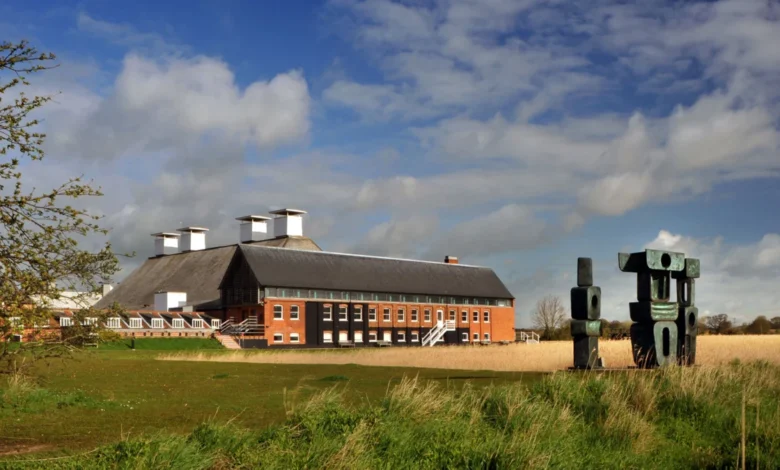
The Britten Pears Young Artist Programme, based at the historic Snape Maltings Concert Hall in Suffolk, is widely considered a cornerstone of early-career development for classical musicians. For decades, it has provided a vital bridge between formal conservatory education and the professional stage. When the organization opened its application window for the 2027 season earlier in November, it introduced a mandatory application fee of £30 plus VAT. This financial barrier, though seemingly modest in the context of global touring costs, sparked immediate concern among the artistic community, reigniting a long-standing debate regarding the economic accessibility of elite music training.
Chronology of the Policy Shift
The timeline of this controversy moved with significant speed. Applications opened in mid-November 2026, and within days, social media platforms—particularly those frequented by orchestral musicians and vocalists—began to host discussions about the cumulative cost of auditioning. For many young artists, applying to multiple summer programs, international competitions, and conservatory graduate programs necessitates hundreds of pounds in application fees, often before any guarantee of an audition or placement.

On November 19, 2026, following mounting pressure from the online community and a direct request for comment from the press, Britten Pears Arts acknowledged the concerns. The organization recognized that for many, the administrative fee acted as a deterrent, potentially excluding talented individuals from lower socio-economic backgrounds. By the afternoon of that same day, the organization confirmed it would walk back the policy, effectively removing the fee to ensure that financial hardship would not preclude participation in the program.
The Economic Burden on Emerging Artists
The controversy highlights a persistent, systemic issue within the classical music industry: the "pay-to-play" culture that has become increasingly prevalent in the post-pandemic era. In recent years, arts organizations across Europe and North America have struggled with rising operational costs, aging donor bases, and inflation. Many have looked to application fees—historically waived or non-existent in certain sectors of classical music—as a mechanism to offset the administrative costs of processing thousands of high-volume auditions.
However, data suggests that these fees create a regressive barrier. A survey conducted in 2025 by a consortium of independent arts advocates found that the average emerging classical musician spends approximately £1,500 to £3,000 annually on audition-related expenses, including travel, professional headshots, accompaniment fees, and application charges. When an organization like Britten Pears Arts—which occupies a position of prestige—implements such a fee, it sets a precedent that smaller, less-resourced organizations may feel compelled to follow.
The £30 fee, while ostensibly covering the labor costs of panel reviewers and administrative staff, represents a significant percentage of a student’s monthly discretionary budget. Critics of the fee argued that by requiring payment for the mere privilege of being considered, the organization was effectively prioritizing candidates who have the financial security to gamble on their professional future, rather than those whose talent is their primary currency.

Historical Context of Snape Maltings
To understand the weight of this decision, one must look at the legacy of the institution. Snape Maltings was transformed into a world-class arts center by Benjamin Britten and Peter Pears, who sought to create a space where music could flourish outside the confines of urban centers. The ethos of the organization has historically been rooted in the idea of fostering creative community and artistic rigor.
Since its inception, the Young Artist Programme has served as a rite of passage for some of the world’s most accomplished soloists, conductors, and chamber musicians. Because of this reputation, the introduction of a fee felt, to many alumni and prospective students, like a departure from the egalitarian spirit that Britten and Pears initially championed. The reversal of the policy suggests that the current leadership of Britten Pears Arts remains sensitive to the institution’s founding mission, even while navigating the difficult financial realities of the mid-2020s.
Broader Implications for Music Education
The decision by Britten Pears Arts is likely to reverberate throughout the sector, serving as a case study for other major arts organizations currently weighing their own financial strategies. As the industry faces a potential shortfall in public funding and a competitive landscape for private philanthropy, the pressure to monetize administrative processes is real. However, the rapid backlash—and the equally rapid capitulation—demonstrates the power of collective discourse in the digital age.
There is a growing movement, led by organizations like the Musicians’ Union and various grassroots advocacy groups, to standardize audition practices and eliminate "hidden" costs. Advocates argue that the arts should be treated as an essential public good rather than a luxury market. By removing the fee, Britten Pears Arts has effectively signaled that it is unwilling to jeopardize its commitment to diversity and inclusion for the sake of modest administrative cost recovery.

The Future of Competitive Auditions
Moving forward, the challenge for Britten Pears Arts and similar institutions will be finding sustainable funding models that do not rely on the pockets of the applicants themselves. Potential solutions often discussed in industry roundtables include:
- Enhanced Corporate and Institutional Sponsorship: Seeking dedicated grants specifically to cover the administrative overhead of audition processing, effectively subsidizing the "cost of entry" for all applicants.
- Tiered Fee Structures: Implementing systems where applicants can request a waiver based on financial need, though this remains controversial due to the administrative burden and the potential for "means-testing" to deter applicants.
- Digital Transformation: Investing in more efficient, automated application processing systems that reduce the need for manual labor, thereby lowering the cost per application.
The incident also highlights the role of specialized media in maintaining institutional accountability. By acting as a bridge between the artistic community and the administration, publications like VAN Magazine have demonstrated that transparency is essential to the health of the sector. When institutions operate in a vacuum, policies that might seem logically sound on a spreadsheet often fail the test of real-world accessibility.
Conclusion
The reversal of the application fee at the Britten Pears Young Artist Programme is a victory for those advocating for a more accessible classical music industry. It serves as a reminder that the institutions that nurture the next generation of talent are not just businesses; they are stewards of a cultural tradition that relies on the participation of the widest possible range of voices.
As the 2027 application window continues, the focus for the organization will now shift back to its primary purpose: the selection and mentorship of exceptional young musicians. For the applicants, the removal of the £30 fee is more than a financial reprieve—it is a symbolic affirmation that their career aspirations should be judged on their artistic merit, not their ability to pay for the opportunity to be heard. This moment stands as a defining example of how transparency and public pressure can align to protect the core values of an artistic institution, ensuring that the legacy of Britten and Pears remains open to all who possess the talent and dedication to pursue it.
Related posts: