The intersection of classical performance and somatic practice: Jonathan Ferrucci and the integration of yoga in professional music training

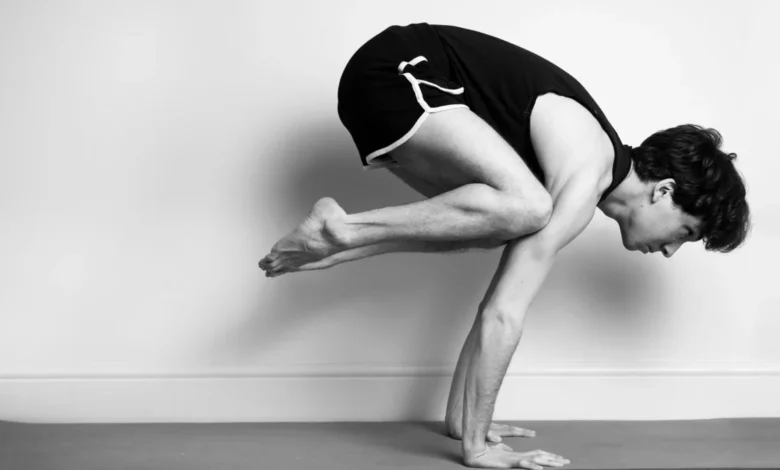
On a cold morning in November, I sat cross-legged on a mat in the basement of Fidelio, a restaurant and music venue in Clerkenwell, London. Opposite me was the Italian-Australian pianist Jonathan Ferrucci. He told me to put my thumbs on my ears’ tragi, press in to block any external sound, and then place my fingers at various positions on my face. We breathed in through our noses and hummed as we exhaled, ten times—the Bhramari Pranayama technique, a staple of many forms of yoga. This moment of quietude in a bustling urban environment served as an entry point into a growing movement within the world of classical music: the intentional integration of physical and mental wellness practices into the rigorous training regimens of elite performers.
The Evolution of the Performing Arts Training Paradigm
For centuries, the training of classical pianists has been defined by high-intensity, repetitive practice. The "traditional" conservatory model often prioritizes technical virtuosity, endurance, and historical accuracy above the physical health of the musician. However, in the last decade, there has been a noticeable shift in how performers approach the instrument. The rise of performance psychology and the adoption of movement arts—such as yoga, Alexander Technique, and Feldenkrais—reflect a broader cultural recognition that the body is not merely a vessel for musical execution but the primary instrument itself.
Jonathan Ferrucci, a rising talent in the international circuit, represents a generation of musicians who are challenging the status quo. By incorporating yoga into his daily preparation, Ferrucci is not seeking an escape from the piano, but rather a more sustainable, holistic method of engagement with his art. This shift is substantiated by a growing body of research in music medicine. According to a study by the British Association for Performing Arts Medicine (BAPAM), nearly 70% of professional musicians report having suffered from a performance-related injury at some point in their careers. These injuries—ranging from tendinitis and carpal tunnel syndrome to chronic back and neck pain—are often linked to repetitive strain and high levels of physiological stress.
Chronology of the Mind-Body Integration
The integration of Eastern meditative practices into Western classical music is not entirely new, but its mainstream adoption is accelerating. In the 1970s and 80s, pioneers like Yehudi Menuhin were instrumental in bringing yoga into the consciousness of the classical music world, advocating for its ability to reduce tension and improve focus. However, it is only in the 2020s that these practices have become standardized components of many conservatory curricula.
- 1970s–1980s: Early adoption by high-profile soloists who used yoga and body-mapping to manage career-long performance anxiety.
- 2000s: The formalization of "musician’s health" departments in major global conservatories (e.g., Juilliard, Royal College of Music).
- 2015–2020: Increased reliance on digital platforms to disseminate somatic training techniques, making these practices accessible to freelance musicians globally.
- 2024–2026: The current period, where practitioners like Ferrucci are transitioning from "patient-advocates" to "teacher-performers," hosting workshops that bridge the gap between yoga studios and concert stages.
Supporting Data on Musician Wellbeing
The implications of ignoring physical maintenance are significant. Data from the International Society for Music Education (ISME) suggests that musicians who engage in regular, guided somatic practice report a 25% decrease in performance-related anxiety (PRA) scores. Furthermore, the physiological benefits of techniques like Bhramari Pranayama—which Ferrucci guided me through—are backed by neurological studies. The humming vibration stimulates the vagus nerve, which in turn helps regulate the parasympathetic nervous system, lowering heart rate and blood pressure before a high-stakes performance.
"It is about efficiency," explains one leading performance coach. "When a pianist understands their breath, they understand the architecture of a phrase. Tension is the enemy of phrasing. If you are holding tension in your jaw or shoulders, that tension inevitably manifests in the touch and the timbre of the piano."
Official Perspectives and Pedagogical Shifts
The shift has not been without its critics. Traditionalists often argue that the pursuit of "wellness" should remain outside the practice room, fearing that an over-emphasis on the body might distract from the intellectual rigors of score analysis and stylistic research. However, many major institutions now view these techniques as complementary.
At the Royal College of Music in London, the "Healthy Conservatoire" network provides students with access to physiotherapists, nutritionists, and yoga instructors. The goal is to produce graduates who are not only technically proficient but also physically durable. When asked about the necessity of this, representatives from these programs argue that the longevity of a career is the ultimate metric of success. If a pianist can perform at the highest level well into their 60s and 70s, the investment in somatic health pays dividends for the institution and the broader music industry.
Broader Impact and Industry Implications
The implications of this trend extend beyond individual health. As the industry faces the challenge of engaging new audiences, the "humanization" of the classical performer is becoming a vital marketing and connection tool. Audiences are increasingly interested in the process behind the performance. When a performer like Ferrucci shares the reality of his pre-concert routine—the mats, the breathing, the intentional stillness—it demystifies the craft and creates a deeper level of empathy between the performer and the listener.
Moreover, the commercialization of this wellness movement is becoming apparent. Music venues like Fidelio in Clerkenwell are increasingly acting as community hubs that offer more than just a concert; they offer a space for holistic education. By hosting events that merge music and somatic workshops, these venues are carving out a new niche in the cultural economy, catering to a sophisticated demographic that values wellness as much as artistic excellence.
Conclusion: The Future of the Piano
As the morning session concluded, the silence in the room felt different than when we had arrived. The act of performing Bhramari Pranayama served as a reminder that music is a vibration, and that the human body is the primary transducer of that vibration. For pianists like Jonathan Ferrucci, the mat is no longer a separate space from the bench. Instead, the two have become inextricably linked.

The future of classical music performance appears to be moving toward a more integrated model. While the technical demands of the repertoire—the concertos of Rachmaninoff or the sonatas of Beethoven—remain as daunting as ever, the method of approach is changing. By embracing the principles of yoga and mindfulness, the next generation of pianists is choosing to treat their craft as a lifelong practice of health, awareness, and deep, resonant connection. This shift is not just a trend; it is a necessary evolution for a field that has, for too long, prioritized the result over the human cost of the process. As we look toward the future, the integration of somatic health into the musical curriculum will likely be seen as one of the most significant pedagogical advancements of the 21st century.
Related posts: