Chris Brown Expresses Gratitude to Jasmine Crockett Amidst Political Fallout Over Congressional Recognition

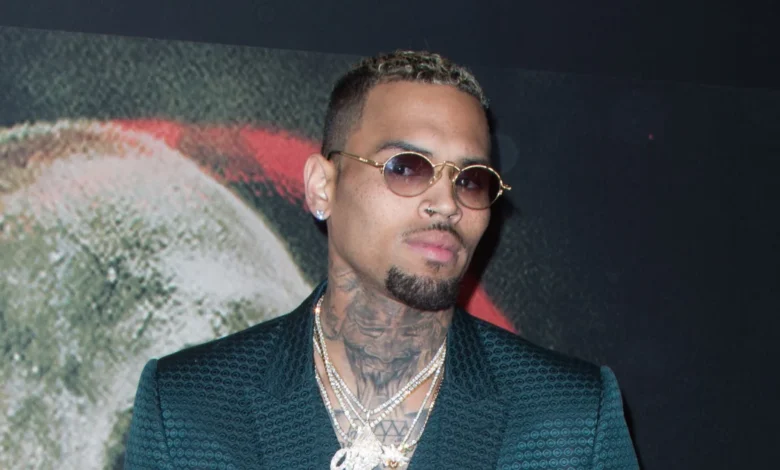
The intersection of entertainment and political oversight recently became a focal point of public discourse when U.S. Representative Jasmine Crockett and Texas State Representative Venton Jones officially honored musical artists Chris Brown and Usher during a concert at AT&T Stadium in Arlington, Texas. The gesture, intended to celebrate the cultural contributions and enduring careers of the two R&B icons, rapidly devolved into a heated debate regarding the propriety of government officials bestowing honors upon individuals with documented histories of domestic violence. While Congresswoman Crockett has remained largely silent as the controversy unfolds, the divergent reactions from Chris Brown toward the two politicians—and the subsequent public apology issued by State Representative Jones—have highlighted the complexities inherent in reconciling an artist’s professional legacy with their personal history.
Chronology of the Event and Subsequent Backlash
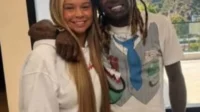
The controversy originated on September 12 at the AT&T Stadium, where Congresswoman Jasmine Crockett and State Representative Venton Jones, accompanied by producer RoccStar, appeared before an audience to present formal recognition to Chris Brown and Usher. The presentation included an entry into the Congressional Record, a symbolic act usually reserved for individuals deemed to have made significant contributions to their community or the nation.
During the event, Representative Crockett addressed the crowd, framing the presentation as a celebration of “Black joy to the highest level.” The intent, as articulated by the congresswoman, was to provide a permanent, formal record of the cultural significance of the artists’ careers. However, within hours of the event’s conclusion, the decision drew immediate scrutiny from social media users and advocacy groups. Critics pointed to Chris Brown’s 2009 felony assault conviction against then-girlfriend Rihanna as an disqualifying factor for government recognition. The public outcry focused on the perceived inconsistency of elected officials—particularly those who advocate for victims’ rights—honoring a public figure whose history of violence against women remains a prominent aspect of his biography.
Official Responses and the Divergent Path of Accountability
The political fallout was swift. Recognizing the intensity of the backlash, Texas State Representative Venton Jones issued a formal apology shortly thereafter. In a statement addressing the public, Jones expressed regret for the hurt and frustration his actions caused, specifically acknowledging the pain experienced by Black women and survivors of domestic violence. During a subsequent appearance on a media segment with journalist Don Lemon, Jones further clarified his position, apologizing for the impact his decision had on his constituents and the broader community.
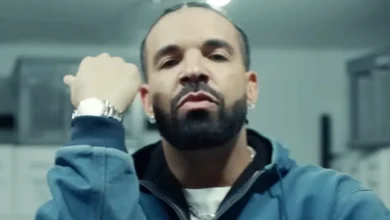
In stark contrast, Chris Brown’s response to the situation was bifurcated, reflecting a clear distinction in how he viewed the actions of the two politicians. Addressing the criticism directed at Representative Crockett, Brown took to social media to express his appreciation for her support. He wrote, “Thank you so much. I apologize for any backlash you have to deal with for awarding me. I’m not political, but I move off frequency and energy and I’m so grateful. Once again, thank you.”
Brown’s tone shifted significantly when addressing the retraction and apology issued by Representative Jones. He publicly rejected the state recognition he had received, criticizing the lawmaker for withdrawing the honor after having initially initiated the contact. Brown emphasized that he had not requested the accolades, noting that the politicians had approached him to present the recognition, not the other way around. This public rebuttal challenged the optics of the politicians’ sudden retreat, framing their apologies as a performative act rather than a genuine reflection of their original intent.
Contextualizing the Legacy of Chris Brown
To understand the intensity of this debate, it is necessary to examine the broader context of Chris Brown’s career. Since the 2009 incident, Brown has remained one of the most commercially successful artists in the music industry. According to industry data, he has sold over 200 million records worldwide and consistently maintains a high position on Billboard charts. His influence on contemporary R&B and pop music is undeniable, as is his status as an energetic and highly sought-after live performer.
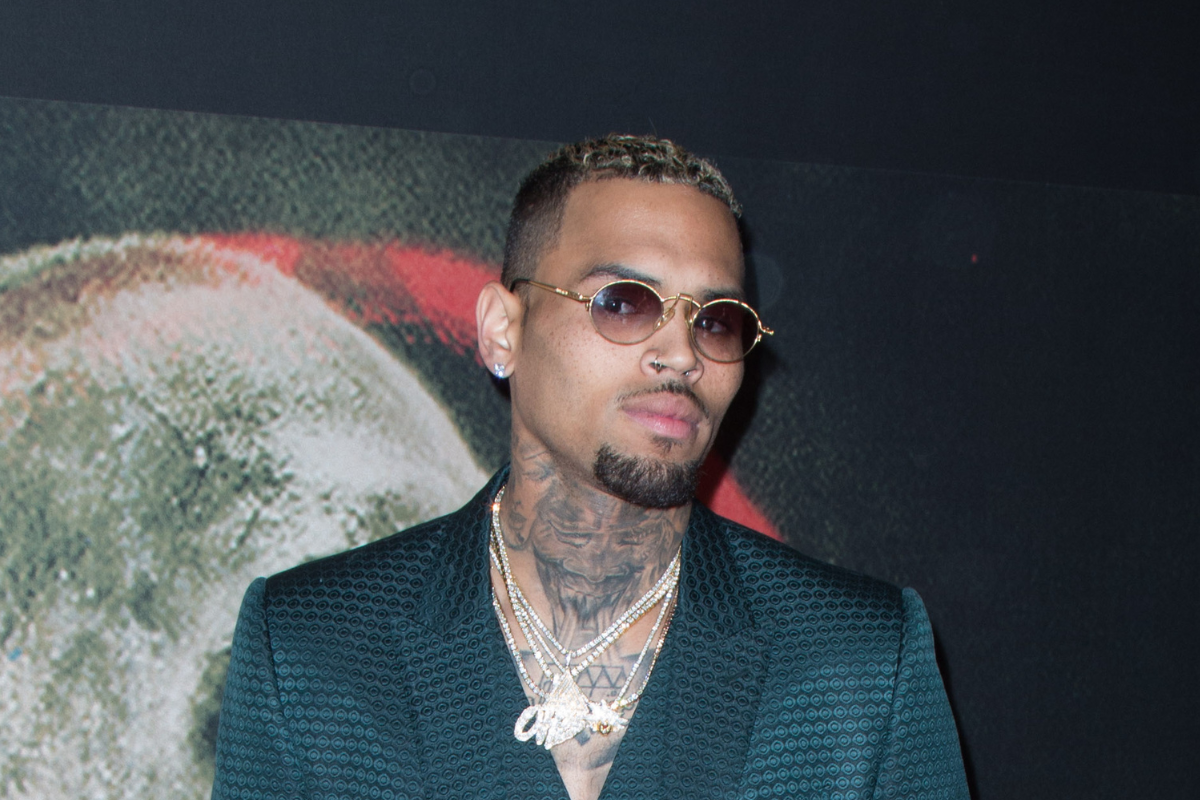
However, his professional achievements are consistently juxtaposed against his legal record. The 2009 assault was not the only instance of public legal trouble for the artist, who has faced various allegations and investigations over the intervening years. For many critics, the government’s decision to honor him serves as a normalization of violence against women, regardless of the artist’s commercial output. This incident echoes similar debates regarding “separating the art from the artist,” a discourse that has become increasingly prevalent in the era of social media accountability.
Broader Implications for Political Signaling
The situation involving Crockett and Jones illustrates the risks inherent in political figures attempting to engage with popular culture. By aligning themselves with major musical acts, politicians often aim to project a sense of accessibility and cultural relevance. Yet, in doing so, they become susceptible to the intense scrutiny of the modern public, which demands ideological purity and historical consistency from its representatives.
From an analytical standpoint, this event underscores a shift in how political capital is managed. In the past, such recognitions were often perfunctory and rarely garnered national attention. Today, the ubiquity of digital platforms ensures that every action taken by an official is subject to global examination. When an official chooses to honor an artist with a contentious history, the backlash is not merely a critique of the artist, but a critique of the values the official is perceived to represent.
For Representative Crockett, the absence of a public response is a strategic silence. By not engaging with the growing criticism, she avoids deepening the narrative, though she also leaves the original rationale for the award unaddressed. For Representative Jones, the decision to apologize was a damage-control maneuver, yet it inadvertently invited further critique from the artist himself, who characterized the apology as a lack of conviction.
Fact-Based Analysis of Public Perception
Public perception of this event remains deeply divided. Supporters of the congresswoman and the artist argue that art should be evaluated independently of an individual’s past mistakes, and that the honor was intended to recognize musical milestones rather than a comprehensive character assessment. Conversely, victims’ rights advocates argue that government-sponsored honors carry the weight of state endorsement, and that by ignoring Brown’s past, the officials effectively minimized the severity of domestic violence.
Data from recent sociological studies on celebrity culture suggests that the “cancel culture” era has made it increasingly difficult for public figures to bridge the gap between their artistic persona and their personal actions. When politicians insert themselves into this dynamic, they effectively become mediators between the artist’s legacy and public moral standards.
Conclusion: The Unresolved Legacy
The incident at AT&T Stadium serves as a case study in the tension between cultural celebration and political accountability. While Chris Brown continues to maintain his massive, loyal fanbase, the political establishment remains cautious. The fact that an artist of his stature would publicly call out a politician for apologizing for an honor he received speaks to the increasing power of celebrity voices in political discourse.
As the situation settles, the core questions remain unanswered. Does a record of professional achievement in the arts supersede personal transgressions when it comes to state-level recognition? To what extent should politicians be held responsible for the histories of those they choose to honor? For now, the episode stands as a testament to the volatility of celebrity-politician collaborations, where the frequency and energy of the music industry often clash with the rigid expectations of public office. The ongoing debate in Texas serves as a microcosm of a much larger national conversation regarding the standards we set for those we choose to elevate, and the complex, often messy, reality of reconciling talent with accountability.