Robert Ames Steps Down From the London Contemporary Orchestra After Eighteen Years of Pioneering Musical Innovation

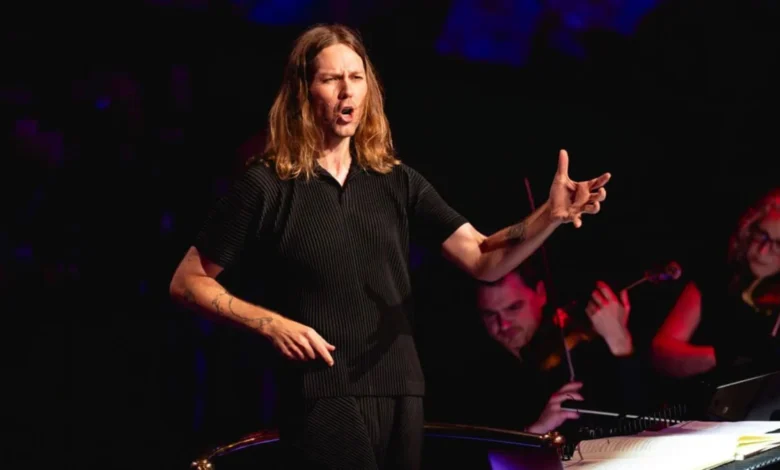
The departure of Robert Ames from the London Contemporary Orchestra (LCO) marks the end of an era for one of the United Kingdom’s most dynamic musical ensembles. As a co-founder, co-artistic director, and co-principal conductor, Ames has been the creative engine behind the LCO for nearly two decades. His decision to step down, announced in early September 2026, serves as a focal point for a broader national conversation regarding the accessibility of the arts, the sustainability of the freelance model, and the systemic barriers facing working-class musicians in the modern orchestral landscape.
A Legacy of Genre-Defying Collaboration
Founded in 2008, the London Contemporary Orchestra was built on a foundation of intellectual rigor and stylistic agility. From its inception, Ames and his collaborators prioritized programming that challenged the traditional boundaries of classical music. Early seasons featured demanding works by composers such as Mark-Anthony Turnage, Kaija Saariaho, and Iannis Xenakis, establishing the LCO not merely as a performance group, but as a laboratory for contemporary sound.
Over the next 18 years, the LCO evolved from a niche chamber group into a premier institution capable of bridging the gap between high-art orchestral tradition and mainstream popular culture. The orchestra became the go-to partner for high-profile collaborations, most notably with Radiohead. This partnership brought the LCO into the global spotlight, demonstrating that contemporary orchestral arrangements could enhance, rather than diminish, the impact of modern electronic and rock music. Ames’s ability to navigate these disparate worlds—conducting avant-garde chamber pieces one night and stadium-filling rock arrangements the next—defined his tenure.
The Catalyst for Change: A Call for Reform
The transition in leadership was underscored by an op-ed published by Ames in The Guardian, where he articulated a stark critique of the current state of the British music industry. Ames, long perceived by peers as a quintessential London freelancer—characterized by his eclectic tastes and tireless work ethic—used the platform to address the socioeconomic decline of the orchestral sector.
Ames argued that the path for working-class musicians has become increasingly treacherous. He pointed to rising costs of living, the dismantling of music education in state schools, and the precarious nature of gig-based income as factors that effectively gatekeep the industry. His departure, therefore, is not merely a professional pivot but a protest against a system that he believes is hemorrhaging talent due to financial exclusion.
The reaction to his piece was swift and widespread. Many in the musical community, including established soloists and junior orchestral players, shared his concerns, citing the "hidden costs" of pursuing a musical career, such as instrument maintenance, travel for auditions, and the necessity of maintaining a base in an increasingly expensive city like London.
Chronology of the London Contemporary Orchestra
- 2008: Robert Ames co-founds the London Contemporary Orchestra with a focus on modern compositions and avant-garde repertoire.
- 2010–2015: The LCO gains critical acclaim for its "LCO Soloists" series, performing at iconic London venues including the Barbican and Southbank Centre.
- 2016: The orchestra reaches a global audience through extensive collaborations with Radiohead and other major recording artists.
- 2018: The LCO celebrates its tenth anniversary, solidifying its status as a vital component of the UK’s contemporary classical infrastructure.
- 2020–2022: The orchestra navigates the COVID-19 pandemic, utilizing digital platforms to maintain community engagement despite severe restrictions on live performances.
- September 2026: Robert Ames announces his resignation as co-artistic director and co-principal conductor, citing a desire to focus on advocacy and new creative directions.
The Economic Realities of the Modern Freelancer
Ames’s departure highlights a critical issue in the arts: the fragility of the freelance model. Statistical data from the UK’s creative industries have shown that while the sector contributes significantly to the national GDP, the average income for individual freelance musicians has not kept pace with the rate of inflation over the past decade.
According to industry surveys, the "gig economy" in music—which relies heavily on individuals like the members of the LCO—often lacks the protections afforded to salaried positions within major regional orchestras. When musicians are forced to shoulder the costs of their own professional development, insurance, and workspace, the barrier to entry becomes prohibitively high. Ames’s critique suggests that unless the industry creates more robust pathways for financial support, the "cool, eclectic" environment he helped foster will become the exclusive domain of those with private wealth.
International Engagements and Future Outlook
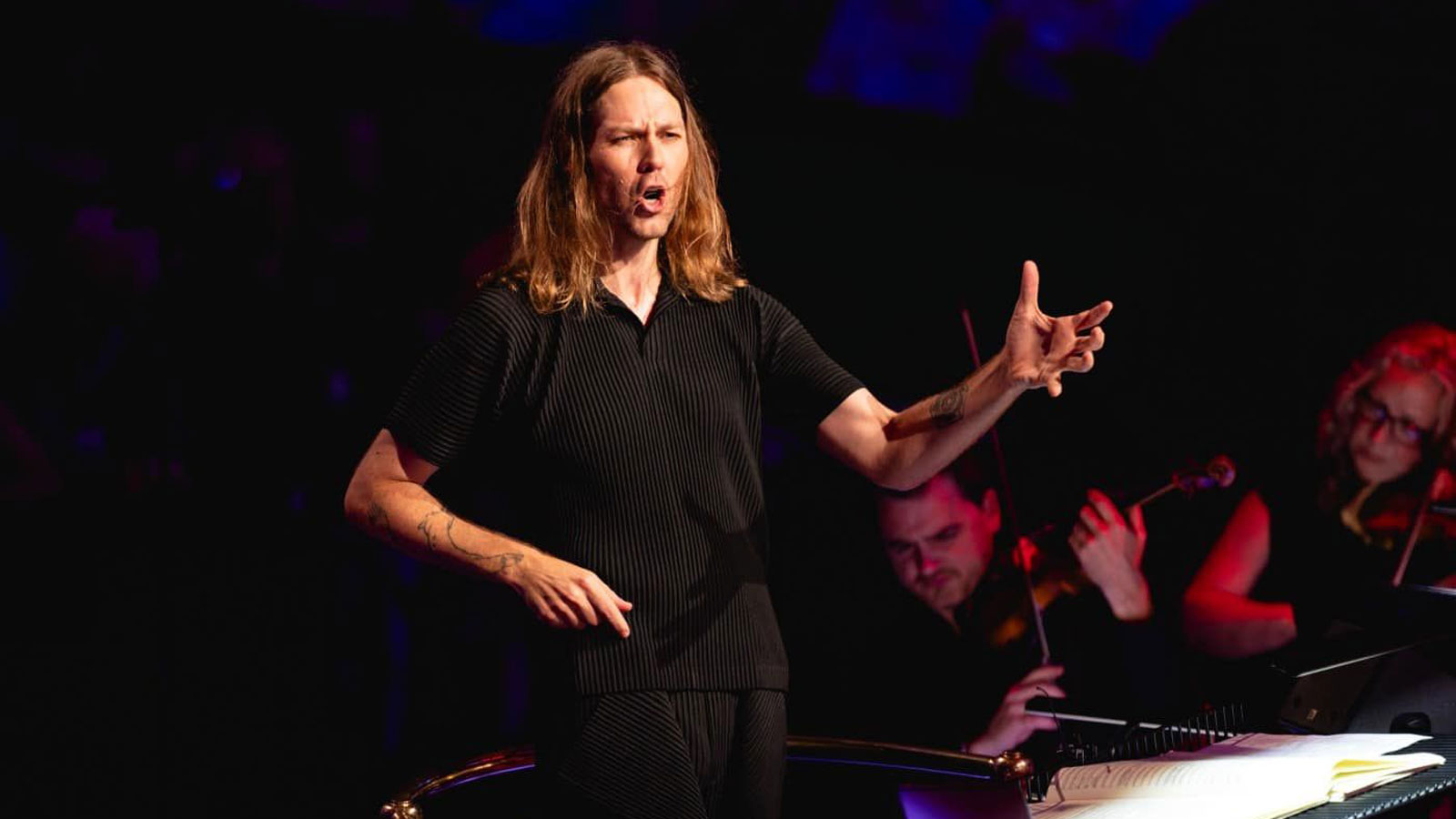
Despite his departure from the leadership of the LCO, Ames remains a highly sought-after conductor on the international stage. Currently, he is midway through a massive tour with the Icelandic band Sigur Rós. This ongoing collaboration, which has seen him conduct nearly 100 performances, underscores his continued relevance and demand.
His presence on the podium at the Palacio Euskalduna in Bilbao—often framed by the grand architecture of Europe’s historic concert halls—serves as a visual metaphor for his career: a bridge between the traditional concert hall and the modern, experimental music scene.
Implications for the Orchestral Sector
The resignation of a figure as central as Ames forces an institutional reckoning for the LCO and the wider UK music scene. For the LCO, the challenge lies in maintaining its "identity as a disruptor" while navigating the loss of one of its founding voices. Leadership transitions are notoriously difficult for arts organizations that are deeply tied to the personality and vision of their founders.
For the broader sector, the implication is a demand for structural change. If a conductor of Ames’s stature—someone who has successfully navigated the industry’s highest tiers—feels that the doors are closing for the next generation, it suggests that the current model of classical music funding and promotion is failing its own workforce.
Industry analysts suggest that the coming months will see increased pressure on Arts Council England and other funding bodies to prioritize initiatives that provide direct financial support to lower-income musicians. Whether this takes the form of increased bursaries, subsidized rehearsal spaces, or a shift toward more permanent, salaried roles in contemporary ensembles remains to be seen.
Conclusion
Robert Ames leaves behind an organization that has fundamentally changed how audiences perceive orchestral music. He successfully moved the LCO away from the dusty, static conventions of the past and into a vibrant, collaborative future. However, his departure is arguably more significant for what it says about the present. By choosing to step away and use his final days at the helm to advocate for a more equitable industry, Ames has signaled that the greatest challenge facing the next generation of musicians is not artistic, but systemic. As he transitions into his next chapter, the debate he ignited regarding class and opportunity in the arts will likely define the discourse for years to come.