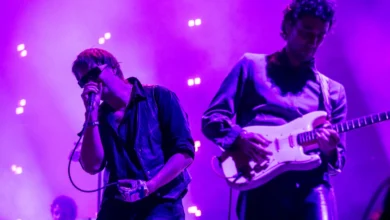
East Bay Ray, Guitarist and Founding Member of Dead Kennedys, Diagnosed with Parkinson’s Disease

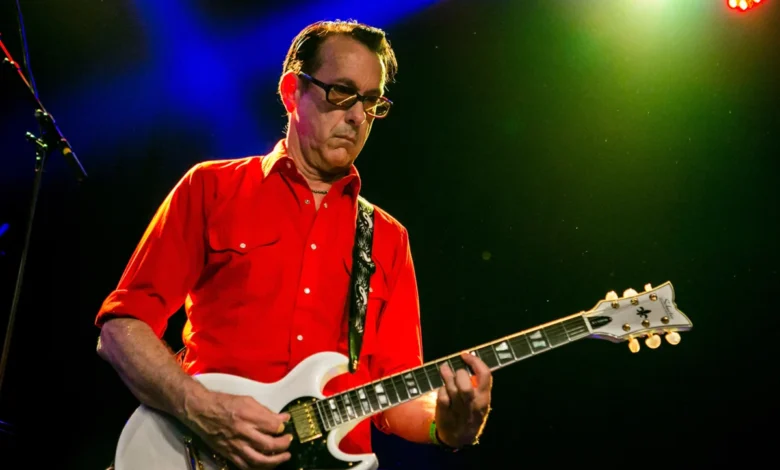
The legendary landscape of American punk rock has been shaped by a select few visionary musicians whose jagged chords and unrelenting ethos defined a generation of socio-political dissent. Among them is East Bay Ray, the foundational guitarist of the pioneering San Francisco band Dead Kennedys. In an announcement that has reverberated deeply across the international punk community, representatives for the iconic group revealed that East Bay Ray—born Raymond John Pepperell—has been diagnosed with Parkinson’s disease. The disclosure was shared via the band’s official social media channels, prompting an immediate outpouring of support from fans, contemporary musicians, and industry insiders alike.
Despite the sobering nature of the neurological diagnosis, the artist’s representatives emphasized that his passion for live performance remains undiminished. According to the band’s official statement, the guitarist intends to continue performing and touring alongside his bandmates for as long as his health and physical capabilities permit. This resilience has long been a hallmark of Ray’s career, which spans more than four decades of musical innovation, legal battles, and cultural influence. As the music world processes this development, the announcement serves as both a sobering reminder of the aging demographic of first-generation punk pioneers and a testament to their enduring dedication to their craft.
The announcement arrives during a particularly reflective period for the extended Dead Kennedys family, coming on the heels of significant health challenges faced by other foundational figures associated with the band. The news also places a sharp focus on the group’s upcoming touring schedule, raising questions about the intersection of chronic illness and the physical demands of live rock-and-roll performance in the twenty-first century.
A Lifetime of Sonic Disruption and Cultural Impact
To understand the weight of East Bay Ray’s diagnosis, one must examine his monumental contribution to the development of hardcore punk and alternative rock. Co-founding the Dead Kennedys in San Francisco in 1978, Ray brought a distinct musicality to a genre often characterized by raw, unbridled aggression. While many of his peers relied exclusively on fast, distorted power chords, Ray incorporated elements of surf rock, spaghetti Western soundtracks, jazz, and rockabilly into his playing. His use of tremolo picking, sharp reverb, and dissonance created an instantly recognizable sonic signature that anchored the band’s biting satirical commentary.
Throughout the late 1970s and 1980s, the Dead Kennedys established themselves as a critical pillar of the global punk movement. Tracks like "California Über Alles" and "Holiday in Cambodia" remain anthems of political opposition, driven forward by Ray’s razor-sharp guitar work. Beyond his contributions as a performer, Ray played a pivotal role in the operational side of independent music, helping to establish Alternative Tentacles, the iconic independent record label that served as a blueprint for the do-it-yourself (DIY) ethos that dominated the underground music scene for decades.
Even after the band’s initial fragmentation in 1986—following years of intense touring, controversial public appearances, and battles with censorship and the Parents Music Resource Center (PMRC)—Ray remained a steward of the band’s legacy. When the instrumental members reunited in 2001, alongside original bassist Klaus Flouride, Ray was instrumental in steering the group’s continued existence, ensuring that their catalog remained accessible to successive generations of disaffected youth and music enthusiasts.
Navigating Parkinson’s Disease in the Public Eye
Parkinson’s disease is a progressive neurodegenerative disorder that primarily affects the motor system, resulting from the loss of dopamine-producing brain cells. Common symptoms include tremors, rigidity, slowed movement, and postural instability, which can profoundly impact an individual’s fine motor skills. For a professional musician—particularly a lead guitarist whose craft depends entirely on intricate finger dexterity, timing, and physical stamina—a Parkinson’s diagnosis presents profound professional and personal hurdles.
Despite these clinical realities, the medical community increasingly recognizes that maintaining engagement in meaningful activities, including creative arts and physical exercise, can help manage symptoms and preserve cognitive and emotional well-being for patients living with neurodegenerative conditions. East Bay Ray’s stated intention to continue touring underscores a growing trend among veteran musicians who choose to share their health struggles transparently while continuing to engage with their audiences.
Historically, the music industry has seen a spectrum of responses from artists diagnosed with chronic degenerative illnesses. While some performers choose immediate retirement, others follow the path of continued visibility, transforming their live performances into living testaments of perseverance. The public response to Ray’s announcement indicates that his fan base is prepared to support him through this chapter, viewing his continued presence on stage not merely as a routine concert appearance, but as an act of defiance against the limitations imposed by illness.
Current Lineup and Upcoming Tour Commitments
The Dead Kennedys have maintained a steady, if selective, touring footprint in recent years, adapting to personnel changes while preserving the core elements of their classic catalog. The current iteration of the band features East Bay Ray alongside bassist Klaus Flouride, long-serving vocalist Ron “Skip” Greer—who stepped into the role in 2008—and drummer Steve Wilson. Wilson joined the lineup following the passing of longtime drummer D.H. Peligro, who tragically died in an accidental fall at his Los Angeles home in October 2022 at the age of 63. Peligro’s death was a devastating blow to the band and the broader punk community, making the remaining original members’ ongoing commitment to the band’s legacy even more poignant.
The band’s immediate schedule includes a series of West Coast tour dates designed to test the waters of their travel endurance. The itinerary is slated to begin on October 6 with a high-profile performance at the Showbox at the Market in Seattle, Washington, followed by a sequence of dates winding down the Pacific coastline before culminating on October 11 at the Riverside Municipal Auditorium in Riverside, California.
According to management updates accompanying the diagnosis announcement, fans attending these upcoming shows can expect to see East Bay Ray on stage, provided his day-to-day health permits. Organizers have maintained a pragmatic approach, balancing the band’s dedication to their audience with the unpredictable nature of managing a progressive neurological condition on the road. The transparency of the band’s communications has been widely praised by concertgoers, who appreciate being kept informed about the status of the performances.
Wider Context: Parallel Health Challenges Within the Legacy
East Bay Ray’s diagnosis is the second major health development concerning a primary founding member of the Dead Kennedys to make news headlines within the span of a single year. Earlier this year, Jello Biafra—the band’s iconic and outspoken original lead vocalist, who famously parted ways with the instrumental members following acrimonious legal and creative disputes in the decades following the initial breakup—suffered a stroke.
Biafra, who did not participate in the 2001 reunion or subsequent iterations of the band, remains a towering figure in countercultural history. Updates provided through Biafra’s official social media and Facebook channels in May offered a cautiously optimistic outlook on his recovery. According to those statements, Biafra made notable strides in his rehabilitation, with his speech largely returning to pre-stroke clarity and his cognitive faculties remaining entirely intact. While he continued to experience lingering weakness on his left side, the updates reassured the public that his recovery trajectory was remarkably positive.
The concurrent health challenges faced by two of the most significant architects of the Dead Kennedys’ sound—Ray and Biafra—have prompted a wave of nostalgia and reflection among long-time followers of the punk movement. While the creative and personal chasm between Ray and Biafra has been a matter of public record for decades, the simultaneous medical trials of these two influential figures highlight the shared vulnerability of artists who helped forge the alternative music landscape of the late twentieth century.
Industry Implications and the Resilience of Legacy Acts
The news surrounding East Bay Ray’s Parkinson’s diagnosis sheds light on a broader, ongoing conversation within the contemporary music industry regarding the aging population of foundational rock and punk musicians. As artists who shaped the counterculture of the 1970s and 1980s enter their seventies and beyond, fans and promoters are increasingly forced to confront the physical realities of aging legends.
Unlike pop or electronic acts, whose productions can often rely on heavy backing tracks or easily interchangeable personnel, punk rock has historically derived its authenticity from the physical presence and visceral energy of its original creators. When an artist of East Bay Ray’s stature faces a condition like Parkinson’s disease, it challenges both the musician and the audience to redefine what a live rock performance entails. Rather than diminishing the band’s legacy, such transparency often deepens the bond between the artist and their supporters, transforming live shows into communal celebrations of endurance, history, and shared artistic survival.
Furthermore, Ray’s commitment to continuing his creative output serves as a powerful counter-narrative to the stigma often associated with neurodegenerative disorders. By refusing to step into immediate seclusion, he joins a lineage of artists who utilize their platform to normalize conversations around chronic illness, disability, and aging within the traditionally youth-obsessed culture of rock music.
As the Dead Kennedys prepare to take the stage for their upcoming West Coast dates, the spotlight will inevitably shine brighter on East Bay Ray’s guitar work. Every chord struck and every wave of distortion produced will carry the weight of a remarkable career—one defined not only by the subversive art created four decades ago in the fertile ground of San Francisco’s underground, but by a steadfast refusal to yield to the physical constraints of time and health.