Music Venue Trust and Fender Team Up for Intimate London Showcase Gig with Unpeople

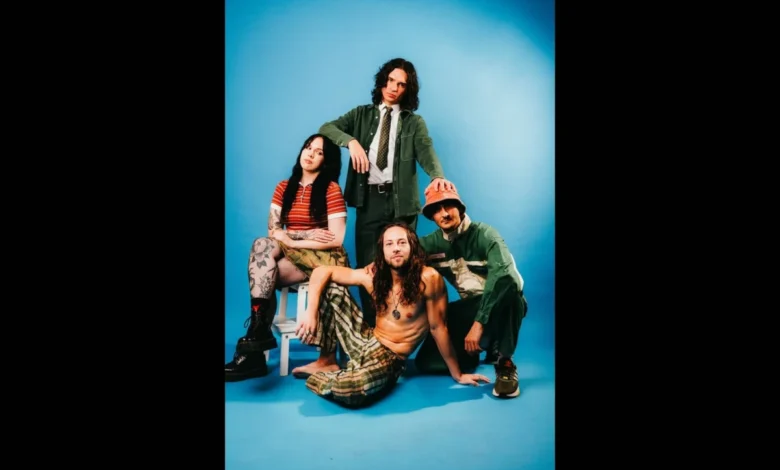
The Music Venue Trust (MVT) and legendary instrument manufacturer Fender have officially announced a high-profile, intimate collaborative showcase event in London, featuring rising alternative rock outfit Unpeople. Scheduled for December 1, the event marks a significant milestone in an ongoing partnership designed to channel crucial financial support, public awareness, and industry resources directly into the United Kingdom’s fragile grassroots live music ecosystem.
Entitled The One. For London., the inaugural launch concert will take place at Blondies, a celebrated dive bar and punk-rock institution nestled in the heart of Hackney. The venue, known for its raw atmosphere and deep ties to the underground music community, provides an appropriately unfiltered backdrop for an initiative explicitly focused on preserving the foundational spaces where modern rock and pop acts take their first steps. Tickets for the tightly capped performance went on sale via DICE, with organizers confirming that every attendee will receive an exclusive, limited-edition Fender The One. For London. t-shirt commemorating the night.
Beyond the live performance itself, the partnership carries a profound philanthropic mission. Fender has committed to matching all donations raised during the course of the evening up to a specified financial cap. Every penny of the proceeds generated will be funneled directly into the Music Venue Trust’s ongoing national campaigns, which strive to protect, secure, and improve grassroots music venues across the UK against a relentless tide of economic headwinds, property development pressures, and rising operational overheads.
Roots, Collaboration, and the Artist Perspective
For the members of Unpeople, an emerging Bristol-based band rapidly turning heads across the British alternative music landscape, the collaboration represents a full-circle moment. Rooted in DIY ethos and intimate club tours, the band members understand intimately how vital small-capacity rooms are to artistic development.
"We all started out in small venues just like Blondies," the band shared in a joint statement regarding the partnership. "So it feels very special to team up with Fender and get to play a show like this, for a cause that’s very close to our hearts. Support small venues that give bands like ours a place to start. We are unpeople, you are unpeople, we are all unpeople."
For their performance at Blondies, the band will put Fender’s newly released American Professional instrument series through its paces, utilizing a selection of Stratocasters, Telecasters, and Precision Basses designed to showcase modern reliability paired with timeless sonic heritage.
From Fender’s corporate perspective, the initiative is framed as a reciprocal investment in the very foundation that sustains the brand’s multi-decade legacy. Liam Cunnah, Executive Vice President for EMEA at Fender, underscored the vital interdependence between instrument makers, performing artists, and local venues.
"The One. For London. is about giving back to the grassroots music venues that make Fender possible and supporting Music Venue Trust’s ongoing efforts to protect these vital spaces," Cunnah stated. "These venues are the beating heart of the UK’s music culture, providing a platform for emerging artists to find their sound and connect with audiences. Through The One. For All. and the American Professional series, we’re celebrating the connection between artists, the instruments they play and the stages that give them a place to be heard."
A Growing Partnership Rooted in Nationwide Engagement

The upcoming Hackney showcase does not represent a standalone marketing stunt, but rather the latest phase in an expanding, long-term strategic alliance between Fender and the Music Venue Trust. The relationship formally accelerated in September, when the two organizations launched a nationwide public campaign inviting music fans across the UK to nominate their favorite local grassroots music venues for a chance to win substantial bundles of professional Fender gear.
The response to the September nomination drive exceeded expectations, pulling in more than 5,000 public submissions from every corner of the United Kingdom. This overwhelming engagement demonstrated not only the high level of consumer affection for local community venues, but also a widespread public awareness of the precarious financial realities facing independent gig spaces. By engaging thousands of grassroots music supporters early in the autumn, Fender and the MVT successfully laid the groundwork for targeted, localized interventions like the Blondies showcase.
Furthermore, the partnership is being documented for posterity. The entire arc of the campaign—culminating in the Unpeople showcase at Blondies—will be captured and featured in an upcoming short documentary film. The production is designed to celebrate the engineering and heritage of Fender’s American Professional series while simultaneously casting a spotlight on the tight-knit grassroots music communities that nurture, challenge, and ultimately shape emerging talent long before they step foot on major festival stages or arena floors. According to official promotional materials released alongside the announcement, the forthcoming documentary will place heavy emphasis on "the importance of preserving these vital spaces for future generations."
Macroeconomic Realities: A Tale of Two Music Industries
The launch of The One. For London. arrives at a critical economic crossroads for the British creative industries. On paper, recent macroeconomic indicators for the UK music sector point toward unprecedented health and financial vitality. Fresh figures released by industry bodies revealed that the UK music economy generated a record-breaking £8.4 billion, signaling a robust post-pandemic recovery driven by major international tours, streaming revenue, and festival tourism.
However, beneath the headline-grabbing multi-billion-pound figures lies a stark and deeply concerning structural paradox. Speaking directly to music trade publications and mainstream media outlets, prominent sector leaders and grassroots advocates have issued urgent warnings that overall economic growth is slowing down significantly at the foundational level, and that financial success is demonstrably "not being felt evenly" across the industry.
While stadium acts and corporate promoters rake in historic profits, the micro-economy of the live sector—comprising independent venues, booking agents, lighting technicians, local promoters, and grassroots artists—continues to operate on razor-thin margins. High energy bills, business rates reform delays, post-Brexit touring costs, and shifting consumer spending habits driven by the cost-of-living crisis have created a toxic financial climate for independent venue operators. Dozens of small music venues across the UK have been forced to close their doors permanently over the past twenty-four months, threatening to sever the supply chain of new talent that feeds the entire global music pipeline.
Implications and the Road Ahead
The intervention of corporate titans like Fender into the grassroots sphere via established intermediaries like the Music Venue Trust highlights a notable shift in how the music industry approaches structural sustainability. Rather than relying solely on government subsidies or localized crowdfunding efforts—which, while well-intentioned, often act as temporary stopgaps—the modern preservation model increasingly depends on strategic public-private partnerships.
By merging high-profile brand marketing with direct grassroots philanthropy, initiatives like The One. For London. attempt to bridge the widening chasm between the upper echelons of the commercial music business and the underground venues where culture is genuinely forged.
As Unpeople plugs in their American Professional instruments at Blondies on December 1, the performance will serve as far more than an intimate rock gig for lucky ticket-holders. It will act as a loud, defiant reminder of what is at stake. As the MVT continues its tireless advocacy work, backed by matching funds from corporate allies and galvanized by thousands of grassroots music fans, the struggle to protect the UK’s sonic nursery enters a crucial new chapter. Whether these coordinated efforts can successfully outpace macro-economic pressures remains the definitive question facing British music culture as it heads toward the new year.