Maddie Ashman and the Evolution of the Modern Multi-Instrumentalist in the London Music Scene

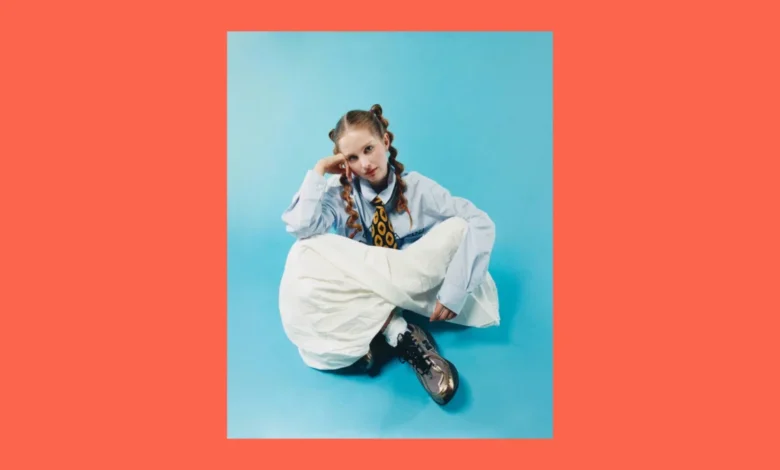
In a brown tracksuit top and wired headphones, with ponytails split in her signature style, Maddie Ashman looked stylistically out of joint around the corporate suits rushing to grab lunch around King’s Cross—more Central Saint Martins than Google HQ. Chatty and amiable, she told me she had just under an hour before her next meeting. When I needed a pause to gather my thoughts between questions, she occasionally checked her phone, a reminder of her increasingly busy schedule. This juxtaposition of the bohemian artist against the backdrop of London’s rapidly developing technological and corporate hub serves as a fitting metaphor for Ashman’s career. She is a musician who exists at the intersection of traditional classical rigors and the fast-paced, digital-first reality of the modern music industry.
The Intersection of Classical Training and Contemporary Vision
Maddie Ashman represents a new generation of musicians who refuse to be pigeonholed by their formal education. A classically trained cellist, Ashman has successfully bridged the gap between the conservatoire and the indie-pop stage. Her aesthetic, described as "stylistically out of joint" with the corporate environment of King’s Cross, reflects a broader cultural shift among young artists in London who prioritize authenticity and cross-disciplinary influence over traditional professional archetypes.
The King’s Cross area itself has undergone a massive transformation over the last decade. Once a gritty industrial zone, it is now home to the European headquarters of Google and the prestigious Central Saint Martins art school. This environment provides the perfect backdrop for Ashman’s work, which blends the high-art complexity of cello composition with the accessible, often raw emotionality of singer-songwriter traditions. Her presence there, amid the "corporate suits," highlights the tension between the creative class and the economic structures that support—and sometimes squeeze—them.
A Chronology of Artistic Development
Ashman’s journey into the public eye has been one of steady, deliberate growth rather than overnight viral success. Her background in classical music provided the technical foundation, but her transition into a solo artist required a reimagining of what the cello could represent in a modern context.
- Foundational Training (2015–2019): Ashman honed her skills in elite musical environments, developing the technical proficiency that allows her to manipulate the cello not just as an orchestral instrument, but as a rhythmic and melodic lead in contemporary settings.
- Collaborative Expansion (2020–2022): Like many artists during the global pandemic, Ashman utilized digital platforms to collaborate and share her work. Her ability to provide sophisticated string arrangements for other artists made her a sought-after session musician and collaborator within the London indie scene.
- The Solo Transition (2023–Present): Moving from the background to the foreground, Ashman began releasing original material that showcased her voice as much as her instrumental prowess. This period marked the beginning of the "busy schedule" mentioned in recent profiles, involving a constant cycle of meetings, rehearsals, and recording sessions.
This timeline reflects a broader trend in the music industry where "portfolio careers"—combining session work, teaching, solo performance, and digital content creation—have become the standard for emerging talent.
The Economic and Cultural Landscape of London’s Music Scene
The "corporate suits" Ashman navigates around are part of the economic engine of London, yet the creative industries contribute significantly to the city’s global standing. According to data from the UK’s Creative Industries Council, the music sector contributed approximately £6.7 billion to the UK economy in recent years. However, the cost of living in London, particularly in hubs like King’s Cross, presents a significant challenge for independent artists.
Ashman’s busy schedule is a testament to the work ethic required to sustain a career in this environment. The modern musician is no longer just a performer; they are a brand manager, a social media strategist, and a networking professional. Her frequent checks of her phone during interviews are not a sign of disinterest, but a necessity of the "always-on" nature of the industry. For an artist in 2024, a missed message can mean a missed opportunity for a festival slot, a sync deal, or a high-profile collaboration.
Technical Innovation: The Cello as a Modern Tool
One of the most striking aspects of Ashman’s work is her technical approach to her instrument. By using looping pedals and electronic effects, she transforms the cello into a multi-layered orchestra. This "indie-classical" or "neo-classical" movement has seen a surge in popularity on streaming platforms.
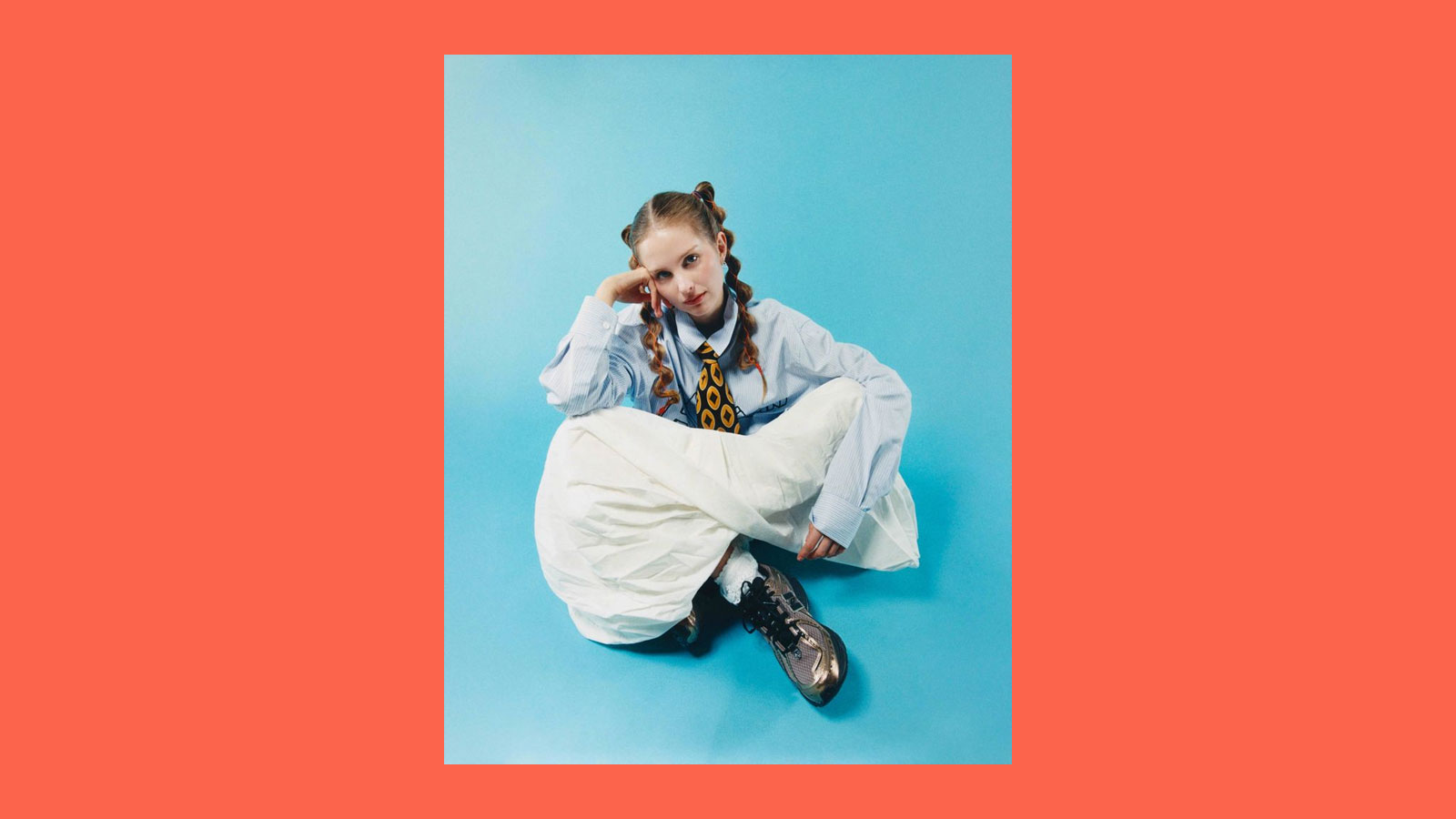
Data from Spotify and Apple Music indicates that "Classical Crossover" and "Atmospheric Indie" playlists have seen a 25% increase in listenership among the 18–34 demographic over the last two years. This demographic shift is driven by artists like Ashman, who present classical instruments in a way that feels relevant to the contemporary experience. Her use of wired headphones and a casual tracksuit—items typically associated with street culture or tech-savviness—further de-mystifies the instrument, making it accessible to a broader audience.
Industry Reactions and Peer Analysis
Colleagues and industry insiders have noted Ashman’s unique position in the market. "Maddie represents a bridge," says one London-based producer who has worked with her on session tracks. "She has the discipline of a classical player but the ear of a pop producer. She understands that the cello doesn’t always have to be ‘pretty’; it can be percussive, it can be distorted, and it can be the hook of a song."
Critics have also pointed out that her visual identity is a key component of her appeal. By leaning into an aesthetic that mirrors the "Central Saint Martins" look—eclectic, thrifted, and intentionally non-conformist—she signals to her audience that she is part of the contemporary vanguard. This visual branding is essential in an era where platforms like Instagram and TikTok are the primary discovery tools for new music.
Broader Implications for the Arts in the UK
Ashman’s success and her presence in the heart of London’s corporate-tech district raise important questions about the future of the arts. As cities become more expensive and "corporate," where does the artist fit?
The fact that Ashman is thriving—managing a schedule full of meetings and creative work—suggests a resilience within the artistic community. However, it also highlights the necessity of professionalization. The image of the "starving artist" is being replaced by the "entrepreneurial artist." Ashman’s ability to navigate King’s Cross, move between high-level meetings, and maintain a distinct creative identity is a blueprint for the 21st-century musician.
Furthermore, her work contributes to the democratization of classical music. By stripping away the formal attire and the concert hall etiquette, she allows the music to stand on its own merits in everyday spaces. Whether she is playing in a small club in East London or being heard through the headphones of a commuter in King’s Cross, her influence is expanding the boundaries of what "classical" music can be.
Future Outlook and Upcoming Projects
Looking ahead, Maddie Ashman is positioned to become a central figure in the UK’s experimental pop scene. With a series of scheduled performances and rumored collaborations with major indie labels, her "busy schedule" shows no signs of slowing down. The transition from a local London talent to an international touring artist seems inevitable, provided she continues to balance the technical demands of her instrument with the commercial demands of the industry.
Her upcoming projects are expected to further explore the integration of vocal narratives with complex string arrangements. As the lines between genres continue to blur, Ashman’s work will likely serve as a reference point for how to successfully integrate traditional musicianship into a digital world.
In conclusion, Maddie Ashman is more than just a musician with a signature style; she is a representative of the modern creative economy. Her presence in King’s Cross—amid the rush of the corporate world—is a reminder that art and industry are inextricably linked. As she checks her phone and heads to her next meeting, she isn’t just a girl in a tracksuit with a cello; she is an architect of a new musical landscape, navigating the complexities of the 21st century one note at a time.