Stile Antico to Present World Premiere by Christopher Cerrone and Renaissance Masterpieces at the Church of St. Mary the Virgin

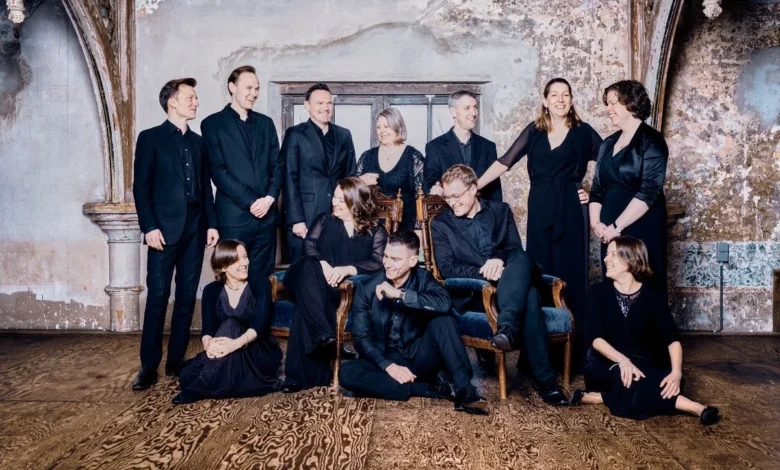
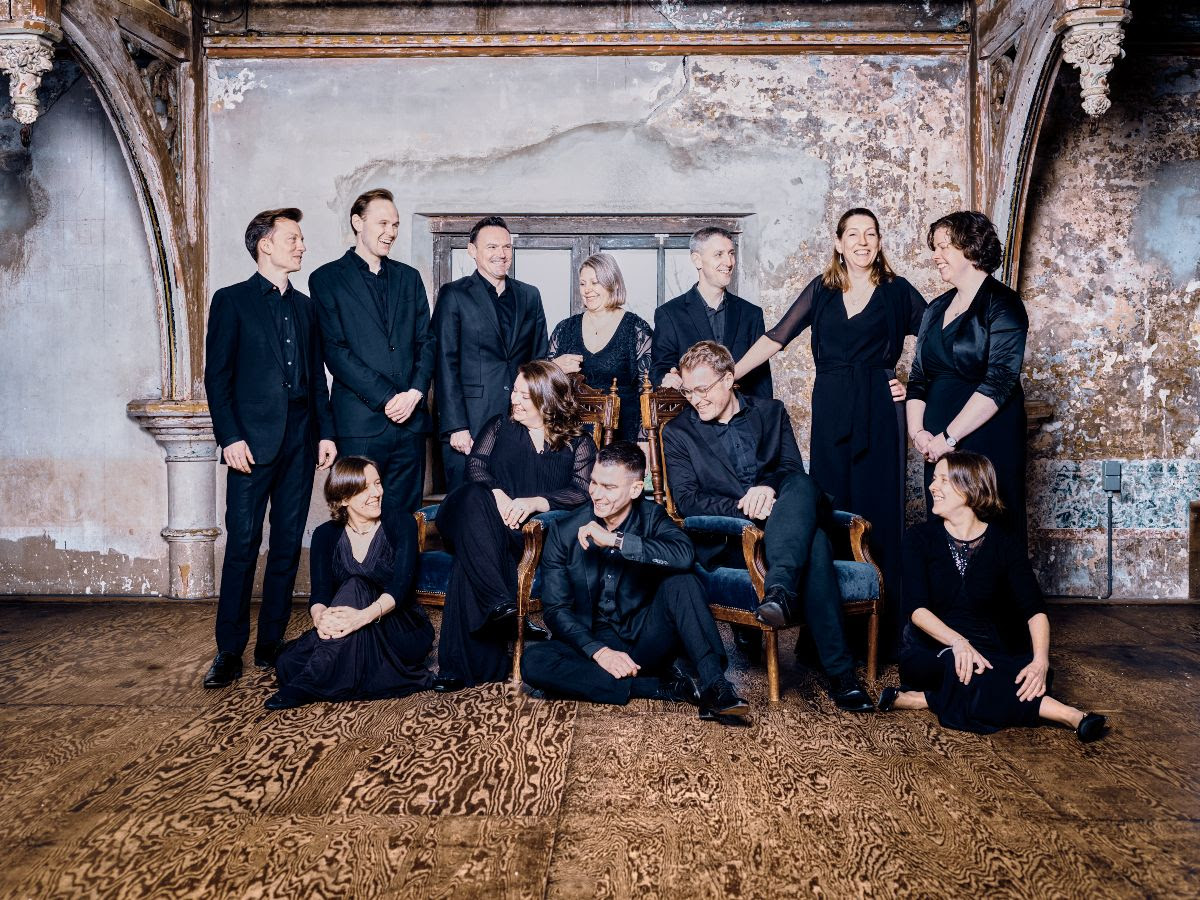
On October 15, the internationally acclaimed British vocal ensemble Stile Antico is set to grace the stage at the historic Church of St. Mary the Virgin for a meticulously curated program titled Polyphonic Postcards. Known for their immaculate tuning, exquisite blend, and innovative approach to early music performance without the use of a conductor, the ensemble will bridge centuries of musical history. This highly anticipated concert places timeless Renaissance masterworks in direct conversation with a contemporary world premiere commissioned specifically for the occasion by acclaimed American composer Christopher Cerrone.
The evening promises to be a landmark event for New York City’s classical music community, offering audiences a rare opportunity to experience the breathtaking elasticity and textural clarity of unconducted a cappella singing. By pairing the architectural polyphony of the 16th century with the ethereal, contemporary soundscapes of Cerrone, Stile Antico continues its mission of proving that early music is not a static museum piece, but a living, breathing tradition with profound resonance for modern listeners.
A Journey Through Renaissance Europe
The core of the Polyphonic Postcards program serves as a sonic grand tour of Renaissance Europe, showcasing the rich diversity of vocal composition across the continent during a period of immense artistic and cultural flourishing. Stile Antico’s signature democratic approach—where all twelve members contribute equally to the artistic interpretation of the music—allows the intricate counterpoint of these historical works to emerge with startling transparency.
Among the English masterworks featured on the program is music by Thomas Tallis, one of the towering figures of English church music. Tallis’s ability to navigate complex polyphonic textures while maintaining deep emotional expression will be on full display. Continental Europe is heavily represented by an extraordinary array of Franco-Flemish, Spanish, German, and Italian masters who defined the vocal aesthetics of their respective regions.
Listeners will hear sacred and secular polyphony by Pierre Moulu, Claudin de Sermisy, and Clément Janequin, whose descriptive chansons often incorporated vivid onomatopoeic vocal effects imitating bird songs, battle scenes, and the bustle of Parisian streets. The Spanish Renaissance is honored through the profound and austere devotional music of Francisco Guerrero and Alonso Lobo, whose works capture the intense spiritual fervor of the Counter-Reformation.
Further expanding the geographical scope, the program includes compositions by German masters Ludwig Daser and Ludwig Senfl, whose contributions to the motet and the German tenorlied remain foundational to the development of central European sacred and secular art music. The ensemble will also perform works by the prolific and cosmopolitan Orlandus Lassus, whose mastery of every contemporary musical style made him the most famous and influential musician in Europe during the latter half of the 16th century. Finally, the program reaches into the dawn of the Baroque era with music by Claudio Monteverdi, whose revolutionary approach to text painting and harmonic dissonance paved the way for modern opera and dramatic vocal writing.
The Christopher Cerrone Commission
A major highlight of the October 15 concert is the world premiere of a new work commissioned by Miller Theatre from composer Christopher Cerrone. Known for his luminous, deeply felt orchestral, chamber, and operatic scores, Cerrone has established himself as one of the most distinctive and compelling voices in contemporary American classical music.
Cerrone’s musical language often explores liminal acoustic spaces, delicate textures, and subtle harmonic shifts, making him an ideal partner for an ensemble of Stile Antico’s caliber. While his catalog includes major successes such as his Pulitzer Prize-finalist opera Invisible Cities and acclaimed orchestral recordings on New Focus Recordings and other labels, writing for an elite, conductorless vocal ensemble presents a distinct set of artistic challenges and opportunities.
The commission represents Miller Theatre’s ongoing commitment to fostering new work and pushing the boundaries of traditional concert programming. By embedding a contemporary American voice within a historically grounded European vocal program, the evening emphasizes continuity across musical eras. Cerrone’s new piece is expected to draw inspiration from the thematic concept of postcards—musical dispatches from distant times and places—translating that metaphor into a modern idiom that interacts directly with the stylistic hallmarks of the Renaissance pieces on the bill.
The Venue: The Church of St. Mary the Virgin
The choice of venue for Polyphonic Postcards is integral to the artistic success of the performance. The Church of St. Mary the Virgin, affectionately known among New Yorkers as "Smoky Mary’s," is an architectural and acoustic gem located in the heart of midtown Manhattan. Designed by the prominent architect Napoleon LeBrun and consecrated in 1895, the church is renowned for its soaring French Gothic design, rich interior ornamentation, and, crucially, its magnificent acoustic properties.
For a vocal ensemble like Stile Antico, which relies heavily on the acoustic interplay of unamplified voices in a shared space, the church provides an ideal environment. The generous reverberation time of the sanctuary allows complex polyphonic lines to bloom, meld, and decay naturally, enveloping the listener in a warm, resonant blanket of sound. This acoustic warmth enhances the transparency of the ensemble’s performances, enabling audience members to track individual vocal lines as they weave in and out of the texture, even from the back of the nave.
Profile of Stile Antico
Founded in 2001, Stile Antico has spent more than two decades redefining the standards of Renaissance ensemble singing. Operating entirely without a conductor, the group relies on intense collaborative listening, shared musical vision, and an extraordinary level of individual virtuosity. Each of the ensemble’s members is an accomplished singer and musician in their own right, contributing to a collective decision-making process that results in remarkably organic and flexible performances.
The group’s discography, released primarily on the Harmonia Mundi label, has received near-universal critical acclaim. Stile Antico has earned some of the classical music recording industry’s most prestigious honors, including the Gramophone Award for Early Music, the Diapason d’or de l’année, the Edison Klassiek Award, and the German Record Critics’ Award (Preis der deutschen Schallplattenkritik). In addition to their active recording schedule, the ensemble maintains a busy international touring calendar, performing at major festivals and concert halls across Europe, North America, and Asia.
Broader Impact and Implications for Early Music Programming
The pairing of Renaissance masterworks with a major contemporary commission highlights a growing trend in classical music programming: the deliberate blurring of lines between early music and new music. Historically, ensembles specializing in repertoire from before 1750 operated in a relatively insular ecosystem, rarely venturing outside their historical comfort zones. Similarly, contemporary music groups frequently ignored centuries of foundational repertoire in favor of the hyper-new.
However, organizations like Miller Theatre and ensembles like Stile Antico are increasingly demonstrating that audiences are deeply receptive to programmatic juxtapositions that span centuries. By placing Christopher Cerrone’s contemporary harmonic language alongside the modal counterpoint of Tallis, Lassus, and Victoria, the concert invites listeners to hear historical music through a modern lens, while simultaneously grounding new music in a deep, historical lineage.
This approach not only revitalizes the concert-going experience but also expands the interpretive possibilities for the performers. Singers trained in the nuances of Renaissance phrasing, tuning systems, and text declamation bring a unique set of technical tools to contemporary scores, often resulting in performances of new music characterized by exquisite vocal purity and harmonic precision.
Conclusion
As the classical music world continues to seek innovative ways to engage audiences and remain relevant in the 21st century, events like Stile Antico’s performance of Polyphonic Postcards offer a compelling blueprint. By combining world-class artistry, historical scholarship, a premier architectural venue, and a commitment to living composers, the ensemble delivers an experience that is both intellectually stimulating and viscerally moving.
The October 15 concert at the Church of St. Mary the Virgin stands as a testament to the enduring power of the human voice. Whether navigating the celestial polyphony of the 16th century or exploring the uncharted sonic territory of Christopher Cerrone’s world premiere, Stile Antico continues to set the gold standard for vocal ensemble performance worldwide, proving that great music truly transcends time.