The paradox of the silver screen and the symphony orchestra in an era of fiscal fragility.

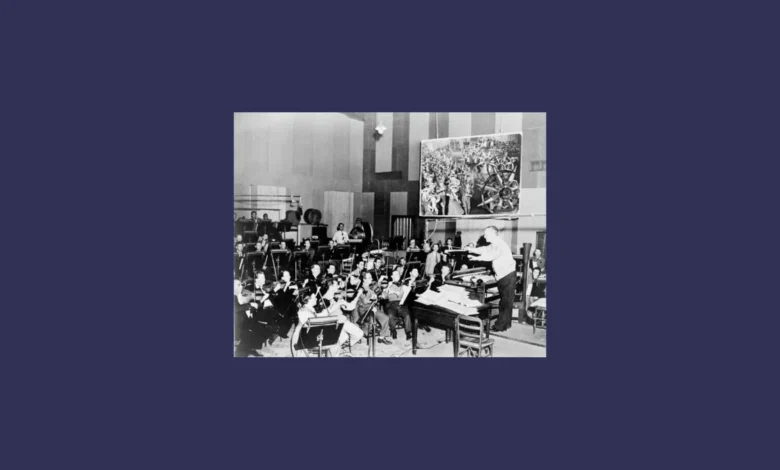
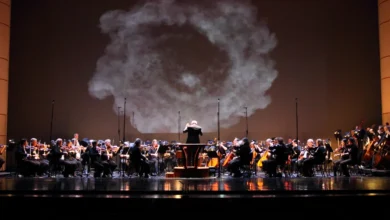
The sight of thousands of lightsabers illuminating the dark expanse of the Bon Secours Wellness Arena in Greenville, South Carolina, presented a striking visual metaphor for the current state of regional orchestral music. As the Greenville Symphony Orchestra (GSO) positioned itself beneath a massive projection screen, the scene appeared to be a triumph of modern programming. Playing the complete score to "Return of the Jedi" in precise synchronization with the film, the ensemble reached an audience size that would be mathematically impossible within the confines of their traditional concert hall. Yet, beneath the glow of cinematic nostalgia and the roar of a sold-out arena, a more complex narrative persists: the increasingly desperate financial reliance of regional cultural institutions on "film-in-concert" programming to stave off the looming threat of insolvency.
The Evolution of the Orchestral Business Model
For much of the 20th century, regional orchestras operated under a traditional subscription model. Patrons purchased season tickets for a series of curated masterworks, chamber recitals, and pops concerts. However, the economic landscape for non-profit arts organizations has shifted dramatically over the past two decades. According to data from the League of American Orchestras, the average regional ensemble has faced a stagnant or declining subscriber base, coupled with rising labor costs and the inflationary pressures of maintaining physical performance spaces.
The "film-in-concert" phenomenon—where an orchestra performs the live soundtrack of a blockbuster movie—has emerged as a vital revenue stream. While purists occasionally critique these performances for prioritizing spectacle over pure musical exploration, the financial data is difficult to ignore. A single performance in a large-capacity arena can generate ticket revenue equivalent to a full week of traditional concert programming. For orchestras in mid-sized markets, these events are no longer an outlier; they are a fiscal necessity.
A Chronology of Artistic Adaptation
The integration of film scores into the standard repertoire began in earnest during the late 20th century, but the current industry-wide pivot toward full-length cinematic synchronization is a relatively recent development.
- 2000–2010: Regional orchestras began experimenting with "pops" concerts featuring suites from iconic film scores, primarily those by John Williams, Howard Shore, or Hans Zimmer. These concerts were designed as "gateway" events to attract younger or non-traditional audiences.
- 2011–2018: The rise of proprietary licensing companies specializing in "film-with-orchestra" packages made it easier for smaller ensembles to access the complex technical requirements of these shows. Orchestras no longer had to manually synchronize music; sophisticated click-track technology allowed for seamless integration.
- 2019–Present: Post-pandemic recovery efforts accelerated the trend. With traditional subscription sales slow to return to pre-2020 levels, regional orchestras turned to massive cinematic events as a "blockbuster" strategy to maximize liquidity and re-engage dormant donor bases.
Economic Implications and Financial Realities
The reliance on these large-scale events creates a "feast or famine" dynamic. While an arena show can provide a significant cash infusion, the overhead costs are substantial. Orchestras must account for licensing fees, which can range from 10% to 20% of gross ticket revenue, as well as the rental of large-scale projection equipment and the logistics of amplifying a symphonic ensemble for an arena environment.
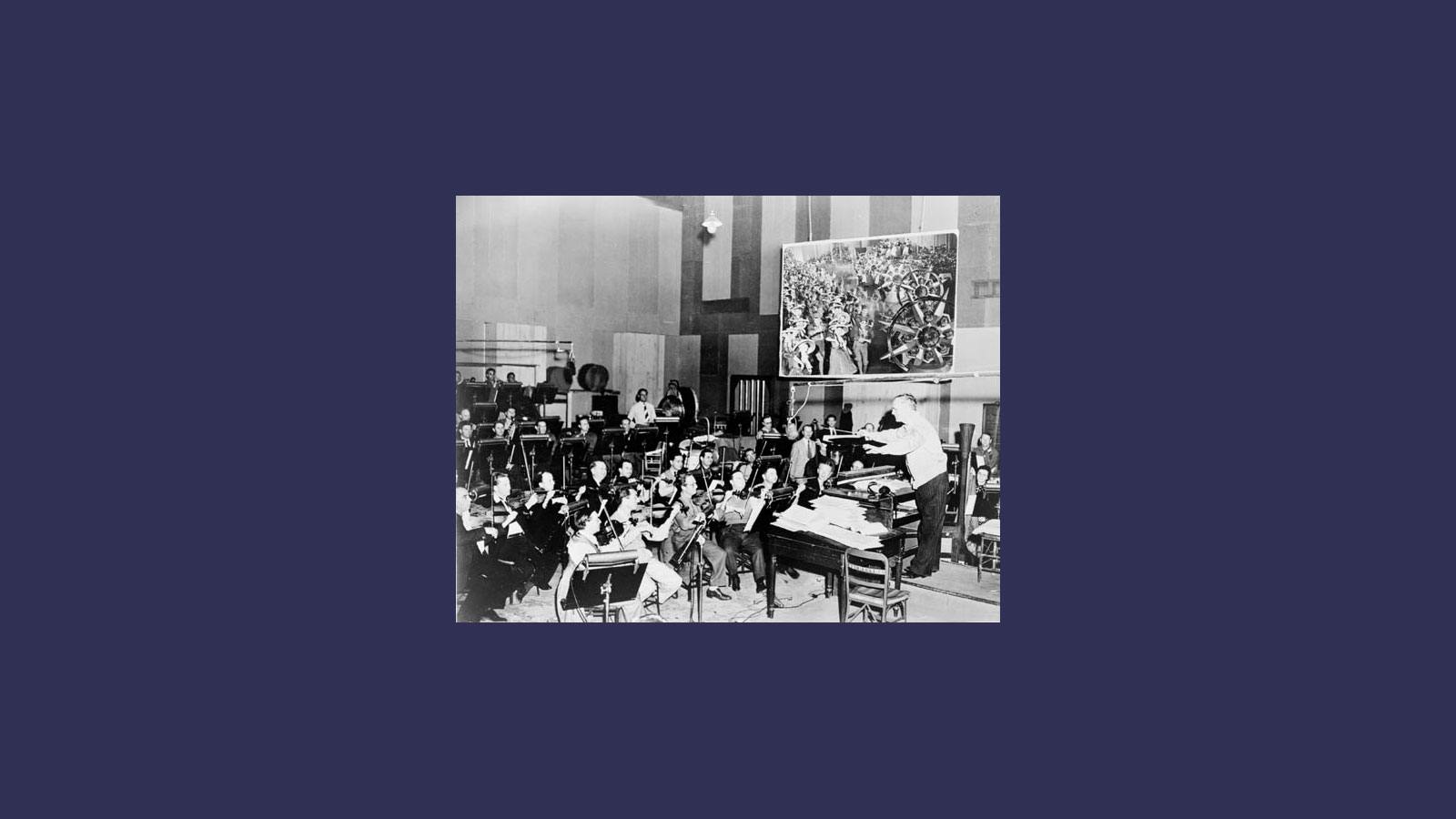
"We are balancing the need for institutional survival with our artistic mission," notes an anonymous board member of a mid-Atlantic regional orchestra. "If we only play Beethoven, we face a deficit that threatens our ability to pay our musicians a living wage. If we play ‘Star Wars’ four times a year, we can keep the doors open, but we have to ask ourselves: are we still an orchestra, or have we become a high-end, live-score production house?"
The data supports this tension. Analysis of annual IRS Form 990 filings for various regional orchestras shows that organizations with a higher percentage of "pops" or film-based programming tend to show more stable cash reserves, yet they often report lower levels of artistic growth in terms of commissioning new works or fostering local soloists.
The Demographic Shift and Audience Retention
A critical question facing arts administrators is whether these film-score concerts successfully convert "event attendees" into "subscribers." Marketing research indicates that while these concerts draw significant crowds, the retention rate is statistically low. Attendees often view the performance as a singular entertainment event rather than an entry point into the world of symphonic music.
However, the benefit of such events lies in the diversification of the donor pipeline. By reaching a younger demographic that would otherwise never step foot in a concert hall, orchestras have the opportunity to capture contact information and build relationships with new patrons. In Greenville, as elsewhere, the visibility afforded by arena-sized venues is a powerful tool for branding. It signals to the municipal government and local corporate sponsors that the orchestra is a vital, relevant, and well-attended component of the city’s cultural life.
Official Perspectives and Future Challenges
The League of American Orchestras has consistently advocated for a "diversified portfolio" approach to programming. Their guidance suggests that orchestras must maintain a core of classical excellence while simultaneously leveraging commercial opportunities.
From the perspective of the musicians, the experience is similarly nuanced. "It is technically demanding," says one veteran violinist. "Playing to a click-track requires a level of discipline that is different from playing a Mahler symphony. You are part of a machine, a larger apparatus that includes the film, the venue acoustics, and the audience’s expectations. It’s not the primary reason many of us chose this career, but if it keeps the orchestra solvent and ensures that we have a paycheck at the end of the month, it is a professional trade-off we are prepared to make."
Looking Toward a Sustainable Model
The road ahead for regional orchestras involves navigating the "middle ground." The most successful organizations are those that use the revenue generated from high-profile film concerts to subsidize the education and outreach programs that form the bedrock of their mission.
Looking at the current trajectory, several trends are likely to shape the next decade:
- Technological Integration: Further investment in high-fidelity sound reinforcement and digital projection to ensure that the quality of these arena performances remains competitive with modern entertainment options.
- Strategic Partnerships: Collaborative programming where multiple regional orchestras share the costs and logistics of renting film-score licenses, thereby reducing individual overhead.
- Educational Outreach: Leveraging the "hook" of cinematic music to teach students about the compositional techniques used by masters like Williams, Korngold, and Steiner, effectively bridging the gap between film fans and classical music enthusiasts.
As the Greenville Symphony Orchestra concluded its performance of "Return of the Jedi," the final notes of the score echoed through the arena—a testament to both the enduring power of orchestral music and the fragile economic reality of the 21st-century arts sector. While the lightsabers may have been the primary draw for the younger segment of the audience, the true significance of the evening lay in the fact that the orchestra was there at all.
In an era of digital streaming and fragmented entertainment, the ability of an ensemble to gather thousands of people in a single space for a shared, live musical experience remains a potent cultural force. The challenge for these institutions is to ensure that this force is not merely a temporary reaction to financial necessity, but a foundation upon which they can build a sustainable, artistically diverse future. The lights in the arena may dim, but for regional orchestras across the country, the work of keeping the symphonic tradition alive requires a constant, delicate calibration of art, commerce, and audience engagement.