Maya de Vitry Explores the Intersections of Physical Media and Creative Immediacy Through New Album All My Faith and Curated Artist Series

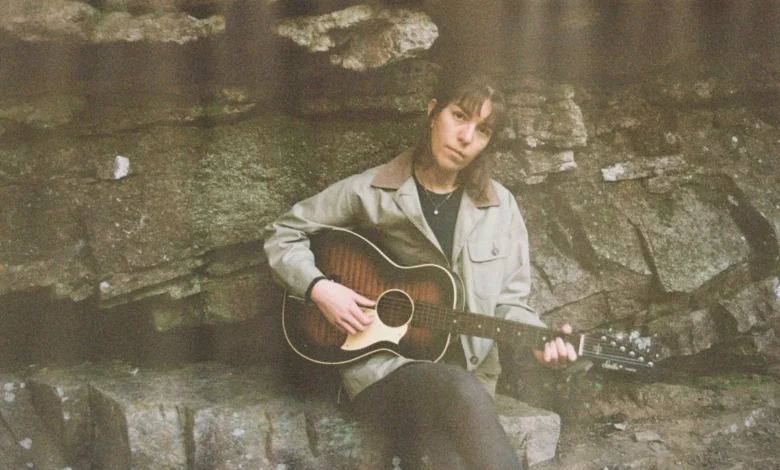
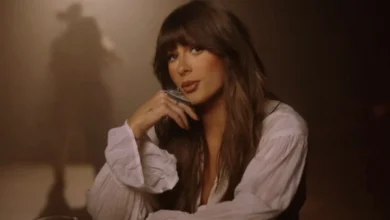
Nashville-based singer, songwriter, and multi-instrumentalist Maya de Vitry has officially released her fifth full-length studio album, All My Faith, marking a significant milestone in a career defined by an unwavering commitment to folk traditions and contemporary lyrical depth. The album, released via Mad Maker Studio on July 24, arrives alongside a featured installment in the No Depression "Top 5" series, where de Vitry offers a candid look at her current musical influences while articulating a broader critique of the modern digital music landscape. Her latest work and her public discourse regarding the industry reflect a growing movement among independent roots artists to reclaim the intimacy of the listening experience and the authenticity of the recording process.
The Production Philosophy of All My Faith
The recording of All My Faith represents a departure from the highly polished, layered production styles that dominate much of the contemporary music industry. De Vitry opted for a process rooted in immediacy and collective energy, convening a group of seasoned collaborators at The Tractor Shed in Goodlettsville, Tennessee. Located just outside the Nashville city limits, the studio provided a secluded environment conducive to the "live-in-the-room" approach de Vitry sought for this project.
The ensemble featured a high caliber of musicianship, including members of Miranda Lambert’s touring band and the indie-folk outfit Phosphorescent. This blend of mainstream country technical proficiency and indie-folk atmospheric sensibility resulted in a 10-song collection that captures the nuances of live performance. Over the course of three days, the group tracked the album with a strict "no edits" policy. This decision meant that every note, breath, and occasional imperfection remained part of the final master, preserving the organic chemistry of the session.
Industry analysts note that this approach is increasingly rare in an era where digital audio workstations allow for infinite pitch correction and rhythmic alignment. By eschewing these tools, de Vitry has produced an album that feels "fresh, friendly, and sometimes even funny," as evidenced by tracks like "Bachelorette Lessons." The decision to record live to tape or in a single-room environment is often cited by purists as the only way to capture the "soul" of Americana music, a genre that prioritizes storytelling and human connection over technical artifice.
A Critique of the Streaming Economy
In her contribution to the No Depression "Top 5" series, de Vitry did not merely list her favorite tracks but instead provided a thoughtful treatise on the detriments of the current streaming-dominant model. Her perspective aligns with a broader industry-wide debate regarding the sustainability of music careers in the age of Spotify and Apple Music.
De Vitry expressed a sense of "burnout" regarding the skimming culture encouraged by algorithmic playlists. She argued that the transition from physical media—CDs and vinyl—to digital streaming has fundamentally altered the relationship between the listener and the art. For de Vitry, the act of "deep listening," which involves engaging with an album as a cohesive body of work while reading liner notes and holding physical packaging, is a vital component of musical appreciation that is being lost.
This sentiment is backed by significant data regarding artist compensation. Reports from organizations like the Union of Musicians and Allied Workers (UMAW) highlight that the average payout per stream on major platforms ranges from $0.003 to $0.005. For independent artists like de Vitry, these figures necessitate alternative revenue streams, such as crowdfunding and physical merchandise sales. Her new album was notably featured in the "Crowdfunding Radar," a testament to the community-supported model that many roots musicians now rely on to bypass traditional label structures.
Furthermore, de Vitry’s critique touches on the rise of "AI bands" and the saturation of streaming platforms with low-quality, algorithmically generated content. By advocating for physical media, she is part of a "slow music" movement that mirrors the "slow food" movement, emphasizing quality, provenance, and the human element in production.
Chronology of Maya de Vitry’s Career Evolution
To understand the significance of All My Faith, it is necessary to look at de Vitry’s trajectory within the Americana scene.
- The Stray Birds Era (2010–2018): De Vitry first gained national prominence as a founding member of the acoustic trio The Stray Birds. The band was a staple of the festival circuit, praised for its three-part harmonies and virtuosic playing. During this time, de Vitry established herself as a formidable songwriter.
- Solo Debut – Adaptations (2019): Following the dissolution of The Stray Birds, de Vitry released her solo debut, which signaled a shift toward a more expansive, genre-fluid sound.
- Continued Prolificacy (2020–2023): De Vitry released a string of critically acclaimed projects, including How to Late and Violet Light. Each release saw her refining her voice and building a network of Nashville-based collaborators.
- All My Faith Development (Early 2024): The concept for the new album took shape around the idea of "faith"—not necessarily in a religious sense, but faith in the creative process and the people involved.
- July 2024 Release: The album’s arrival was synchronized with a series of live performances and the No Depression feature, solidifying her position as a leading voice in the independent folk world.
Deep Listening: The Influence of Paper Wings
As part of her "Top 5" curation, de Vitry highlighted the duo Paper Wings and their song "Country Girl" from the album Mountains on the Moon. Her analysis of the track serves as a window into her own musical values. Paper Wings, consisting of Emily Mann and Wila Frank, are known for their close-harmony singing and intricate acoustic arrangements.
De Vitry described their music as "patient and adventurous," a combination that requires the listener to slow down and pay attention. She specifically noted the lyrics of "Country Girl," which resonate with her own experiences working a gardening job. The line "She’s got seeds in the pockets of her jeans" serves as a metaphor for the quiet, grounded nature of the roots music lifestyle.
The inclusion of Paper Wings in her list is a strategic effort to highlight contemporaries who share her commitment to traditional sounds. In the Americana community, this kind of peer-to-peer promotion is essential for survival. By pointing her audience toward Paper Wings, de Vitry fosters a collaborative ecosystem that counters the competitive nature of the mainstream industry.
Technical Analysis and Industry Implications
The release of All My Faith comes at a time when the Americana genre is experiencing a period of introspection. As the genre grows in popularity, there is a tension between the "polished" sound required for radio play and the "raw" sound preferred by traditionalists. De Vitry’s choice to record at The Tractor Shed puts her firmly in the latter camp.
The Tractor Shed is renowned for its acoustic properties, designed to allow instruments to bleed into each other’s microphones in a way that creates a natural, "warm" sonic environment. This recording technique, while technically challenging because it prevents "fixing" individual tracks in post-production, results in a record that breathes. For the listener, this creates a sense of being in the room with the band—a feeling that de Vitry believes is essential for the "faith" the album’s title references.
From an industry perspective, de Vitry’s success with this model suggests that there is a viable market for high-quality, independently produced roots music. While she may not reach the streaming numbers of pop-country stars, her dedicated fan base provides a more stable and ethically grounded career path. The use of Mad Maker Studio as a vehicle for her releases allows her to maintain total creative control over her intellectual property.
The Broader Impact on the Roots Music Community
Maya de Vitry’s recent activities—the album release, the streaming critique, and the curation of influential tracks—serve as a blueprint for the modern independent artist. She demonstrates that it is possible to engage with the modern world (through crowdfunding and digital promotion) while remaining anchored in the values of the past (physical media and live recording).
As All My Faith begins its chart cycle and de Vitry embarks on supporting tours, the conversation she has started regarding "focused listening" is likely to gain traction. Other artists in the Nashville scene have expressed similar frustrations with the "content-over-art" mentality of the digital age. De Vitry’s outspokenness provides a rallying point for those who believe that music should be an experience rather than a commodity.
In conclusion, All My Faith is more than just a collection of 10 songs; it is a statement of intent. It celebrates the human connection found in a recording studio, the quiet joy of a gardening job, and the profound beauty of a well-crafted harmony. By inviting listeners to "climb straight into the song," Maya de Vitry is not just sharing her music—she is inviting her audience to reconsider how they consume art in an increasingly distracted world. Her work remains a vital reminder that in the rush of the digital era, there is still immense value in the patient, the physical, and the real.
Related posts: