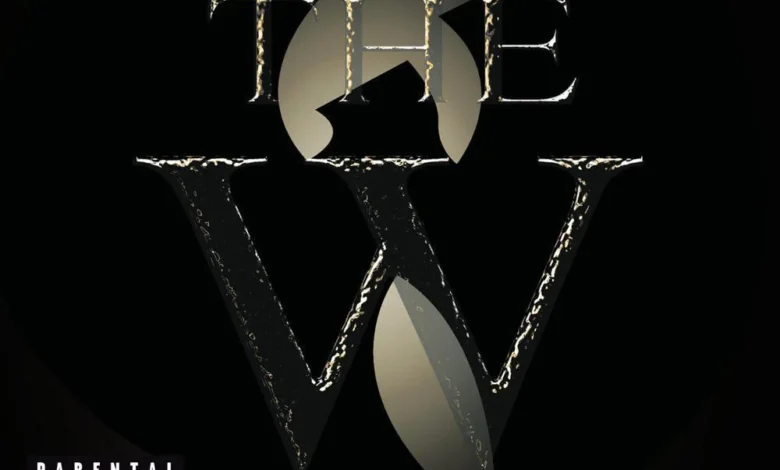
Released on November 21, 2000, through Loud Records and Columbia Records, Wu-Tang Clan’s third studio album, The W, arrived at a critical juncture in the legendary Staten Island collective’s career. Following the monumental commercial and critical success of their 1997 double album, Wu-Tang Forever, the nine-member group faced an arduous task: maintaining their undisputed dominance in the rapidly shifting landscape of commercial hip-hop while navigating mounting individual solo careers, geographical dispersal, and severe personal trials. Rather than succumbing to the sophomore slump or the internal fragmentation that often plagues massive rap groups, the Clan engineered a visceral, stripped-down return to form that captured the dark, cinematic intensity of their groundbreaking 1993 debut, Enter The Wu-Tang (36 Chambers).
Over two decades later, The W remains a watershed moment in hip-hop history—a testament to the unbreakable creative bond of RZA, GZA, Method Man, Raekwon, Ghostface Killah, Inspectah Deck, U-God, Masta Killa, and the late Ol’ Dirty Bastard.
The Backdrop: High Stakes and Internal Turmoil at the Turn of the Millennium
To understand the weight of The W, one must contextualize the state of hip-hop and the internal dynamics of the Wu-Tang Clan in the year 2000. By the late 1990s, the members of Wu-Tang had successfully executed a brilliant business blueprint: individual solo releases through various major labels while maintaining a collective allegiance to the brand. Albums like Raekwon’s Only Built 4 Cuban Linx…, Ghostface Killah’s Ironman, Method Man’s Tical, and GZA’s Liquid Swords had proven that the members could thrive independently. However, this decentralized success also created logistical hurdles. Bringing all nine eccentric personalities back into the studio simultaneously was an increasingly complex endeavor.
Compounding these organizational challenges were severe legal troubles plaguing the group’s most erratic and magnetic personality, Russell Jones, better known as Ol’ Dirty Bastard (ODB). Throughout the recording process of The W, ODB was in and out of jail, battling substance abuse, and evading law enforcement before his eventual dramatic arrest in a Philadelphia parking lot. Consequently, ODB’s physical presence on the album was severely restricted, limiting his appearance to a single guest verse on the track "Conditioner," which also featured West Coast icon Snoop Dogg.
Despite the absence of one of their foundational pillars, the remaining members recognized the urgent necessity to reaffirm their collective supremacy. The mainstream rap scene of 2000 was increasingly dominated by glossy production, party anthems, and the burgeoning commercial power of Southern and Midwest rap. The Wu-Tang Clan needed to remind the industry that hardcore, lyric-driven New York hip-hop still held a commanding throne.
The Production Blueprint: RZA’s Return to the Crypts
For The W, mastermind producer and de facto leader RZA deliberately shifted away from the sprawling, synthesizer-heavy, and grand cinematic orchestrations that defined Wu-Tang Forever. Instead, he retreated into the damp, shadowy aesthetic that originally birthed the Clan’s mythology.
Utilizing vintage soul samples, dusty drum breaks, heavy vinyl crackle, and eerie string arrangements, RZA crafted a sonic landscape that felt simultaneously nostalgic and futuristic. He famously utilized a minimal setup for portions of the production, relying on his signature ASR-10 sampler to slice up obscure soul records, martial arts film dialogue, and gritty street sounds. Tracks like "Careful (Click, Click)" and "Hollow Bones" exemplified this dark, menacing sonic architecture. The production did not pander to commercial radio trends; rather, it forced mainstream listeners to adapt to the Clan’s uncompromising sonic universe.
Furthermore, the album’s guest list was meticulously curated, blending East Coast peers with unexpected cross-country collaborations. Alongside the core members, The W featured stellar guest verses and vocal performances from Redman, Busta Rhymes, Nas, Junior Reid, Snoop Dogg, and a posthumously revered contribution from soul music royalty, Isaac Hayes, who lent his haunting narration and vocals to the socially conscious masterpiece "I Can’t Go To Sleep."
Chronology and Tracklist Highlights: Navigating Lyrical Warfare
The 13-track sequence of The W takes the listener on a roller-coaster ride of raw lyricism, gritty storytelling, and unconventional song structures.

The campaign for the album was spearheaded by "Protect Ya Neck (The Jump Off)," a spiritual sequel to the 1993 independent single that launched their careers. The track served as an immediate statement of intent, proving that despite seven years in the public eye, the collective’s pen game remained razor-sharp.
Another massive turning point in the album’s rollout was the release of "Gravel Pit." Produced by RZA, the track featured a bouncy, horn-driven loop and a hummable chant that stood in stark contrast to the album’s darker cuts. Accompanied by a wildly popular, high-budget music video featuring the members as cavemen interacting with dinosaurs via CGI, "Gravel Pit" transcended the underground market to become a massive global radio and television hit. It proved that the Clan could capture mainstream commercial success without sacrificing their signature street credibility.
Among the album’s critical darlings was "I Can’t Go To Sleep," a chilling exploration of urban paranoia, historical trauma, and personal demons. Featuring the rich, baritone vocals of Isaac Hayes covering the Delfonics’ soul classic "Didn’t I (Blow Your Mind This Time)," the song featured introspective verses from Ghostface Killah and RZA that elevated rap music to the tier of high psychological art. Other standout cuts, such as "Do You Really (Thang, Thang)" and "The Monument," showcased the effortless, relay-race style lyricism where members passed the microphone back and forth with seamless fluidity.
Commercial Performance and Critical Reception
Upon its release in late November 2000, The W performed strongly on the global music charts, defying industry skepticism regarding the group’s longevity.
The album debuted at No. 5 on the US Billboard 200 chart, moving over 170,000 copies in its first week of release. Simultaneously, it claimed the No. 1 spot on the Billboard Top R&B/Hip-Hop Albums chart, maintaining a powerful grip on urban radio and specialty hip-hop markets. Within months of its release, the Recording Industry Association of America (RIAA) officially certified The W platinum, validating the group’s enduring commercial viability.
Critically, the album received widespread acclaim from premier music publications, including Rolling Stone, The Source, Vibe, and The Village Voice. Reviewers lauded the project for its cohesive production, fearless artistic risks, and the lyrical maturity displayed by aging veterans who refused to water down their craft for pop radio airplay. While it did not match the astronomical multi-disc sales figures of Wu-Tang Forever, many critics argued that The W was a tighter, more focused listen that captured the raw urgency of the group’s early years.
Broader Impact and Historical Implications
Looking back at The W from the perspective of modern music history, the album serves as a masterclass in group resilience. Maintaining a nine-member hip-hop collective—each with distinct artistic visions, egos, and personal struggles—is a notoriously difficult feat. By coming together in the studio to record The W, the Wu-Tang Clan demonstrated that the collective whole was greater than the sum of its parts.
The album also bridged the gap between the golden era of 1990s hip-hop and the corporatized, digital frontier of the 2000s. It proved that hardcore rap could still secure prime real estate on the charts without relying on pop hooks or sanitized production values. Furthermore, the album’s success paved the way for future collaborative projects and solidified the individual members’ solo endeavors, ensuring that the "Wu-Tang" brand would expand into fashion, film, television, and global culture for generations to come.
As the hip-hop community continues to celebrate the enduring legacy of Staten Island’s finest, The W stands tall not merely as a transitional release, but as a brilliant, uncompromised chapter in a legendary musical saga. Salute to the RZA, GZA, Method Man, Raekwon, Ghostface Killah, Inspectah Deck, U-God, Masta Killa, and the eternal spirit of Ol’ Dirty Bastard for gifting the world a timeless monument of hip-hop culture. Wu-Tang Forever.
Related posts: