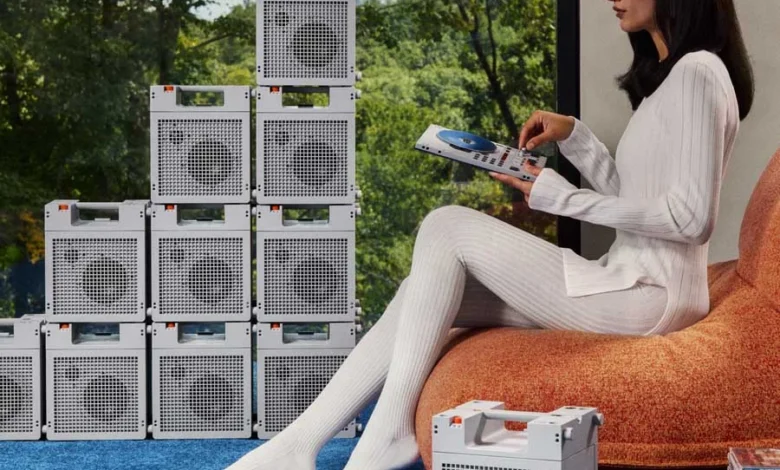
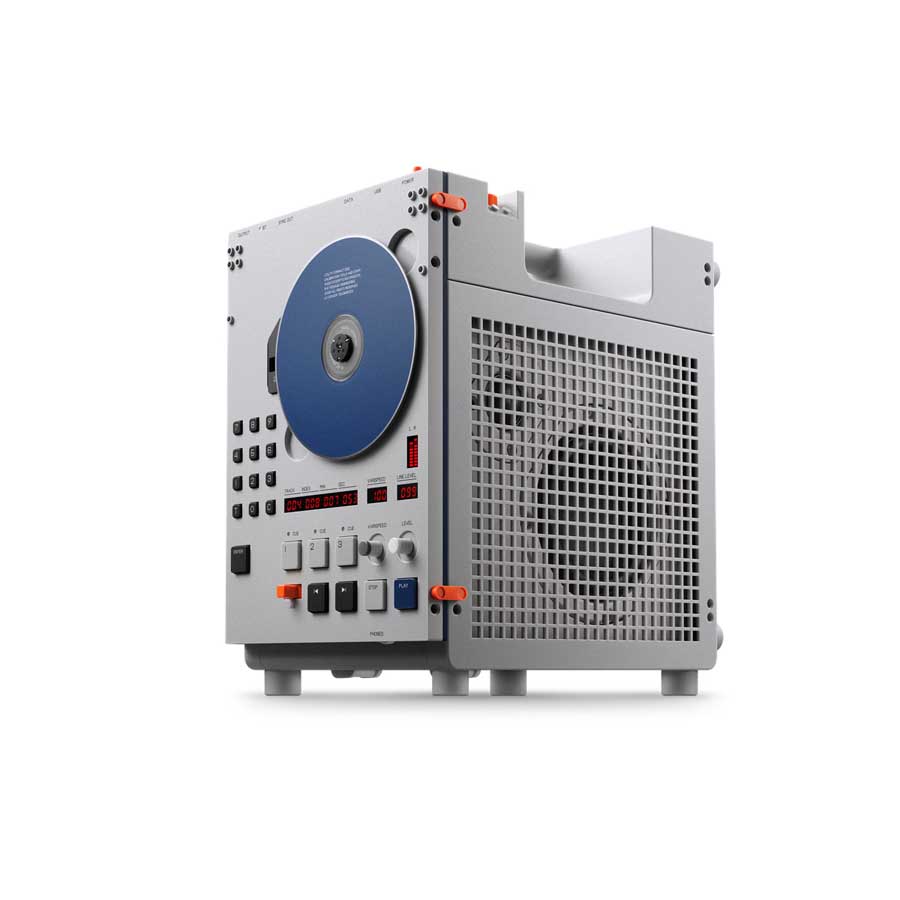
Stockholm-based consumer electronics and design firm Teenage Engineering has officially expanded its product portfolio with the introduction of the EP/BC-1 CD Player, marking the debut offering in the company’s newly minted Broadcast Series. Known globally for its distinct industrial design language and avant-garde approach to music technology—ranging from high-end synthesizers and pocket operators to specialized studio gear—the Swedish manufacturer is once again blurring the boundary between professional audio tools, performance equipment, and consumer lifestyle electronics.
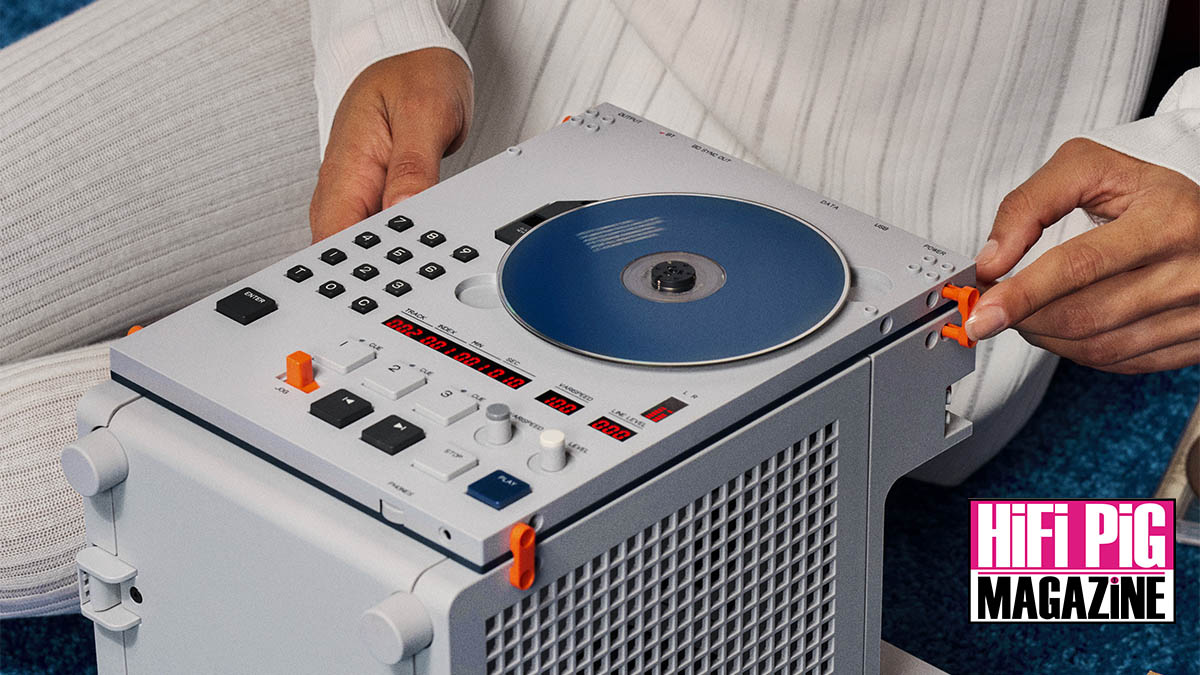
The announcement of the EP/BC-1 CD Player highlights a burgeoning trend within the modern audio landscape: the physical media resurgence meeting contemporary, modular workflow demands. While traditional high-fidelity manufacturers continue to treat the compact disc as a static, legacy format intended exclusively for stationary home listening, Teenage Engineering’s entry repositions the optical disc as a dynamic, interactive element suitable for modern creators, mobile producers, and tech-forward audiophiles alike.
The Evolution and Design Philosophy of Teenage Engineering
Founded in 2005 by Jesper Kouthoofd, David Erik Eriksson, Jens Rudberg, and Ola Nilsson, Teenage Engineering quickly established a reputation for challenging conventional audio engineering paradigms. The company’s breakthrough product, the OP-1 synthesizer released in 2011, became an industry icon due to its minimalist, calculator-like aesthetic, tape-recorder workflow, and aluminum chassis. Over the subsequent two decades, the brand has expanded its footprint through collaborations with major corporations like IKEA and Nothing, while continuing to release proprietary hardware that prizes tactile engagement, portability, and visual charm.
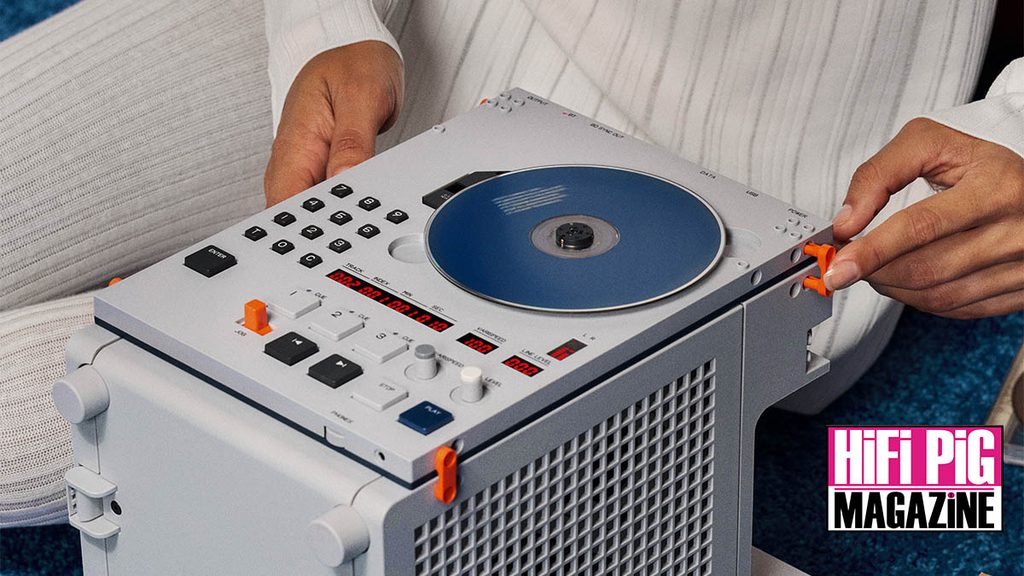
The launch of the Broadcast Series represents a strategic pivot for the company. By bringing CD playback into its ecosystem, Teenage Engineering acknowledges both the enduring collector appeal of physical albums and the modern appetite for hybrid creative devices. Rather than designing a passive component meant to sit quietly on a rack, the engineering team in Stockholm has crafted a tool intended to be interacted with, manipulated, and integrated into broader portable setups.
Core Hardware Capabilities and Performance Specifications
At first glance, the EP/BC-1 strikes a balance between retro-futuristic nostalgia and functional minimalism. Measuring in as a compact, fully rechargeable unit, the device is built to handle both standard Red Book audio compact discs and compressed MP3 files encoded on CD-ROM media.

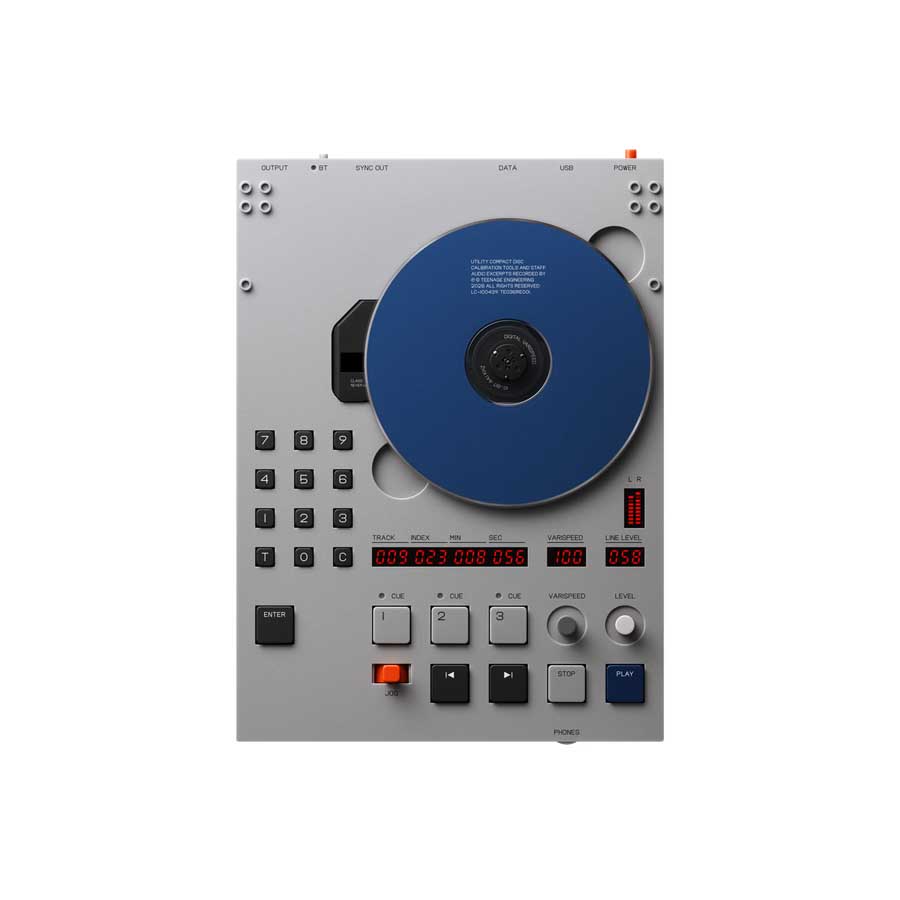
Navigation and playback control depart from traditional remote controls or basic front-panel buttons. The EP/BC-1 incorporates a tactile jog stick, allowing users to effortlessly scrub through tracks and navigate complex data directories. For creative applications and live use, the player features a variable-speed control dial, offering pitch and tempo adjustments ranging from 50% to 150% of the original track speed. This flexibility transforms a conventional listening device into a variable-tempo source suitable for casual remixing, educational use, or artistic performance.
For structural organization and track management, the device includes three programmable cue markers per disc, with enough internal non-volatile memory to store cue positions for up to 40 individual compact discs. Real-time visual feedback is provided via an integrated digital display that presents track numbers and timing information, flanked by hardware-emulated VU meters that track audio output levels dynamically.
Connectivity, Signal Routing, and Recording Features
The EP/BC-1 stands apart from legacy portable CD players through its comprehensive suite of modern digital and analog connections. Wireless audio streaming is fully supported, featuring advanced Bluetooth capabilities alongside Auracast broadcast technology. This allows users to transmit audio streams simultaneously to multiple compatible wireless receivers or speakers without the clutter of physical cabling.
Physical wired connectivity includes separate 3.5mm jacks for main audio output and dedicated headphone monitoring, ensuring the unit can serve double duty as a personal listening device or a line-level source component in a larger signal chain. Furthermore, the inclusion of a USB port unlocks direct digital archiving functionality. Users can plug in a standard USB drive or connect the player directly to a computer, enabling the direct ripping of compact discs into uncompressed 44.1kHz, 16-bit stereo WAV files on the fly.
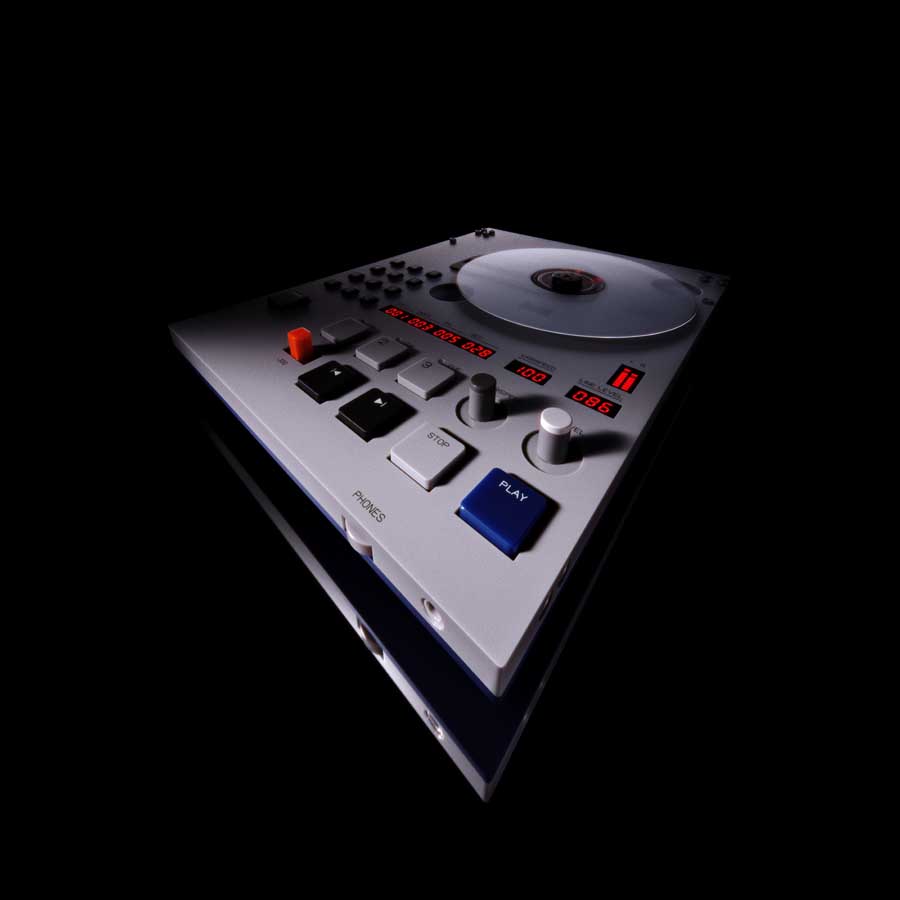
Studio and live performance integration is further reinforced through advanced synchronization tools. The EP/BC-1 is equipped with a beat-detection sync output port that analyzes the transient beats-per-minute (BPM) of the currently playing track and generates a matching synchronization pulse for external hardware synthesizers, drum machines, or modular setups. Additionally, basic remote playback operations can be controlled via standard MIDI protocols, bridging the gap between optical media and electronic music production studios.
Integration Within the Teenage Engineering Ecosystem
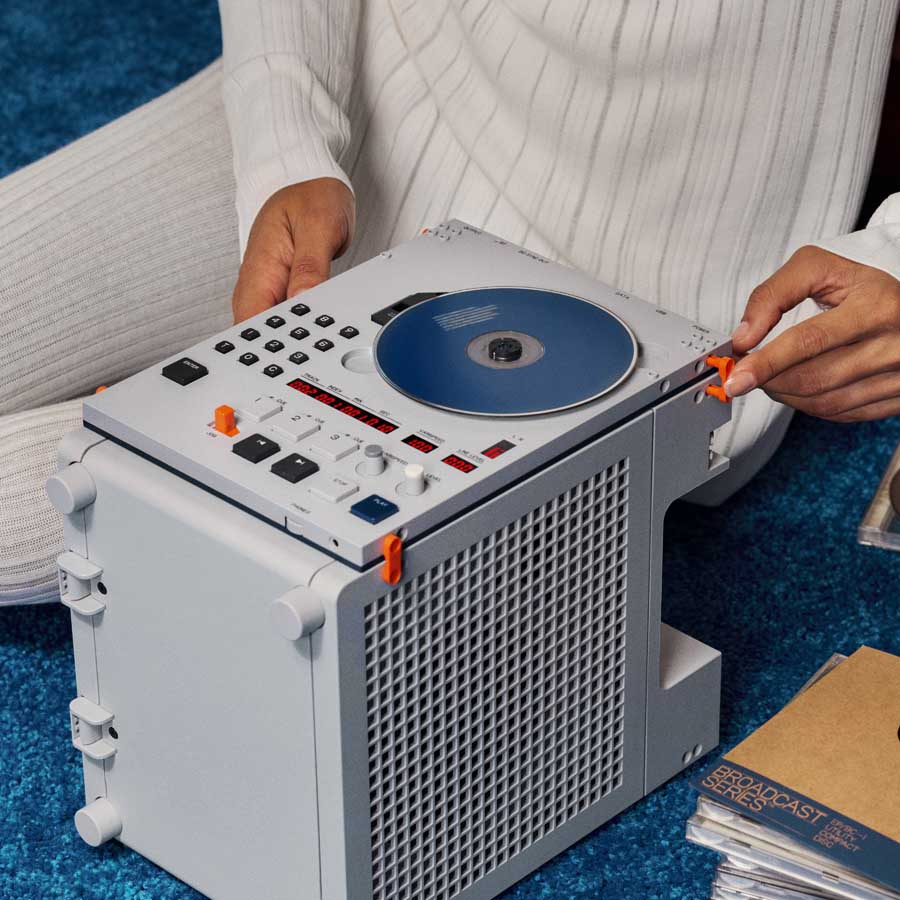
The EP/BC-1 is engineered to integrate seamlessly with the brand’s existing hardware families, most notably the K.O. series of compact audio gear, including the K.O.-35 amplifier. To facilitate mobile use cases, the CD player can be mounted directly using a dedicated K.O. dock kit, transforming disparate components into a unified, cohesive desktop workstation.
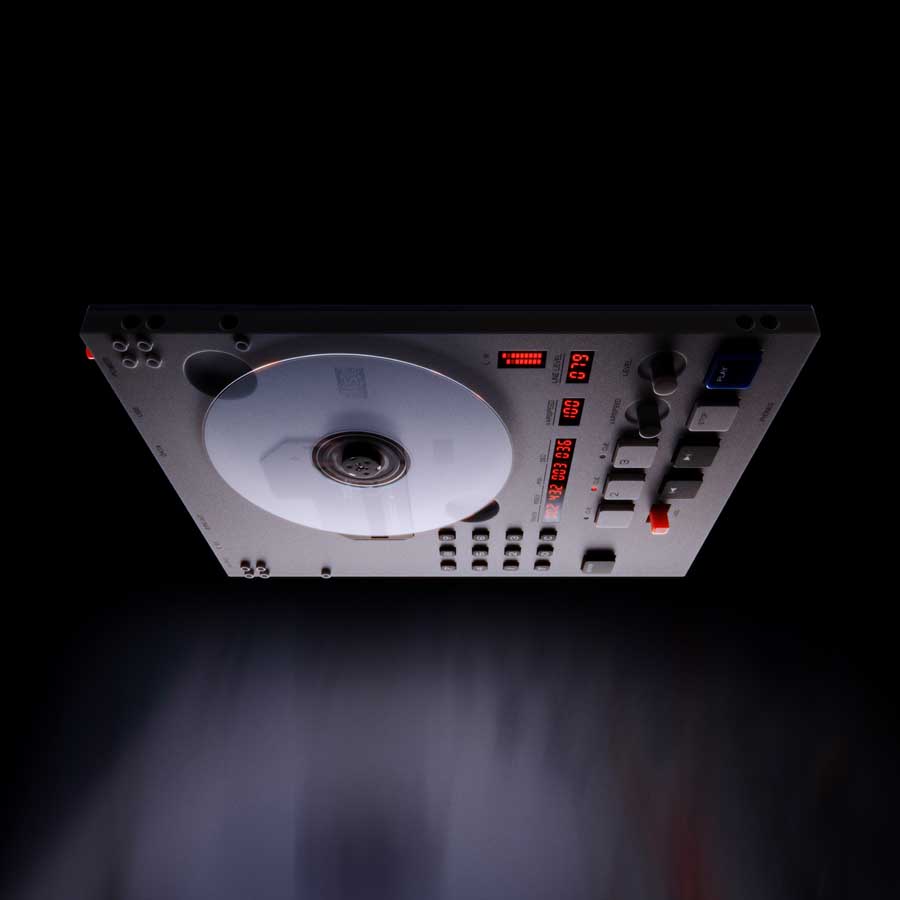
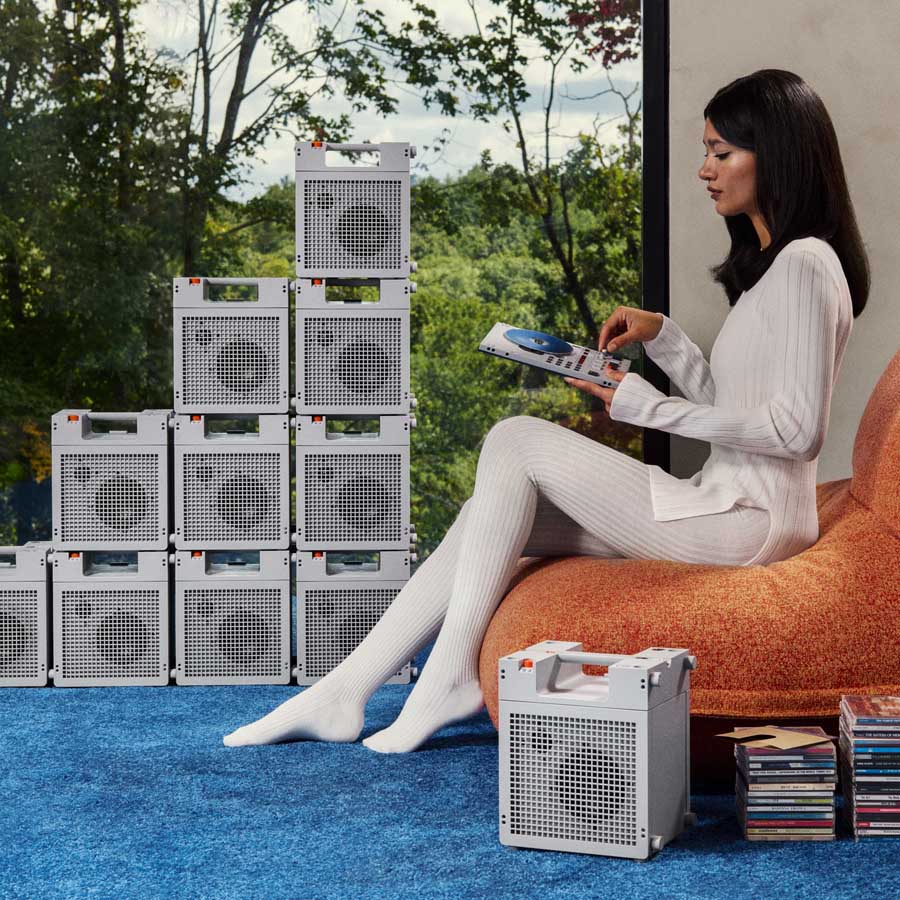
Thanks to the integration of Auracast wireless broadcasting, a single EP/BC-1 can transmit audio feeds to multiple compatible destination devices concurrently. This includes setups featuring several K.O.-Amp 35 units, making the system viable for pop-up listening sessions, small gallery spaces, guerrilla art installations, and collaborative production environments where multiple people need to monitor the same audio source simultaneously.
Power management is handled by an internal rechargeable 2,000mAh lithium-ion battery cell. The power architecture provides an estimated continuous playback duration of up to six hours on a single charge. Replenishing the battery takes approximately two hours via a standard USB connection, ensuring the unit remains highly portable for field use.
Market Positioning, Pricing, and Bundled Options
Teenage Engineering has established a clear pricing structure for the debut of the Broadcast Series. The standalone Teenage Engineering EP/BC-1 CD Player is available at a retail price of €299.
For users seeking an out-of-the-box turnkey mobile audio solution, the company is also offering a comprehensive CD sound system kit priced at €599. This bundle includes the EP/BC-1 CD player, the K.O.-AMP 35 amplifier, and the specialized K.O. dock kit, providing all the necessary hardware components for an integrated desktop or mobile listening station.
Industry Implications and Future Outlook
The introduction of the EP/BC-1 CD Player and the broader Broadcast Series arrives at a fascinating juncture for the consumer electronics and music industries. Over the past decade, market attention has been dominated by the vinyl revival and the absolute dominance of streaming services. However, compact discs have experienced a quiet, steady resurgence among younger demographics and audiophiles drawn to the tangibility of physical packaging, uncompressed Red Book audio quality, and the freedom from algorithmic recommendation engines.
By approaching the CD player not as a nostalgic novelty, but as a feature-rich, hackable, and production-ready tool, Teenage Engineering has carved out a unique market segment. The inclusion of variable speed controls, beat-detection sync, MIDI compatibility, and USB ripping capabilities ensures that the EP/BC-1 appeals to a diverse audience ranging from electronic music producers and DJs to design enthusiasts and traditional music collectors.
Industry analysts note that while the niche pricing places the device outside the realm of mass-market consumer electronics, its high desirability index and cross-functional utility are likely to drive strong demand within creative communities. As brands continue to look for innovative ways to monetize physical media in a digital age, Teenage Engineering’s bold entry into broadcast-style hardware sets a new benchmark for creative product design.