Music for Empty Stadiums represents the introspective evolution of producer Oriol Riverola amidst the global pandemic crisis

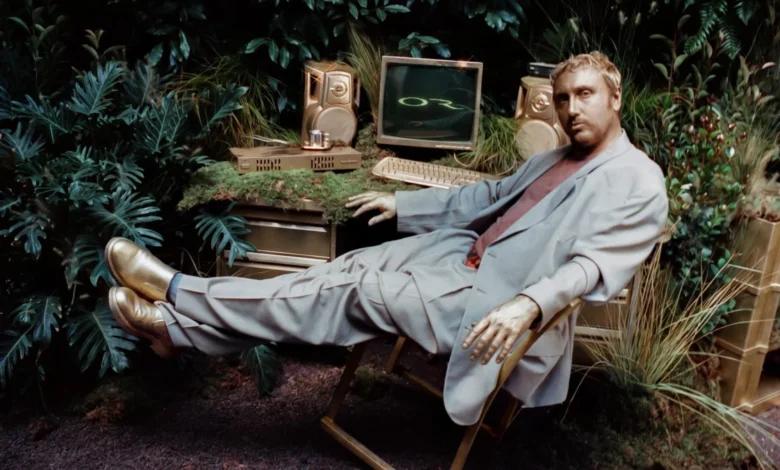
The global COVID-19 pandemic acted as a sudden, violent pause button for the multi-billion-dollar live music industry in early 2020. For electronic music producer and DJ Oriol Riverola, internationally recognized under the moniker John Talabot, the cessation of live performances was not merely a career inconvenience; it was an existential challenge to his craft. With festivals shuttered, clubs silenced, and the social fabric of nightlife dismantled, Riverola retreated into a period of forced solitude. This period of isolation ultimately bore fruit in the form of a new creative project titled Music for Empty Stadiums, released under his alias OR, which serves as a sonic document of the psychological and artistic pressures faced by artists during the lockdown era.
The Catalyst: A World in Lockdown
In early 2020, as international health mandates forced the cancellation of nearly all public gatherings, the electronic music scene faced an unprecedented identity crisis. Riverola, a fixture in the underground scene since the late 2000s, found himself in Barcelona, grappling with the sudden loss of his professional infrastructure. The closure of international borders and the subsequent inability to access high-end studio spaces left him with a limited toolkit.
Recalling the onset of the pandemic, Riverola describes a moment of profound disorientation. "I remember playing Balearic music on a beach at a festival in Italy as restrictions started, people began dancing, but the police came and stopped the music," he says. This interaction served as a microcosm for the broader experience of the industry, where electronic music, once a symbol of communal celebration, was suddenly cast as a public health liability. The shift from celebrated culture to potential health hazard created a vacuum that left many creators questioning their future.

Chronology of a Creative Pivot
The development of the album was characterized by extreme constraints. Unable to upgrade his hardware due to logistical supply chain failures, Riverola was forced to rely on aging technology and software. Over a span of two months, he generated nearly 70 distinct musical sketches. This period was marked by personal tragedy and professional uncertainty, as he navigated the loss of a family member while his plans to build a professional studio were indefinitely postponed.
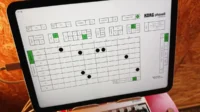
The workflow was defined by technical minimalism. He utilized the first version of the ANA soft-synth by Sonic Academy—a tool he had previously relegated to commercial work—and various experimental Max for Live sequencers. These limitations, rather than hindering the output, pushed Riverola to explore the sonic possibilities of sharp, percussive notes and complex polyrhythms. The resulting tracks were stored in a digital archive, largely forgotten as he shifted his focus to collaborative projects, including the ambitious AIR (ARIA) composition for the Venice Biennale in partnership with singer Maria Arnal.
The Path to Publication
The transition from private sketches to a formal album release was facilitated by Nic Tasker of the London-based label AD93. When Tasker commissioned tracks for a radio program centered on music produced during the pandemic, the raw, unexpected quality of Riverola’s sketches caught his attention. Recognizing the narrative potential of the collection, Tasker provided the necessary institutional support to expand the project into a 90-minute sonic journey.
The sequencing of the final 17 tracks on Music for Empty Stadiums follows the chronological order in which they were written. This linear structure allows the listener to experience the emotional arc of the pandemic: from the initial anxiety of "The Cortisol Arena" to the eventual search for resolution in "Serotonin Bliss Blues."

Technical Precision and Orchestral Ambition
The production phase of the record was a marathon of refinement. Following the initial composition, the project underwent an eight-month mastering process. Working with mix engineer Tommy Wallwork and mastering engineer Yves Roussel, Riverola pushed for a level of dynamic range rarely associated with electronic music. The team produced 193 renders to achieve the desired balance, panning, and intensity.
Riverola drew inspiration from symphonic structures, specifically citing a performance of Ravel’s Boléro by the London Symphony Orchestra. His goal was to mirror the orchestral approach of building intensity from a low, subdued beginning to a maximalist crescendo. By avoiding heavy compression—a common practice in electronic music that often flattens dynamic range—he sought to preserve the "aria-like" tension between melodies.
The Philosophy of Constraint
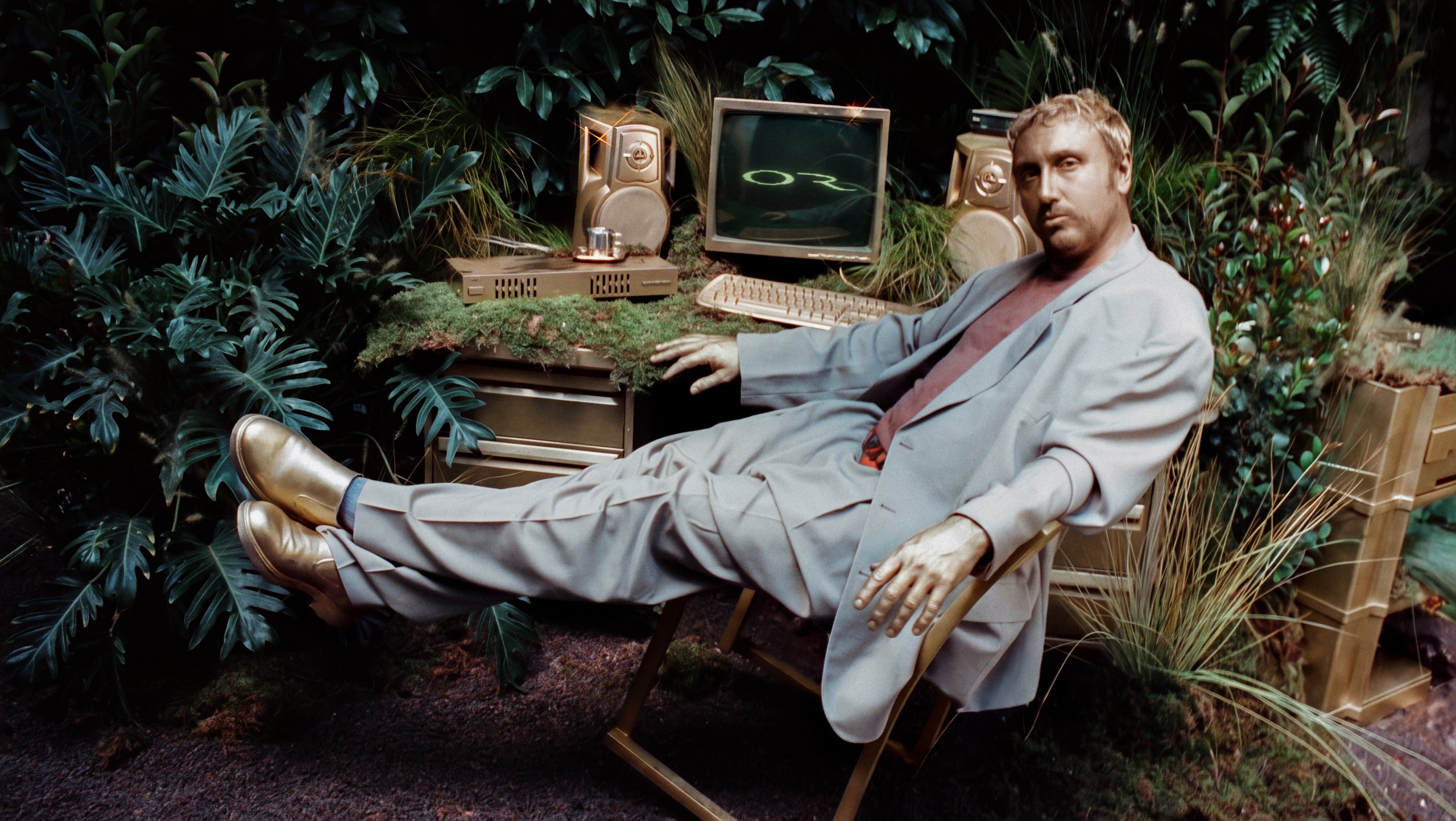
The title of the album draws inspiration from a poignant image from the pandemic: a performance at the Gran Teatre del Liceu in Barcelona, where an opera was staged for an audience composed entirely of houseplants. To Riverola, this image captured the essence of nature reclaiming space while humanity remained sidelined.
This philosophy of working within strict limitations is a recurring theme in Riverola’s career. His 2021 project as Koraal, which utilized only a single synthesizer and one pedal, reflects his belief that the modern abundance of digital tools can be creatively paralyzing. "If you only have one piece of gear, then the elements are easier to mix," he explains. He advises emerging artists to master a single tool before expanding their technical arsenal, noting that depth of knowledge often yields better results than breadth of equipment.
Broader Industry Implications
The release of Music for Empty Stadiums occurs at a time when the music industry is still processing the long-term effects of the pandemic. The transition from an era of "empty stadiums" to the current period of renewed mass gatherings offers a unique vantage point for reflection. For Riverola, the challenge now lies in translating these intimate, pandemic-born compositions into live performances.
The implications of his work extend beyond the specific context of COVID-19. By documenting the intersection of extreme creative limitation and global isolation, the project highlights the resilience of the artistic process. It serves as a reminder that the most compelling art often emerges not from infinite choice, but from the necessity of expression under duress.
As the industry continues to evolve, the methodologies adopted by producers like Riverola—prioritizing narrative, dynamic range, and the mastery of foundational tools—may offer a blueprint for future electronic musicians. By treating electronic production with the reverence of a symphonic score, he has elevated his work from a mere collection of tracks to a cohesive, historical document of a period defined by silence and the subsequent struggle to find a new rhythm.
With the album now available through AD93, the focus shifts to how these compositions will resonate in the post-pandemic landscape. For an artist who has spent two decades defining the leftfield electronic scene, this project represents a significant departure, moving away from the dancefloor-centric requirements of his John Talabot persona toward a more introspective, expansive mode of storytelling. The success of this transition confirms that even in the absence of an audience, the impulse to create remains a powerful, driving force.