The music industry’s landscape is undergoing a seismic shift, marked by rapid mergers, acquisitions, and significant workforce reductions.

The year 2026 has proven to be a period of unprecedented flux within the music instrument and software sector, with several prominent companies experiencing dramatic ownership changes. This ongoing trend has reshaped the corporate structures of key players, leading to both consolidation and strategic divestitures, impacting brands that have long been considered stalwarts in music production and performance technology. The initial consolidation involving Native Instruments, iZotope, Plugin Alliance, and Brainworx under the umbrella of inMusic Brands in early May was a significant development, but the subsequent unraveling of this alliance has further complicated the picture, underscoring a broader pattern of instability and strategic realignments across the industry. This article aims to provide a comprehensive overview of these recent developments, tracing the ownership trajectories of these influential brands and examining the wider implications for the music technology ecosystem.
inMusic Brands Consolidates Core Native Instruments Portfolio Amidst Divestitures
inMusic Brands, a formidable American conglomerate with a diverse portfolio that includes such iconic names as Numark, Alesis, M-Audio, Akai, Denon, Marantz, Rane, Stanton, BFD, and the recently acquired Moog Music, has now solidified its ownership of the core Native Instruments (NI) assets. This acquisition encompasses the flagship products that have defined NI’s market presence, including Kontakt, Reaktor, Maschine, and Traktor. The integration of these software and hardware staples into inMusic’s extensive offerings represents a significant expansion of the conglomerate’s capabilities in the digital audio workstation (DAW) and performance controller markets.
However, this consolidation has not been without its consequences. The acquisition by inMusic has unfortunately led to a substantial reduction in Native Instruments’ workforce, particularly impacting its operations in Berlin. These layoffs, while perhaps anticipated given the nature of such corporate integrations, represent a loss of talent and expertise that has contributed to NI’s innovative output for years. The precise number of affected employees has not been officially disclosed, but reports suggest a significant portion of the staff has been shed, a common outcome in large-scale mergers where redundancies are often identified and addressed.
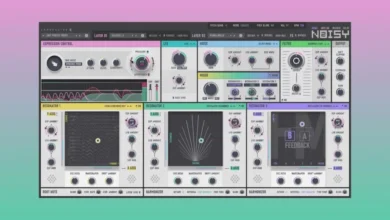
The initial announcement in May detailed inMusic’s acquisition of the "merged NI whole," which at the time appeared to encompass the entirety of the entity formed by Native Instruments’ previous strategic acquisitions. This broader entity, originally dubbed Soundwide, had brought together iZotope and Plugin Alliance under a single banner, aiming to create a comprehensive suite of audio tools. However, the subsequent divestitures indicate that inMusic’s strategic focus was primarily on the foundational Native Instruments intellectual property and product lines.
iZotope Finds New Ownership Under Boris FX, Expanding into Post-Production Synergy
In a significant strategic pivot, iZotope, a leader in audio repair, enhancement, and mastering software, has been acquired by Boris FX. This move sees iZotope’s acclaimed suite of audio tools, including its industry-standard plugins like RX, Ozone, and Neutron, transition to a company renowned for its robust visual effects and post-production software. The acquisition was finalized with Boris FX, a Miami-based independent entity, taking ownership of all iZotope products. This development, while potentially disruptive for users who had grown accustomed to integrated installation processes, signals a new direction for iZotope’s technological integration.
Boris FX is a well-established name within the film, television, and visual effects industries, boasting a comprehensive portfolio of tools such as Continuum, CrumplePop, Mocha Pro, Optics, and Sapphire. The addition of iZotope’s audio processing capabilities marks a deliberate effort by Boris FX to become a more dominant force in the broader post-production landscape, offering a more holistic solution for creators working across audio and visual media. This expansion into audio processing complements Boris FX’s existing strengths, potentially creating powerful cross-application workflows and synergies.
The acquisition positions Boris FX as a burgeoning powerhouse in both audio and visual creative technologies. iZotope’s integration into Boris FX’s existing software suite, which already includes established audio applications like Sequoia, Samplitude, Music Studio, Sound Forge, and the classic Acid Pro, suggests a strategy focused on leveraging specialized software for diverse creative workflows. This move could herald new advancements in integrated post-production tools, where seamless transitions between audio and video editing become more fluid and efficient.
Plugin Alliance and Brainworx Revert to Founder Dirk Ulrich, Form New RCKFRC Audio Group
In a notable instance of a founder reclaiming his original ventures, Dirk Ulrich, the visionary behind Plugin Alliance and Brainworx, has successfully bought back both companies from inMusic. This repurchase, effective July 15, 2026, signifies a strategic return of these influential plugin developers to their founder’s direct leadership. The move effectively separates Plugin Alliance and Brainworx from the broader inMusic portfolio and the initial NI acquisition.
Ulrich announced the acquisition through a letter to the community, stating, "Plugin Alliance and Brainworx are back under my personal leadership. I have just bought both companies back, effective July 15, 2026. PA/BX will join Apogee & Manley as part of my new RCKFRC audio group." This statement highlights the formation of a new entity, RCKFRC audio group, which will house Plugin Alliance, Brainworx, and other high-end audio hardware manufacturers like Apogee and Manley. This strategic consolidation under RCKFRC aims to foster a collaborative environment for premium audio technology development, blending cutting-edge plugin innovation with established hardware excellence.
This reversal of the earlier acquisition is not entirely surprising, given Ulrich’s vocal stance and clear desire for this outcome since the initial insolvency proceedings of the combined entity were reported earlier in the year. The reunification of Plugin Alliance and Brainworx under Ulrich’s personal leadership is seen by many in the industry as a positive development, promising a renewed focus on the innovative spirit that characterized these brands prior to their integration into larger corporate structures. The formation of the RCKFRC audio group suggests a strategic vision to create a distinct ecosystem of high-quality audio tools, catering to both professional studios and discerning home producers.
A Tumultuous Year of Mergers, Acquisitions, and Industry Consolidation
The recent shifts involving Native Instruments, iZotope, Plugin Alliance, and Brainworx are indicative of a broader, accelerated trend of mergers and acquisitions (M&A) that has defined the music industry throughout 2026. This period has witnessed significant consolidation across various segments of the music business, from hardware manufacturers to digital distribution platforms and major record labels.
Beyond the plugin and software domain, the year has seen substantial activity in other areas. Warner Music Group’s acquisition of Revelator, a business-to-business music platform, mirrors parallels with Songtradr’s earlier acquisition of Bandcamp, highlighting a strategic push by major music entities to gain control over digital distribution and artist services infrastructure. Furthermore, the merger of BMG and Concord has created the fourth-largest music company globally, underscoring the ongoing consolidation among major music rights holders and publishers.
The impact of these M&A activities extends beyond corporate ownership. Across the music instrument business, a pervasive pattern of layoffs has emerged. This trend is not confined to the digital realm but also affects traditional instrument manufacturing. In a stark example, Eastman Music’s acquisition of Fossati L’Atelier de Hautbois, a renowned French manufacturer of oboes and English horns, signifies consolidation even within specialized acoustic instrument sectors.
A particularly concerning aspect of this broader trend is the impact on skilled labor and manufacturing heritage. In the United States, the closure of union brass and orchestra instrument makers, such as the Conn-Selmer plant in Ohio, has led to significant job losses and the erosion of generations of crafting expertise. Reports indicate that billionaire investor John Paulson’s decision to close the Ohio facility and relocate production, reportedly to China, has had a devastating effect on the local workforce and the legacy of instrument making in the region. This plant, historically a producer of instruments for legendary musicians like Glenn Miller, Tommy Dorsey, J.J. Johnson, Dizzy Gillespie, and Charlie Parker, represents a significant loss of industrial heritage. Public notices via the WARN Act have documented these workforce reductions, painting a somber picture of the impact on skilled artisans and their communities.
Analysis of Industry Trends and Future Implications
The current wave of M&A activity in the music industry can be attributed to several converging factors. The increasing digitalization of music creation, distribution, and consumption has created new market opportunities and necessitated strategic realignments. Companies are seeking to expand their market share, acquire new technologies, and achieve economies of scale through consolidation. The pursuit of vertical integration, where companies aim to control multiple stages of the value chain, from content creation to distribution and monetization, is also a driving force.
For consumers and creators, these changes can have mixed implications. On one hand, consolidation can lead to more integrated product ecosystems and potentially more streamlined workflows. It may also foster innovation as larger entities invest more heavily in research and development. However, it can also lead to reduced competition, potentially resulting in higher prices or a narrowing of choices. The layoffs associated with these mergers raise concerns about the impact on independent creators and smaller businesses that may struggle to compete with larger, consolidated entities.
The divestitures, such as the separation of iZotope and Plugin Alliance from Native Instruments’ core, suggest that even large conglomerates may refine their strategic focus, divesting non-core assets to concentrate on specific areas of expertise. The return of Plugin Alliance and Brainworx to founder Dirk Ulrich’s leadership highlights a potential counter-trend, where founders seek to regain control of their vision and maintain greater autonomy.
The broader trend of layoffs, particularly in traditional manufacturing, underscores the challenges faced by established industries in adapting to global economic shifts and technological advancements. The loss of specialized manufacturing skills and heritage is a significant societal concern, with long-term implications for cultural and economic development.
As the music industry continues to evolve at a rapid pace, the ongoing consolidation and strategic realignments will undoubtedly shape the future of music creation, distribution, and consumption. Companies that can effectively navigate these changes, foster innovation, and support the creative community will be best positioned for success in this dynamic and increasingly interconnected landscape. For those independent businesses and individuals striving to maintain their operations and preserve their livelihoods amidst these turbulent times, the resilience and adaptability demonstrated by the industry’s core creators and innovators remain a crucial beacon.