Friendship Survival Guide serves as a posthumous testament to the collaborative bond between Jóhann Jóhannsson and Adam Wiltzie

The release of Friendship Survival Guide marks a significant moment in contemporary neoclassical and ambient music, offering a rare, intimate look at the creative synergy between the late Icelandic composer Jóhann Jóhannsson and American musician Adam Wiltzie. Composed of archival recordings, tape loops, and studio sessions spanning from 2013 to 2017, the album is not merely a collection of unreleased material but a deliberate construction of a shared musical language. Through the meticulous efforts of Wiltzie—co-founder of the drone-ambient duo Stars of the Lid and A Winged Victory for the Sullen—these fragments have been woven into a cohesive narrative that captures the essence of a professional and personal friendship cut short by Jóhannsson’s untimely death in 2018.
A Chronology of Creative Convergence
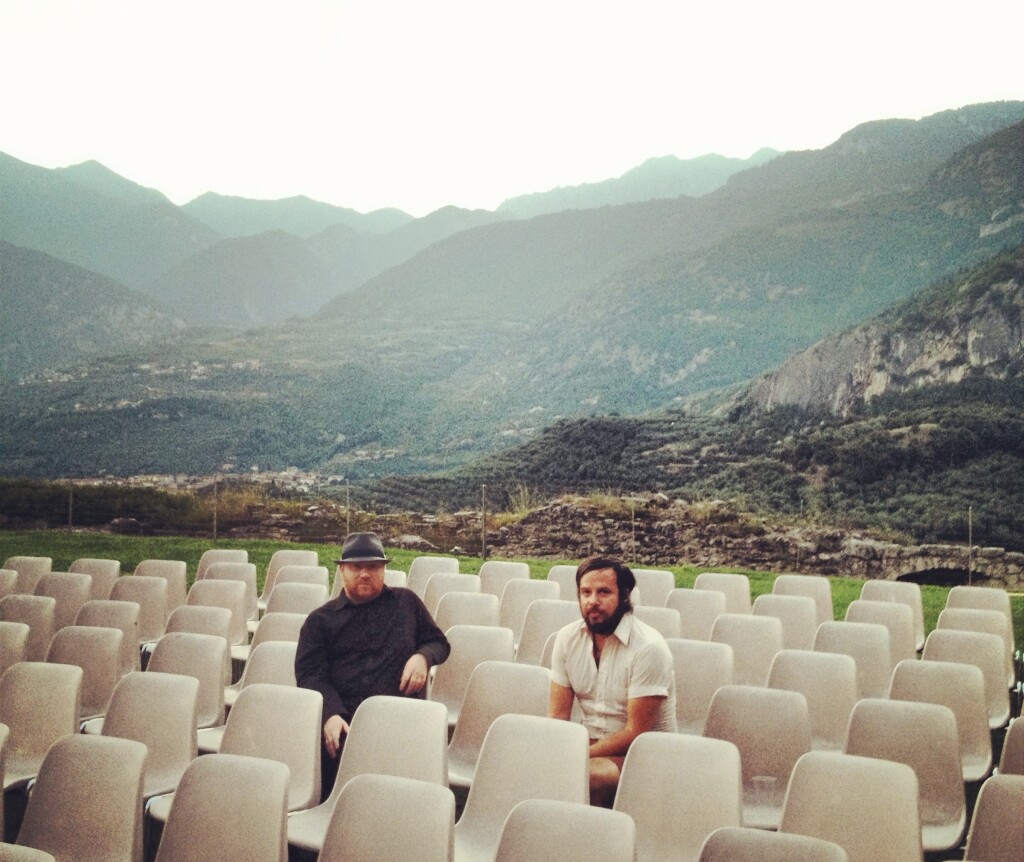
The partnership between Jóhannsson and Wiltzie began with an encounter at a merchandise table during a Stars of the Lid performance. The two artists, born within two days of each other in the same year, discovered an immediate kinship rooted in a shared cultural and sonic history. While their initial interactions were characterized by mutual admiration, their formal professional collaboration took shape during the development of film scores.
Between 2013 and 2017, the duo worked in tandem on various high-profile projects, most notably for the biographical drama The Theory of Everything (2014) and Denis Villeneuve’s science fiction feature Arrival (2016). During these sessions, Wiltzie served as a contributor to the atmospheric underpinnings of Jóhannsson’s compositions. Often, these "sound beds" were created in isolation or through rapid, intuitive exchanges that bypass the traditional, often laborious, back-and-forth of film scoring. When certain segments were rejected by film producers, the two artists viewed these instances as opportunities to repurpose the sounds for their own collaborative record, rather than as creative failures. This organic development process laid the groundwork for the tracks that eventually comprise Friendship Survival Guide.
Technical Craft: The Materiality of Sound
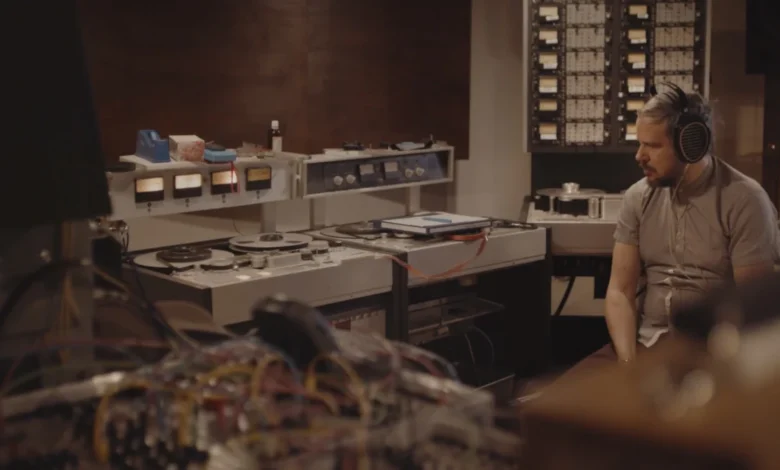
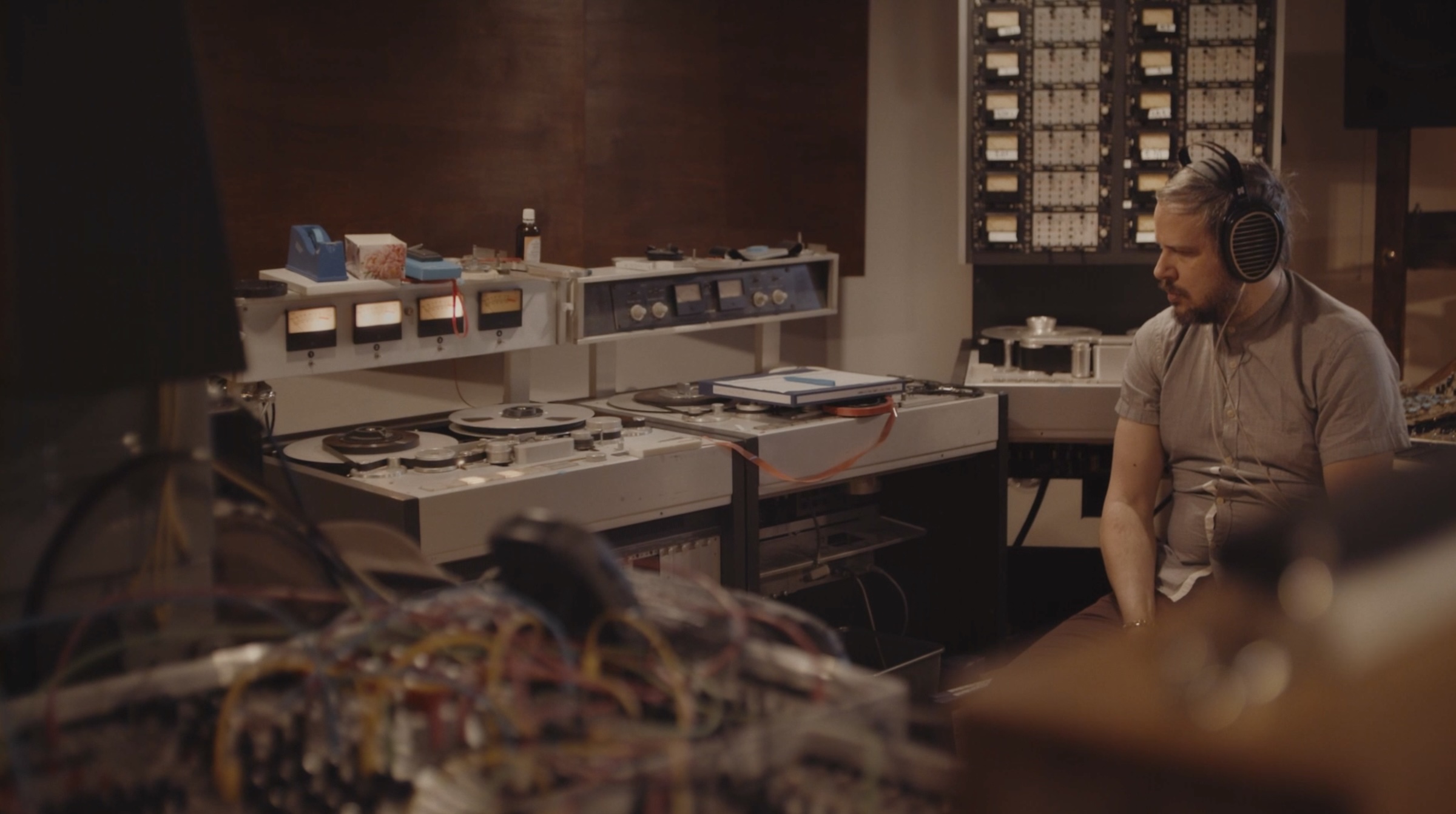
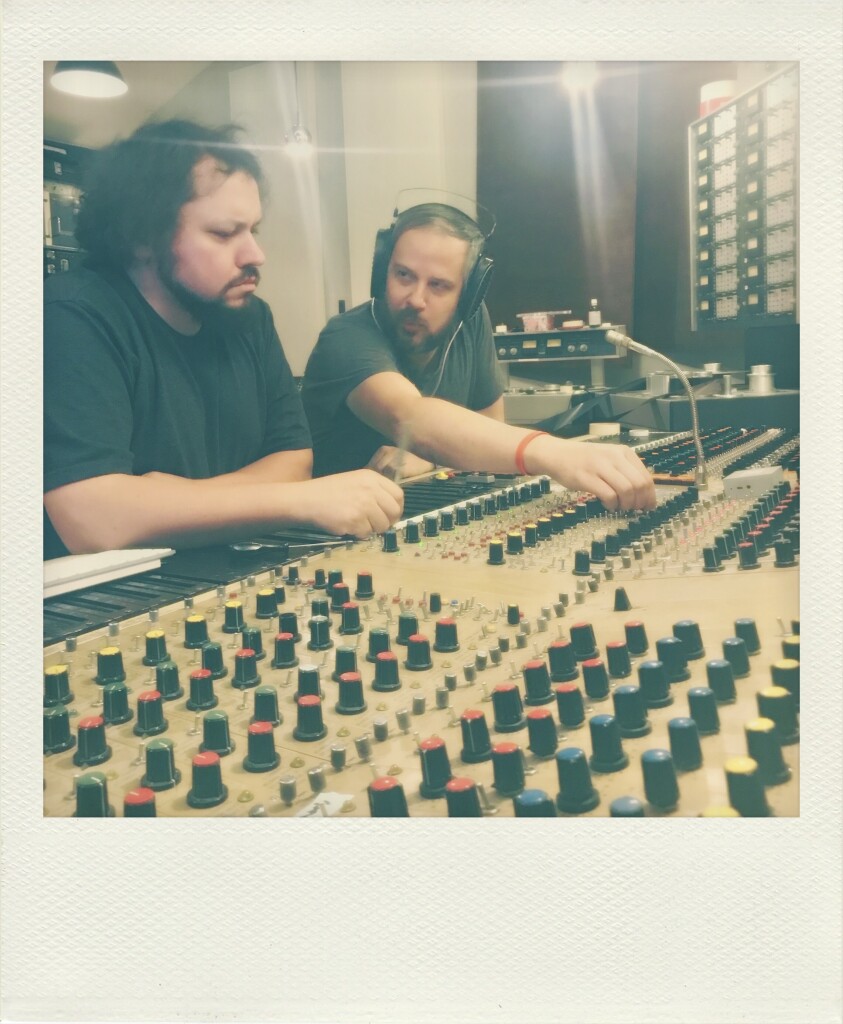
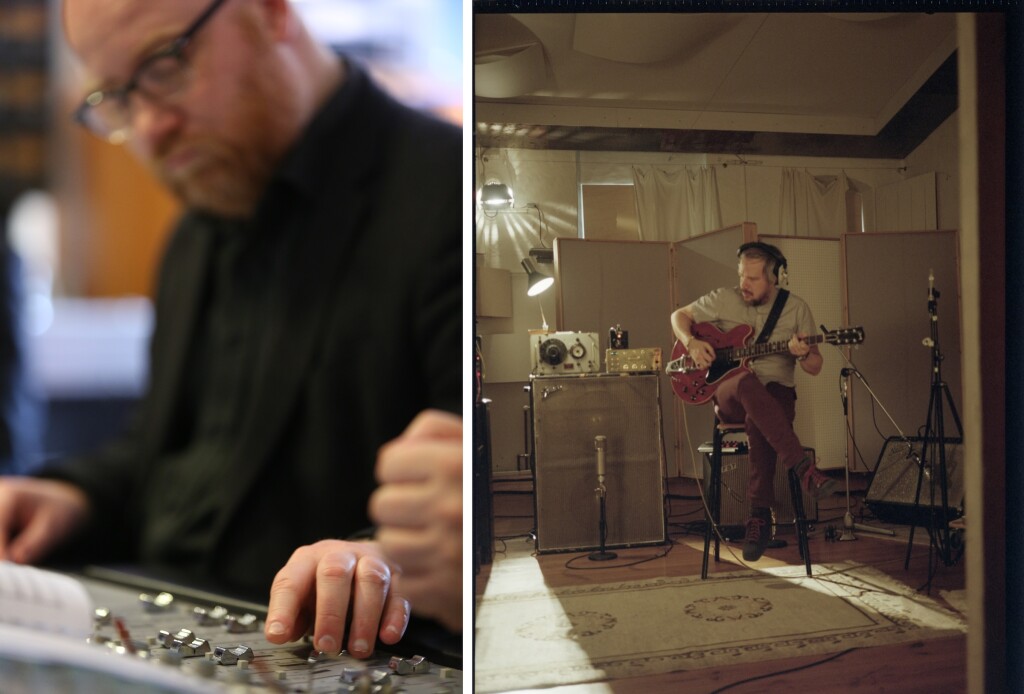
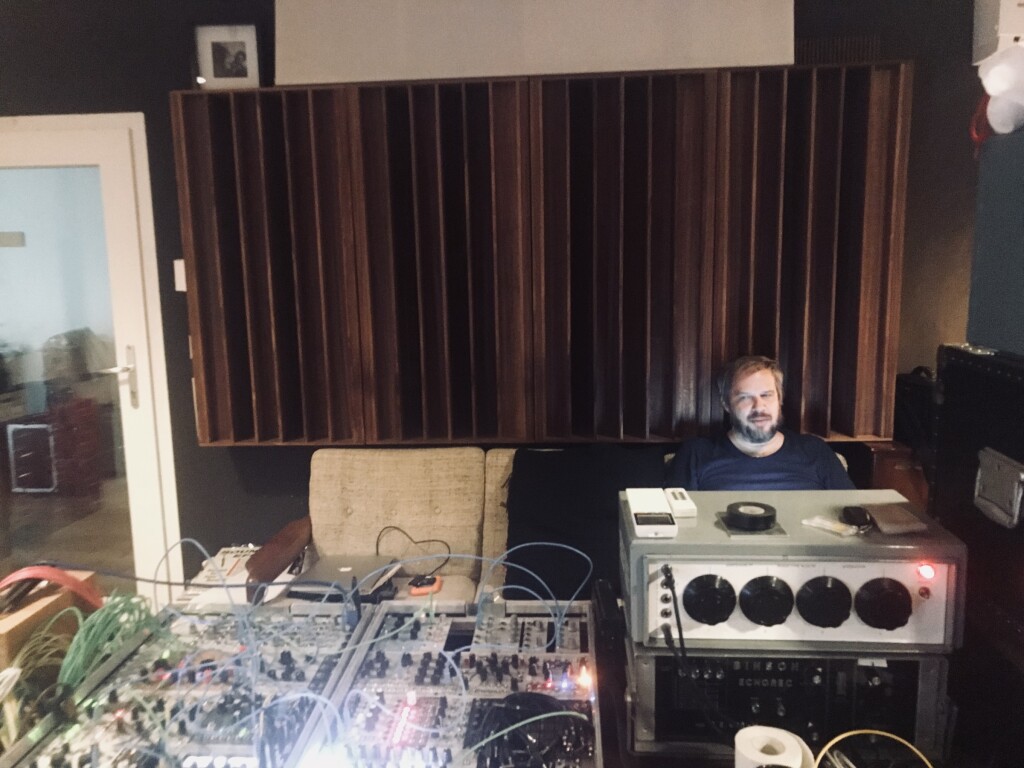
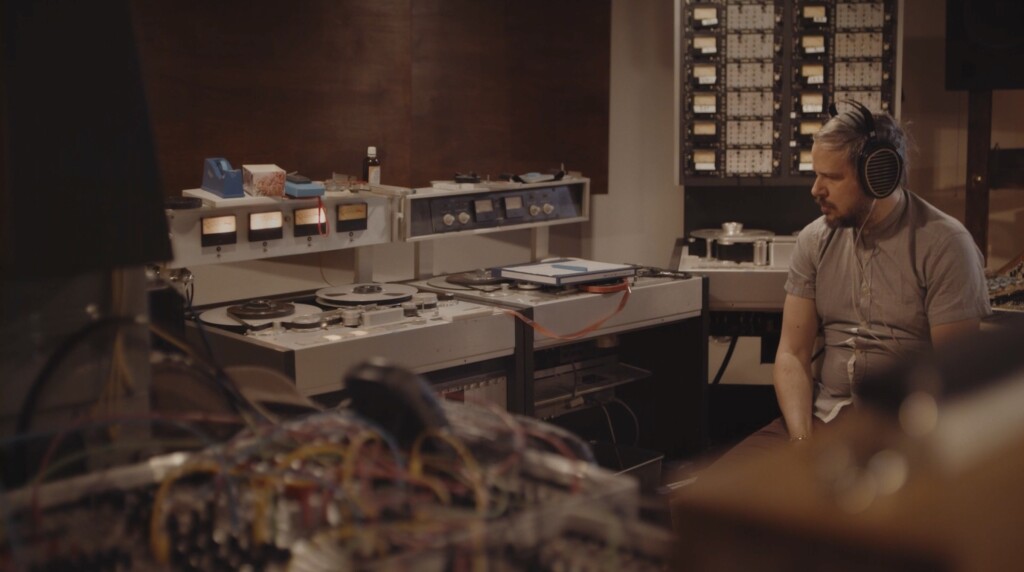
Central to the album’s aesthetic is the use of physical tape loops. In an era dominated by digital production, the choice to utilize reel-to-reel tape machines reflects a commitment to the tangible, imperfect nature of analog sound. The production process involved running recorded segments through Jóhannsson’s own machines, with engineering support from Francesco Donadello.
The sound was further shaped by the legendary late engineer Steve Albini in Chicago, who processed the audio shortly before his own passing. This reliance on "physical mass"—the literal tape that can be cut, looped, and physically degraded—imparts a warmth and fragility to the record that digital synthesis often fails to replicate. Donadello’s role was crucial in preserving these analog artifacts, as the team had to navigate the challenges of archiving magnetic tape, which is susceptible to environmental degradation if not strictly climate-controlled.
Collaborative Ecosystems and Cultural Context
The creation of Friendship Survival Guide was not an isolated endeavor but one deeply rooted in the artistic community of Berlin’s Kreuzberg district. During the mid-2010s, this neighborhood served as a hub for a specific sect of minimalist and ambient composers. The album features contributions from notable figures such as Tim Hecker, composer Bryan Senti, and cellist Hildur Guðnadóttir, whose vocal contributions were slowed and integrated into the texture of the record.
This collaborative environment was essential to the album’s completion. Following Jóhannsson’s death, the transition from a collection of "found sounds" to a finished, commercial release was a daunting task for Wiltzie. The involvement of the Jóhannsson estate and the support of Deutsche Grammophon provided the necessary resources to finalize the project. For Wiltzie, revisiting these recordings was a cathartic experience, transforming the process of grief into a continuation of a dialogue that he insists never felt "sad" or "arduous," but rather a reconnection with his departed friend.
Analytical Implications of Posthumous Releases
The release of Friendship Survival Guide raises broader questions regarding the ethics and artistic integrity of posthumous projects. In the music industry, such releases are often scrutinized for their potential to exploit the legacy of an artist. However, this project is distinct in its intent and execution. Because the materials were born from a mutual agreement to eventually release a joint record, and because the stewardship of the project was handled by a close collaborator, the album avoids the pitfalls of commercial exploitation.
Instead, the album serves as a "time capsule." By focusing on the fragility of the compositions rather than the tragedy of the loss, the album manages to maintain an objective emotional distance while remaining deeply personal. It provides a blueprint for how to handle archival material: with the intention of completing a shared vision rather than simply monetizing unpolished demos.
Industry and Artistic Impact
The reception of the album within the ambient community has been largely positive, praised for its cohesive atmosphere and the "mystery" of its instrumentation—where it is often difficult to distinguish between processed guitar, organ, or orchestral elements. The project is accompanied by a three-part short film directed by Jonas Govaerts, which further contextualizes the music within a visual narrative, starring Wiltzie alongside actor Jeroen Percevall.
For Adam Wiltzie, the conclusion of this project represents a closing of a chapter, though he admits that there are still "buckets of ideas" remaining in the archives. His approach to future work, including ongoing recordings for A Winged Victory for the Sullen, has been influenced by the lessons learned during the production of this album. The move toward a more efficient, studio-based workflow—enabled by his current base in rural Flanders—has allowed him to capture fleeting inspirations with greater speed and precision.
Conclusion: A Lasting Resonance
Friendship Survival Guide is a significant contribution to the catalogs of both Jóhannsson and Wiltzie. It functions as a bridge between the physical, tactile history of tape recording and the ethereal, expansive potential of modern ambient composition. By prioritizing the preservation of their shared creative process, the contributors have successfully avoided the typical tropes of memorial music.
The album’s success lies in its ability to sound "alive." As Wiltzie notes, the process of mixing and finalizing the tracks allowed him to "meet his friend again" within the digital and analog soundscapes they had created years prior. The result is a piece of art that stands on its own merits, independent of the circumstances of its production, yet enriched by the profound, fleeting connection that defined its creators. As the music reaches new audiences, it stands as a testament to the idea that, through the deliberate act of creation, the presence of an artist can continue to resonate long after their physical departure. The record is currently available via Deutsche Grammophon, accompanied by the short film series, marking a complete artistic statement that balances professional rigor with personal reflection.