Kanye West, French Montana, and Gamma Sued by Paparazzi Agency Over Uncleared Audio Sample in "Where They At"

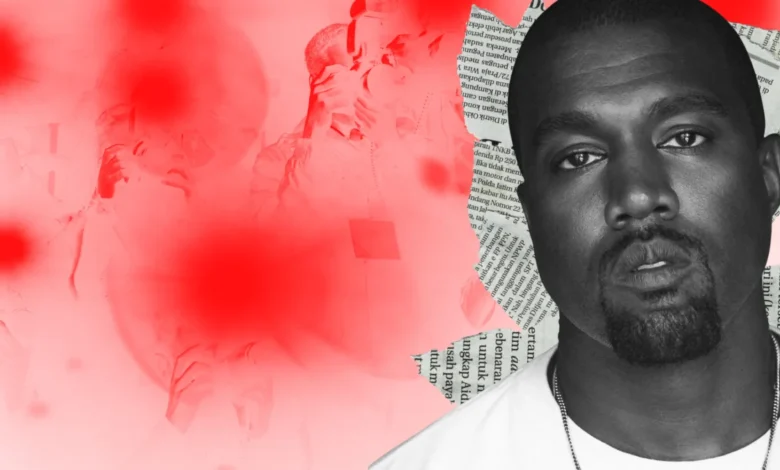
A novel legal battle is unfolding in the music industry, with celebrity photo agency Bauer-Griffin filing a copyright infringement lawsuit against Grammy-winning artist Kanye West, rapper French Montana (real name Karim Kharbouch), and their distributor Gamma. The dispute centers on an uncleared audio sample used in the 2024 collaboration "Where They At," a track prominently featured on French Montana’s "Mac & Cheese 5" mixtape. This litigation distinguishes itself from typical sampling disputes by involving a paparazzi agency asserting copyright over an audio clip of West himself, rather than a musical composition or sound recording.
The core of the complaint revolves around an eleven-year-old audio clip that serves as the intro to "Where They At." The clip, sourced from a 2013 video owned by Bauer-Griffin, captures a "volatile confrontation" between West and a paparazzo. In the snippet, West is heard aggressively shouting, "don’t take a fucking nother photo, man!" Bauer-Griffin alleges that the defendants "flagrantly and deliberately" infringed upon their copyright by incorporating this distinctive audio without permission, license, or attribution. The agency seeks actual damages, contending that the defendants profited from the unauthorized use of their copyrighted material.
A History of Confrontation: Kanye West and the Paparazzi
Kanye West’s often tumultuous relationship with the paparazzi is well-documented and forms a critical backdrop to this lawsuit. For years, West has been a vocal critic of the relentless pursuit by celebrity photographers, frequently expressing his frustration over perceived invasions of privacy. This history of "skirmishing with paparazzi over perceived violations of his privacy and his desire to be left alone," as described in Bauer-Griffin’s lawsuit, has manifested in numerous public incidents, many of which have garnered significant media attention.
One of the most notable incidents occurred in July 2013 at Los Angeles International Airport (LAX), where West was charged with misdemeanor battery and attempted grand theft after an altercation with a paparazzo. This event, distinct from the specific incident leading to the current lawsuit, underscores the deep-seated tension between West and the photography industry. West ultimately pleaded no contest to a lesser charge and was sentenced to probation, anger management classes, and community service. Such high-profile confrontations have contributed to West’s public persona as an artist fiercely protective of his personal space, often clashing with the media’s hunger for celebrity images and stories. This particular 2013 confrontation, which yielded the sampled audio, was widely reported by news and entertainment outlets, making the audio clip a recognizable element of West’s public narrative. The incident, much like others involving West, became part of the broader discourse on celebrity privacy versus public interest and the aggressive tactics employed by some paparazzi.
The Alleged Infringement: "Where They At" and the Unlicensed Sample
The song "Where They At," released as part of French Montana’s "Mac & Cheese 5" mixtape in early 2024, immediately drew attention for its distinctive opening. The track commences with the raw, unedited audio of West’s expletive-laden command to the paparazzo. The lawsuit contends that West, Kharbouch, and Gamma "purposefully copied the audio sample and used it prominently as the infringing record’s intro" without any authorization. This prominent placement of the sample at the very beginning of the track suggests an intentional choice to leverage the dramatic and recognizable nature of the confrontation.
The use of dialogue samples, particularly those from public figures, has become a common practice in music production, often employed to add narrative depth, thematic resonance, or a sense of authenticity to a track. However, like any other copyrighted material, audio clips derived from visual or audio recordings are subject to intellectual property laws. Bauer-Griffin argues that their ownership of the original 2013 video inherently extends to the audio component within it, making its unauthorized extraction and use a clear act of infringement. The agency’s legal counsel likely emphasizes the commercial value generated by the defendants from a clip that is, at its core, an asset of Bauer-Griffin’s media archive.
Understanding Copyright in the Digital Age: Paparazzi Content and Music Sampling
The lawsuit highlights several crucial aspects of copyright law, particularly concerning paparazzi-generated content and music sampling. In the United States, copyright protection automatically vests in the creator of an original work of authorship fixed in a tangible medium. For a photographer or videographer, this means that the moment they capture an image or video, they typically own the copyright to that content. This principle is fundamental to the paparazzi business model: while the celebrity is the subject, the content itself is the intellectual property of the individual or agency that created it.
This distinction is vital. Celebrities, despite being the focus of the content, do not generally own the copyright to paparazzi photos or videos of themselves. Their legal recourse for unwanted images usually lies in areas like privacy law, right of publicity, or defamation, rather than copyright infringement. Conversely, if a celebrity wishes to use a paparazzi image or video in which they appear – even for their own social media or promotional materials – they are legally required to obtain a license from the copyright holder. Numerous pop stars and public figures have faced lawsuits for posting paparazzi photos to their personal social media accounts without permission, underscoring the strict enforcement of these rights.
Similarly, the practice of music sampling is heavily regulated by copyright law. Producers and artists are generally required to clear samples from both the sound recording and the underlying musical composition (if applicable) with the respective copyright holders. Failure to do so can result in costly litigation, injunctions, and significant financial penalties. While the sampled element in "Where They At" is a spoken word clip rather than a musical passage, the principle remains the same: if the audio is part of a copyrighted work, its unauthorized use constitutes infringement.
The Fair Use Doctrine: A Potential Defense?
One of the primary defenses Kanye West and French Montana’s legal teams might explore is the "fair use" doctrine under US copyright law. Fair use allows for the limited use of copyrighted material without permission for purposes such as criticism, commentary, news reporting, teaching, scholarship, or research. Courts typically evaluate four factors when determining fair use:
- The purpose and character of the use: Is the use transformative (i.e., does it add new meaning or expression to the original)? Is it commercial or non-commercial?
- The nature of the copyrighted work: Is the original work factual or creative? Published or unpublished?
- The amount and substantiality of the portion used: How much of the original work was copied, and was it the "heart" of the work?
- The effect of the use upon the potential market for or value of the copyrighted work: Does the unauthorized use harm the market for the original?
In this case, West’s legal team could argue that the use of the audio clip is transformative, perhaps serving as a commentary on celebrity culture, the intrusive nature of the paparazzi, or even West’s own public persona. They might contend that the clip, being a public utterance related to a news event, falls under news reporting or commentary. However, the commercial nature of the song and its prominent placement as an intro could weigh against a fair use defense, especially if the court finds it to be merely an uncredited appropriation. The fact that the audio is the very first thing listeners hear suggests a deliberate, non-transformative extraction for commercial gain, which typically weakens a fair use argument.
The Significance of Copyright Registration Timing
An intriguing aspect of the lawsuit is the timing of Bauer-Griffin’s copyright registration. While the original video containing the sampled audio was published in 2013, the agency only certified its copyright with the US Copyright Office in January 2024. This late registration has significant implications for the types of damages Bauer-Griffin can seek.
Under US copyright law, while copyright protection exists from the moment a work is fixed, registration is generally a prerequisite for filing an infringement lawsuit. More importantly, for works registered before an infringement occurs, copyright holders can seek "statutory damages" (pre-set damage amounts, often ranging from $750 to $30,000 per infringement, or up to $150,000 for willful infringement) and attorney’s fees. However, if registration occurs after the infringement, as is the case here (the song was released in 2024, registration in 2024), the plaintiff is typically limited to seeking "actual damages" and profits attributable to the infringement.
Actual damages refer to the proven monetary losses suffered by the copyright holder due to the infringement. In this context, Bauer-Griffin would need to demonstrate the economic harm caused by the unauthorized use of their audio clip, potentially by calculating a reasonable licensing fee that should have been paid, or by demonstrating a loss of market for the original video due to the song’s release. They can also claim any profits made by West, French Montana, and Gamma that are directly attributable to the infringing use. This often involves complex financial analysis of album sales, streaming revenue, and other commercial benefits derived from the song.
The decision by Bauer-Griffin to register the copyright shortly before or concurrently with filing the lawsuit strongly suggests that the agency identified the infringement and then proactively secured the necessary registration to pursue legal action. This strategic move, while limiting the scope of potential damages, allows the agency to proceed with the core claim of infringement and seek compensation for the alleged unauthorized use of their intellectual property.
Broader Implications for Artists and Media Creators
This lawsuit carries significant implications for both the music industry and media creators. For artists and producers, it serves as a stark reminder of the expansive reach of copyright law and the necessity of thoroughly clearing all samples, regardless of their nature or origin. The case underscores that audio clips, even brief spoken words from seemingly public events, can be copyrighted material, and their unauthorized use carries legal risks. It may prompt artists to exercise greater caution and invest more resources in comprehensive sample clearance processes, potentially impacting creative freedom if clearance becomes too prohibitive or complex.
For paparazzi agencies and other media content creators, the case could set a precedent for asserting copyright over a wider array of content beyond traditional photographs, including audio and video snippets. It reinforces the idea that their work, often dismissed as invasive, is indeed valuable intellectual property that can be exploited by others, and they have the legal right to protect it. If Bauer-Griffin is successful, it could encourage other agencies to more aggressively monitor and litigate against unauthorized uses of their content in various creative works.
The lawsuit also contributes to the ongoing dialogue about the ethics of sampling and the intersection of celebrity, privacy, and intellectual property in the digital age. As content becomes increasingly fragmented and easily shareable, the lines between fair use, commentary, and outright infringement become more blurred. This case, with its unique facts and high-profile defendants, will undoubtedly be watched closely by legal professionals, artists, and media organizations alike as it navigates the complexities of copyright law in a rapidly evolving media landscape. The outcome could influence how all forms of "found sound" are treated in future creative endeavors, potentially reshaping the landscape of music production and content licensing.